Dublin's churches and cathedrals showcase centuries of religious heritage, from medieval foundations to stunning Victorian architecture, each telling important stories of Ireland's spiritual and cultural identity.
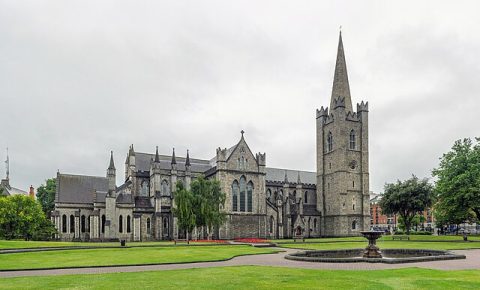
St. Patrick's Cathedral
Ireland's largest cathedral and national cathedral of the Church of Ireland, founded in 1191 beside a well where St. Patrick allegedly baptized converts. The cathedral is forever associated with Jonathan Swift, author of Gulliver's Travels, who served as Dean here from 1713-1745 and is buried inside. The building showcases beautiful Gothic architecture, magnificent stained glass windows, and houses Celtic grave slabs and medieval brasses. The choir performs regular services with beautiful acoustics.
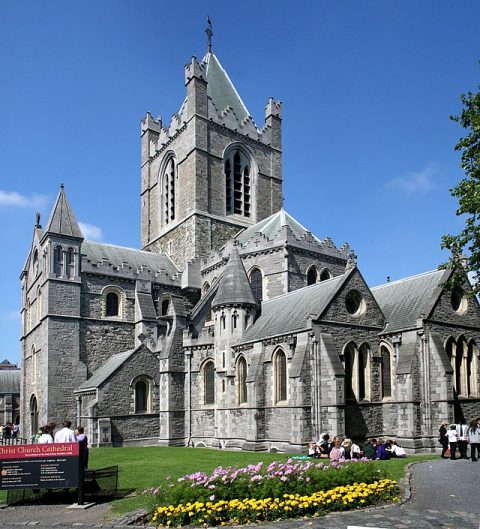
Christ Church Cathedral
Founded around 1030, Christ Church is Dublin's oldest building in continuous use. This medieval cathedral features stunning Romanesque and Gothic architecture, a magnificent floor tiled in the Victorian era, and contains the tomb of Strongbow, the Norman warrior who conquered Dublin in 1170. The atmospheric medieval crypt, Dublin's oldest structure, houses treasures including the mummified cat and rat known as Tom and Jerry. The cathedral's bells are featured in James Joyce's Ulysses.
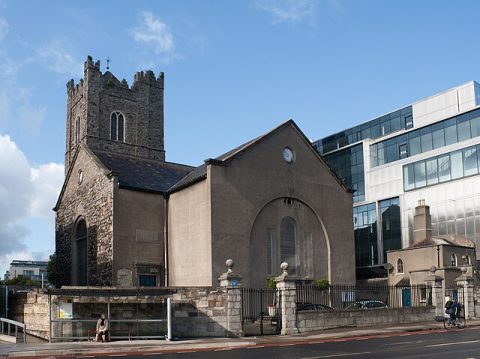
St. Michan's Church
This unassuming 17th-century church on Dublin's north side hides a macabre attraction: naturally mummified bodies in its underground vaults. The constant dry atmosphere has preserved several corpses for centuries, Five displayed mummies, including the approximately 800-year-old “Crusader”, were destroyed in June 2024; the former display should not be promised. The church also features an organ that Handel allegedly played while composing Messiah in Dublin.
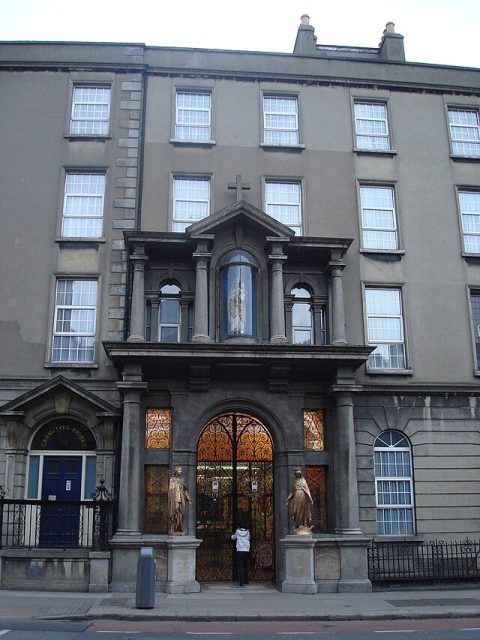
Whitefriar Street Carmelite Church
This 19th-century Catholic church houses the relics of St. Valentine, the patron saint of love, making it a pilgrimage site for couples, especially on February 14th. The church features beautiful stained glass, a devotional shrine to Our Lady of Dublin, and a peaceful atmosphere for reflection. Free admission makes it accessible for all visitors seeking spiritual moments.
Tips for Religious Sites
- Admission fees: Both major cathedrals charge admission; combined tickets available
- Service times: Check schedules if you wish to attend services; evensong at Christ Church is particularly atmospheric
- Dress code: Respectful attire recommended; shoulders and knees covered
- Photography: Usually permitted but check signs; no flash during services
- Combined visit: Both cathedrals are walkable from each other (10 minutes), making them easy to visit together