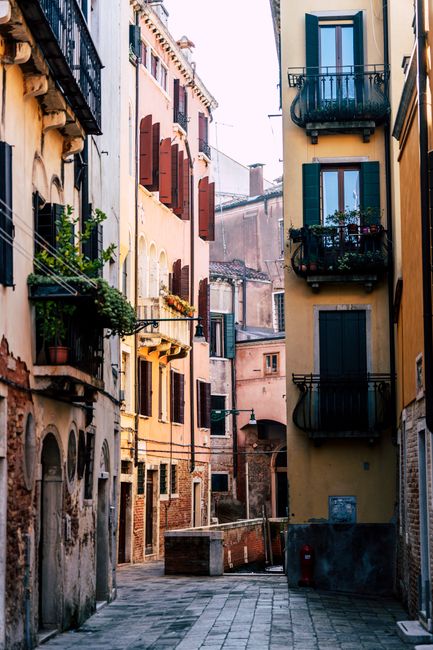
Cannaregio District
Venice's largest residential district, less touristy than areas near St. Mark's. Cannaregio features the Venice Ghetto, the first Jewish ghetto in Europe established in 1516. Explore tall, narrow buildings (up to 7 stories) where families lived in cramped quarters, now housing museums and kosher restaurants. The district contains authentic markets, local bars, and residential canals. Free to explore; Ghetto Museum entry €8 (closed Saturdays). Allow 2–3 hours wandering and dining.
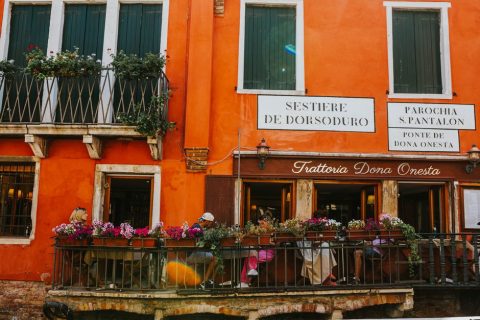
Dorsoduro District
South-facing district with a bohemian, artsy vibe. Home to the Accademia Gallery, Peggy Guggenheim Collection, and numerous small galleries and studios. The Zattere waterfront promenade stretches 1 km along the Giudecca Canal with unobstructed views and gelato shops. Campo Santa Margherita is a lively square with bars, cafés, and students. Quieter and more authentic than San Marco. Free to explore; plan 3–4 hours including museums and waterfront strolls.
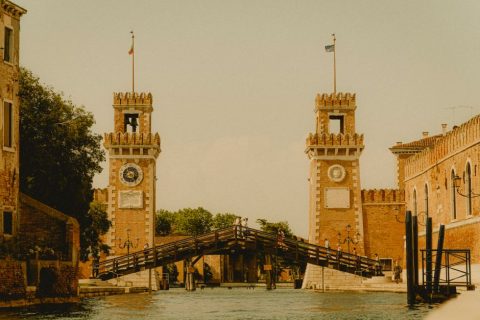
Castello District & Arsenal
Venice's easternmost, most residential neighborhood. The Venetian Arsenal, built in the 12th century, was the world's first naval shipyard and industrial complex. Though less accessible than other sites, the outer walls remain impressive. Castello features the church of San Pietro di Castello, for centuries Venice's cathedral. The neighborhood has fewer tourists and authentic local life. Free to explore exterior areas; plan 2–3 hours.
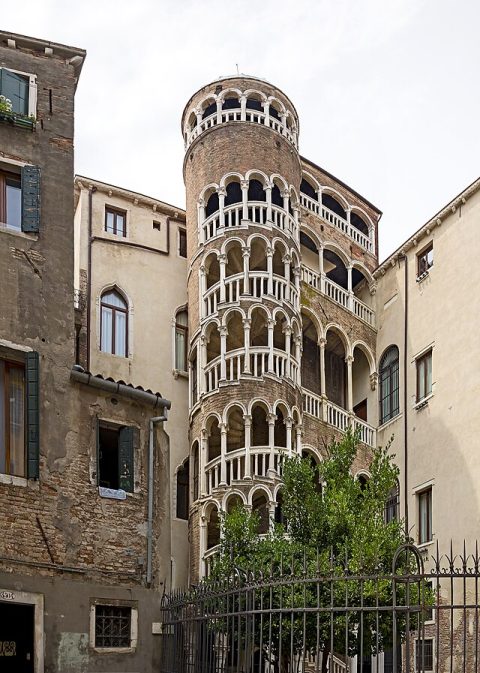
Palazzo Contarini del Bovolo
Hidden Renaissance palace containing a stunning spiral staircase "Bovolo" (snail in Venetian dialect) with perfectly proportioned loggia wrapping around its exterior. Built in 1499, the staircase is a masterpiece of geometric perfection. Open Tue–Sun 10 AM–6 PM (closed Mondays). €5 admission. Located in a narrow calle off the main tourist routes. Takes 30 minutes; best for architecture enthusiasts.
Tips for Neighborhoods & Districts
- Avoid main streets (Calle Larga and Salizada); explore small calle (narrow streets) for authentic Venice
- Get lost intentionally; Venice's greatest discoveries come from random wandering
- Neighborhoods have distinct characters: pick 1–2 beyond San Marco for deep exploration
- Many small neighborhoods lack tourist services; bring water and snacks