Kaunas is a cultural treasure trove with over 40 museums ranging from world-class art galleries to quirky specialized collections. As Lithuania's temporary capital from 1920-1940, the city accumulated impressive national collections that rival even Vilnius.
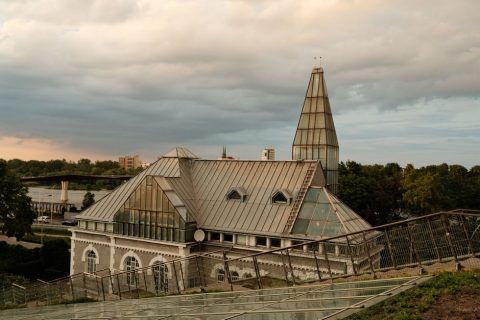
M.K. Čiurlionis National Art Museum
The largest and most prestigious art museum in Lithuania, established in 1921. This UNESCO-listed modernist building houses over 355,000 items including the largest collection of works by Lithuania's most famous artist Mikalojus Konstantinas Čiurlionis - a symbolist painter and composer. The museum features 600 years of Lithuanian art history, folk art, and international collections. A Music Hall allows visitors to listen to Čiurlionis' compositions. Check the museum's site for free-entry days.
Devils' Museum (Žmuidzinavičius Museum)
One of the world's most unique museums, housing over 3,000 devil sculptures, carvings, and artifacts from around the globe. The collection was started by artist Antanas Žmuidzinavičius and includes devil representations from folk art, religious contexts, and modern interpretations. The museum also features the artist's beautifully preserved studio with stunning curved windows showcasing Kaunas modernist architecture. A truly one-of-a-kind experience that's both educational and entertaining.
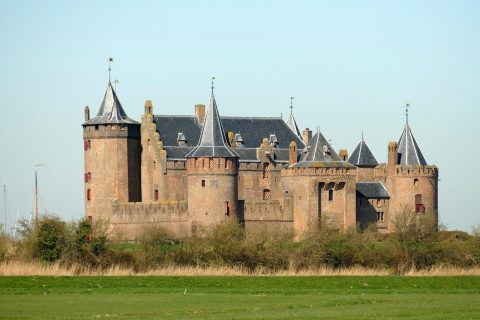
Ninth Fort Museum
A profoundly moving historical site that serves as both a museum and memorial. This former military fortress became a Soviet prison and later a Nazi execution site where 50,000 people, primarily Jews, were murdered during WWII. The museum tells the intertwined stories of WWI, Soviet occupation, and the Holocaust through thoughtfully curated exhibits. The massive brutalist memorial monument outside is a powerful reminder of the atrocities. Located on the outskirts of Kaunas, this is an essential visit for understanding Lithuania's tragic 20th-century history.
Sugihara House (Chiune Sugihara Memorial Museum)
An inspiring museum dedicated to Japanese diplomat Chiune Sugihara, who served as consul in Kaunas from 1939-1940. Despite orders from Tokyo, Sugihara issued thousands of transit visas to Jewish refugees fleeing the Nazis, saving approximately 6,000 lives. The museum, located in his former consulate, tells this remarkable story of courage and humanity. Visitors from around the world, including Japan, come to honor this "Japanese Schindler."
Kaunas Picture Gallery
A vibrant contemporary art space featuring modern Lithuanian and international art, including the George Maciunas (Fluxus) room with works by Maciunas, Jonas Mekas, and other Fluxus movement artists. The gallery hosts rotating exhibitions, educational programs, and community events. The ground floor includes a hipster café perfect for post-gallery discussions about conceptual art.
Lithuanian Aviation Museum
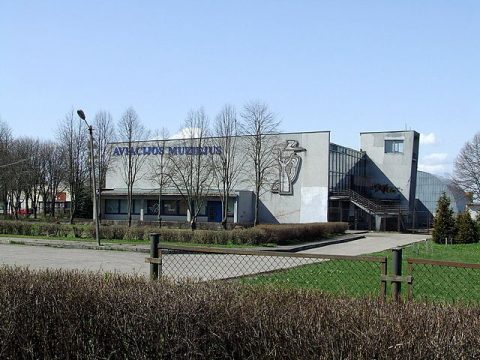
Home to a fascinating collection of actual aircraft including a copy of the legendary "Lituanica" plane, plus memorabilia documenting Lithuanian aviation history through photographs and artifacts. The museum features planes, helicopters, and a particularly interesting plane wreck display. Perfect for aviation enthusiasts and families. The exhibition includes well-preserved uniforms, weaponry, and a 1919 Dodge car in wonderful condition.
Historical Presidential Palace
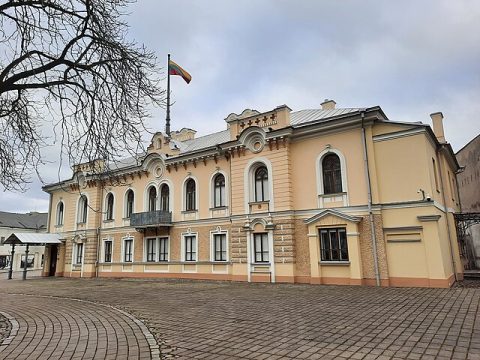
This elegant building served as the official residence of Lithuanian presidents from 1919-1940 when Kaunas was the temporary capital. Today it's a museum preserving local heritage through engaging exhibits about interwar lifestyle. The surrounding garden features monuments to all three interwar presidents. The beautiful neo-baroque architecture and sculpture garden make it one of Kaunas' most photogenic locations.
Museum of Medicine and Pharmacy
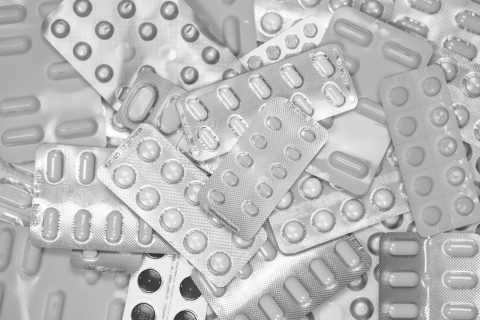
An enormous two-floor museum tracing the medical and pharmaceutical history of Lithuania through authentic artifacts including two complete historic apothecary shops. The collection provides fascinating insights into the evolution of healthcare practices in the Baltic region. Particularly interesting for those curious about the history of medicine and traditional pharmacy practices.
Tips for Museums & Galleries
- Free-entry days: Some state-owned museums have free days; check each museum's site
- Combined tickets: Ask the Čiurlionis Museum and the Picture Gallery about combined tickets
- Book in Advance: Some specialty museums require reservations
- Audio Guides: Many museums offer audio guides - highly recommended for the Ninth Fort
- Allow Extra Time: The Ninth Fort and M.K. Čiurlionis Museum deserve at least 2-3 hours each