Kaunas' diverse neighborhoods tell the story of Lithuania's evolution from medieval trading hub to modern European city. The pedestrian-friendly layout makes exploring on foot both easy and rewarding.
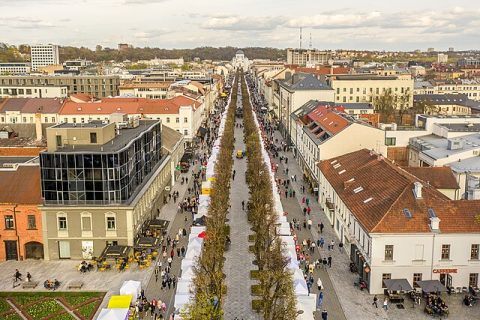
Laisvės Alėja (Liberty Avenue)
The longest pedestrian boulevard in Eastern Europe (1.7 km), serving as Kaunas' vibrant main artery. This tree-lined avenue connects the Old Town with the New Town, featuring Art Deco and modernist architecture, sidewalk cafés, restaurants, shops, and street performers. Perfect for leisurely strolls, people-watching, and soaking in local life. During winter, thousands of lights transform it into a magical Christmas wonderland. The avenue showcases the best of interwar Kaunas architecture.
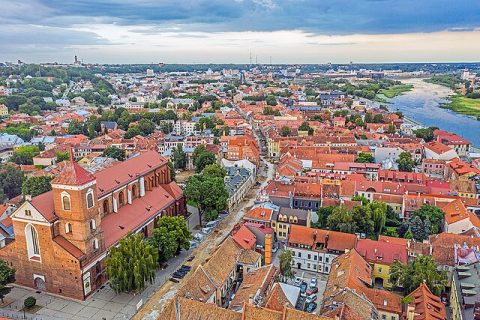
Kaunas Old Town (Senamiestis)
The historic heart of Kaunas, beautifully restored to its medieval glory. This compact area features cobblestone streets, colorful merchant houses, Gothic churches, and charming courtyards. Key sites include Town Hall Square, Vilniaus Street (the main artery), Kaunas Castle, and numerous historic buildings. The Old Town comes alive during summer with outdoor cafés, street musicians, and cultural events. Easily walkable, with everything within close proximity.
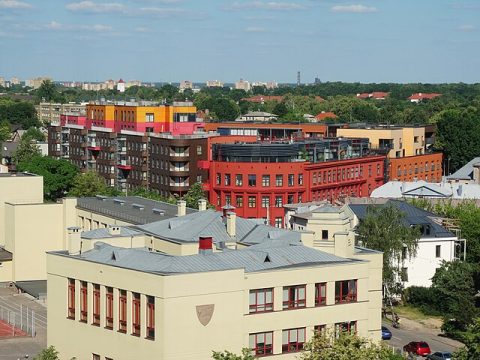
Žaliakalnis (Green Hill)
An elegant residential neighborhood famous for its interwar modernist architecture and steep streets. Home to the historic funicular railway (one of the oldest in Europe, dating to 1931), the Church of the Resurrection, and beautiful Art Deco buildings. The area offers excellent views over the city and showcases Kaunas' status as a UNESCO modernist architecture site. Great for architecture photography and experiencing local residential life.
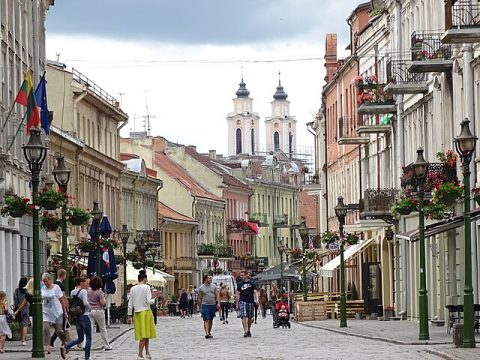
Vilniaus Street
The main cobblestone street cutting through the Old Town, lined with colorful historic buildings, cafés, shops, and restaurants. This atmospheric pedestrian street connects the castle area with Town Hall Square. During nice weather, outdoor tables fill the sidewalks creating a lively European atmosphere. The street features several historic landmarks including churches and merchant houses, making it perfect for a historic walking tour.
New Town (Naujamiestis)
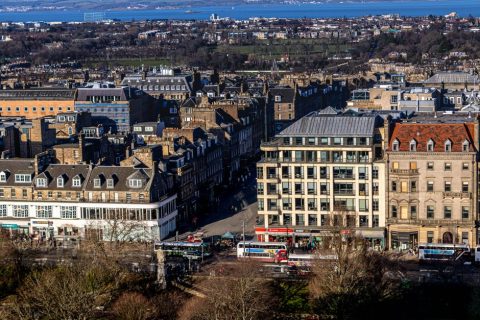
The area developed during the interwar period (1920-1940) when Kaunas served as Lithuania's capital. This neighborhood showcases exceptional functionalist and Art Deco architecture, now recognized as a UNESCO World Heritage Site. Major attractions include the M.K. Čiurlionis Museum, Vytautas the Great War Museum, and numerous modernist buildings. The area represents a unique period of Lithuanian optimism and architectural innovation.
Tips for Neighborhoods & Districts
- Walking Tour: Join a free walking tour to learn the history and hidden stories of Kaunas
- Best Route: Start at Kaunas Castle, walk through Old Town to Laisvės Alėja, end at New Town museums
- Street Art: Download the street art map from the visitor center to find the best murals
- Evening Stroll: Laisvės Alėja is magical after 4 PM when lights come on
- Funicular Ride: Take the historic Žaliakalnis funicular for unique city views