Each neighborhood in Kuala Lumpur offers distinct cultural flavors, from the historic trading quarters to modern upscale districts. Exploring these areas reveals the city's multicultural soul.
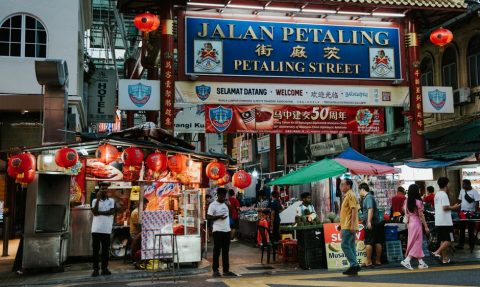
Chinatown (Petaling Street)
KL's vibrant Chinatown centers on Petaling Street's bustling markets selling everything from clothes and accessories to souvenirs and electronics. The covered market becomes particularly lively in evenings when vendors hawk goods and bargaining is expected. Surrounding streets feature traditional Chinese shops, medicine halls, temples, and authentic restaurants. Notable sites include Sri Mahamariamman Temple, Chan She Shu Yuen Clan House, and Sin Sze Si Ya Temple. The area's shophouses showcase beautiful architecture. Try local favorites like dim sum, Hokkien mee, and Petaling Street's famous roast duck.
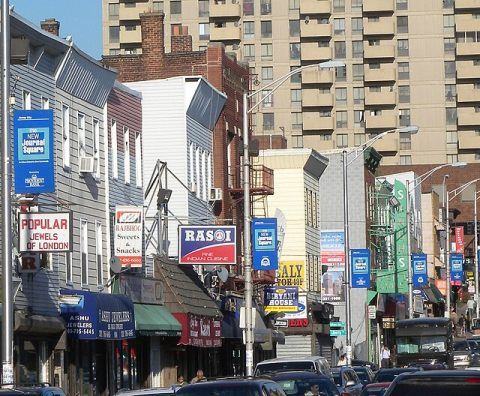
Little India (Brickfields)
This colorful neighborhood explodes with Indian culture, cuisine, and commerce. Jalan Tun Sambanthan and surrounding streets overflow with sari shops, jewelry stores, spice markets, Indian restaurants, and banana leaf rice eateries. The aromas of incense, spices, and fresh jasmine fill the air. Buddhist and Hindu temples dot the area, including Vivekananda Ashram. During Deepavali, the neighborhood transforms with decorative lights and celebrations. Shop for authentic Indian textiles, gold jewelry, Bollywood music, and Ayurvedic products. The area is also KL's bargain district for electronics and phone accessories.
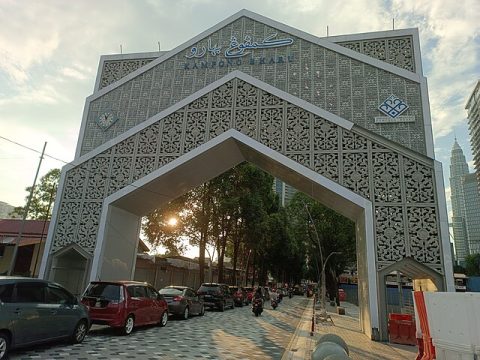
Kampung Baru
This traditional Malay village preserved within modern KL offers glimpses into old Malaysia with wooden houses, gardens, and kampung (village) lifestyle. Established in 1899, it maintains its character despite being surrounded by skyscrapers. The neighborhood is famous for its Saturday night food market serving authentic Malay street food nasi lemak, satay, roti john, and kuih. During Ramadan, the night market becomes a spectacular bazaar. The architecture features traditional stilted houses with ornate carvings. It's an authentic cultural experience showing Malaysia before modernization.
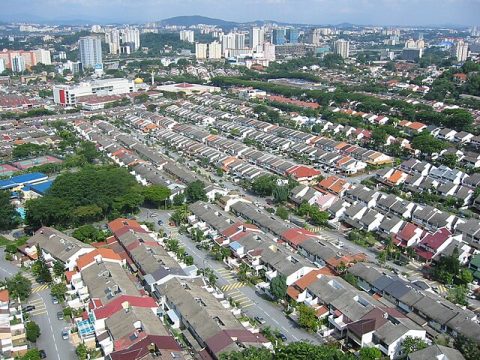
Bangsar
This upscale residential area has evolved into KL's trendy dining and nightlife hub. Bangsar Village shopping center and Telawi Street feature international restaurants, cafes, wine bars, and boutiques catering to expatriates and affluent locals. The neighborhood offers diverse cuisine from Mediterranean to Japanese fusion, craft beer bars, and sophisticated lounges. Weekend brunch culture thrives here. Bangsar South has become a modern business district. The area provides a cosmopolitan alternative to more touristy districts, with better quality dining at higher prices.
Tips for Neighborhoods & Districts
- Bargaining: Expected in Chinatown markets; start at 50-60% of asking price
- Cash preferred: Many small vendors don't accept cards
- Evening visits: Neighborhoods like Kampung Baru best experienced during night markets
- Dress conservatively: In traditional Malay areas, respect local customs