Cape Town's most iconic structures and historical monuments that define the city's skyline and heritage.
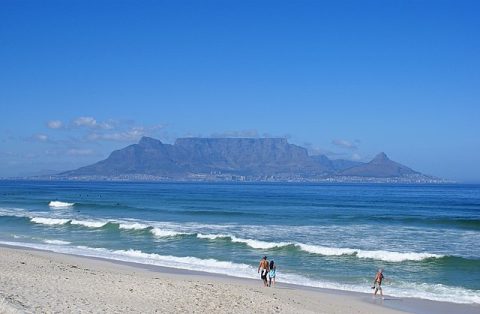
Table Mountain
The most recognizable landmark in South Africa, this flat-topped mountain offers breathtaking 360-degree views of Cape Town, the surrounding beaches, and the Atlantic Ocean. Accessible via a rotating cable car or hiking trails of varying difficulty. The summit features a rotating restaurant and visitor facilities.
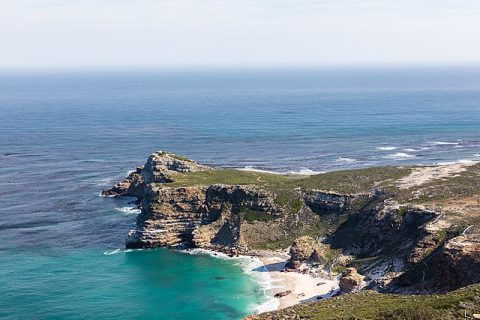
Cape Point Nature Reserve
A dramatic promontory The oceans officially meet at Cape Agulhas; Cape Point is at the junction of the Benguela and Agulhas currents. (not the actual Cape of Good Hope as commonly believed). This scenic reserve encompasses 7,750 hectares of pristine coastline with hiking trails, panoramic viewpoints, and diverse flora. Home to Cape mountain zebras, baboons, and endemic plant species. Two viewpoints offer stunning vistas—one a short funicular ride away, the other via a challenging 1.3km hike.
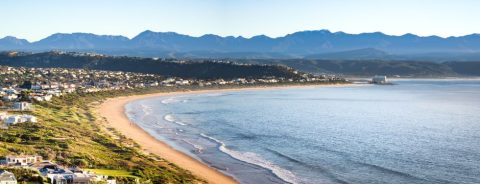
Groote Schuur Estate
A historic 7,300-hectare estate featuring manicured gardens, archaeological sites, and heritage structures. Originally established in 1657, Kirstenbosch National Botanical Garden is a separate SANBI site on Table Mountain’s eastern slopes, not part of Groote Schuur Estate. (site of the world's first successful heart transplant in 1967), , and peaceful walking trails through native Cape flora and fynbos vegetation.
Tips for Landmarks & Monuments
- Book cable car tickets online to skip queues during peak season (December-February)
- Table Mountain closes if winds exceed 63 km/h—check conditions before visiting
- Best light for photography at Table Mountain is late afternoon golden hour
- Combine Table Mountain with nearby Kirstenbosch Botanical Garden in one day trip