Plan your trip to Bilbao
- How long
- 2 days in the city, plus a day trip to San Juan de Gaztelugatxe, Gernika or San Sebastián.
- Best for
- Art, architecture and pintxos lovers: the Guggenheim, the Casco Viejo's bars and the green hills around the city.
- Skip it if
- You want beaches and big nightlife: Bilbao is compact, and the coast is 30 minutes away.
If you only do three things
- The Guggenheim Museum Bilbao (book ahead).
- Casco Viejo and a pintxo crawl.
- The Artxanda funicular for the view, or a coastal day trip.
A one-day route
- Morning: The Guggenheim and the riverside walk.
- Midday: Lunch at Mercado de la Ribera.
- Afternoon: The Fine Arts Museum or Doña Casilda Park.
- Evening: Pintxos in the Casco Viejo and Plaza Nueva.
Before you go
- Bilbao Airport is about 12 km north; the airport bus and taxis run to the center; check current fares.
- Book the Guggenheim online in peak season.
- San Juan de Gaztelugatxe requires a reservation to enter; book ahead.
- Check museum free-entry days and opening hours on each site.
Prices, opening status and transport in this plan checked against official sources on 30 September 2026.
Things to do in Bilbao
Bilbao's architectural landscape tells the story of its transformation from industrial port to cultural powerhouse, featuring iconic contemporary structures alongside historic treasures.
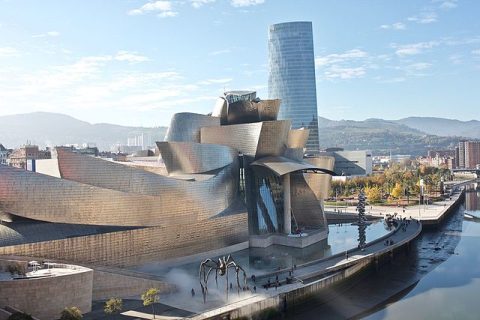
Guggenheim Museum Bilbao
Frank Gehry's titanium-clad masterpiece is an architectural icon that revolutionized Bilbao. The building's flowing, organic forms shimmer along the riverbank, creating a stunning interplay of light and reflection. Beyond its extraordinary exterior, the museum houses world-class contemporary and modern art exhibitions. The Puppy sculpture by Jeff Koons at the entrance has become a beloved symbol. The museum's impact was so profound it coined the term 'Bilbao Effect' for urban regeneration through culture and architecture.
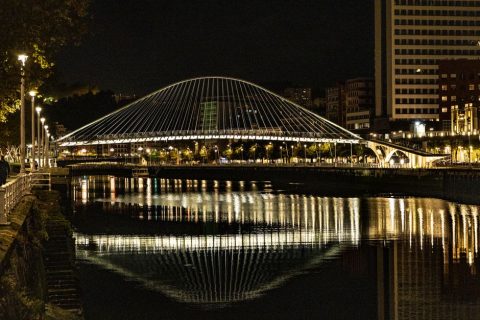
Zubizuri Bridge
Santiago Calatrava's elegant white footbridge spans the Nervión River with its distinctive arched design. The name means 'white bridge' in Basque, and its curved walkway and translucent glass floor panels create a unique crossing experience. Completed in 1997, it symbolizes Bilbao's modern transformation. The bridge offers excellent photo opportunities and connects the old town with modern districts. Its graceful, asymmetrical form has become an iconic element of Bilbao's skyline.
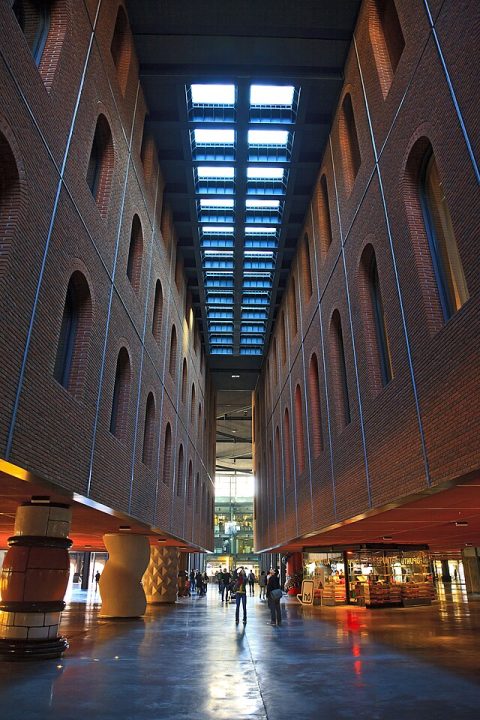
Azkuna Zentroa
This cultural center, designed by Philippe Starck, is housed in a converted wine warehouse from 1909. The interior features 43 distinctive columns, each with unique designs by artists and designers. The glass floor atop these columns creates a dramatic multi-level space. The center hosts exhibitions, cinema, fitness facilities, and a stunning rooftop terrace with city views. It's a perfect example of Bilbao's ability to repurpose industrial heritage into vibrant cultural spaces.
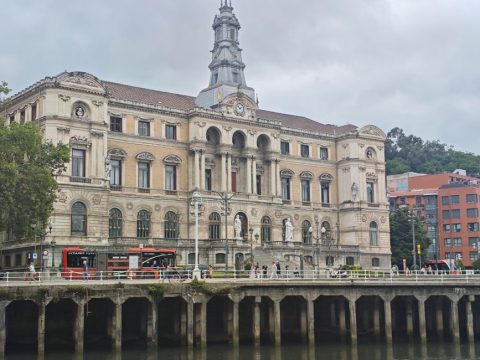
Arriaga Theatre
This Neo-Baroque theatre from 1890 is Bilbao's premier performing arts venue. Named after composer Juan Crisóstomo de Arriaga, the 'Spanish Mozart', its ornate façade features sculptures and elaborate decorations. The interior boasts luxurious red velvet, gold leaf, and beautiful frescoes. It hosts opera, ballet, theatre, and concerts throughout the year. Located near the Old Quarter, it represents Bilbao's cultural sophistication during the Belle Époque era.
Tips for Landmarks & Monuments
- Book Guggenheim tickets online to skip queues, especially during peak season
- Visit the Guggenheim on weekday mornings for fewer crowds
- Walk across Zubizuri at sunset for stunning river reflections
- Azkuna Zentroa offers free entry to its public spaces and rooftop terrace
Beyond the Guggenheim, Bilbao offers diverse museums celebrating Basque culture, fine arts, maritime heritage, and contemporary creativity.
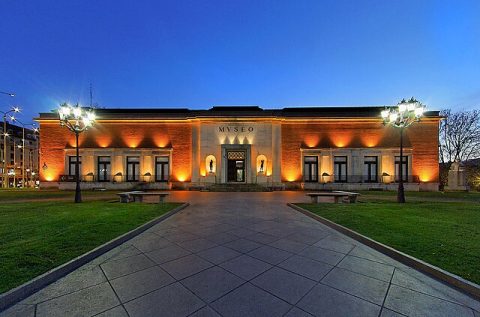
Bilbao Fine Arts Museum
One of Spain's most important art museums, featuring over 10,000 works spanning from the 12th century to contemporary art. The collection includes masterpieces by El Greco, Goya, Velázquez, and Zurbarán, alongside Basque artists. Modern galleries showcase works by Francis Bacon, Antoni Tàpies, and Eduardo Chillida. The museum's beautiful building sits in Doña Casilda Park. Its comprehensive collection offers an excellent complement to the Guggenheim's contemporary focus, providing art historical context from medieval to modern times.
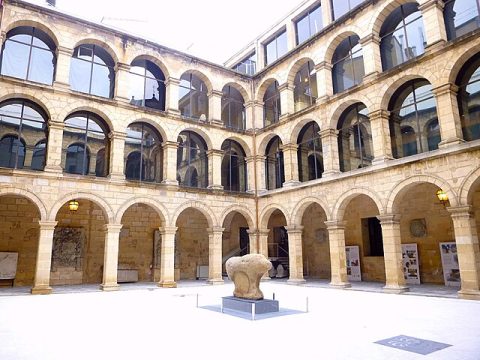
Basque Museum
Located in the Old Quarter, this museum offers a comprehensive exploration of Basque culture and history. Exhibits cover traditional crafts, maritime activities, rural life, religious artifacts, and the unique Basque language. The ethnographic collection includes traditional clothing, fishing equipment, and household items. Archaeological finds trace the region's ancient inhabitants. Interactive displays explain Basque traditions, festivals, and social customs. It's essential for understanding the distinct cultural identity that defines this region.
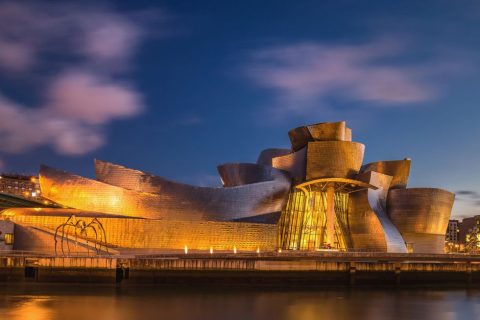
Maritime Museum
Celebrating Bilbao's relationship with the sea and the Nervión River, this indoor-outdoor museum explores shipbuilding, port operations, and maritime trade. Located on the former Euskalduna shipyard, exhibits include historic vessels, navigation instruments, and dockyard machinery. The outdoor area features cranes and industrial equipment. Interactive displays explain how the port transformed Bilbao into an industrial powerhouse. The museum beautifully contextualizes the city's evolution from fishing village to major European port.
Tips for Museums & Galleries
- The Fine Arts Museum offers After reopening, free collection visits are scheduled for Tuesdays; 6–13 October is an opening period with free admission.
- Consider a museum pass if visiting multiple venues
- Audio guides enhance the experience at most museums
- The Basque Museum provides excellent context before exploring the Old Quarter
Bilbao's religious architecture reflects centuries of devotion, from Gothic cathedrals to baroque churches, each telling stories of faith and community.
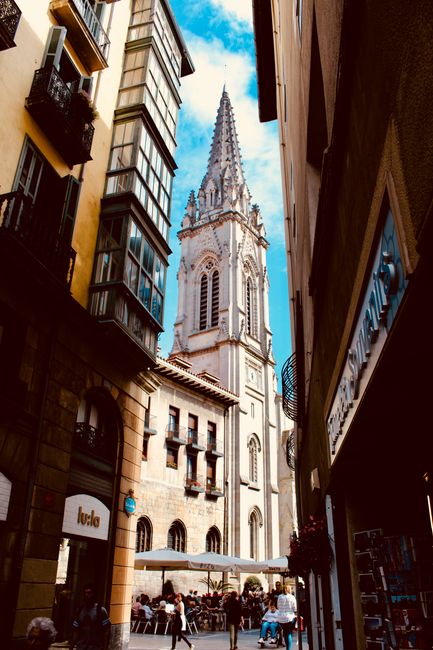
Santiago Cathedral
Bilbao's Gothic cathedral, dating from the 14th century, is dedicated to Saint James the Apostle. Located in the Casco Viejo (Old Quarter), it features a beautiful façade, elegant cloister, and serene interior. The cathedral sits on the Camino de Santiago pilgrimage route. Its slender tower and Gothic arches showcase medieval craftsmanship. Inside, admire the Renaissance altarpiece and chapels with religious art. The peaceful cloister offers a tranquil escape from the bustling streets outside.
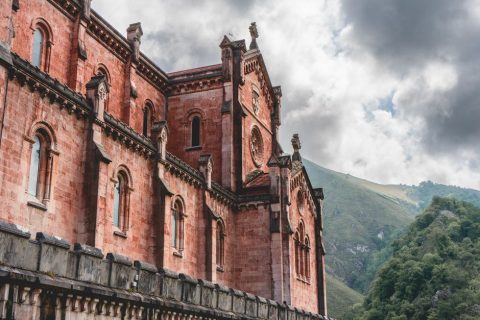
Basílica de Begoña
Perched on a hill overlooking Bilbao, this 16th-century basilica is dedicated to the Virgin of Begoña, the city's patron saint. The Gothic structure features a striking tower and beautiful interior with a revered image of the Virgin. Pilgrims climb the stairs or take the elevator to reach this spiritual landmark. The basilica offers panoramic views of Bilbao and the surrounding mountains. It's an important pilgrimage site and hosts the annual Feast of Begoña celebrations in August.
Tips for Religious Sites
- Dress modestly when visiting religious sites
- Santiago Cathedral is best visited in the morning for peaceful reflection
- The walk to Begoña Basilica is steep; consider taking the Begoña funicular nearby
- Santiago Cathedral’s general tourist ticket costs €10 and includes San Antón; specified visitors qualify for free admission.
Bilbao's plazas and streets pulse with life, from the historic Casco Viejo's narrow lanes to grand avenues lined with Belle Époque architecture.
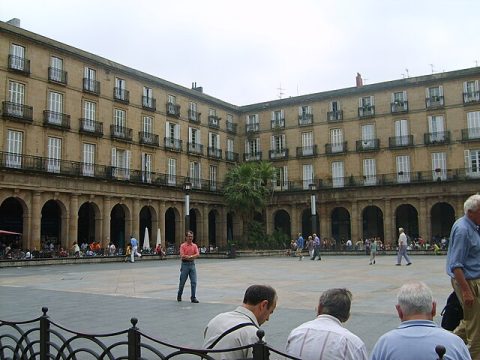
Plaza Nueva
This neoclassical arcaded square in the Old Quarter is the heart of Bilbao's social life. Construction culminated in its inauguration in 1851, its symmetrical porticos house traditional pintxo bars, restaurants, and shops. The square hosts the Sunday flea market where vendors sell antiques, books, and collectibles. It's the perfect place to experience txikiteo (bar-hopping for pintxos). The elegant architecture creates an intimate atmosphere, especially lively on weekends. Street musicians and festive crowds make it Bilbao's most vibrant gathering spot.
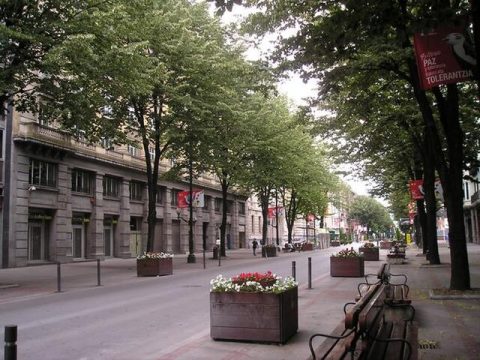
Gran Vía de Don Diego López de Haro
Bilbao's main boulevard and upscale shopping street, stretching from Plaza Circular to Plaza Sagrado Corazón. Lined with Belle Époque buildings, international boutiques, banks, and cafés, it showcases the city's commercial elegance. The wide sidewalks are perfect for strolling past elegant architecture. High-end fashion brands, department stores like El Corte Inglés, and local shops cater to all tastes. The avenue connects several important plazas and serves as the modern city's backbone.
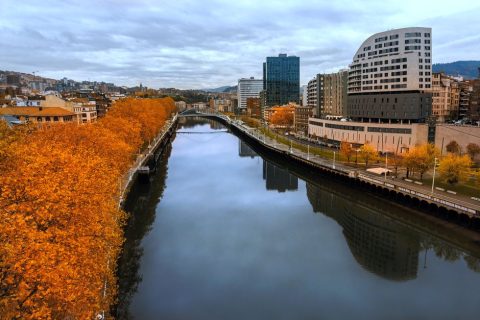
Calle Ledesma & Jardines de Albia
An elegant pedestrian street connecting the Old Quarter with the Ensanche (expansion district). Jardines de Albia, at its end, is a charming Victorian-era garden square surrounded by cafés and the Café Boulevard, a historic meeting place for intellectuals and artists. The gardens offer benches under plane trees, perfect for a rest. The area represents Bilbao's 19th-century expansion and retains its Belle Époque charm with ornate buildings and refined atmosphere.
Tips for Squares & Streets
- Visit Plaza Nueva on Sunday morning for the atmospheric flea market
- Thursday evenings in Plaza Nueva are particularly lively for pintxo-hopping
- Gran Vía is best explored on foot, starting from Plaza Moyúa
- Stop at a terrace café in Jardines de Albia for people-watching
Each of Bilbao's districts has its own character, from the medieval Casco Viejo to the modern Abandoibarra riverfront and bohemian Bilbao La Vieja.
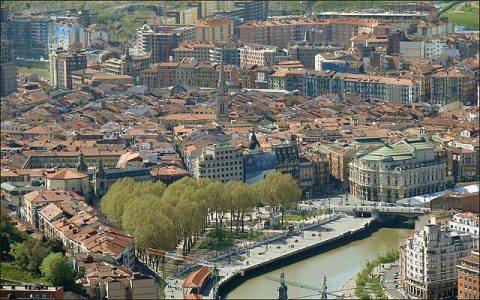
Casco Viejo (Old Quarter)
The Seven Streets (Siete Calles) form Bilbao's medieval heart, a labyrinth of narrow lanes filled with pintxo bars, traditional shops, and historic buildings. This atmospheric district dates to the 14th century and preserves authentic Basque character. Discover hidden plazas, artisan workshops, and centuries-old churches. The area is packed with local life, street vendors, and markets. By day, explore shops and monuments; by night, join locals bar-hopping. It's the soul of Bilbao, where tradition thrives amidst modernity.
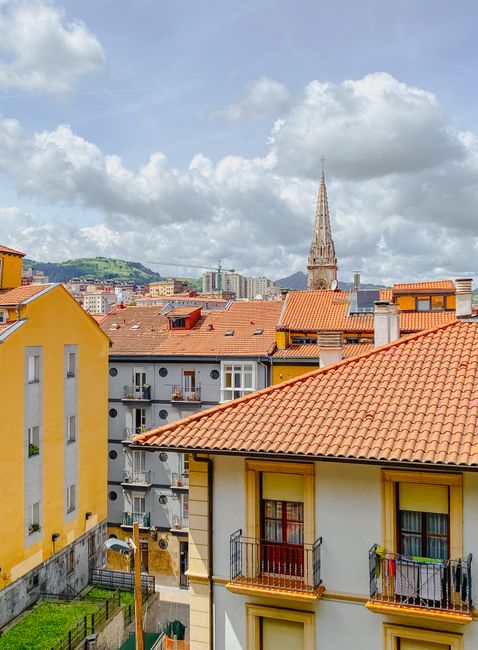
Abandoibarra
This revitalized riverfront district symbolizes Bilbao's transformation. Once industrial docklands, it now hosts the Guggenheim Museum, modern offices, luxury residences, and cultural venues. The riverside promenade offers pleasant walks with public art installations. Contemporary architecture contrasts with the river and mountains beyond. The area includes parks, bridges, and the Euskalduna Conference Centre. It's a showcase of urban regeneration, demonstrating how Bilbao reimagined its waterfront into a world-class cultural quarter.
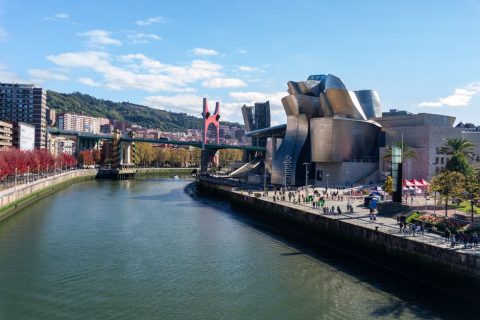
Bilbao La Vieja
The city's multicultural, bohemian neighborhood across the river from the Old Quarter. Once working-class and industrial, it's now a vibrant area with street art, alternative culture, ethnic restaurants, and independent shops. The neighborhood has an authentic, edgy character with immigrant communities adding diversity. Steep streets climb the hillside offering city views. It's becoming increasingly popular with artists and young professionals, creating a dynamic, evolving atmosphere distinct from tourist-focused areas.
Tips for Neighborhoods & Districts
- Get lost in the Casco Viejo's lanes that's part of the charm
- Walk the Abandoibarra promenade at sunset for beautiful light
- Bilbao La Vieja is safe but best visited during daytime
- Join a walking tour to understand each neighborhood's history and character
Green spaces provide peaceful retreats within the urban landscape, from riverside paths to hillside parks with panoramic vistas.
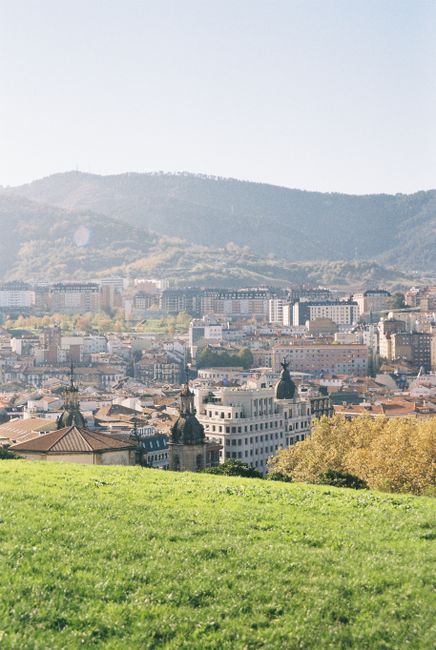
Artxanda Viewpoint & Park
Accessible by funicular, Mount Artxanda offers breathtaking 360-degree views of Bilbao, the valley, and surrounding peaks. The mountaintop features walking trails, picnic areas, and restaurants with terraces. The views are particularly stunning at sunset and at night when the city lights twinkle below. The funicular ride itself is charming, climbing steeply from the river. It's a must-visit for understanding Bilbao's dramatic geography and capturing memorable photographs of the entire cityscape.
Doña Casilda Iturrizar Park
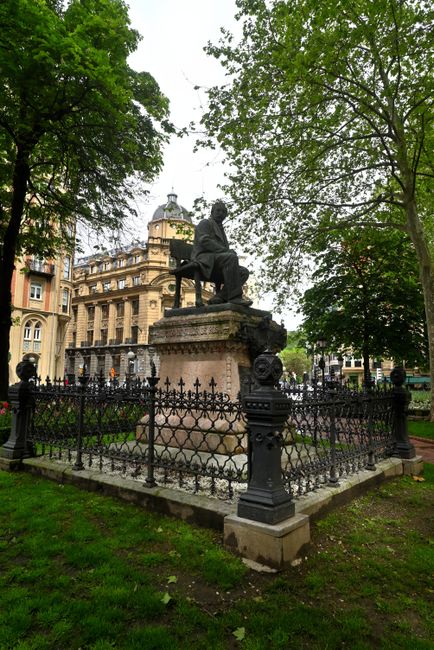
Bilbao's main urban park, A romantic-style park whose construction began in 1907. The 85,000-square-meter park offers shaded benches, playgrounds, and spacious lawns. It's home to the Fine Arts Museum and hosts outdoor concerts and events. The elaborate wrought-iron gates, ornamental bridges, and Belle Époque kiosks create an elegant atmosphere. Perfect for picnics, jogging, or peaceful strolls, it's a beloved green refuge in the city center.
Etxebarria Park
A hillside park Built on the former Echevarría steelworks site; its surviving chimney commemorates that industrial history, offering spectacular views over Bilbao and the surrounding mountains. The park features terraced gardens, walking paths, sports facilities, and children's play areas. Its elevated position makes it ideal for sunset photography. The green space includes native trees and landscaped areas. It's popular with locals for jogging and family outings. The panoramic vistas provide excellent orientation for understanding Bilbao's geography nestled in the valley.
Tips for Parks & Gardens
- Visit Artxanda at sunset for magical golden-hour photography
- The Artxanda funicular runs regularly and is inexpensive
- Doña Casilda Park is perfect for a rest between museum visits
- Bring a picnic to enjoy in any of these parks on sunny days
From pintxo tours to river cruises, guided experiences help visitors discover Bilbao's culture, cuisine, and hidden corners with expert insights.
Pintxo Food Tour
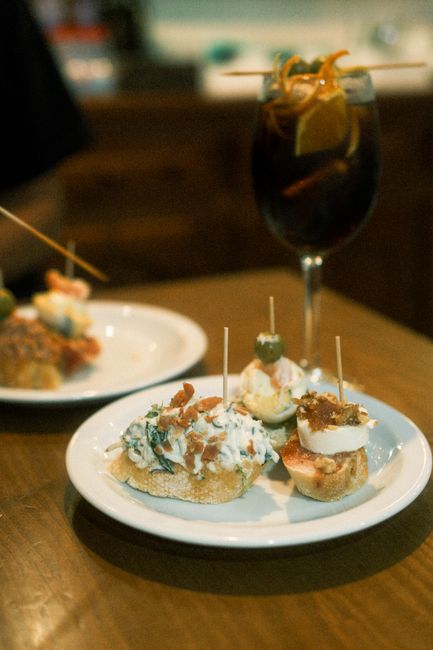
Experience Bilbao's legendary pintxo culture with a guided tour through the best bars. Sample creative miniature dishes paired with txakoli (local wine) or beer while learning about Basque culinary traditions. Expert guides explain regional ingredients, cooking techniques, and the social ritual of txikiteo (bar-hopping). Tours typically visit 4-6 bars in the Old Quarter or Ensanche, tasting 8-12 different pintxos. It's the perfect introduction to Basque gastronomy and local social customs in a fun, informal setting.
Basque Cooking Class
Learn to prepare traditional Basque dishes in hands-on cooking workshops. Classes cover classics like bacalao al pil pil (cod), marmitako (tuna stew), or pintxos. Professional chefs teach techniques using local ingredients, followed by enjoying your creations with wine. Many classes include market tours to select fresh produce. It's an immersive cultural experience that lets you take Basque flavors home. Classes accommodate all skill levels and often emphasize the social importance of food in Basque culture.
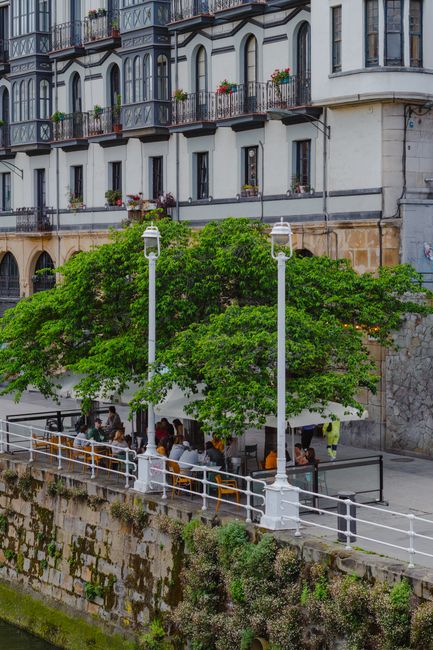
Bilbao Riverside Walk
A self-guided or organized walk along both banks of the Nervión River, showcasing Bilbao's transformation. The route connects major landmarks including the Guggenheim, Zubizuri Bridge, Ribera Market, and Maritime Museum. See how industrial heritage has been reimagined with modern architecture and public art. The promenade features sculptures, gardens, and interpretation panels. Walking the river offers perspective on the city's evolution from port to cultural destination. The flat, pleasant path is suitable for all ages and abilities.
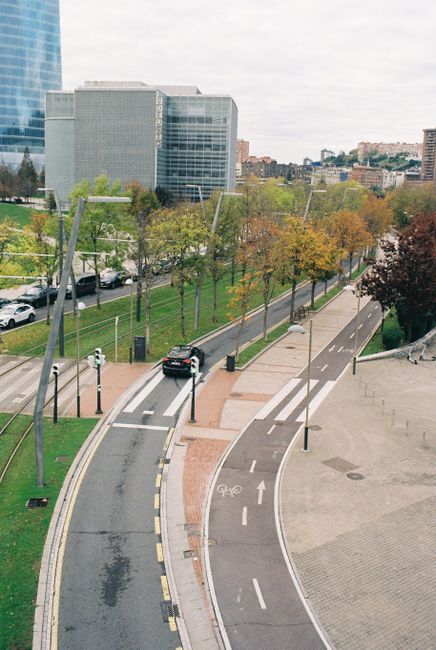
Bilbao Bike Tour
Explore Bilbao on two wheels with guided cycling tours covering major sights and hidden corners. Routes typically include the riverfront, Old Quarter, modern districts, and viewpoints. Electric bikes make hillier sections accessible. Guides share insights about architecture, history, and local life while stopping at key landmarks. Tours operate year-round and provide a fun, efficient way to cover significant ground. The city's growing bike infrastructure and relatively compact size make it ideal for cycling exploration.
Tips for Tours & Activities
- Book food tours in advance, especially during peak season
- Evening pintxo tours are more atmospheric than daytime ones
- Cooking classes make excellent souvenirs in the form of new skills
- Most tours offer small-group experiences for better interaction
Bilbao's location provides easy access to stunning coastal towns, medieval villages, and dramatic Basque landscapes within an hour's journey.
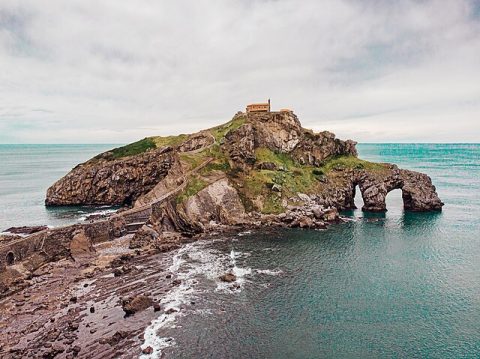
San Juan de Gaztelugatxe
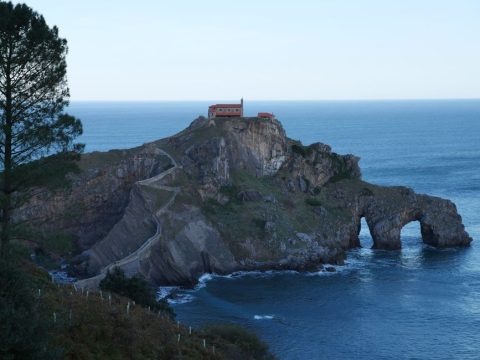
A breathtaking islet connected to the mainland by a dramatic stone bridge with 241 steps. The hermitage atop the rocky outcrop dates to the 10th century. The location gained fame as Dragonstone in Game of Thrones. The coastal views are spectacular, with waves crashing against cliffs. The challenging walk rewards visitors with stunning vistas and the island's mystical atmosphere. Ring the hermitage bell three times for good luck. Located about 35km from Bilbao, it's accessible by car or organized tour (A free reservation is required only on access-controlled dates; other dates allow entry without a ticket.).
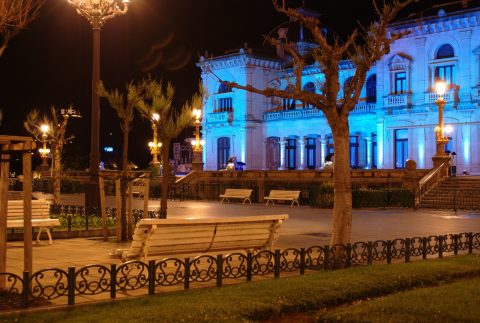
San Sebastián
An elegant coastal city renowned for La Concha Bay, one of Europe's most beautiful urban beaches. The Belle Époque architecture, world-class pintxo bars, and Michelin-starred restaurants make it a gastronomic capital. Stroll the seaside promenade, climb Monte Urgull for views, or relax on the beach. The Old Town buzzes with pintxo bars and traditional cider houses. Just one hour by bus from Bilbao, San Sebastián offers a perfect contrast of beach sophistication to Bilbao's industrial heritage.
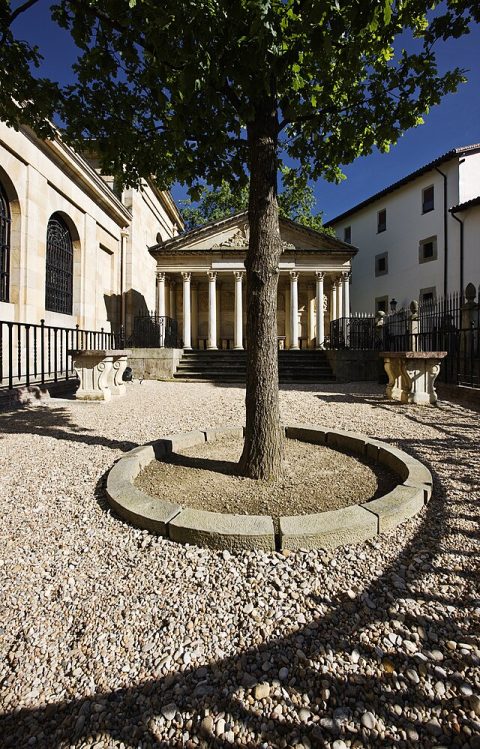
Gernika (Guernica)
A historic town immortalized by Picasso's anti-war masterpiece. Gernika’s Assembly House is the seat of Bizkaia’s General Assemblies, beside the symbolic oak, a symbol of Basque freedom. Visit the Peace Museum documenting the 1937 bombing and its aftermath. The Assembly House preserves Basque political traditions. Monday is market day, when farmers sell local produce. The town combines historical significance with insights into Basque identity and self-governance. It's about 30 minutes from Bilbao and offers a moving, educational experience.
Bermeo & Mundaka
Coastal fishing villages offering authentic Basque charm. Bermeo, the larger town, has a working port, colorful houses, and excellent seafood restaurants. Visit the fisherman's museum and harbor. Nearby Mundaka is world-famous for its left-hand surf break, attracting surfers globally. The medieval old town sits above the beach. Both villages showcase traditional Basque coastal life away from tourist crowds. They're about 40 minutes from Bilbao and can be combined in one trip for varied coastal experiences.
Vitoria-Gasteiz
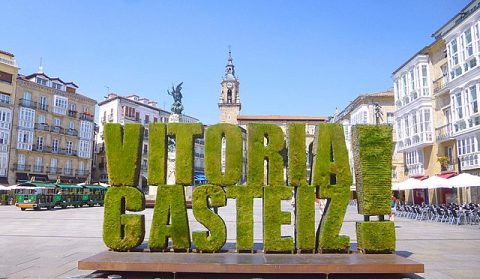
The Basque Country's capital, about an hour south of Bilbao, known for its well-preserved medieval old town and quality of life. The almond-shaped historic center features Gothic cathedral, Las Arquillos walkway, and charming plazas. Vitoria-Gasteiz was European Green Capital in 2012, surrounded by a green belt of parks. The ARTIUM Museum houses an excellent Basque and Spanish contemporary art collection. The city offers a more relaxed pace than Bilbao, with excellent tapas bars and local atmosphere. It's perfect for history and architecture enthusiasts.
Tips for Day Trips & Excursions
- San Juan de Gaztelugatxe requires advance booking reserve online weeks ahead in summer
- Combine San Sebastián with a beach day if visiting in summer
- Rent a car for flexibility visiting multiple coastal towns
- Public buses connect all these destinations affordably
- Gernika's Monday market is a cultural highlight worth timing your visit for
Bilbao does not run a German-style Christmas market, but its winter season centers on one unmissable tradition: the Feria de Santo Tomás, a giant one-day country fair that fills the old town with Basque farm produce, cider, and pork specialties every December 21st.
Alongside it, the city dresses its boulevards in lights, opens a temporary ice rink, and sets up smaller craft stalls near Plaza Moyúa and El Arenal through early January.
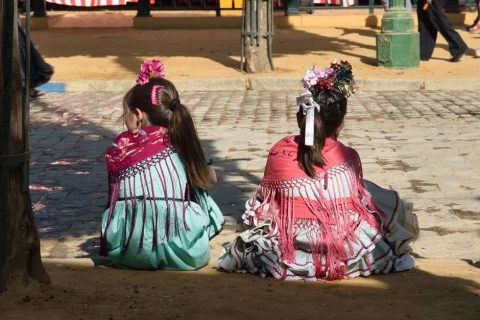
Feria de Santo Tomas
Held every December 21st, this is Bilbao's real winter market highlight, not a Christmas market in the German sense but a centuries-old agricultural fair that Basques treat as the unofficial start of the holidays. Streets around Plaza Nueva, El Arenal, and Casco Viejo fill with stalls selling txistorra sausage sandwiches, talo (corn flatbread) with chorizo, local cider, cheeses, honey, and handmade wool berets known as txapelas. Farmers bring produce and livestock displays, and the atmosphere is closer to a rural harvest fair transplanted into a big city. It draws huge crowds from across the Basque Country, so arrive early for food stalls. Expect the entire old town to be pedestrianized and packed for the day.
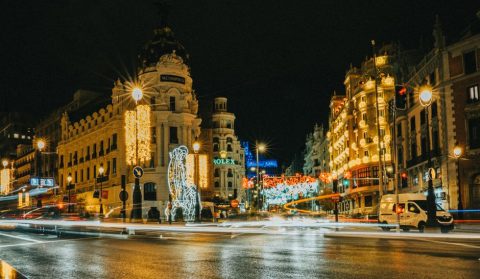
Gran Via Christmas Lights
Bilbao's main shopping boulevard, Gran Via, gets its holiday light display switched on in late November and left up through Epiphany on January 6, 2027. The illuminations extend into Plaza Circular, Plaza Moyua, and Alameda Recalde, turning the evening commute through the city center into an impromptu light walk. Department store windows along the route are dressed for the season, and the lighting ceremony itself draws families out for an evening stroll. It costs nothing to see and pairs naturally with dinner or shopping in the area. Best viewed after sunset, roughly 6 to 9 pm, when the display stands out against the dark.
Photographers favor the wide, tree-lined stretch near Plaza Moyua for symmetry shots.
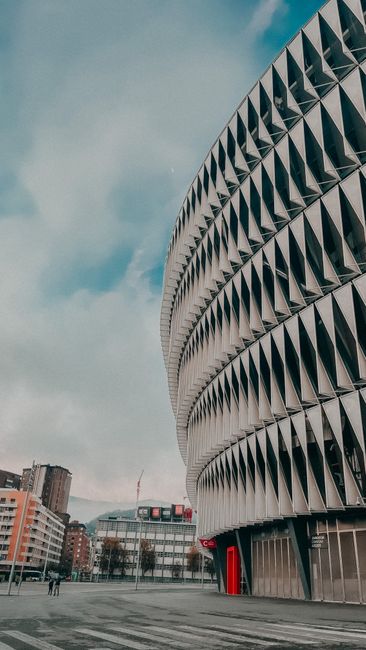
Bilbao Ice Rink
A seasonal outdoor ice skating rink is typically installed in a central plaza (recent years have used sites near Plaza Circular or Doña Casilda park) from early December through early January. Sessions run in timed slots and skate rental is included in the ticket price, making it an easy drop-in activity for families and couples. The rink is usually ringed with food kiosks selling roasted chestnuts, churros, and hot chocolate, giving it a festive feel even for visitors who skip skating. Session times and exact location can shift year to year, so check the Bilbao Turismo website closer to your visit for the confirmed 2026 site. Expect queues on weekends and school holidays.
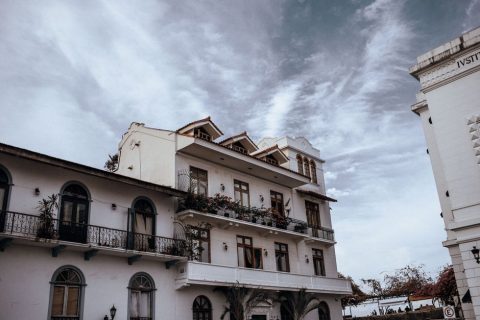
Casco Viejo Nativity Scene (Belen)
Bilbao's old town sets up a large traditional Belen, a nativity scene with detailed miniature figures and village scenery, in a public space in Casco Viejo each December. It is a low-key but genuinely local tradition, popular with families walking the Siete Calles after browsing the Santo Tomas fair or doing holiday shopping. Some years feature a living nativity with real animals on select weekends. Entry is free and it stays up from early December through early January, aligning with the wider Christmas season. It works well as a short stop combined with a wander through the old town's tapas bars. Check locally each year, as the exact plaza used can vary.
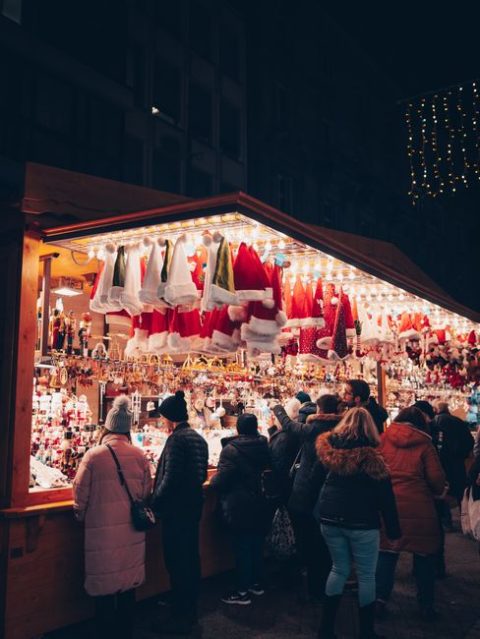
Plaza Moyua Christmas Stalls
Smaller craft and gift stalls cluster around Plaza Moyua and El Arenal through December, selling handmade ornaments, local sweets like pantxineta and intxaursaltsa, mulled wine, and roasted chestnuts. It is a modest, walkable complement to the bigger Santo Tomas fair rather than a destination in itself, best treated as a stop while exploring the Ensanche district or heading to the Gran Via lights. Stalls generally run daily into early evening, with weekends busier than weekdays. It is a good option for visitors who want a taste of the season without the crowds of the main fair. Combine it with a coffee stop at one of the surrounding cafes on the plaza.
Tips for Christmas Market
- The Feria de Santo Tomas on December 21 is Bilbao's true winter tradition, not a Christmas market, and it is the one event locals plan around
- Book restaurant tables in Casco Viejo well ahead for Santo Tomas day, as the whole district is packed by mid-morning
- Bring cash for food stalls at the fair, since many small vendors do not take cards
- Check Bilbao Turismo online closer to December 2026 for the exact ice rink location and Belen placement, as both shift slightly year to year
- Pair a visit to the Gran Via lights with dinner in the Ensanche district to make an evening of it
Bilbao rewards families beyond its famous museums, with a riverside setting made for boat rides, a legendary football club that opens its doors to young fans, and green spaces built for running around. These stops mix hands-on fun with fresh air, easy on tired little legs and short attention spans alike.
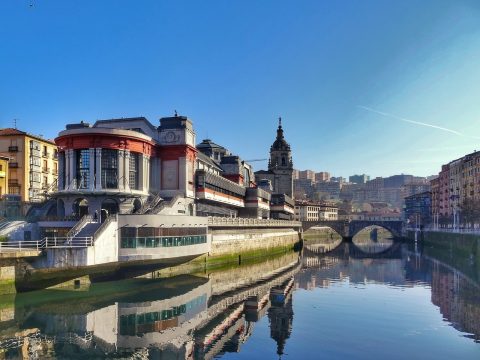
Bilboats River Cruise
A relaxed way to see the city from the water, this hour-long boat cruise glides along the Nervión River past the Guggenheim, the Iberdrola Tower and the old shipyards, with onboard commentary that keeps kids engaged without feeling like a lecture. Boats are covered and heated, so the trip works rain or shine, and there is plenty of open deck space for little ones to spot bridges and passing rowers. It is a gentle break from walking that still counts as sightseeing, and the gentle motion tends to calm even the fussiest toddlers. Departures run several times a day from the Town Hall dock, and tickets can usually be bought right before boarding in quieter seasons. For families juggling nap schedules, the shorter express route is an easy win, while older children enjoy the longer version that passes beneath more of the citys bridges.
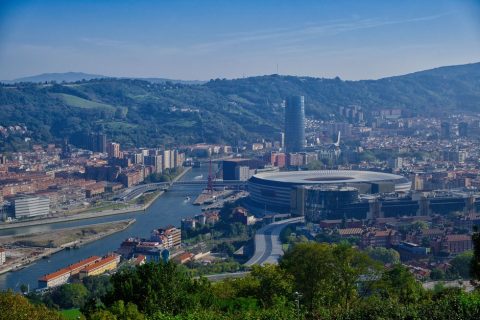
Athletic Club Museum at San Mamés Stadium
Football-mad kids get a backstage pass at this interactive club museum inside San Mamés, home to one of Spains oldest and most fiercely local teams. Displays cover more than a century of history through shirts, trophies and touchscreen exhibits, but the real draw is the stadium tour that lets visitors walk through the players tunnel, sit in the dugout and step onto the edge of the pitch itself. Even children with no interest in the sport tend to get swept up in the scale of the stands and the roar of archive match footage played on loop. The tour is self-paced with an audio guide available in several languages, so families can linger over favorite bits and skip past the rest. Combine it with a walk around the exterior for photos beneath the giant club crest, a fun stop before or after a match day.
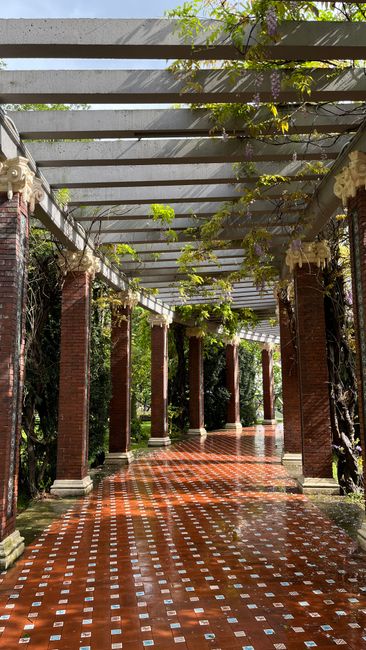
Jardín Botánico de Bilbao
Set on a hillside across the river, this botanical garden is one of the citys best-kept secrets for a low-key family afternoon. Winding paths climb through terraced plantings, ponds and a small stream, with plenty of shaded lawns for a picnic and room for kids to run without bothering other visitors. Signage explains local plant life in accessible terms, making it a painless dose of nature education tucked into a city break. The garden sits above Deusto and offers surprise views back toward the Guggenheim and the river, a nice reward for climbing the paths. It rarely gets crowded, which makes it a good decompression stop after a busy museum morning, and entry is free. Bring water and snacks, as options inside the park itself are limited.
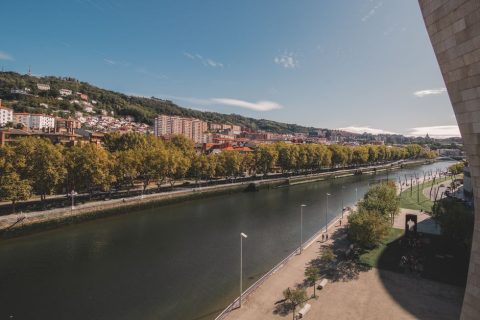
Campa de los Ingleses Playground & Riverside Green
A wide grassy stretch along the river near the university district, this spot combines a proper playground with slides and climbing structures with open lawn for ball games and scooters. Its flat, stroller-friendly paths make it an easy add-on to a riverside walk, and benches nearby give parents a chance to rest while children burn off energy. The park hosts occasional outdoor markets and events, so families might stumble onto extra entertainment depending on the day. Being close to the tram and several footbridges, it is a convenient midpoint stop when moving between the old town and the more modern riverside areas. Locals use it as a genuine neighborhood park rather than a tourist site, which makes for a relaxed, unhurried atmosphere. Weekday mornings are quietest if a peaceful visit is the goal.
Tips for With Kids
- Buy Bilboats tickets online in summer to skip the queue at the Town Hall dock.
- The San Mamés museum and tour take about 90 minutes total, so pair it with lunch nearby rather than rushing.
- Bring a picnic to the botanical garden since food options inside are minimal.
- Trams and the tranvía make it easy to hop between riverside parks without much walking for tired kids.
Bilbao keeps a lively calendar of festivals, concerts and civic celebrations that unfold across its riverside squares and historic Casco Viejo throughout the year. From boisterous street parties to quieter seasonal traditions, these recurring events give visitors a reason to time their trip around the citys rhythm. Below are the key dates to plan around in 2026.
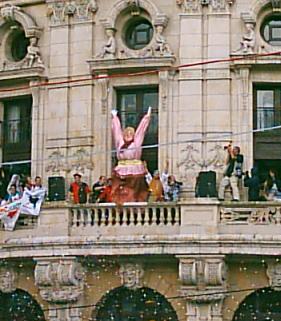
Aste Nagusia (Bilbao Big Week)
The undisputed highlight of Bilbaos calendar, Aste Nagusia transforms the entire city into a nine-day open-air party from 22 to 30 August 2026. Expect free concerts on outdoor stages, fireworks over the Ria de Bilbao each night, giant parade figures known as gigantes y cabezudos, txosnas (pop-up bars run by neighborhood groups) serving pintxos and cider, and daily events for children in Parque de Dona Casilda. The festival is inaugurated by the launch of Marijaia, a giant effigy who presides over the celebrations from Plaza Arriaga. Locals and visitors alike pack the Casco Viejo and Abandoibarra riverside each evening. Dress light, expect crowds, and pace yourself, this is a marathon of a festival, not a single-night event.
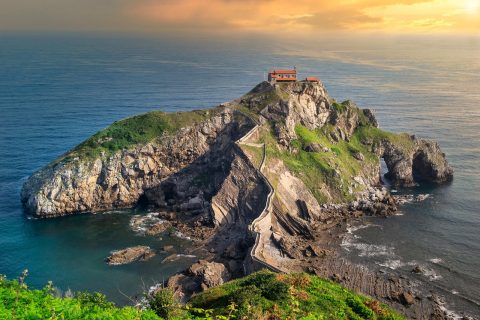
Bilbao BBK Live Festival
Held on the green hillside of Kobetamendi overlooking the city, Bilbao BBK Live is one of Spains premier international music festivals, running from 9 to 11 July 2026. The lineup mixes major international headliners across rock, pop and electronic genres with emerging Basque and Spanish acts across several outdoor stages. A shuttle bus connects the site to central Bilbao, and many attendees camp on-site for the full weekend. Beyond the music, the festival features food trucks, chill-out zones and panoramic views over the city and surrounding valleys. Advance tickets are strongly recommended as single-day and weekend passes sell out early. Comfortable shoes and rain gear are wise, given the hillside terrain and unpredictable Basque summer weather.
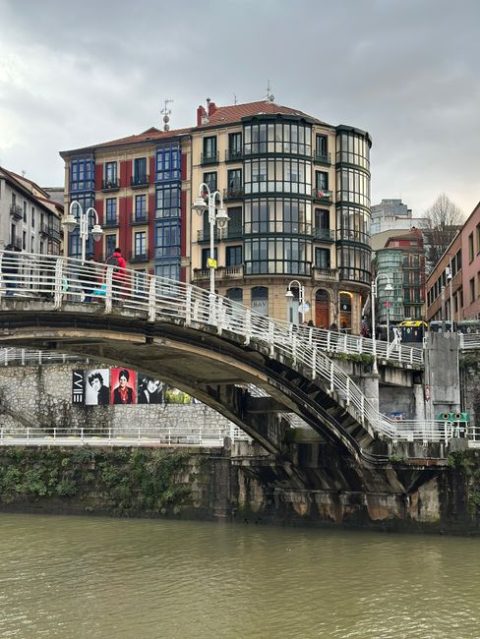
Bilbao Christmas Market and Olentzero Parade
From late 28 November through 5 January 2026/2027, the streets around Plaza Moyua and the Casco Viejo fill with wooden stalls selling handicrafts, roasted chestnuts, mulled cider and Basque holiday sweets. The season builds toward the arrival of Olentzero, the Basque Countrys coal-worker gift-bringer, who parades through the city on Bilbao traditionally welcomes Olentzero with the parade on 23 December; the children’s reception follows on 24 December. Confirm the forthcoming 2026 programme. Ice-skating rinks pop up in several squares, and shop windows along Gran Via are decorated with elaborate lighting displays switched on in late November. Families flock to see the Cabalgata de Reyes on the night of 5 January, when the Three Kings parade delivers sweets to children lining the route. Evenings are the best time to soak in the festive atmosphere and lights.
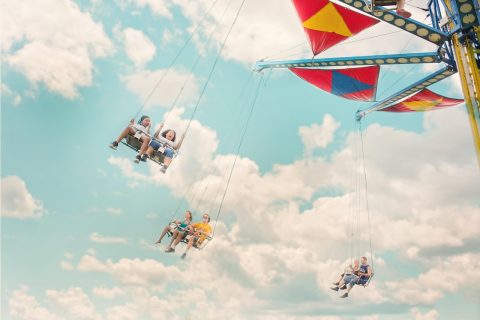
Santo Tomas Fair
Every 21 December 2026, farmers and artisans from across the Basque Country converge on Bilbaos streets for the traditional Santo Tomas Fair, a centuries-old market marking the start of the Christmas season. Stalls sell fresh produce, farmhouse cheeses, cider, txistorra sausage sandwiches grilled on the spot, and handwoven wool garments suited to winter. The fair spreads through Plaza Nueva and surrounding streets in the Casco Viejo, drawing large crowds who come as much for the festive atmosphere and food as for the shopping. Many visitors treat it as an unofficial start to the citys holiday season, pairing a fair visit with a stroll through the nearby Christmas lights. Arrive early to browse before the narrow streets get busy, and come hungry.
Tips for Events Calendar
- Book accommodation months ahead for Aste Nagusia and Bilbao BBK Live, the city fills up fast during these dates.
- Many festival events are free, but headline concerts and fashion shows may require advance tickets.
- Evenings are generally the liveliest and most atmospheric time to experience these events.
- Check exact 2026 dates closer to the time, as some events shift slightly year to year.
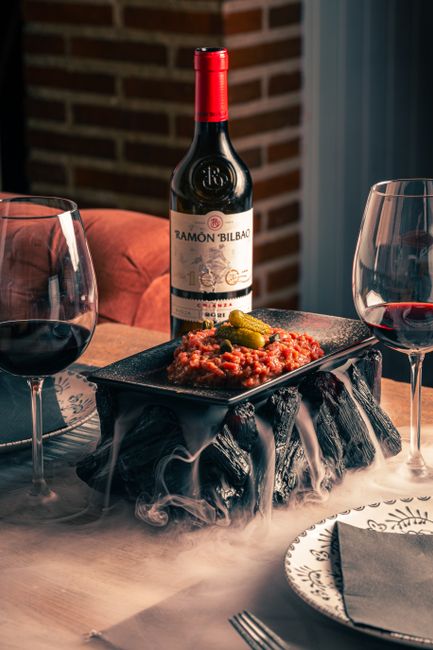
When the sun sets, Bilbao trades museums for mojitos, with a nightlife scene that spans candlelit pintxo bars, riverside cocktail lounges, and thumping late-night clubs. The Casco Viejo and Indautxu districts hum with locals well past midnight, especially on weekends. From txikiteo bar-hopping to live jazz and rooftop views over the estuary, there is a rhythm here for every kind of night owl.
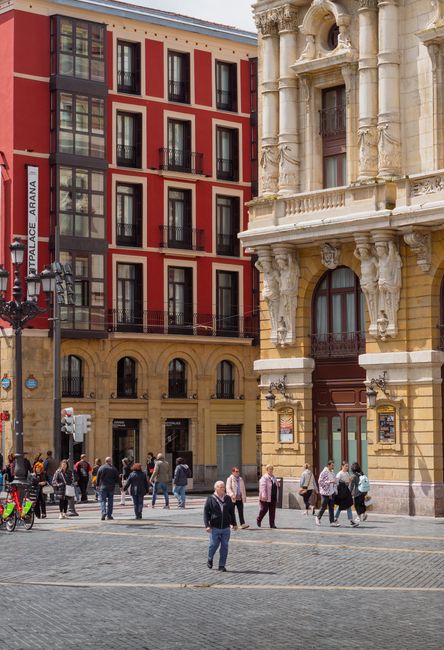
Congreso Square Bar Crawl
Plaza del Congreso in Casco Viejo is ground zero for Bilbao's beloved txikiteo, the local ritual of hopping between tiny bars for a small glass of wine and a pintxo at each stop. Dozens of narrow taverns spill onto the square and surrounding lanes, packed shoulder-to-shoulder with locals from early evening until well after midnight, especially on weekends. Each bar has its own specialty, from anchovy skewers to fried peppers, making the crawl as much about food as drink. The energy is loud, convivial, and unmistakably Basque, with strangers striking up conversation over shared bar counters. No single venue dominates; the joy is in wandering and discovering favorites. It is best experienced with a small group and a willingness to keep moving, since the true charm lies in sampling many places rather than settling into one for the whole night.
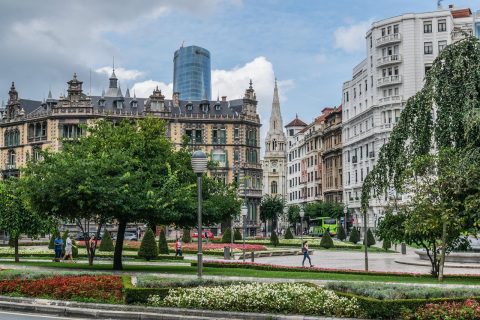
Café Iruña
Tucked beside Doña Casilda park, Café Iruña is a Bilbao institution dating back to 1903, famed for its Moorish-tiled interior and buzzing after-dark atmosphere. By day it serves coffee and its legendary pincho moruno skewers; by night the bar fills with a cross-generational crowd sipping vermouth, gin and tonics, and local wine under ornate arches. The mix of historic grandeur and lively chatter makes it a memorable first stop before heading deeper into the city's bar circuit. Live piano sessions occasionally fill the room with music. Reservations are not required, but arriving early secures a seat at the atmospheric main bar. It is an ideal spot for travelers wanting a taste of old-world Bilbao glamour alongside a proper night out, blending tradition with a distinctly festive energy that only grows livelier as the evening wears on.
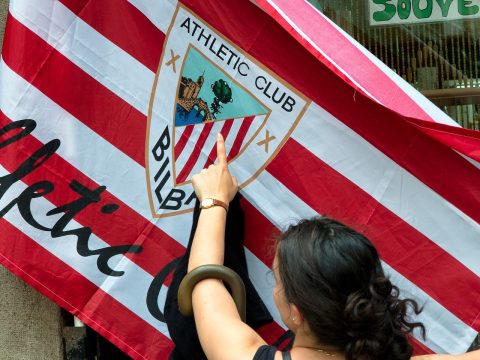
Cotton Club Bilbao
A beloved fixture of the local live-music scene, Cotton Club channels vintage speakeasy charm with velvet booths, moody lighting, and a stage hosting jazz, blues, funk, and rock acts throughout the week. Just off Gran Vía, it draws an eclectic mix of students, jazz aficionados, and curious visitors looking for something beyond the standard bar crawl. The cocktail menu is inventive without being pretentious, and the sound system does justice to both intimate acoustic sets and full bands. Doors typically open in the evening, with performances picking up after 10 or 11 pm. It gets busy on weekends, so arriving early or checking the schedule ahead helps secure a good spot near the stage. For anyone craving a genuine live-music night away from the tourist trail, this venue captures Bilbao's under-the-radar creative energy particularly well.
Tips for Nightlife & Entertainment
- The txikiteo bar-hopping tradition means most nights start with small drinks and pintxos rather than settling into one venue.
- Casco Viejo and Plaza del Congreso get loud and crowded on weekend nights; arrive early for a seat.
- Nightclubs rarely fill up before 1 am, so grab dinner and a few bars first if you want the authentic late-night rhythm.
- Check schedules ahead for live-music venues, as lineups change nightly and popular acts sell out.
Real, highly-rated Restaurants in Bilbao, sourced from Google Places (rating above 4★).
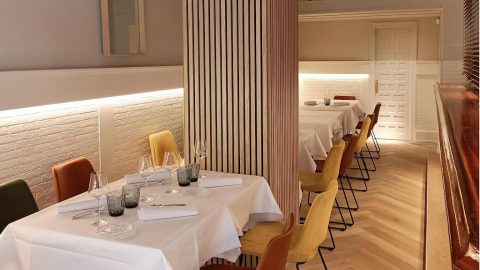
Restaurante La Viña De Henao Casa De Comidas
Restaurante La Viña De Henao Casa De Comidas is a highly-rated restaurant in Bilbao, rated 4.9★ from 287 reviews. Located at C. Henao, 27, bajo, Abando, 48009 Bilbao, Vizcaya, Spain.
Opening Hours
- Monday: 1:30 – 4:00 PM
- Tuesday: Closed
- Wednesday: Closed
- Thursday: 1:30 – 4:00 PM
- Friday: 1:30 – 4:00 PM, 9:00 – 11:00 PM
- Saturday: 1:30 – 4:00 PM, 9:00 – 11:00 PM
- Sunday: 1:30 – 4:00 PM
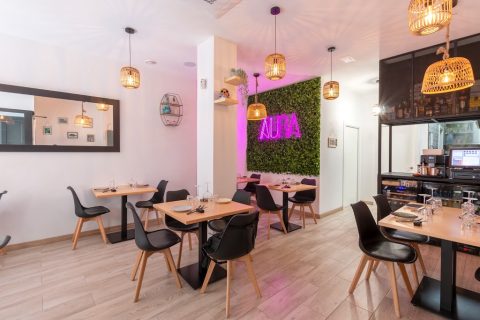
Restaurante Aura
Restaurante Aura is a highly-rated restaurant in Bilbao, rated 4.8★ from 646 reviews. Located at Dorre Kalea, 7, Ibaiondo, 48005 Bilbao, Bizkaia, Spain.
Opening Hours
- Monday: Closed
- Tuesday: Closed
- Wednesday: 1:30 – 4:00 PM, 8:00 – 10:30 PM
- Thursday: 1:30 – 4:00 PM, 8:00 – 10:30 PM
- Friday: 1:30 – 4:00 PM, 8:00 – 10:30 PM
- Saturday: 1:30 – 4:00 PM, 8:00 – 10:30 PM
- Sunday: 1:30 – 4:00 PM
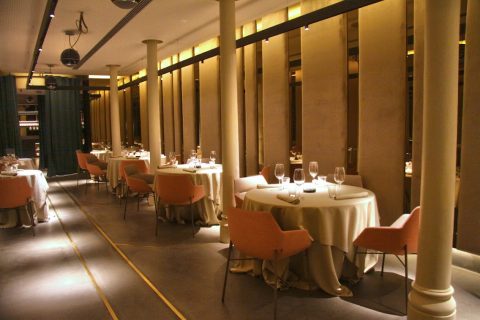
ETXANOBE
ETXANOBE is a highly-rated restaurant in Bilbao, rated 4.7★ from 2514 reviews. Located at Calle Juan Ajuriaguerra Kalea, 8, Abando, 48009 Bilbao, Bizkaia, Spain.
Opening Hours
- Monday: 1:00 – 3:30 PM, 7:00 – 10:30 PM
- Tuesday: 1:00 – 3:30 PM, 7:00 – 10:30 PM
- Wednesday: 1:00 – 3:30 PM, 7:00 – 10:30 PM
- Thursday: 1:00 – 3:30 PM, 7:00 – 10:30 PM
- Friday: 1:00 – 3:30 PM, 7:00 – 10:30 PM
- Saturday: 1:00 – 3:30 PM, 7:00 – 10:30 PM
- Sunday: Closed
Explore Bilbao on the Map
Optimal Visiting Seasons
Best Overall: May-June & September-October offer pleasant weather (18-24°C), fewer crowds, and vibrant city life. Spring brings blooming parks while autumn features harvest season and cultural events.
Summer (July-August): Warmest weather (22-28°C) but also peak tourist season. Expect crowds at major attractions and higher accommodation prices. Many locals vacation elsewhere. Coastal day trips are most enjoyable.
Winter (November-March): Mild temperatures (8-14°C) with frequent rain. Museums and indoor attractions are less crowded. Cheaper accommodation rates. The city's cafe culture thrives. Pack waterproof clothing.
Special Events: Aste Nagusia (Great Week) in mid-August is Bilbao's biggest festival with nine days of concerts, fireworks, and celebrations. Book accommodations months in advance if visiting during this time.
| Month | Avg Temp | Rainfall | Crowds |
|---|---|---|---|
| Jan-Mar | 9-14°C | High | Low |
| Apr-Jun | 14-22°C | Moderate | Moderate |
| Jul-Aug | 20-26°C | Low | High |
| Sep-Oct | 16-22°C | Moderate | Moderate |
| Nov-Dec | 10-14°C | High | Low |
Getting Around Bilbao
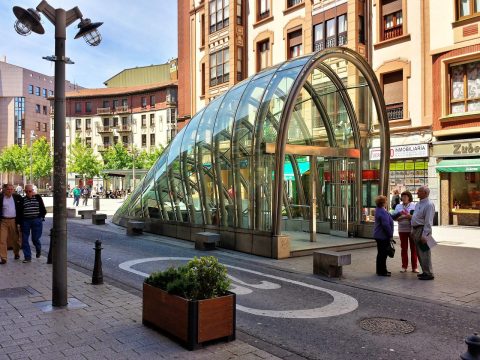
Metro: Modern, efficient system with two main lines serving the metropolitan area. Line 1 runs between Etxebarri and Plentzia; the airport connection is Bizkaibus A3247. Single tickets are cheap; the rechargeable Barik card offers discounts (check the current fares). Trains run 6am-11pm weekdays, until 2am weekends. Stations designed by Norman Foster feature distinctive glass entrances ('Fosteritos').
Tram (Euskotren): Bilbao’s tram runs between Bolueta and La Casilla, via Atxuri and Basurto. Convenient for tourists visiting major attractions. Same ticket system as metro.
Buses (Bilbobus): Comprehensive network covering areas not served by metro/tram. Useful routes: A1 serves Asunción–Plaza Biribila; 13 serves San Ignazio–Txurdinaga; 18 serves San Ignazio–Zorrotza; 58 serves Mintegitxueta–Atxuri. Fares are low (check the current price).
Funiculars: Artxanda Funicular climbs from river level to mountain viewpoint (cheap). Short but scenic rides.
Creditrans Card: Creditrans is a stored-value transport ticket loaded onto a Barik card. Works on all public transport. Available at metro stations and tobacco shops.
Walking: Central Bilbao is compact and pedestrian-friendly. Most attractions are within 30 minutes' walk of each other.
Bilbao Bizkaia Card: Includes unlimited public transport plus museum discounts for 24/48/72 hours (check the current price).
Taxis: Metered and readily available. White with red stripe. Uber operates in Bilbao; available ride options appear in the app.
Airport Transfer: Bilbao Airport (BIO) is 12km from center. Bizkaibus A3247 runs every 20-30 minutes to Termibus station and city center (20 minutes). Taxis cost considerably more (agree the fare first).
✈️ Airport Transfer
Bilbao Airport (BIO) to city center:
- Bizkaibus A3247: Direct express bus to Bilbao city center (Moyua) in about 30 minutes, A3247 runs every 15 minutes; the standard single airport ticket costs €5.
- Taxi: Aena publishes approximate fares of €27 on working days and €30 on public holidays to Bilbao; these are estimates, not fixed fares, about 20-25 minutes depending on traffic
- Private transfer: Pre-booked door-to-door car service in about 20 minutes, typically 40-60 euros
Shopping in Bilbao
What to Buy:
- Txakoli Wine: Local white wine from nearby vineyards, slightly sparkling and perfect with seafood
- Idiazabal Cheese: Smoked sheep's milk cheese, a Basque specialty
- Basque Berets: Traditional boinas from specialized hat shops
- Espadrilles: Handmade rope-soled shoes, available in countless colors and styles
- Anchovies from Cantabrian Sea: Premium quality preserved fish
- Basque Linen: Traditional textiles with Basque motifs and colors (red, white, green)
- Gourmet Products: Piquillo peppers, olive oil, local honey, artisan chocolates
- Pottery & Ceramics: Traditional Basque designs from local artisans
Shopping Areas:
Gran Vía: Main shopping boulevard with international brands (Zara, Massimo Dutti, H&M) and El Corte Inglés department store. Mix of high street and designer boutiques.
Calle Elcano (Indautxu): Fashion district with Spanish and international designer boutiques, shoe stores, and specialty shops.
Casco Viejo: Traditional shops selling Basque products, gourmet foods, vintage items, and artisan crafts. Browse Somera street for unique finds.
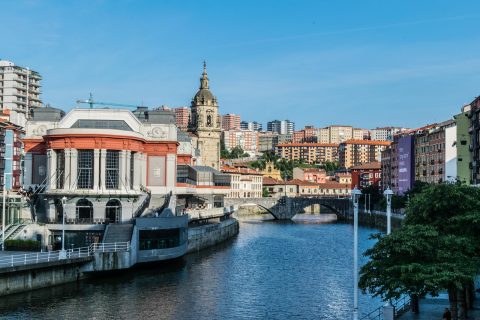
Ribera Market: Europe's largest covered market. Buy fresh produce, fish, meat, cheese, and prepared foods. Open Monday-Saturday mornings. Ground floor: fresh products; upper floor: restaurants.
Zubiarte Shopping Center: Modern mall near Guggenheim with 50+ stores, restaurants, and cinema.
Sunday Markets: Plaza Nueva hosts antiques and collectibles market. San Mamés area has flea market with vintage items and crafts.
Bargaining: Not customary in shops or markets. Prices are fixed. However, friendly conversation with small shop owners may occasionally result in small discounts on multiple purchases.
VAT Refund: Non-EU visitors can claim VAT refund on Spain has no minimum purchase amount for eligible tourist VAT refunds. Request refund form at purchase.
Opening Hours: Typically 10am-2pm and 5pm-8:30pm Monday-Saturday. Many shops close Saturday afternoons. Large stores and shopping centers open continuously 10am-9pm including some Sundays.
Annual Events & Festivals
Aste Nagusia (Semana Grande) - Mid-August: Bilbao's biggest celebration lasting nine days. The festival begins when 'Marijaia', a smiling female figure with raised arms, appears. Events include traditional Basque sports, bullfights, concerts, fireworks over the river, street parties, and open-air txosnas (temporary bars). The entire city celebrates with music, dancing, and festivities day and night.
Bilbao BBK Live - Early July: Major international music festival held at Kobetamendi mountain with stunning views. Attracts top rock, indie, and electronic acts. Three-day camping and concert event drawing music fans across Europe.
Santo Tomás - December 21: Traditional festival celebrating Basque rural culture. Plaza Nueva and other squares host stalls selling talo (corn flatbread) with chorizo or cheese, local cider, and produce. Locals dress in traditional Basque costume. Farmers showcase products.
Carnaval - February/March: Week-long celebration before Lent with costume parades, music, and parties. Neighborhoods host competitions for best costumes.
Easter Week (Semana Santa) - March/April: Religious processions throughout the city, particularly in the Old Quarter. Solemn yet beautiful tradition.
Bilbao Night Marathon - October: Unique nighttime marathon through illuminated city streets. Also includes 10K and fun runs.
Zinebi (International Documentary & Short Film Festival) - November: One of world's oldest competitive short film festivals, showcasing innovative cinema.
Durango Fair - December: Nearby Durango hosts annual Basque Book and Record Fair, celebrating Basque language and culture with concerts and cultural events.
National Holidays: New Year's Day (Jan 1), Epiphany (Jan 6), Good Friday, Easter Monday, Labour Day (May 1), Assumption (Aug 15), National Day (Oct 12), All Saints (Nov 1), Constitution Day (Dec 6), Immaculate Conception (Dec 8), Christmas (Dec 25).
5 Perfect Day Itineraries
Day 1: Guggenheim & Modern Bilbao
Morning (9:00-13:00): Start at the Guggenheim Museum when it opens at 10am (arrive 9:30 to avoid queues). Spend 2-3 hours exploring the architecture and collections. Walk through the adjacent sculpture park and photograph Puppy. Stroll along the Abandoibarra riverfront.
Lunch (13:00-14:30): Dine at the Guggenheim's Michelin-starred restaurant or find pintxo bars nearby in the Indautxu neighborhood.
Afternoon (14:30-18:00): Walk to Azkuna Zentroa to see Philippe Starck's columns and rooftop terrace. Continue to Doña Casilda Park for a rest, then visit the Fine Arts Museum for complementary classical art.
Evening (18:00-22:00): Cross Zubizuri Bridge at sunset. Walk to Gran Vía for early evening shopping or café time. Dinner in the Ensanche area.
Day 2: Old Quarter & Basque Culture
Morning (9:00-13:00): Explore Casco Viejo starting at Plaza Nueva. Visit Santiago Cathedral and the Basque Museum. Wander the Seven Streets discovering shops and hidden corners. Browse Ribera Market for local products and atmosphere.
Lunch (13:00-15:00): Pintxo-hopping in Plaza Nueva try 3-4 bars sampling different specialties with txakoli wine.
Afternoon (15:00-18:00): Take the Artxanda Funicular to the mountaintop viewpoint. Enjoy panoramic views and walk the trails. Descend and visit Basílica de Begoña if time permits.
Evening (18:00-22:00): Return to Old Quarter for evening pintxo tour on different streets. Experience the buzzing nighttime atmosphere.
Day 3: Maritime Heritage & Neighborhoods
Morning (9:30-13:00): Visit the Maritime Museum to understand Bilbao's port history. Walk the riverside promenade toward the Euskalduna Conference Centre. Explore the modern waterfront development.
Lunch (13:00-14:30): Seafood restaurant near the Maritime Museum or Ribera Market area.
Afternoon (14:30-18:00): Explore Bilbao La Vieja neighborhood, seeing street art and multicultural character. Cross back to walk Gran Vía, stopping at Jardines de Albia. Visit Arriaga Theatre exterior.
Evening (18:00-22:00): Cooking class or food tour (book in advance), or independent pintxo exploration in Indautxu neighborhood.
Day 4: Day Trip - San Sebastián
Morning (8:00-13:00): Take early bus to San Sebastián (1 hour). Arrive and head to La Concha Beach. Walk the promenade to Monte Igueldo funicular for views. Descend and explore the Old Town (Parte Vieja).
Lunch (13:00-15:00): Pintxo bar-hopping on Calle Fermín Calbetón and surrounding streets San Sebastián's pintxo scene rivals Bilbao's.
Afternoon (15:00-18:30): Beach time or visit Aquarium and San Telmo Museum. Walk to Zurriola Beach to see surfers. Climb Monte Urgull for harbor views.
Evening (18:30-20:00): Return bus to Bilbao. Rest or light dinner.
Day 5: Coastal Nature & Culture
Morning (8:00-13:00): Early departure for San Juan de Gaztelugatxe (book time slot in advance). The scenic coastal drive takes 45 minutes. Climb the 241 steps to the hermitage. Photograph the dramatic coastline. Allow 2-3 hours total.
Lunch (13:00-14:30): Stop in Bermeo for fresh seafood lunch at the harbor.
Afternoon (14:30-17:30): Visit Mundaka to see the famous surf break and charming town. Alternative: visit Gernika for Peace Museum and historical sites.
Evening (17:30-22:00): Return to Bilbao. Final evening in Casco Viejo for farewell pintxos and shopping for souvenirs. Reflect on your Basque experience.
Tips for All Itineraries:
- Book Guggenheim and San Juan de Gaztelugatxe in advance
- Wear comfortable walking shoes Bilbao has hills
- Lunch is typically 14:00-16:00; dinner from 21:00
- The Guggenheim normally closes Mondays, with specified seasonal and holiday exceptions; other museums have individual schedules.
- Carry an umbrella weather can change quickly
Best Photography Locations
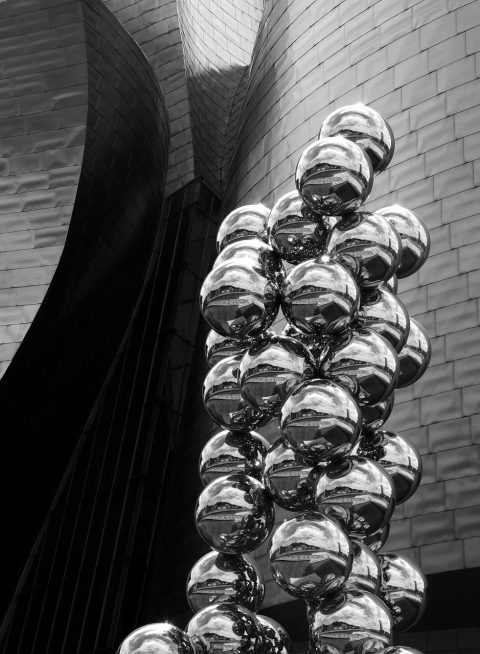
Guggenheim Museum: Best time: Morning (soft light) or evening (golden hour). Capture the titanium curves from multiple angles from across the river for full facade, from Zubizuri Bridge for perspective, up close for abstract details. The reflective surfaces create different moods throughout the day. Include Puppy sculpture for iconic composition. Blue hour brings stunning artificial lighting.
Zubizuri Bridge: Best time: Sunset and blue hour. Santiago Calatrava's white bridge glows beautifully at dusk. Shoot from either bank for architectural lines, or from the bridge itself for river views with buildings reflected. Long exposure at night captures light trails and reflections.
Artxanda Viewpoint: Best time: Sunset and night. The ultimate panoramic view of entire Bilbao valley. Capture the city lights twinkling at dusk. Clear days offer views to the mountains. Arrive 30 minutes before sunset for optimal light. Bring tripod for night shots.
Casco Viejo Streets: Best time: Morning or late afternoon. The narrow Seven Streets create atmospheric frames with overhead balconies. Plaza Nueva's arcades offer symmetrical compositions. Capture colorful building facades, hanging laundry, and street life. Early morning has fewer people.
Ribera Market: Best time: Mid-morning (9:30-11:00). Vibrant colors of fresh produce, fish stalls, and vendor interactions. The Art Nouveau architecture provides beautiful interior. Respect vendors ask permission for portraits.
La Salve Bridge with Spider Sculpture: Best time: Any, but evening for drama. Louise Bourgeois's Maman spider sculpture beside the Guggenheim creates surreal compositions. Shoot from below for imposing perspective. Include bridge and museum for context.
Nervión River Promenade: Best time: Golden hour. Walk the riverside capturing bridges, modern buildings reflected in water, and public art installations. The Isozaki Towers provide striking geometric forms. Look for reflections on calm days.
Begoña Basilica: Best time: Afternoon. The hilltop church offers city views and beautiful facade. Capture stairs leading up for leading lines. The elevated position provides urban landscape opportunities.
Etxebarria Park: Best time: Sunset. Alternative viewpoint with less tourist crowds than Artxanda. Terraced gardens provide foreground interest for cityscape compositions. Panoramic views of mountains framing the city.
Arriaga Theatre: Best time: Evening with illumination. Neo-Baroque facade photographs beautifully when lit at night. Capture details of sculptural elements. The riverside location offers composition options.
Instagram Hotspots:
- Puppy sculpture get creative angles, not just straight-on
- Guggenheim reflections in adjacent pools
- Colorful building facades in Casco Viejo
- Pintxo bar displays ask permission first
- San Juan de Gaztelugatxe arrive early to avoid crowds
Photography Tips:
- Bilbao's weather changes rapidly shoot when light is good
- Respect 'no photography' signs in museums and shops
- Always ask permission for portraits of locals
- Early morning offers quieter streets and better light
- Bring weather-sealed equipment rain is frequent
- Download offline maps to find locations easily
Electricity & Adapters
Voltage: 230V
Frequency: 50Hz
Plug Types: Type C (two round pins, Europlug) and Type F (two round pins with grounding clips, also called 'Schuko')
Adapters Needed:
- From UK: Yes UK uses Type G (three rectangular pins)
- From USA/Canada: Yes North America uses Type A/B (flat pins) and 110V; you'll need adapter AND voltage converter for devices not dual-voltage
- From Australia: Yes uses Type I (angled flat pins)
- From EU countries: No adapter needed same Type C/F plugs
Where to Buy Adapters: Available at airport, electronics stores, department stores (El Corte Inglés), and many convenience shops. Hotels sometimes provide adapters on request.
Voltage Converters: Most modern electronics (phones, laptops, cameras, tablets) are dual-voltage (110-240V) check your device. If labeled 'INPUT: 100-240V', you only need a plug adapter. Hair dryers, curling irons, and other heating devices often require voltage converters unless specifically dual-voltage.
USB Charging: Increasingly common in hotels and cafés. Bring USB cables for direct charging when possible.
Pro Tip: Bring a multi-port USB charger and compact power strip with your home plug then you only need one adapter for multiple devices.
Basque Culinary Essentials
Must-Try Dishes:
- Pintxos: The Basque answer to tapas elaborate small bites on bread, held with toothpicks. Try gilda (anchovy, olive, pepper), txangurro (spider crab), and tortilla. Count your toothpicks to track consumption.
- Bacalao al Pil Pil: Cod in emulsified olive oil and garlic sauce a technical masterpiece. The sauce is created by gently shaking the pan.
- Marmitako: Hearty tuna stew with potatoes, peppers, and tomatoes. Traditional fisherman's dish.
- Txuleta: Massive grilled steak from old dairy cows, cooked rare. Share between two people.
- Kokotxas: Hake or cod cheeks in green sauce tender and delicate.
- Chipirones en su Tinta: Baby squid cooked in its own ink with rice. Rich, dark, and flavorful.
- Idiazabal Cheese: Smoked sheep's milk cheese, often served with quince paste.
- Alubias de Tolosa: Black beans from nearby Tolosa, usually with chorizo.
Desserts & Sweets:
- Pantxineta: Puff pastry filled with cream and almonds
- Goxua: Layered dessert with sponge cake, cream, and caramel
- Carolina: Cream-filled choux pastry
- Turrón: Nougat, especially around Christmas
Drinks:
- Txakoli: Slightly sparkling white wine, poured from height. Pairs perfectly with seafood.
- Cider (Sagardoa): Traditional Basque cider, served in cider houses (sagardotegi) where you pour your own from giant barrels
- Kalimotxo: Red wine mixed with cola sounds strange, tastes refreshing
- Patxaran: Anise-flavored sloe berry liqueur, served as digestif
Dining Tips:
- Meal Times: Lunch 14:00-16:00, dinner from 21:00. Pintxo bars open earlier.
- Txikiteo: Bar-hopping tradition visit multiple bars, having one drink and pintxo at each. Don't fill up at the first place!
- Ordering: Point to pintxos on display or ask for recommendations. Many bars have hot pintxos made to order check the board.
- Payment: Tell the bartender what you had when paying. They trust customers to report accurately.
- Toothpicks: Keep them on your plate so staff can count your consumption.
- No Tipping Required: Service included, though rounding up or leaving small change is appreciated.
- Menu del Día: Three-course lunch menu (typically €12-18) offered Monday-Friday at restaurants excellent value.
- Reservation: Book ahead for dinner at popular restaurants, especially weekends.
Top Pintxo Bar Areas:
- Plaza Nueva (Old Quarter): Tourist-friendly but authentic. Try Gure Toki, Víctor Montes, Sorginzulo.
- Jardines de Albia/Licenciado Poza: More local scene. Try Etxanobe Atelier, Iturriaga.
- Ledesma Street: Traditional bars with excellent pintxos.
Food Markets:
- Mercado de la Ribera: Europe's largest covered market. Ground floor: fresh products; upstairs: restaurants serving market-fresh meals.
- La Bretxa (San Sebastián): Worth visiting if day-tripping.
Vegetarian Options: Basque cuisine is traditionally meat/seafood focused, but pintxo bars always have vegetarian options like grilled peppers, mushroom dishes, tortilla, and cheese. Ask for 'vegetariano'.
Dietary Restrictions: Inform restaurants of allergies ('alérgico a...'). Celiacs can find 'sin gluten' options increasingly available.
Where to Stay in Bilbao
- Casco Viejo (Old Quarter): Best for first-time visitors and budget travelers. Narrow medieval streets, pintxo bars, and the Ribera Market are all steps away, with plenty of affordable guesthouses and hostels.
- Abandoibarra: The modern riverside district next to the Guggenheim Museum, ideal for business travelers and those who want upscale hotels, easy tram access, and a polished, contemporary feel.
- Bilbao La Vieja: A once-gritty neighborhood now known for its buzzing nightlife, indie bars, and alternative arts scene, a good fit for younger travelers and anyone chasing an after-dark scene close to the center.
- Indautxu / Ensanche (city center): A practical choice for families, with wide boulevards, department stores, parks, and a central location within walking distance of both Casco Viejo and Abandoibarra.
Wherever you base yourself, Bilbao is compact and well served by the metro and tram, so most neighborhoods stay within a short ride of the main sights.
Bilbao Travel Budget
Bilbao is more affordable than Madrid or Barcelona, but the Guggenheim crowds keep prices moderate rather than cheap. Here is what a day typically costs in 2026, in euros (EUR).
- Budget (€55-75/day): Hostel dorm bed €22-30, pintxos-bar dinner and market lunch €15-20, Bilbobus or tram single ride €1.50 (or a Barik card for multiple rides), free wandering in the Casco Viejo and along the Nervion riverside, one paid sight such as the Guggenheim at €18.
- Mid-range (€120-170/day): 3-star hotel or well-located apartment €70-95, sit-down restaurant meals with wine €35-45, taxis or the modern Metro Bilbao for convenience, and two attractions such as the Guggenheim (€18) plus the The museum is closed until its announced 6 October reopening; the announced general admission is €12, with free admission 6–13 October.
- Luxury (€280+/day): 4-5 star hotel near Abandoibarra €180-260, tasting menus at Michelin-recognized restaurants €90-150 per person, private guided tours or transfers, and unhurried access to every major museum and gallery.
Tip: the Bilbao Bizkaia Card bundles unlimited public transport with free or discounted entry to the Guggenheim, Bellas Artes, and other sights, and often pays for itself within two attractions.
Is Bilbao Worth Visiting?
Yes — Bilbao rewards visitors with a rare combination of cutting-edge architecture, top-tier art, and outstanding Basque food, all set along the revitalized Nervión River.
- Architectural transformation: The Guggenheim Museum's titanium curves sparked a citywide renaissance, and that same ambition now runs through bridges, metro stations, and riverside promenades.
- World-class museums and culture: Beyond the Guggenheim, the Museo de Bellas Artes and a lively Casco Viejo give visitors deep cultural immersion in a compact, walkable core.
- Exceptional gastronomy: Pintxos bars and Michelin-starred restaurants make Bilbao one of Spain's premier food destinations, reflecting the Basque Country's reputation for culinary excellence.
- Best for: travelers who want a manageable city break that blends modern design, serious art, and some of Europe's best food culture.
Tourist Passes
Bilbao Bizkaia Card
The official tourist card providing unlimited public transport (metro, tram, buses, funiculars) plus discounts at museums, restaurants, shops, and tours. Available for 24, 48, or 72 hours. The published Guggenheim benefit is priority access to pay for admission; museum admission remains payable, Fine Arts Museum entry, and various attraction deals. Purchase at tourist information offices, online, or at airport. Best for: visitors using public transport extensively and visiting multiple paid attractions. Check the current prices on the official site.
www.bilbaoturismo.netArtean Pass
Museum pass covering Guggenheim Museum, Fine Arts Museum, and Bilbao Museum with one combined ticket at reduced rate. Valid for one year from first visit, allowing you to visit museums on different days. Ideal for art enthusiasts wanting to explore multiple collections. Provides flexibility compared to single-day passes. Best for: visitors staying several days who want in-depth museum experiences. Purchase at participating museums.
www.guggenheim-bilbao.eusBarik Card
Rechargeable public transport card offering discounted fares on metro, tram, and buses. Barik has a €3 purchase cost, separate from travel credit. Each trip costs less than single tickets, and you can share one card with travel companions for zones 1-2. Add credit at machines in metro stations. Best for: budget travelers using public transport multiple times without needing museum discounts. More economical than tourist cards if only transportation is needed.
www.barakaldo.eusSan Sebastián Card
If day-tripping to San Sebastián, this card offers discounts at attractions, restaurants, and shops in Donostia/San Sebastián. The card offers six journeys for €9 or twelve for €16, plus participating discounts. Includes public transport discounts and tourist information access. Can be worthwhile for full-day visits to maximize savings on meals and activities. Best for: dedicated San Sebastián day-trippers planning multiple paid activities and meals there.
www.sansebastianturismo.comMore about Bilbao
Photo credits (29)
- Guggenheim Museum Bilbao: photo by Naotake Murayama , CC BY 2.0, via Wikimedia Commons
- Zubizuri Bridge: photo by Basotxerri, CC BY-SA 4.0, via Wikimedia Commons
- Azkuna Zentroa: photo by Tomas Fano, CC BY-SA 2.0, via Wikimedia Commons
- Arriaga Theatre: photo by MMendoA, CC BY-SA 4.0, via Wikimedia Commons
- Bilbao Fine Arts Museum: photo by MuseoBBAABilbao, CC BY-SA 3.0, via Wikimedia Commons
- Basque Museum: photo by Zarateman, CC0, via Wikimedia Commons
- Maritime Museum: photo by U.S. Navy Photo, Public domain, via Wikimedia Commons
- Santiago Cathedral: photo by Zarateman, CC BY-SA 4.0, via Wikimedia Commons
- Basílica de Begoña: photo by Photograph by Mike Peel (www.mikepeel.net)., CC BY-SA 4.0, via Wikimedia Commons
- Plaza Nueva: photo by No machine-readable author provided. Martin253~commonswiki assumed (based on copyright claims)., Public domain, via Wikimedia Commons
- Gran Vía de Don Diego López de Haro: photo by Oraina, CC BY-SA 4.0, via Wikimedia Commons
- Casco Viejo (Old Quarter): photo by dalbera from Paris, France, CC BY 2.0, via Wikimedia Commons
- Abandoibarra: photo by Xabier, CC BY-SA 4.0, via Wikimedia Commons
- Bilbao La Vieja: photo by Mentxuwiki, CC BY-SA 4.0, via Wikimedia Commons
- Doña Casilda Iturrizar Park: photo by Zarateman, CC BY-SA 4.0, via Wikimedia Commons
- Etxebarria Park: photo by Basotxerri, CC BY-SA 4.0, via Wikimedia Commons
- San Juan de Gaztelugatxe: photo by Clementp.fr, CC BY-SA 4.0, via Wikimedia Commons
- San Sebastián: photo by Zarateman, CC0, via Wikimedia Commons
- Gernika (Guernica): photo by Papamanila, CC BY-SA 3.0, via Wikimedia Commons
- Bermeo & Mundaka: photo by EL Willy, CC BY-SA 3.0, via Wikimedia Commons
- Vitoria-Gasteiz: photo by Zarateman, CC0, via Wikimedia Commons
- Bilbao Ice Rink: photo by XTRAICE Synthetic Ice Rinks, CC BY 2.0, via Wikimedia Commons
- Aste Nagusia (Bilbao Big Week): photo by Juan Carlos Eguileor, CC BY-SA 4.0, via Wikimedia Commons
- Bilbao BBK Live Festival: photo by Anehurtadoelements, CC0, via Wikimedia Commons
- Mercado de la Ribera: photo by PA, CC BY-SA 4.0, via Wikimedia Commons
- Cementerio de Mallona: photo by Basotxerri, CC BY-SA 4.0, via Wikimedia Commons
- Museo Diocesano de Arte Sacro: photo by Zarateman, CC0, via Wikimedia Commons
- Café Iruña: photo by Zarateman, CC0, via Wikimedia Commons
- Mugarra: photo by No machine-readable author provided. Txo assumed (based on copyright claims)., Public domain, via Wikimedia Commons
.jpg)


_1.jpg)


_de_Bilbao_(3452403823).jpg)


.JPG)


