Bilbao's architectural landscape tells the story of its transformation from industrial port to cultural powerhouse, featuring iconic contemporary structures alongside historic treasures.
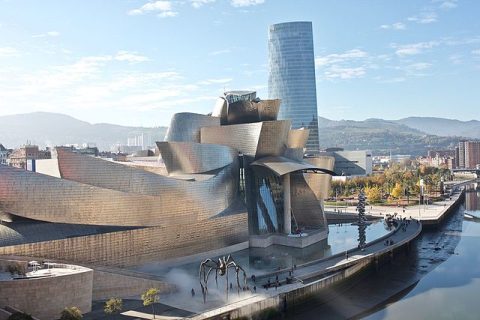
Guggenheim Museum Bilbao
Frank Gehry's titanium-clad masterpiece is an architectural icon that revolutionized Bilbao. The building's flowing, organic forms shimmer along the riverbank, creating a stunning interplay of light and reflection. Beyond its extraordinary exterior, the museum houses world-class contemporary and modern art exhibitions. The Puppy sculpture by Jeff Koons at the entrance has become a beloved symbol. The museum's impact was so profound it coined the term 'Bilbao Effect' for urban regeneration through culture and architecture.
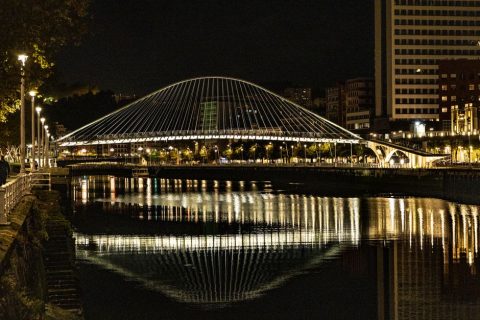
Zubizuri Bridge
Santiago Calatrava's elegant white footbridge spans the Nervión River with its distinctive arched design. The name means 'white bridge' in Basque, and its curved walkway and translucent glass floor panels create a unique crossing experience. Completed in 1997, it symbolizes Bilbao's modern transformation. The bridge offers excellent photo opportunities and connects the old town with modern districts. Its graceful, asymmetrical form has become an iconic element of Bilbao's skyline.
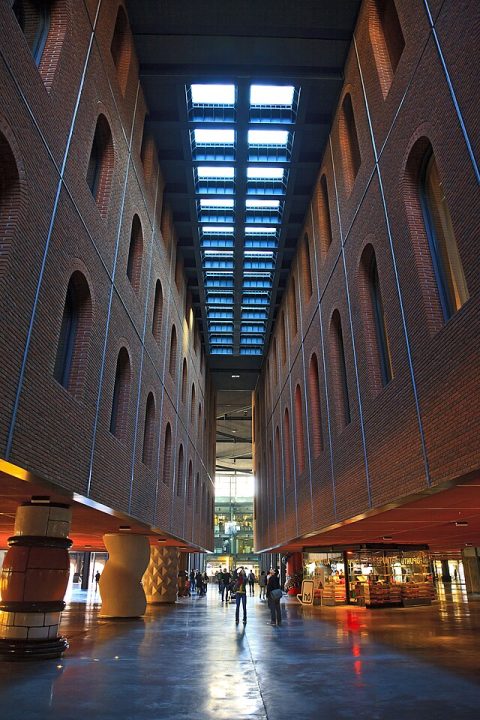
Azkuna Zentroa
This cultural center, designed by Philippe Starck, is housed in a converted wine warehouse from 1909. The interior features 43 distinctive columns, each with unique designs by artists and designers. The glass floor atop these columns creates a dramatic multi-level space. The center hosts exhibitions, cinema, fitness facilities, and a stunning rooftop terrace with city views. It's a perfect example of Bilbao's ability to repurpose industrial heritage into vibrant cultural spaces.
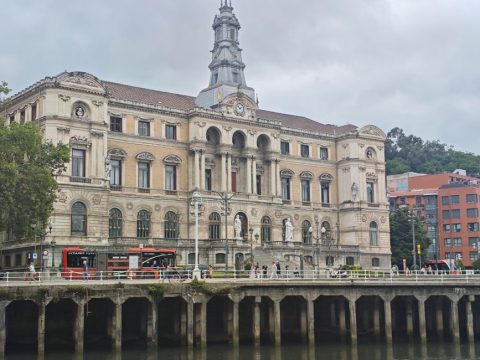
Arriaga Theatre
This Neo-Baroque theatre from 1890 is Bilbao's premier performing arts venue. Named after composer Juan Crisóstomo de Arriaga, the 'Spanish Mozart', its ornate façade features sculptures and elaborate decorations. The interior boasts luxurious red velvet, gold leaf, and beautiful frescoes. It hosts opera, ballet, theatre, and concerts throughout the year. Located near the Old Quarter, it represents Bilbao's cultural sophistication during the Belle Époque era.
Tips for Landmarks & Monuments
- Book Guggenheim tickets online to skip queues, especially during peak season
- Visit the Guggenheim on weekday mornings for fewer crowds
- Walk across Zubizuri at sunset for stunning river reflections
- Azkuna Zentroa offers free entry to its public spaces and rooftop terrace