Tunis and its surroundings are home to some of the Mediterranean's most significant archaeological treasures. The ancient city of Carthage, once rival to Rome, spreads across the northern suburbs, while the Medina preserves medieval Islamic architecture in its labyrinthine streets.
Carthage Archaeological Park
Explore the remnants of the mighty Phoenician and Roman city that once challenged Rome's dominance. The sprawling archaeological site includes the massive Antonine Baths (built 146-162 AD), one of the largest Roman bath complexes outside Rome. Visit Byrsa Hill for the Carthage National Museum and foundations of 5-story Punic houses with sophisticated cistern and drainage systems. The Tophet sanctuary and burial ground reveals Carthaginian religious practices, while the twin Punic Ports demonstrate their maritime mastery. The Roman Villas, particularly the Villa of the Aviary, showcase exquisite mosaics, columns, and statues from the Roman elite's mansions.
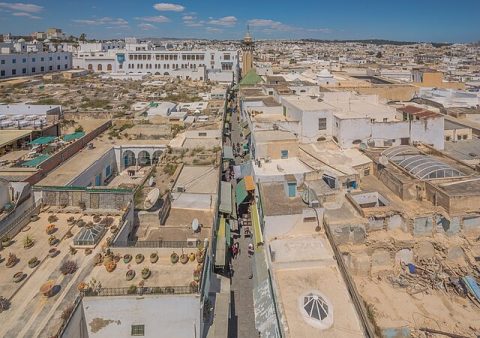
Medina of Tunis
Wander through one of the world's finest examples of medieval Islamic urbanism in this UNESCO-listed old city. The Medina's 700+ monuments include the magnificent Ez-Zitouna Mosque (Great Mosque), Tunisia's spiritual heart Founded around 698–699 AD and rebuilt in the 9th century. Navigate the vibrant souks where traditional craftsmen continue centuries-old trades: carpet weavers, leather workers, perfume sellers, and metalworkers. Discover hidden gems like ornate madrasas (Islamic schools), historic dars (traditional houses), and the beautiful Tourbet el Bey mausoleum. The Kasbah quarter offers glimpses of Hafsid dynasty architecture. Experience authentic Tunisian life while shopping for spices, carpets, ceramics, and traditional goods.
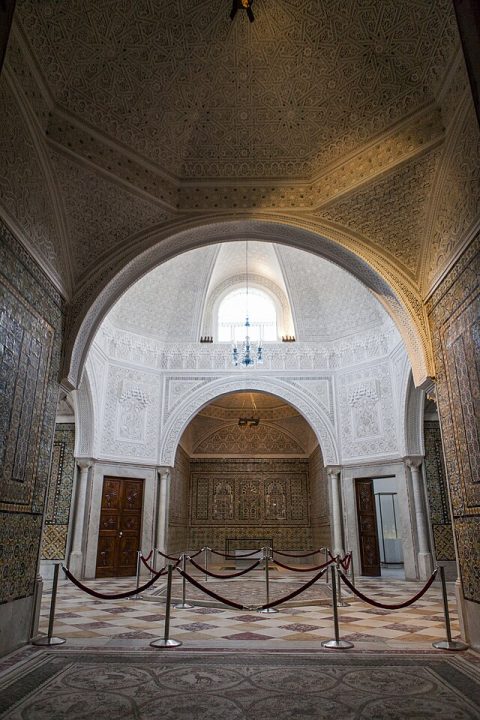
Bardo National Museum
Housed in a stunning 15th-century Hafsid palace, the Bardo Museum is Africa's second-largest museum and home to the world's finest collection of Roman mosaics. The museum traces Tunisia's history across millennia through Carthaginian, Roman, Byzantine, and Islamic periods. Marvel at intricate mosaics depicting mythology, daily Roman life, hunting scenes, and maritime themes excavated from sites across Tunisia including Carthage, Dougga, and Utica. Don't miss the Blue Koran of Kairouan in the Islamic section, Greek treasures from the 1907 Mahdia shipwreck, Punic grimacing masks, and the famous stele of the priest and child. The palace architecture itself is breathtaking, with beautifully decorated rooms and courtyards.
Tips for Ancient & Historical Sites
- Carthage Ticket: A combined ticket covers the main Carthage sites; check the current price at the first entrance
- Bardo Access: Take metro Line 4 to Bardo station (20 minutes from city center). Entry for foreign visitors: 30 TND since April 2026; closed Mondays
- Medina Navigation: Hire a licensed guide (negotiate 40-60 TND for 2-3 hours) to avoid getting lost and learn hidden history
- Dress Code: Modest clothing required for mosques (shoulders and knees covered). Women may need to cover hair at religious sites
- Timing: Visit Carthage in the morning and late afternoon to avoid midday heat, especially in summer when temperatures exceed 35°C