Beyond the world-famous Bardo, Tunis offers specialized museums showcasing everything from Carthaginian artifacts to traditional Tunisian architecture and Arab music heritage.
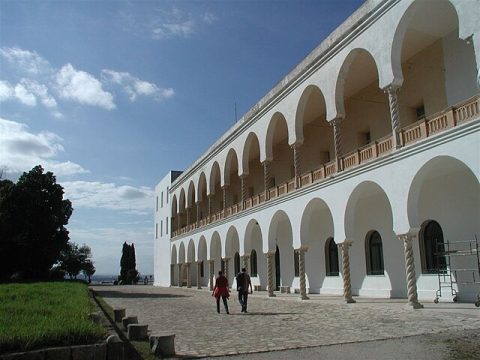
Carthage National Museum
Perched atop Byrsa Hill within the Carthage archaeological site, this museum houses an exceptional collection of Punic and Roman artifacts excavated from ancient Carthage. Explore Phoenician pottery, jewelry, stelae with inscriptions crucial to Semitic epigraphy, Roman sculptures, coins, and architectural fragments. The museum building itself occupies a former Catholic seminary on Byrsa Hill, the citadel of Punic Carthage. The location offers breathtaking panoramic views across the Gulf of Tunis and the archaeological park below.
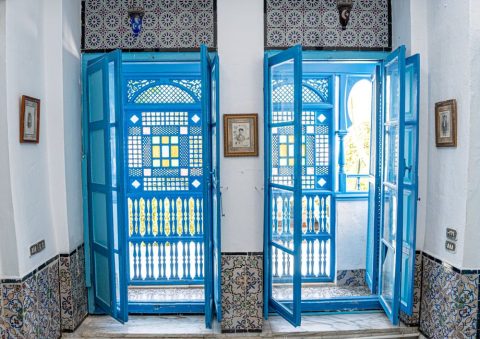
Dar El Annabi Museum
Step into an authentic 18th-century summer residence in Sidi Bou Said showcasing traditional Tunisian aristocratic life. This beautifully preserved dar (traditional house) features period furnishings, colorful ceramics, intricate woodwork, and traditional textiles. Each room illustrates different aspects of domestic life: reception areas, women's quarters, kitchen, and courtyard. The museum offers complimentary mint tea to visitors while exploring. Experience authentic Tunisian hospitality and architecture in this intimate cultural gem.
Ennejma Ezzahra Palace (Center for Arab & Mediterranean Music)
The former residence of Baron Rodolphe d'Erlanger (who established Sidi Bou Said's iconic blue-white aesthetic), this stunning Neo-Moorish palace built in the early 20th century now houses the Center for Arab and Mediterranean Music. The palace showcases a magnificent collection of traditional musical instruments from across the Arab world, hosts concerts of Arabic music, and offers insights into North African musical heritage. The architecture itself with intricate tilework, carved plasterwork, and painted ceilings is worth the visit.
Tips for Museums & Galleries
- Photography: Generally allowed in museums (except flash/tripods). Ask permission at specific exhibits
- Guided Tours: English-speaking guides available at major museums (tip 5-10 TND for exceptional service)
- Combined Visits: The Carthage Museum on Byrsa Hill is closed for renovation; the open-air sites remain visitable
- Cultural Respect: Remove shoes when entering traditional houses, and ask before photographing people