Beneath modern Istanbul lie layers of ancient civilizations. Byzantine cisterns, Roman walls, and archaeological sites reveal the city's 2,600-year history as Byzantium, Constantinople, and Istanbul.
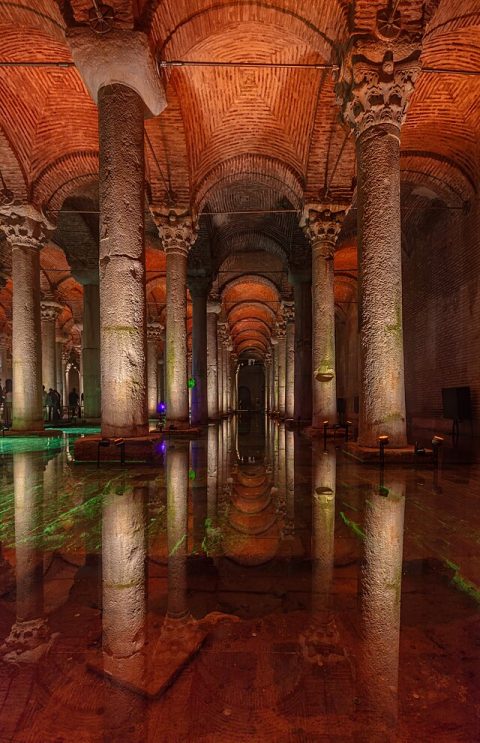
Basilica Cistern
The largest of Istanbul's ancient underground cisterns, this 6th-century Byzantine marvel features 336 marble columns in an atmospheric subterranean chamber. Built by Emperor Justinian, it stored water for the Great Palace. The mysterious Medusa head column bases, classical music, dramatic lighting, and walkways over water create an unforgettable experience. The cistern has been featured in films including From Russia with Love. Restored in recent years with new lighting and exhibitions, it's a cool respite from summer heat and a glimpse into Byzantine engineering genius.
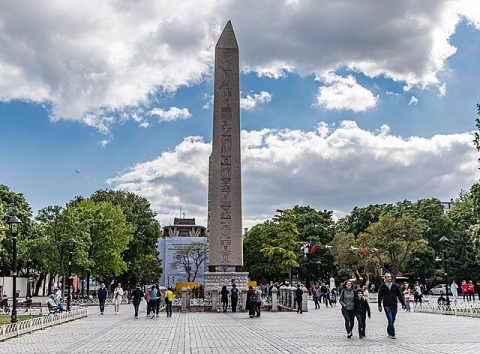
Hippodrome of Constantinople
Now Sultanahmet Square, this was the ancient stadium where chariot races and public events occurred for over 1,000 years. Three original monuments remain: the Egyptian Obelisk from 1500 BC, the Serpent Column from Delphi, and the Walled Obelisk. The bronze statues that once adorned the stadium are now in Venice. Though only traces remain, the historical significance is immense riots here changed empires. The German Fountain at one end is a beautiful late addition. It's a pleasant public space connecting major Sultanahmet attractions.
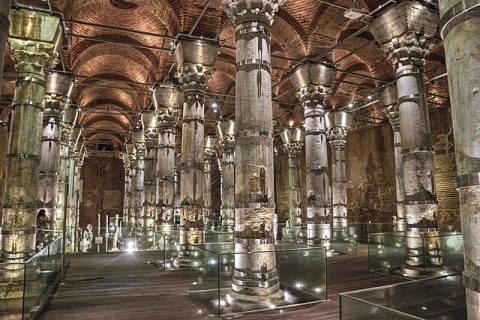
Theodosius Cistern
A recently opened Byzantine cistern from the 5th century, less crowded than the Basilica Cistern but equally impressive. Features 32 marble columns across 1,000 square meters, with beautiful illumination and walkways. The cistern hosts art exhibitions and cultural events. The modern restoration includes interactive displays about Byzantine water systems. It's quieter and offers a more intimate experience than its famous neighbor. The combination of ancient engineering and contemporary presentation makes it a fascinating visit for architecture and history enthusiasts.
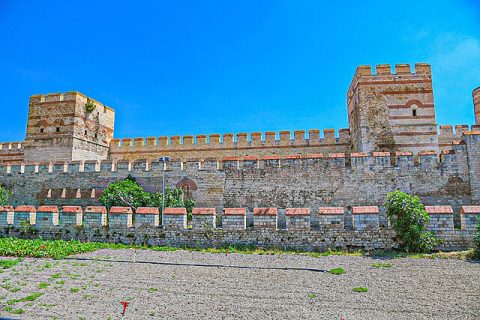
Walls of Constantinople
The legendary Byzantine walls that protected Constantinople for a thousand years stretch 6.5 kilometers from the Sea of Marmara to the Golden Horn. Built in the 5th century and reinforced over centuries, these massive fortifications withstood numerous sieges until 1453. The Theodosian Walls feature double layers with towers and gates. Key sections to explore include the Yedikule Fortress (Seven Towers) and sections near Topkapı Gate. Walking along the walls offers unique perspectives on Byzantine military architecture and the city's defensive history.
Tips for Ancient & Historical Sites
- Cistern combo: Visit both Basilica Cistern and Theodosius Cistern for contrasting experiences
- Best lighting: Cisterns are stunning in late afternoon when less crowded
- Wear comfortable shoes: Can be slippery in underground areas
- Wall walking: Some sections of the Byzantine Walls are in residential areas - be respectful of locals