Each neighborhood in Buenos Aires has its own distinct character, architecture style, and cultural vibe. From bohemian artist quarters to upscale residential areas, exploring different barrios reveals the diverse personality of the city.
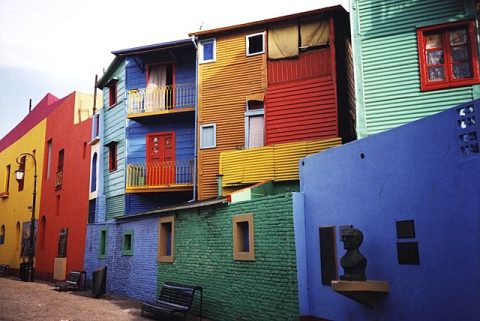
La Boca
The historic port neighborhood famous for its brightly colored houses and tango heritage. Caminito street is the main tourist draw with street performers, tango dancers, and souvenir shops. While touristy, it captures authentic tango history and the neighborhood's working-class roots in its architecture and energy.
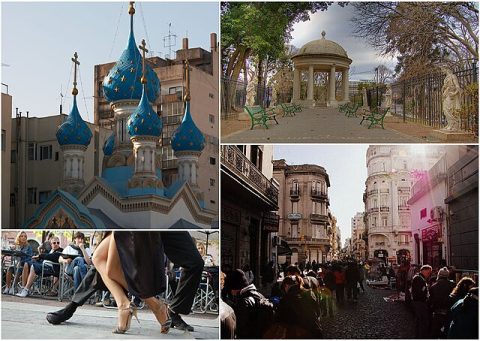
San Telmo
One of Buenos Aires' oldest neighborhoods, featuring cobblestone streets, antique shops, and bohemian atmosphere. Historic colonial architecture mixes with street art and alternative galleries. The Sunday antiques fair runs along Defensa Street and Plaza Dorrego; check local listings for performance schedules, while the neighborhood's bars and restaurants serve traditional Argentine cuisine.
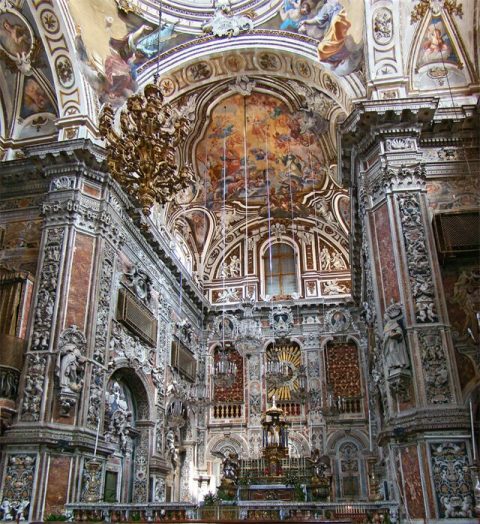
Palermo
The trendiest neighborhood, divided into Palermo Viejo (old) and Palermo Hollywood. Tree-lined streets, hip boutiques, galleries, and excellent restaurants dominate the scene. The area attracts young professionals and tourists seeking upscale dining, craft shopping, and Buenos Aires' contemporary culture.
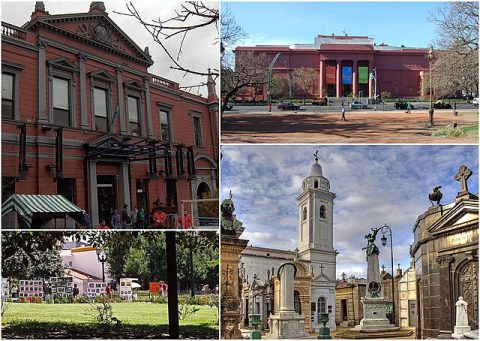
Recoleta
Buenos Aires' most elegant and upscale neighborhood, featuring European-style architecture, high-end shopping, and cultural institutions. Home to the famous Recoleta Cemetery, luxury hotels, designer boutiques on Alvear Avenue, and numerous art galleries. The neighborhood's grand mansions reflect Argentina's 19th-century prosperity.
Tips for Neighborhoods & Districts
- San Telmo's Plaza Dorrego market happens every Sunday morning
- Palermo is best explored by walking - the neighborhood spreads across several streets
- La Boca can be sketchy at night - visit during daytime
- Each neighborhood has distinct characteristics - plan your visits by interest
- Get a SUBE card for buses to explore neighborhoods cost-effectively