Innsbruck's religious heritage spans the soaring Baroque interiors of its cathedral to a medieval court church housing one of Europe's most spectacular royal monuments. The Rococo pilgrimage basilica at Wilten adds another layer of spiritual and artistic splendour to the city's landscape.
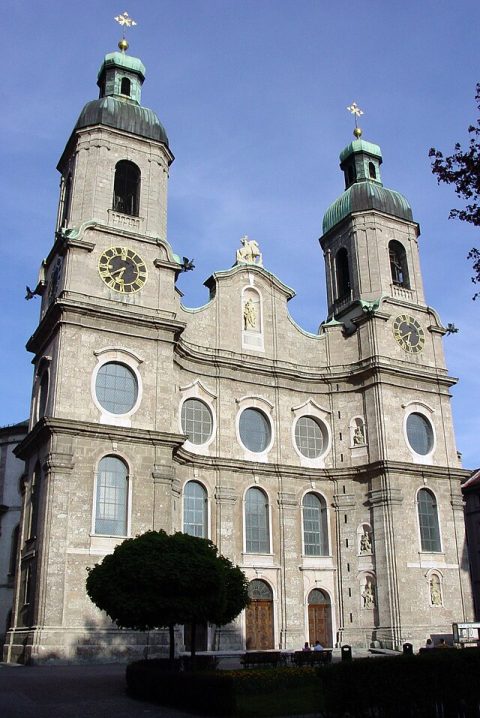
Dom zu St. Jakob (Innsbruck Cathedral)
The Cathedral of St. James is Innsbruck's principal church, a superb Baroque building completed in 1724. Its twin-towered façade dominates the Domplatz, while the ornate interior features magnificent ceiling frescoes by the Asam brothers depicting the life of St. James — among the finest Baroque fresco cycles in Tyrol. Above the high altar hangs Lucas Cranach the Elder's Mariahilf, a 16th-century painting of the Virgin venerated for centuries. Entry is free.
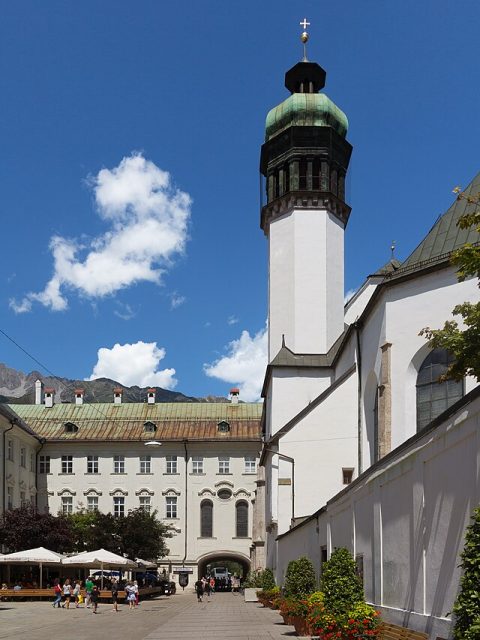
Hofkirche (Court Church)
The Hofkirche is one of the most important Renaissance churches in the German-speaking world, built 1553–1563 to house the cenotaph of Emperor Maximilian I. The empty tomb is surrounded by 28 life-sized bronze statues of his ancestors — including King Arthur and Theodoric the Great — while 24 marble reliefs illustrate scenes from his life. The adjacent Silberne Kapelle (Silver Chapel) contains the tomb of Archduke Ferdinand II and his beloved consort Philippine Welser.
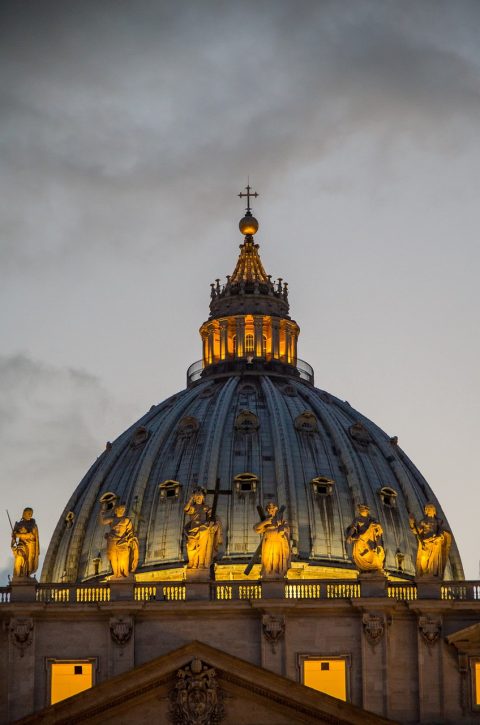
Basilica of Wilten
The Basilica of Wilten is one of the most beautiful Rococo churches in Austria, built in the 1750s. Its interior is an exuberant celebration of Rococo art: elaborate stucco work, vibrant ceiling frescoes, and an atmosphere of extraordinary lightness and colour. It is an active place of pilgrimage, housing a revered Gothic Madonna known as Our Lady under the Four Columns. The basilica is a short tram ride from the city centre and free to enter.
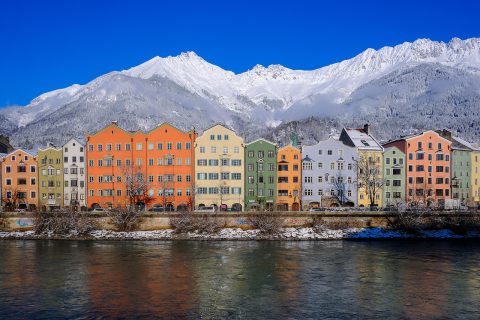
Stift Wilten (Wilten Abbey)
Wilten Abbey is a Premonstratensian monastery founded in the 12th century — one of the oldest religious communities in Tyrol. The abbey church dates from the 17th century, featuring powerful Baroque frescoes and fine choir stalls. The abbey also has a small museum. The abbey stands immediately adjacent to the Wilten Basilica, making a combined visit natural and rewarding.
Tips for Religious Sites
- The Hofkirche and the Volkskunstmuseum share a combined ticket — visit both in one trip.
- Dress modestly when entering all churches; shoulders and knees should be covered.
- The Cathedral and Hofkirche are in the Old Town and can be combined in a single walking tour.
- Masses are held regularly at all sites — check schedules to avoid arriving during services.