Brussels boasts an extraordinary collection of architectural masterpieces that span centuries. The city's landmarks showcase everything from medieval Gothic splendor to Art Nouveau innovation and contemporary European symbolism.
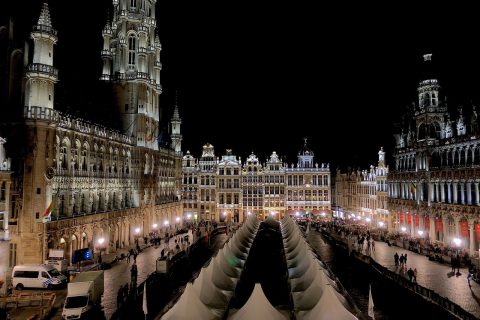
Grand Place (Grote Markt)
The Grand Place is Brussels' magnificent central square and a UNESCO World Heritage Site. Surrounded by opulent guildhalls with golden facades, the Gothic Town Hall with its soaring 96-meter spire, and the ornate King's House, this square is considered one of the most beautiful in Europe. The architecture represents a stunning example of 17th-century Baroque and Gothic styles. Every two years in August, the square is covered with a spectacular flower carpet made from over 500,000 begonias. The square is particularly magical when illuminated at night, and numerous cafes line its perimeter offering perfect vantage points.
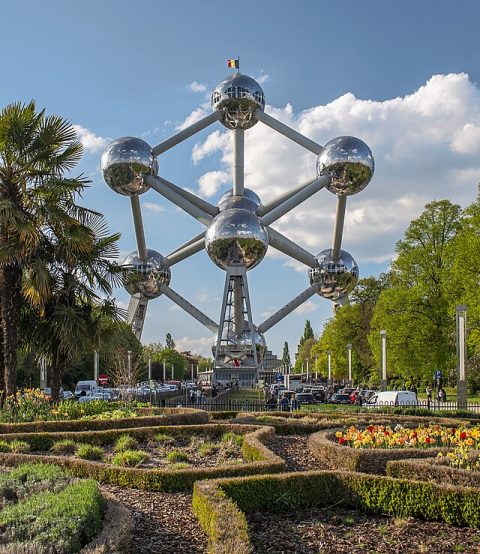
Atomium
Built for the 1958 World's Fair, the Atomium is Brussels' most iconic modern landmark. This surrealist structure represents an iron crystal magnified 165 billion times, standing 102 meters tall with nine interconnected spheres. Five spheres are accessible to visitors. The top sphere features a panoramic restaurant with stunning 360-degree views of Brussels. The building was fully renovated in 2006 with gleaming stainless steel cladding. At night, the structure is beautifully illuminated, creating a spectacular sight visible from across the city.
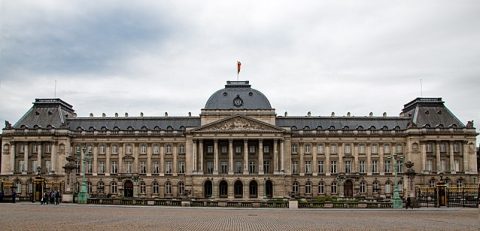
Royal Palace of Brussels
The Royal Palace serves as the official palace of the Belgian monarchy, though The palace is the King’s administrative residence and main workplace. The current neoclassical facade dates from the early 20th century and is longer than Buckingham Palace. During summer months (late July to early September), the palace opens its doors to the public free of charge, allowing visitors to explore the lavish state rooms, including the stunning Throne Room and the Hall of Mirrors with its remarkable ceiling covered in beetle wing cases by artist Jan Fabre. The palace faces the beautiful Brussels Park and represents Belgian royal grandeur and constitutional monarchy.
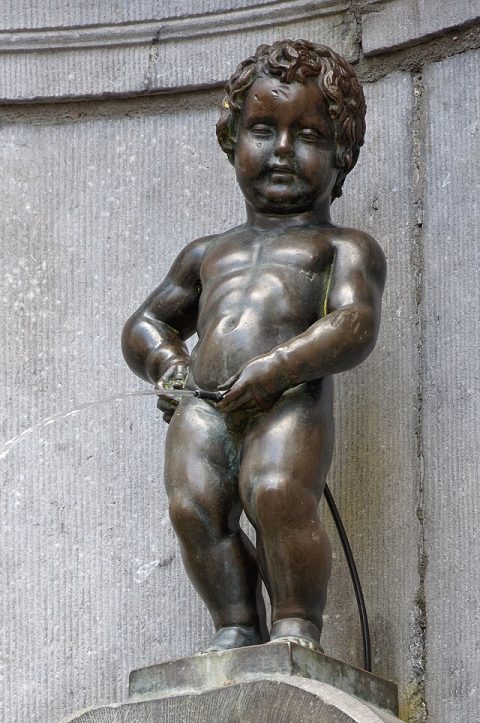
Manneken Pis
This small bronze fountain sculpture of a urinating boy has become Brussels' most beloved symbol. Created by Jérôme Duquesnoy in 1619, Manneken Pis stands just 61 cm tall but draws enormous crowds. The statue has been stolen numerous times throughout history and has a wardrobe of over 1,000 costumes gifted by dignitaries and organizations worldwide, which he wears on special occasions. The costumes are displayed at the Brussels City Museum. According to legend, the statue commemorates a small boy who saved Brussels by urinating on enemy explosives. Don't miss his female counterpart, Jeanneke Pis, and the dog version, Zinneke Pis, located elsewhere in the city.
Tips for Landmarks & Monuments
- Visit Grand Place at night for stunning illuminated facades and fewer crowds
- Book Atomium tickets online to skip queues, especially during peak season
- Check costume schedule for Manneken Pis to see him dressed up
- Royal Palace opens only in summer (late July-September) and For the 2026 summer opening, tickets cost €10 for visitors aged 13 and over; children under 13 enter free but still need reservations. The palace was open July 3–August 16, 2026.
- Photography is allowed at most landmarks but be respectful of other visitors