Experience Brussels through specialized tours, from chocolate tastings and beer experiences to comic book walks and behind-the-scenes access to EU institutions. These activities provide deeper insights into Belgian culture and expertise.
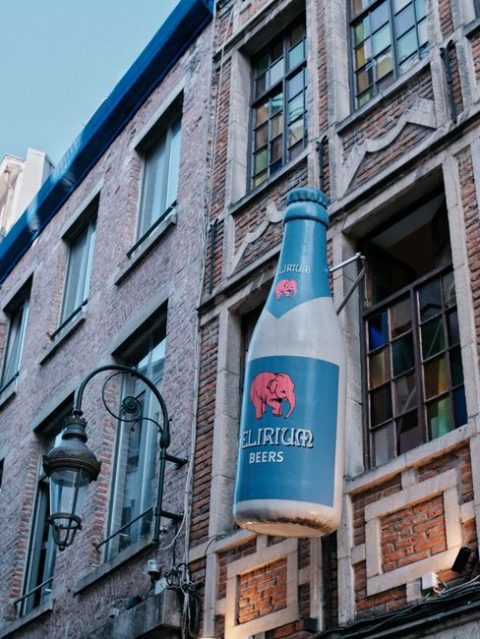
Belgian Beer Tasting Tours
Belgium produces over 1,500 different beers, making beer tasting tours essential for understanding Belgian culture. Professional guides lead visitors through Brussels' best beer bars, explaining brewing traditions, Trappist monasteries, lambic fermentation, and how to properly taste different styles. Tours typically include 5-8 beer samples from various categories: Trappist ales, abbey beers, lambics, saisons, and strong golden ales. Many tours visit historic pubs like Delirium Café (Guinness Record holder for most beers available) or traditional cafes serving rare artisanal brews. Some include brewery visits or beer museum tours. Guides share food pairing tips and Belgian drinking culture etiquette. Tours accommodate various preferences from light sessions to serious beer geek experiences.
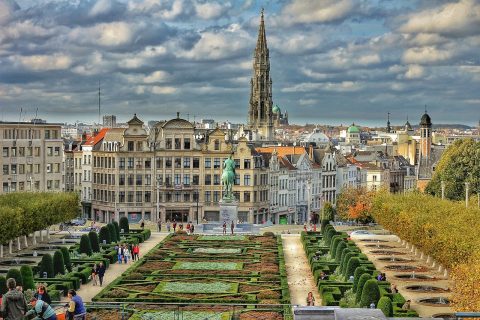
Chocolate Walking Tours
Chocolate tours take visitors into Brussels' sweet heart, visiting artisan chocolatiers and praline makers who maintain centuries-old Belgian traditions. Expert guides explain cocoa sourcing, tempering techniques, and why Belgian chocolate achieves its distinctive smoothness. Tours stop at 5-7 premium chocolatiers including famous names like Neuhaus (inventors of the praline), Pierre Marcolini, and family-run boutiques. Participants taste various chocolate styles, learn to distinguish quality, and discover the difference between mass-produced and artisan products. Some tours include chocolate-making demonstrations or hands-on workshops. The Sablon district features prominently as Brussels' chocolate epicenter. Tours combine gastronomy with Belgian history and architecture as you walk historic streets between tastings.
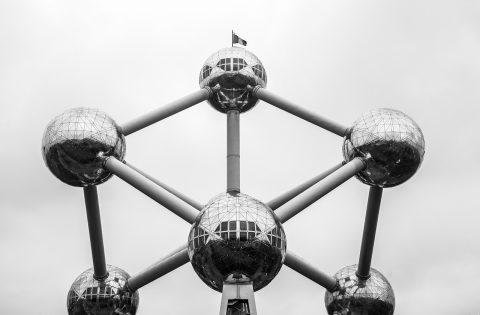
Art Nouveau Architecture Tour
Brussels is the world's Art Nouveau capital, and specialized architecture tours reveal Victor Horta's masterpieces and other stunning examples of this decorative style that flourished 1893-1914. Expert guides lead visitors to private residences, commercial buildings, and public structures showcasing the movement's signature curved lines, floral motifs, iron work, and integration of art with architecture. Tours typically include the Horta Museum, Hôtel Tassel, Hôtel Solvay (UNESCO sites), and less-known gems in the Ixelles and Saint-Gilles neighborhoods. Guides explain the social context, artistic philosophy, and technical innovations. Photography opportunities abound with ornate facades, stained glass, and sculptural details. Essential for architecture enthusiasts and anyone interested in Belle Époque aesthetics.
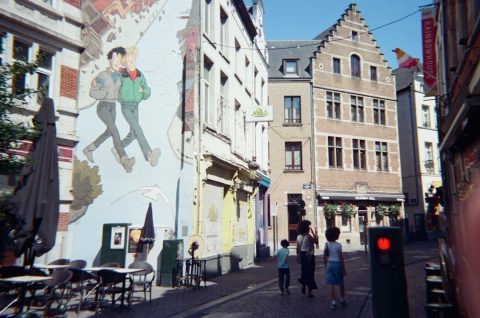
Comic Book & Street Art Walk
European Parliament Tours
Free guided tours of the European Parliament offer fascinating insights into EU governance and decision-making. Visitors see the hemicycle chamber where 705 Members of Parliament debate, learn about the EU's legislative process, and understand how European democracy functions. The multimedia Parlamentarium visitor center complements the tour with interactive exhibits in all 24 EU languages. When Parliament is in session, visitors can watch debates from the public gallery (advance booking required). The modern architecture contrasts with Brussels' historic buildings, symbolizing Europe's future. Tours explain the EU's impact on daily life, from consumer protection to environmental standards. Security screening required. It's a unique opportunity to witness international cooperation at work.
Tips for Tours & Activities
- Book tours in advance especially for beer/chocolate experiences as they fill quickly in peak season
- Afternoon beer tours are better than morning ones - Belgian beers deserve proper appreciation time
- Wear comfortable shoes - walking tours cover 2-5km on cobblestones
- Free walking tours operate on tips - budget €10-15 per person for good service
- Private tours offer flexibility and deeper expertise if you have specific interests