Brussels' diverse neighborhoods each offer distinct character and atmosphere, from the trendy bars of Saint-Géry to the multicultural vibrancy of Matongé and the European Quarter's modern architecture.
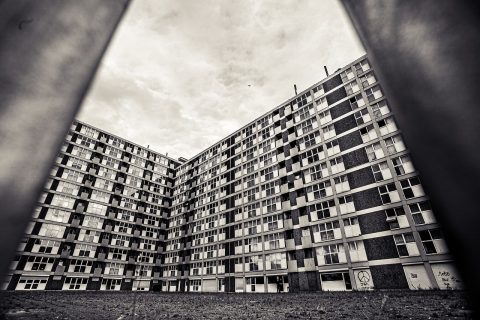
Marolles
The Marolles neighborhood is Brussels' most authentic working-class district, centered around the famous daily flea market at Place du Jeu de Balle. This bohemian quarter retains its Bruxellois character with antique shops, vintage boutiques, traditional cafes, and working-class pubs where locals speak Brussels' dialect. The area stretches below the Palais de Justice on the hillside. Browse the flea market for treasures (best early morning), explore quirky shops, and enjoy affordable ethnic restaurants. The neighborhood has an artistic vibe with galleries and street art. Visit the elevator at the Palais de Justice for spectacular views. Marolles offers a genuine slice of Brussels life away from tourist polish.
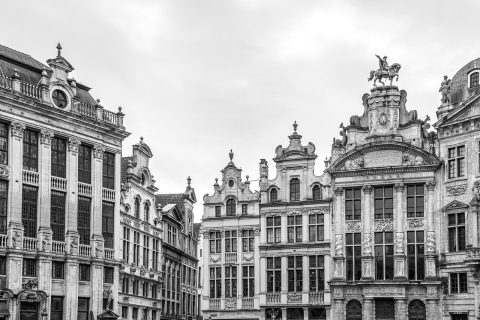
European Quarter
The European Quarter (Quartier Européen) is Brussels' modern face, housing EU institutions including the European Parliament, European Commission, and Council of the European Union. The area features contemporary architecture like the Berlaymont building's distinctive star-shaped Commission headquarters and the Parliament's modernist structures. Parks like Leopold Park and Cinquantenaire provide green spaces among the offices. The neighborhood has international restaurants, multilingual bookshops, and several interesting museums including the House of European History and Parlamentarium. While criticized for soul-less architecture, it's fascinating to witness the heart of European governance. Free tours of Parliament are available when sessions aren't in progress.
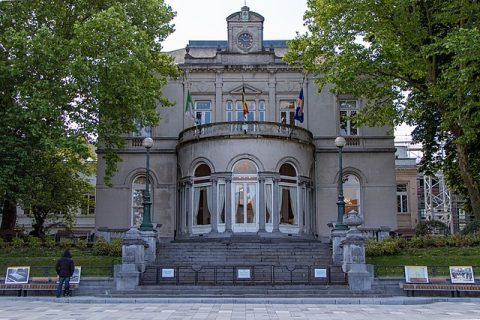
Ixelles/Elsene
Ixelles is a cosmopolitan municipality known for its Art Nouveau architecture, multicultural dining, and vibrant student life. The area includes several distinct sub-neighborhoods: the elegant Avenue Louise shopping district, the trendy Châtelain quarter with its Wednesday market and organic restaurants, the African quarter of Matongé with Congolese shops and cuisine, and the Flagey square area with its Art Deco building housing concert halls and Sunday market. Ixelles Ponds offer peaceful walking paths. The neighborhood attracts young professionals and artists, resulting in excellent restaurants, bars, and cultural venues. It's less touristy but highly livable, showing modern Brussels at its multicultural best.
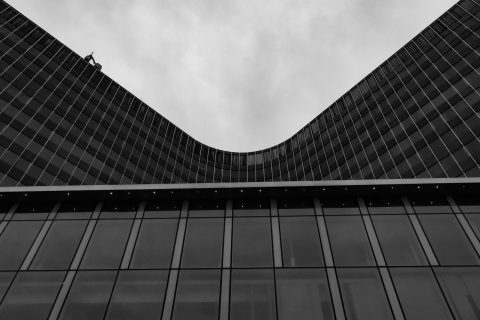
Saint-Géry & Dansaert
The Saint-Géry district and adjacent Rue Antoine Dansaert form Brussels' hippest neighborhood for nightlife and fashion. Place Saint-Géry's covered market building is surrounded by trendy bars with outdoor terraces that fill nightly with a young, stylish crowd. Rue Antoine Dansaert is lined with Belgian fashion designers' boutiques, concept stores, and design shops showcasing local creativity. The area has excellent restaurants ranging from innovative fine dining to casual organic bistros. Former working-class buildings now house galleries, vintage shops, and creative studios. The neighborhood comes alive after work and stays busy until late. It's the best place to experience Brussels' contemporary creative scene and nightlife away from tourist areas.
Tips for Neighborhoods & Districts
- Marolles flea market operates daily 6am-2pm; arrive before 9am for best finds before dealers snatch everything
- Saint-Géry is dead during day but transforms into nightlife hub after 7pm, especially Thursday-Saturday
- Châtelain market Wednesday afternoons offers excellent organic produce and prepared foods
- European Quarter is quiet on weekends when offices close - visit weekdays to see it in action
- Combine neighborhoods - Sablon, Marolles, and Grand Place are walkable together