Hangzhou's spiritual heritage reflects Buddhist and Taoist traditions with ancient temples, monasteries, and meditation centers nestled in scenic mountain settings. These sacred sites offer both cultural insights and peaceful retreats.
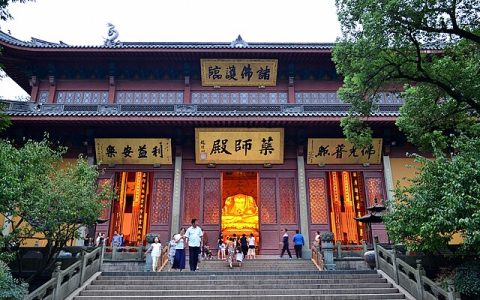
Lingyin Temple
One of China's ten most famous Buddhist temples, founded in 326 AD. Located in a lush valley at the base of Lingyin Mountain. The temple complex houses over 300,000 Buddhist relics and features intricate wooden carvings, ancient bells, and peaceful meditation areas. The main hall contains a massive gilded Buddha statue. The surrounding forest trails lead to hidden caves with Buddhist stone sculptures carved into mountainsides.
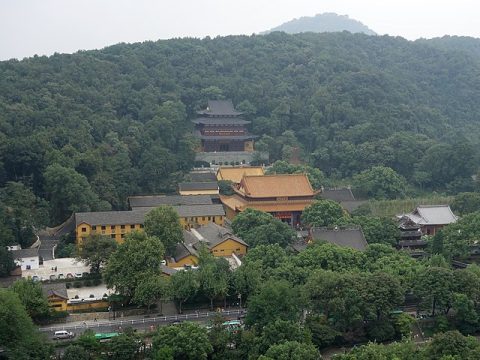
Jingci Temple
"Temple of Pure Mercy" sits directly across from West Lake's Leifeng Pagoda. Founded in 954 AD, it features striking red gates and traditional Buddhist architecture. Famous for its golden Buddha statue and peaceful courtyards. The temple garden overlooks West Lake with scenic pavilions. Visitors often light incense and participate in Buddhist meditation sessions. The temple teahouse serves traditional Hangzhou green tea.
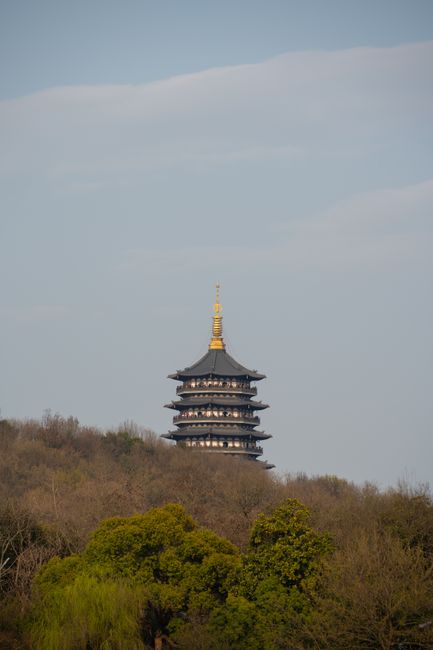
Yue Fei Mausoleum
Sacred site honoring the Song Dynasty general Yue Fei. The mausoleum features traditional red walls, ornate gates, and ritual spaces. Contains exhibits about the legendary general and his tomb. Surrounded by peaceful gardens and incense-filled halls. Visitors pay respects to this revered historical figure. The complex includes museums with historical artifacts and traditional architecture showcasing Song Dynasty design.
Tips for Religious Sites
- Check each temple separately. Lingyin Feilai Peak’s public visiting hours are 07:30–17:30, with last admission at 17:00.
- Remove shoes when entering main halls as a sign of respect
- Photography may be restricted in certain sacred areas
- Incense and offerings available for purchase at temple shops
- Best to visit on weekday mornings for peaceful experience