Larnaca sits atop the ancient city-kingdom of Kition, founded in the 13th century BCE. Archaeological excavations have revealed remarkable remains of this Bronze Age civilization, including Phoenician temples and cyclopean walls. These sites provide fascinating glimpses into Cyprus's role as a crossroads of Mediterranean civilizations.
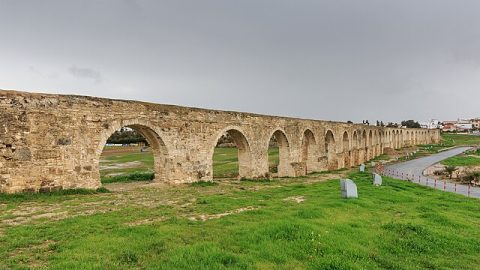
Kamares Aqueduct (Bekir Pasha Aqueduct)
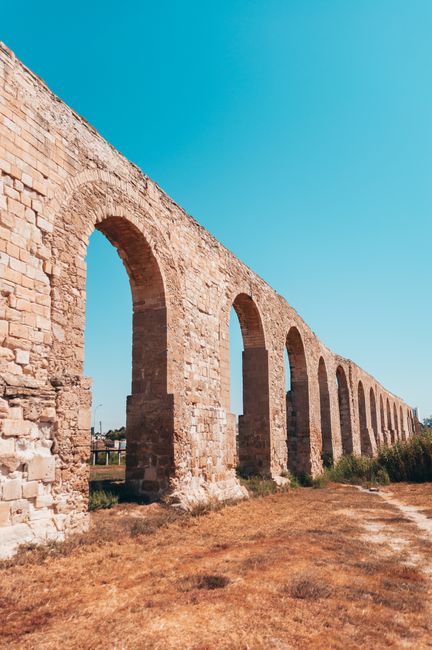
This magnificent 18th-century Ottoman aqueduct stands as one of Larnaca's most photogenic landmarks. Commissioned by Ottoman Governor Bekir Pasha in 1746 and completed in 1748, it was built using classical Roman architectural techniques. The aqueduct solved Larnaca's chronic freshwater problems by transporting water from distant springs through an ingenious system combining underground channels (8km) and overland arches (7km). The surviving 75 arches, known locally as "Kamares," stretch impressively along the old Limassol road. Some historians believe it may have been built atop or using stones from an earlier Roman structure. The aqueduct remained operational until the 1950s and now serves as a popular backdrop for evening concerts and cultural events, beautifully illuminated at night.
Ancient Kition Archaeological Site
The sparse but significant ruins of Kition (Area II) represent what remains of the original city-kingdom established around 1300 BCE. The official tourism account dates Phoenician settlement to the 9th century BCE, and their influence is evident in the excavated structures. Visitors can see impressive cyclopean walls constructed from massive limestone blocks, foundations of ancient temples dedicated to the goddess Astarte, and remains of copper workshops that highlight Kition's importance in Bronze Age trade. The site includes five temples and evidence of sophisticated urban planning. Much of ancient Kition lies beneath modern Larnaca, making this archaeological area particularly precious. The birthplace of the Stoic philosopher Zeno of Citium (334 BCE), founder of the famous Stoic school of philosophy in Athens.
Tips for Ancient & Historical Sites
- Visit Kamares Aqueduct during golden hour (sunrise or sunset) for stunning photography
- The aqueduct is free to access and open 24/7
- Combine your visit with a walk along the Salt Lake path for scenic views
- Kition site hours depend on archaeological work – check ahead
- Bring water and sun protection as archaeological sites have limited shade