Larnaca's religious and historical landmarks tell the story of millennia of civilization, from early Christian saints to Ottoman architecture. These sacred sites showcase stunning Byzantine art, medieval fortifications, and spiritual significance that continues to draw pilgrims and history enthusiasts from around the world.
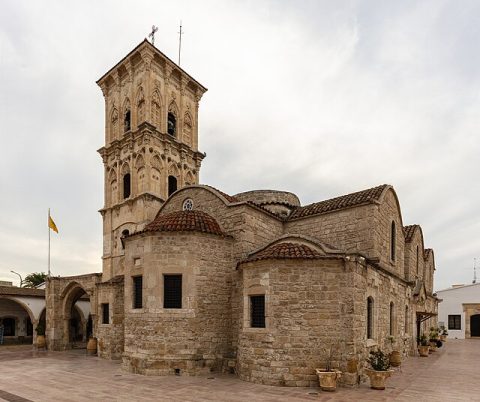
Church of Saint Lazarus (Agios Lazaros)
This magnificent 9th-century Byzantine church stands as one of Cyprus's most important religious monuments. According to Christian tradition, it was built over the tomb of Lazarus of Bethany, whom Jesus raised from the dead. After his resurrection, Lazarus became the first Bishop of Kition and lived here for 30 years. The church features stunning stone architecture, a beautiful iconostasis, and an impressive bell tower added in the 1850s. The interior houses precious icons and the saint's marble sarcophagus. Located in the heart of Saint Lazarus Square, surrounded by charming cafes and shops, it serves as both a spiritual center and cultural landmark. The church's central location makes it easily accessible from the Finikoudes promenade.
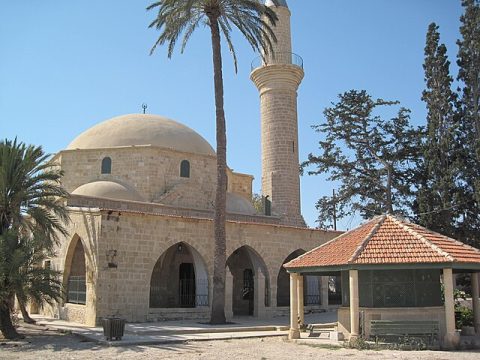
Hala Sultan Tekke
Situated on the western shore of Larnaca Salt Lake, this important Islamic pilgrimage site is one of the holiest Muslim shrines. The mosque, also known as the Mosque of Umm Haram, was built over the tomb of Umm Haram, the wet nurse of Prophet Muhammad and wife of Ouvadas Ibn. According to tradition, she fell from her mule and died here during the first Arab raids on Cyprus in 649 AD. The complex features beautiful Ottoman architecture with a distinctive minaret, peaceful gardens with ancient trees, and serene courtyards. The setting beside the salt lake creates a picturesque scene, especially during winter when flamingos gather nearby. The mosque dates back to 1816 but stands on a site that has been sacred since the 7th century.
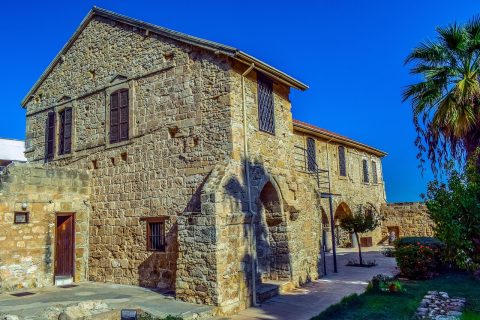
Larnaca Medieval Castle
This fortress-turned-museum guards the southern end of Finikoudes Beach and dates back to the late 14th century, built during Lusignan rule. The castle was later strengthened by the Ottomans in 1625. Throughout history, it served multiple purposes: a fortress, prison, and even a gallows during Ottoman times. Today, it houses the Larnaca Medieval Museum with exhibits showcasing medieval artifacts, weapons, pottery, and photographs documenting the castle's history. The battlements offer excellent views of the marina and coastline. The castle's strategic location at the old harbor made it a crucial defensive structure. Visitors can explore the inner courtyard, prison cells, and museum galleries that bring medieval Cyprus to life.
Tips for Religious Sites
- Dress modestly when visiting religious sites – cover shoulders and knees at churches and mosques
- Visit early morning or late afternoon to avoid midday heat and crowds
- Hala Sultan Tekke has specific opening hours: The official listing gives daily hours of 08:30–17:00 from Sept 16–Apr 15 and 08:30–19:30 from Apr 16–Sept 15.
- Photography is allowed but be respectful, especially during services
- Saint Lazarus Church often hosts beautiful Orthodox ceremonies worth attending