Prague's skyline is dominated by Gothic spires, Baroque towers, and medieval fortifications that have witnessed over 1,000 years of history. These architectural masterpieces showcase the city's Golden Age and remain among Europe's most spectacular monuments.
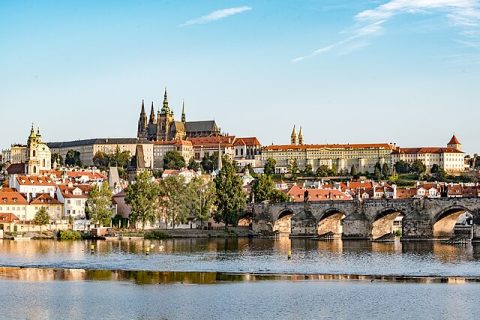
Prague Castle (Pražský Hrad)
The world's largest ancient castle complex according to Guinness World Records, Prague Castle has been the seat of Czech rulers, Holy Roman Emperors, and presidents for over 1,100 years. This vast complex encompasses palaces, churches, gardens, and courtyards showcasing architectural styles from Romanesque to Art Nouveau. The castle dominates Prague's skyline from its hilltop perch, offering spectacular panoramic views across the red-roofed city and Vltava River. Founded in the 9th century, the complex includes St. Vitus Cathedral, the Old Royal Palace with its magnificent Vladislav Hall, St. George's Basilica, and the charming Golden Lane with its tiny colorful houses. The ceremonial changing of the guard occurs daily at noon with full fanfare. Essential visit: Allocate 3-4 hours minimum to explore this UNESCO World Heritage Site.
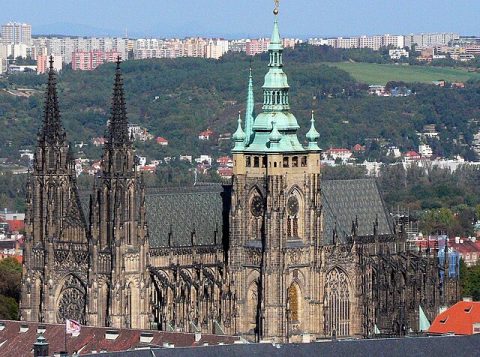
St. Vitus Cathedral
The crown jewel of Prague Castle, this stunning Gothic masterpiece took nearly 600 years to complete (1344-1929). The largest and most important church in the Czech Republic serves as the final resting place of Bohemian kings, Holy Roman Emperors, and patron saints. The cathedral houses the Czech coronation jewels, the magnificent St. Wenceslas Chapel adorned with over 1,300 semi-precious stones, breathtaking stained glass windows (including one by Art Nouveau master Alphonse Mucha), and the Royal Mausoleum. The Great South Tower rises 96.5 meters with 287 steps leading to spectacular 360-degree views over Prague. The cathedral's intricate spires, flying buttresses, and rose window exemplify Gothic architecture at its finest. Don't miss: The Mucha stained glass window and climbing the tower for unparalleled city vistas.
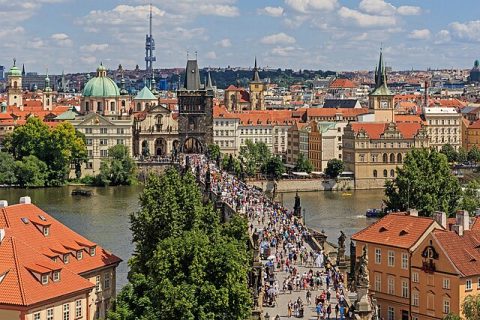
Charles Bridge (Karlův Most)
Prague's most iconic medieval bridge and one of Europe's most beautiful heritage sites, connecting Old Town with Lesser Town (Malá Strana) across the Vltava River. Built between 1357 and 1402 by architect Peter Parler under Emperor Charles IV, the 515-meter pedestrian bridge features 30 baroque statues of saints lining its balustrades, with the statue of St. John of Nepomuk being most famous. The bridge's Gothic towers at both ends offer spectacular views the Old Town Bridge Tower ranks among the world's most beautiful Gothic gateways. Legend says touching the bronze relief of St. John brings good luck and ensures your return to Prague. The bridge buzzes with street artists, musicians, and vendors by day, while early morning and evening visits reveal its romantic, quieter character. Photography tip: Visit at sunrise (6-7am) for empty bridge shots and golden light.
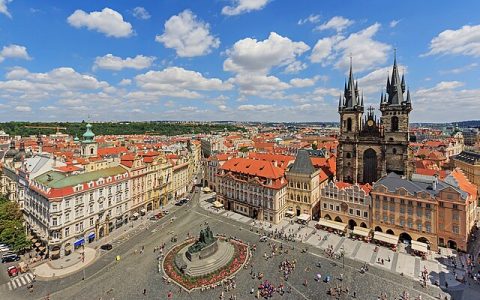
Old Town Square (Staroměstské Náměstí)
The historic heart of Prague and one of Europe's most beautiful public squares, surrounded by pastel-colored Baroque buildings, Gothic churches, and the Old Town Hall. The square has witnessed coronations, executions, demonstrations, and celebrations for over 900 years. Dominated by the twin Gothic spires of Church of Our Lady Before Týn and the medieval Astronomical Clock, the square bustles with outdoor cafés, street performers, markets, and tourist energy. The Jan Hus Memorial stands at the center, commemorating the religious reformer burned at the stake in 1415. Christmas markets transform the square into a winter wonderland, while Easter markets celebrate spring. Best experience: Find a café terrace and watch the Astronomical Clock's hourly performance while soaking in the atmosphere.
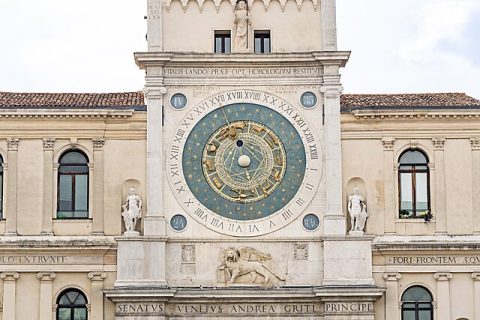
Astronomical Clock (Prague Orloj)
The world's oldest functioning astronomical clock, installed on the Old Town Hall in 1410, remains one of Prague's most mesmerizing attractions. This medieval engineering marvel consists of three main components: the astronomical dial showing the position of the sun, moon, and zodiac signs; the calendar dial with medallions representing months; and the hourly Walk of the Apostles. Every hour from 8am-11pm, crowds gather to watch the animated procession of the Twelve Apostles appearing in windows above the clock, while figures representing Death (a skeleton), Vanity, Greed, and a Turk come to life. The clock displays time in four different ways: Central European, Old Bohemian, Babylonian, and Sidereal (celestial) time. The intricate astronomical dial functions as a mechanical astrolabe, considered a wonder of medieval astronomy. Insider tip: Climb the Old Town Hall Tower for behind-the-scenes views of the clock mechanism and panoramic city vistas.
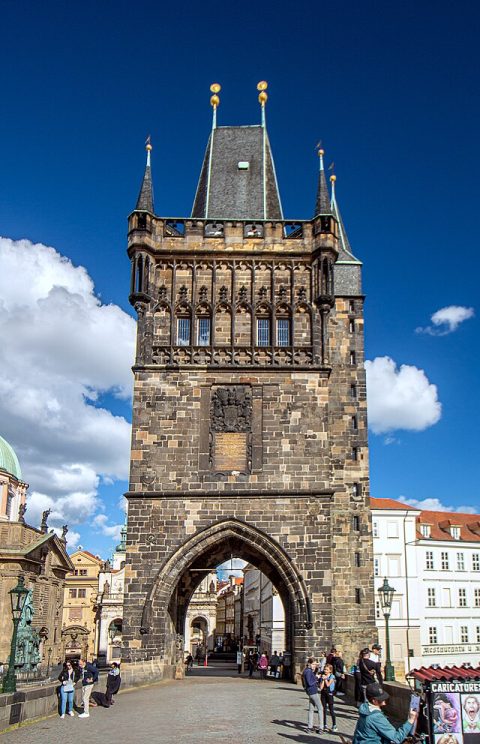
Old Town Bridge Tower
One of the most beautiful Gothic gateways in the world, this 14th-century tower guards the Old Town entrance to Charles Bridge. Built by Peter Parler alongside the bridge, the tower served as a symbolic victory arch for Czech kings' coronation processions. The facade features intricate sculptural decoration with hidden solar and lunar symbolism, emblems of territories ruled by Charles IV, and statues of St. Vitus, Charles IV, and Wenceslas IV. Climbing the 138 steps rewards visitors with spectacular views of Charles Bridge, Prague Castle, and the Old Town's red rooftops. The tower sustained damage during the Swedish siege of 1648, with subsequent reconstruction adding historical layers. Budget tip: Visit during the first hour after opening for 50% discount on admission.
Tips for Landmarks & Monuments
- Prague Castle tickets valid for 2 days - pace your visit across multiple days if desired
- Buy Prague Castle tickets at the castle information centres or through the link on the official site, hrad.cz
- Arrive at Charles Bridge before 7am for crowd-free photography and magical atmosphere
- Watch Astronomical Clock hourly show but arrive 10 minutes early as crowds pack tight
- Security checks at Prague Castle entrance can create delays - avoid bulky luggage
- Combined tickets save money - Old Town Hall Tower + Astronomical Clock access