Prague's districts each possess distinct characters, from the romantic Lesser Town to the bohemian Žižkov, offering authentic glimpses beyond tourist crowds.
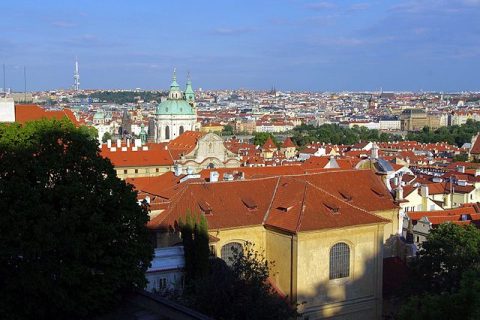
Malá Strana (Lesser Town)
The enchanting Baroque district nestled between Prague Castle and Charles Bridge, featuring Renaissance palaces, hidden gardens, cobblestone streets, and charming squares. This perfectly preserved neighborhood escaped the modernization that transformed other areas, maintaining its 18th-century character. Highlights include Malostranské náměstí (Lesser Town Square), Kampa Island with its waterfront parks, the Wallenstein Garden, Church of Our Lady Victorious (home to the famous Infant Jesus of Prague), and countless embassies occupying historic palaces. The area offers romantic atmosphere, excellent restaurants, and peaceful retreats from Old Town crowds. Exploration: Wander aimlessly through side streets discovering hidden courtyards, gardens, and architectural gems.
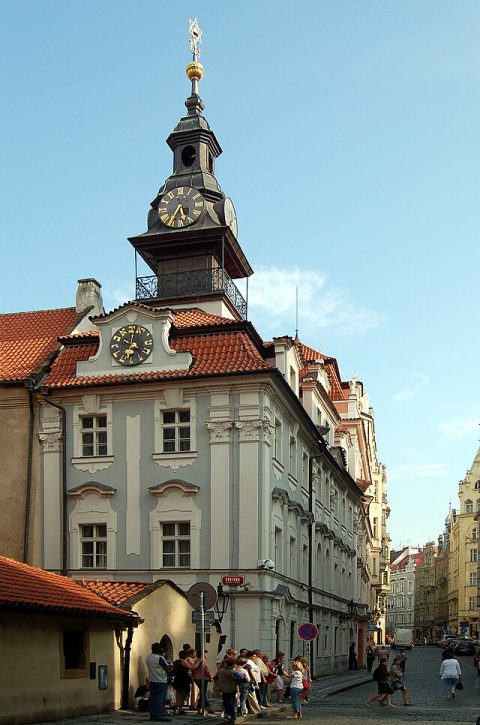
Josefov (Jewish Quarter)
Prague's historic Jewish ghetto, established in the 13th century and once home to a thriving Jewish community. Despite extensive redevelopment in the late 19th century, the quarter preserves six synagogues, the Old Jewish Cemetery, and streets echoing with centuries of Jewish life. The neighborhood witnessed both persecution and cultural flourishing, producing luminaries like Franz Kafka. Today it blends Jewish heritage sites with upscale boutiques and restaurants. The narrow Pařížská Street transforms into Prague's luxury shopping boulevard. Historical significance: Essential destination for understanding Prague's multicultural past and Jewish contributions to Czech culture.
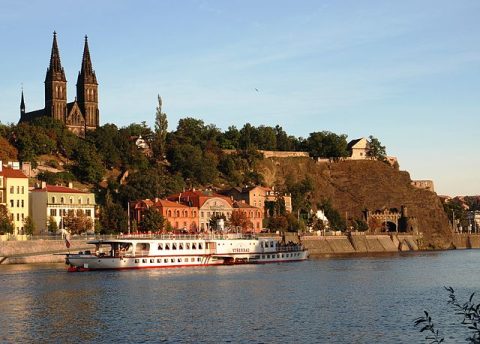
Vyšehrad
An ancient fortress on a hill overlooking the Vltava River, founded in the tenth century, with princely origins that belong more to legend than to record. This peaceful complex offers dramatic city views, the Neo-Gothic Church of St. Peter and St. Paul, the Vyšehrad Cemetery where Czech luminaries including composers Dvořák and Smetana rest, massive fortification walls, and expansive parks. The complex holds mythological significance in Czech founding legends. Casemates (underground tunnels) within the fortifications house original Charles Bridge statues. Less crowded than Prague Castle, Vyšehrad provides tranquil exploration and local atmosphere. Local favorite: Praguers' preferred alternative to tourist-packed castle areas.
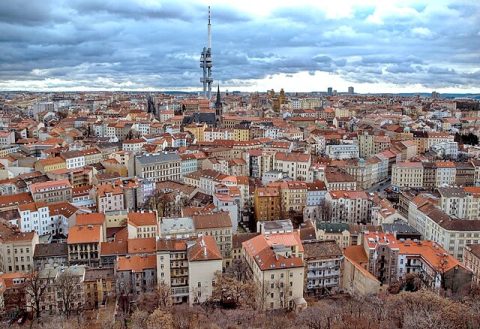
Žižkov
Prague's hipster, working-class district known for gritty authenticity, alternative culture, creative bars, and communist-era architecture. Named after Hussite military leader Jan Žižka, the neighborhood avoided tourist gentrification maintaining local character. Famous for having more pubs per capita than any Prague district, Žižkov offers authentic beer halls, underground music venues, and street art. The TV Tower Prague's tallest structure dominates the skyline with David Černý's crawling baby sculptures. Parukářka Park and Vítkov Hill provide green spaces and panoramic views. Night scene: Excellent area for experiencing local nightlife beyond tourist Old Town venues.
Tips for Neighborhoods & Districts
- Malá Strana best explored by walking - steep hills and cobblestones make transport challenging
- Combine Josefov visit with Jewish Museum circuit for complete experience
- Žižkov comes alive at night - daytime visits can seem quiet and residential
- Vyšehrad accessible by metro Line C (Vyšehrad station) - easy escape from tourist areas
- Each neighborhood rewards slow exploration over checklist sightseeing