Prague houses world-class collections spanning medieval art to modern masterpieces, Jewish heritage, and quirky specialized museums. The city's cultural institutions preserve centuries of Czech and European history through art, artifacts, and interactive exhibitions.
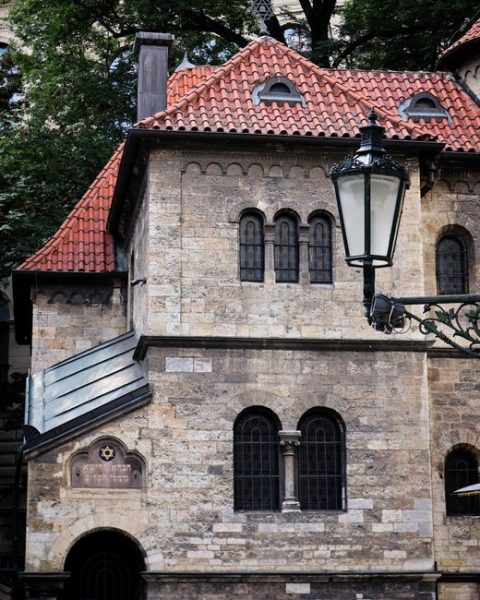
Jewish Museum Prague
One of the world's most significant Jewish museums, comprising six historic synagogues and the Old Jewish Cemetery. The collection documents the rich history of Prague's Jewish community from medieval times through the Holocaust. The Pinkas Synagogue serves as a Holocaust memorial with walls inscribed with names of 77,297 Czech and Moravian Holocaust victims. The Spanish Synagogue showcases Moorish Revival architecture and Jewish history exhibits. The Old-New Synagogue (Europe's oldest active synagogue dating to 1270) requires separate admission. The Old Jewish Cemetery contains over 12,000 gravestones layered in multiple burial levels due to space constraints. The museum's collections include priceless Judaica, religious textiles, and manuscripts. Moving experience: Allow 3-4 hours to fully absorb the emotional and historical significance.
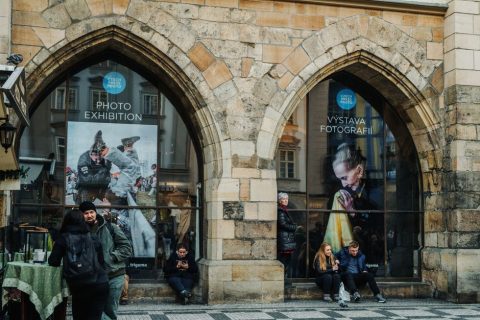
National Gallery - Various Locations
The Czech Republic's premier art institution operates across multiple historic venues throughout Prague. The Veletržní Palace houses 19th-21st century Czech and international modern art including French Impressionists, Cubists, and Surrealists. The Schwarzenberg Palace features Renaissance and Baroque European art. The Convent of St. Agnes displays medieval Czech art including Gothic altarpieces and panel paintings. The Sternberg Palace showcases European Old Masters from ancient times through the Baroque period. Each venue offers distinct collections in stunning historic settings. Art lovers: Purchase combined tickets for access to multiple galleries at reduced rates.
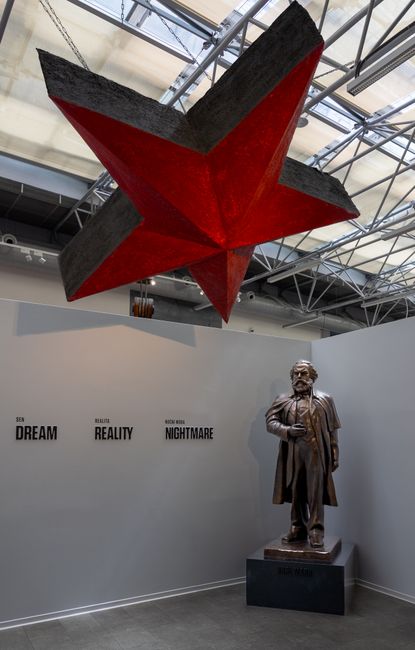
Museum of Communism
A fascinating and sobering look at Czech life under communist rule (1948-1989), featuring propaganda posters, secret police files, everyday artifacts, and multimedia exhibits. The museum chronicles the February 1948 communist coup, Stalinist repression, the Prague Spring of 1968, Soviet invasion, normalization period, and the 1989 Velvet Revolution that peacefully ended communist rule. Exhibits include interrogation room recreations, busts of Soviet leaders, and personal stories of resistance and survival. The museum provides essential context for understanding modern Czech identity and history. Historical insight: Complements castle and architectural tourism with crucial 20th-century political history.
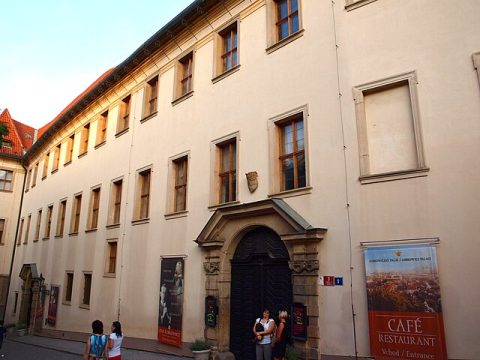
Lobkowicz Palace Museum
The only privately-owned building within Prague Castle complex, this palace houses the princely Lobkowicz family's extensive art collection. Features include works by Canaletto, Bruegel, and Velázquez; original musical manuscripts by Beethoven, Mozart, and Handel; rare weaponry and ceramics; and family portraits spanning centuries. The palace offers an intimate, less-crowded alternative to massive state museums with personal family narratives woven throughout. The rooftop café provides stunning castle views. Audio guides narrated by family members add personal touches. Hidden gem: Quieter than main castle attractions but equally impressive collections.
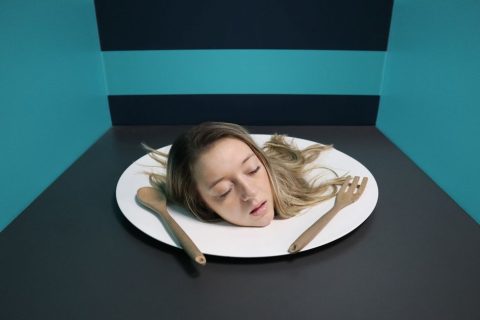
Museum of Senses & Illusion Art Museum
Interactive optical illusion and sensory experience museums offering Instagram-worthy photo opportunities and mind-bending exhibits. The Museum of Senses features over 50 interactive installations challenging perception through optical illusions, infinity rooms, gravity-defying spaces, and sensory experiments. The Illusion Art Museum showcases paintings and installations creating 3D effects perfect for creative photography. Both museums appeal to families and those seeking playful, contemporary experiences contrasting with Prague's historic attractions. Fun break: Perfect afternoon activity between castle/church visits, especially with children.
Tips for Museums & Galleries
- Prague City Pass includes many museums - calculate if it suits your itinerary
- Jewish Museum tickets include all sites except Old-New Synagogue (separate admission)
- Book Jewish Museum online to guarantee entry - limited capacity controls crowds
- Many museums closed Mondays - verify opening days before visiting
- National Gallery venues spread across city - plan transportation between locations
- Student and senior discounts widely available - bring ID