Beyond the postcard sights, Munich hides a quieter side: light-flooded subway platforms, half-forgotten cemeteries turned parks, and riverside meadows where locals actually spend their Sundays. These spots reward wandering off the well-trodden Altstadt loop and cost little more than a transit ticket or a bit of curiosity.
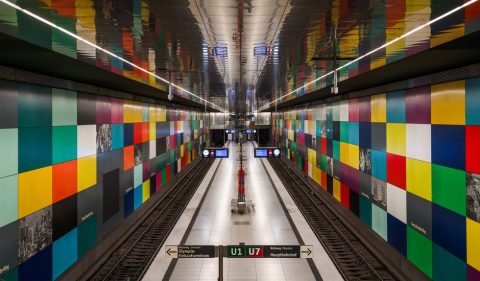
Westfriedhof U-Bahn Station
Munich's metro system holds one of the city's most photographed secrets, and almost no tourist knows to look for it. Opened in 1998, this U1 station forgoes fluorescent tubes entirely: Ingo Maurer lit the platform with enormous backlit lamps in red, yellow and blue, suspended from a deep black ceiling like planets floating in space. The effect is almost church-like, especially when a train pulls in and the colors ripple across the polished floor. It costs nothing beyond a normal transit fare, takes only minutes to see, and sits just a few stops from the center. Photographers and design fans make the detour specifically for this platform, yet most visitors ride straight past it underground without ever knowing it exists. Combine it with a stroll through the nearby residential Nordschwabing streets for an entirely non-touristy afternoon.
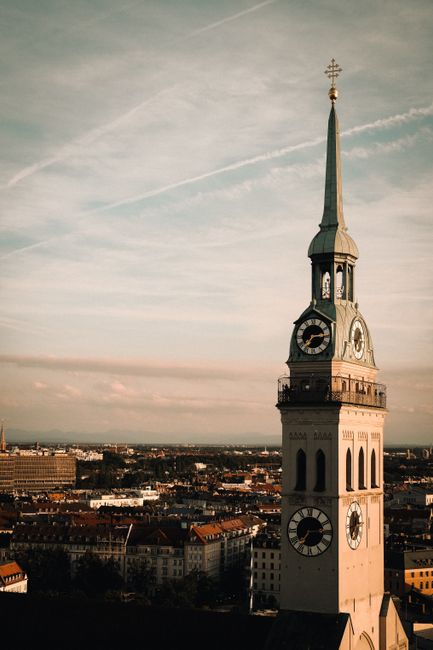
Alter Nordfriedhof
Tucked into Schwabing behind ivy-covered walls, this disused 19th-century cemetery was converted into a public park decades ago, and the result is uniquely atmospheric. Weathered gravestones, moss-covered angel statues, and wrought-iron crosses now sit among lawns where locals read, picnic, and let their dogs wander, creating a strange but peaceful blend of memorial and neighborhood green space. Tall old trees form a dense canopy that keeps the grounds cool even in summer, and the crumbling family vaults along the perimeter walls hint at the cemetery's grander original purpose. There are no ticket booths, no gift shops, and rarely another visitor with a camera. It is the kind of place Munich residents treat as a secret garden rather than a sight, making it an ideal stop for anyone who wants a genuinely local, unhurried half hour away from the crowds.
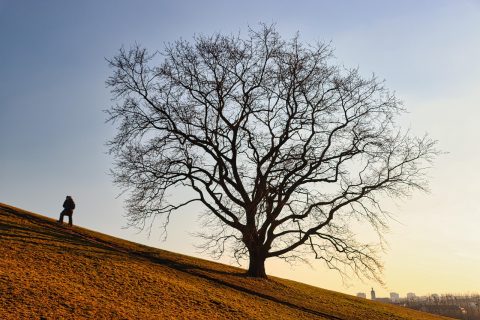
Flaucher
South of the city center, the Isar river braids into shallow gravel channels and wooded islands known collectively as the Flaucher, and on any warm day it fills with locals rather than tourists. Families grill at informal barbecue spots along the banks, students cool off in the fast, clear water, and dogs from the neighboring off-leash meadows splash through the shallows. There are no facilities to speak of beyond a few snack kiosks, which is precisely the appeal: it feels closer to a countryside swimming hole than a capital-city attraction. The paths along both banks are popular for jogging and cycling, and the northern end connects easily to the zoo grounds if a longer walk is wanted. Come in the late afternoon in summer to see Munich genuinely at leisure, or in the quieter shoulder seasons for a peaceful riverside walk.
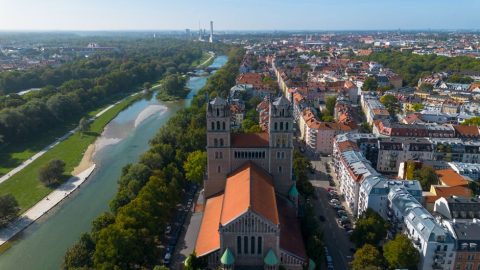
Valentin-Karlstadt-Musaum
Squeezed into the upper floors of the medieval Isartor gate tower, this small, gloriously eccentric museum honors Munich comedian Karl Valentin and his stage partner Liesl Karlstadt. Expect surreal exhibits like a fur-lined bathtub, deliberately absurd optical tricks, and deadpan captions that keep the whole visit tongue-in-cheek rather than reverent. A narrow spiral staircase leads up to a tiny café-bar at the top of the tower, open only a few hours a day, where the view over the rooftops feels like a reward for finding the place at all. Because it occupies a working city gate rather than a purpose-built museum space, the rooms are cramped, uneven, and full of character in a way no modern gallery could replicate. It is beloved by Münchners and almost entirely skipped by international visitors, despite sitting a short walk from Viktualienmarkt.
Werksviertel-Mitte
Once a cluster of industrial yards and a defunct sausage factory near the East Station, Werksviertel-Mitte has become one of Munich's most inventive creative quarters, and it barely registers on standard sightseeing itineraries. Shipping-container bars, converted warehouse galleries, a rotating Ferris wheel, and the graffiti-covered Bahnwärter Thiel beer garden (a separate venue nearby) give the area a rough, improvised energy that contrasts sharply with the city's baroque core. Street art covers entire facades, pop-up markets and concerts appear on short notice, and the crowd skews young and local. It works well as an evening stop, when the container bars and open-air screens come alive, but daytime visits reveal the murals and repurposed factory architecture without the noise. The neighborhood is still evolving, so each visit tends to turn up something new that was not there the last time.
Tips for Hidden Gems
- Visit Westfriedhof station outside rush hour to photograph the platform without crowds blocking the light orbs.
- The Valentin-Karlstadt-Musaum's rooftop cafe keeps irregular hours, so check opening times before climbing the tower.
- Flaucher gets crowded on hot weekends; arrive early morning or after 6pm for a quieter riverside spot.
- Werksviertel-Mitte is liveliest Thursday through Saturday evenings when the bars and pop-up events are running.