Plan your trip to Munich
- How long
- 2-3 days: one for the Altstadt, one for the museums and the English Garden, plus a day trip to Neuschwanstein or Salzburg.
- Best for
- Families and museum lovers: the Deutsches Museum (with a Kids' Kingdom for ages 3-8), the Pinakotheken and the old town are all close together.
- Skip it if
- You only want a beer-hall weekend: Munich rewards a mix of museums, parks and day trips.
If you only do three things
- The Frauenkirche and Marienplatz (Glockenspiel at 11:00), then the Viktualienmarkt.
- The Residenz and the Hofgarten.
- The Deutsches Museum (note: the Neue Pinakothek is closed until 2029 and the Olympic Tower until October 2027).
A one-day route
- Morning: The Frauenkirche, then Marienplatz for the 11:00 Glockenspiel.
- Midday: Lunch at the Viktualienmarkt.
- Afternoon: The Residenz, then Odeonsplatz and the Hofgarten.
- Evening: Dinner in the old town or a beer garden.
Before you go
- From Munich Airport, the S1/S8 reach the Hauptbahnhof in about 40 minutes (single ticket about €15.10, or €17.50 for the airport-city day ticket); the Lufthansa Express Bus takes about 45 minutes and costs €12.50 online.
- Zone M single tickets start at €4.20 and single-person day tickets at €10.10.
- Nymphenburg Palace uses timed tickets; buy online at least the day before.
- The Christkindlmarkt at Marienplatz runs 20 November to 24 December 2026.
Prices, opening status and transport in this plan checked against official sources on 30 September 2026.
Things to do in Munich
Munich's architectural treasures span centuries, from medieval towers to grand palaces. These iconic landmarks define the city's skyline and tell the story of Bavaria's royal heritage and cultural significance.
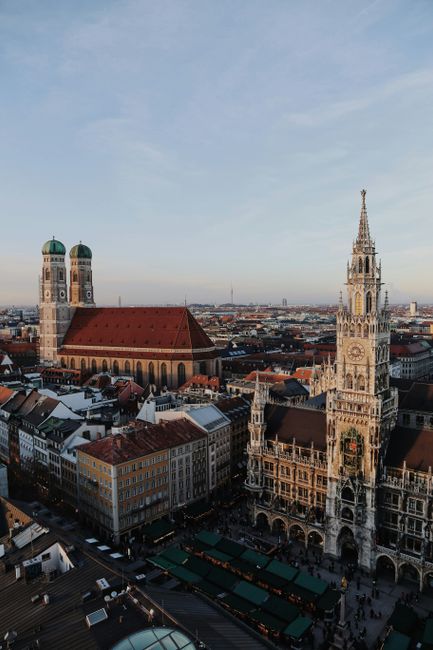
Marienplatz & Neues Rathaus (New Town Hall)
The beating heart of Munich features the stunning neo-Gothic New Town Hall with its famous Glockenspiel, which performs daily at 11am and 12pm (also 5pm March-October). Built between 1867-1909, this architectural masterpiece houses the city government and showcases intricate facades with over 400 statues. The Glockenspiel's mechanical figures reenact historical Bavarian scenes, including the 1568 wedding of Duke Wilhelm V. Watch street performers and soak in the vibrant atmosphere of Munich's most iconic square, surrounded by historic buildings, shops, and traditional restaurants.
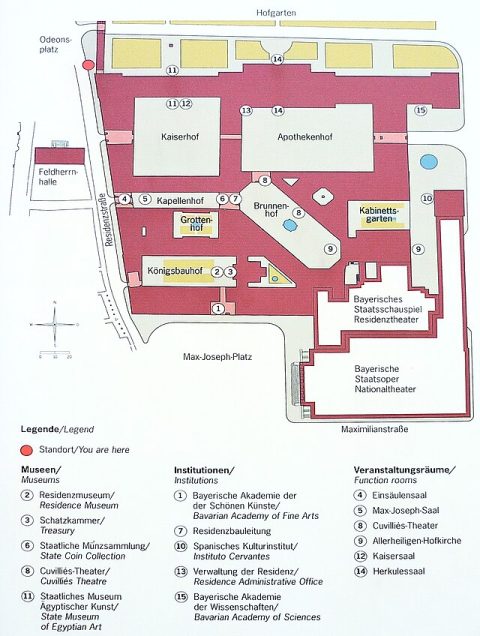
Munich Residenz
Germany's largest city palace served as the royal residence of Bavarian rulers for over 400 years. This magnificent complex features over 100 lavishly decorated rooms spanning Renaissance, Baroque, Rococo, and Neoclassical styles. Explore the stunning Antiquarium hall, the opulent Treasury housing the Bavarian Crown Jewels, and the beautiful Cuvilliés Theatre. The Residenz Museum, open since 1920, is one of Europe's most important palace museums, offering an intimate glimpse into royal life through preserved furnishings, artwork, and ceremonial spaces that showcase the power and taste of the Wittelsbach dynasty.
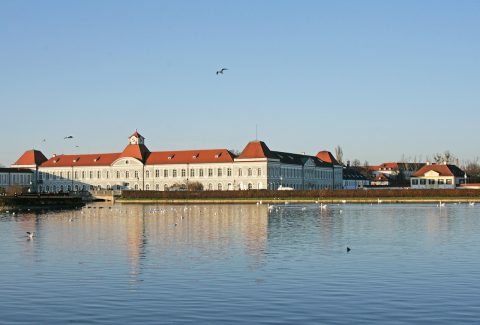
Nymphenburg Palace
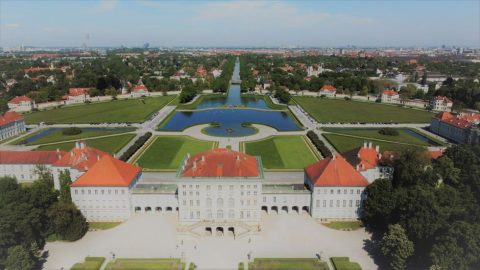
This spectacular Baroque summer residence of Bavarian royalty stretches across magnificent grounds featuring ornate pavilions, reflective lakes, and manicured gardens. Built in 1664, the palace showcases the Gallery of Beauties, the stunning Hall of Mirrors, and the famous Nymphenburg Porcelain Manufactory still producing exquisite pieces today. Visit the Marstall Museum displaying royal carriages and sleighs, the Museum of Mankind and Nature, and explore the romantic park pavilions including the Amalienburg hunting lodge and the Pagodenburg. The symmetrical gardens and baroque architecture create one of Europe's most photographed palace complexes.
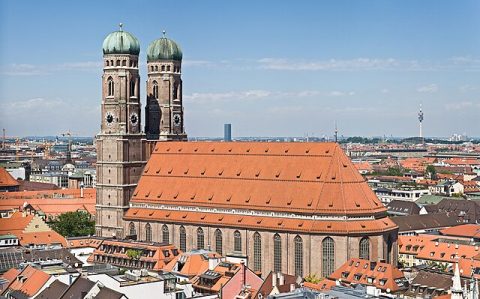
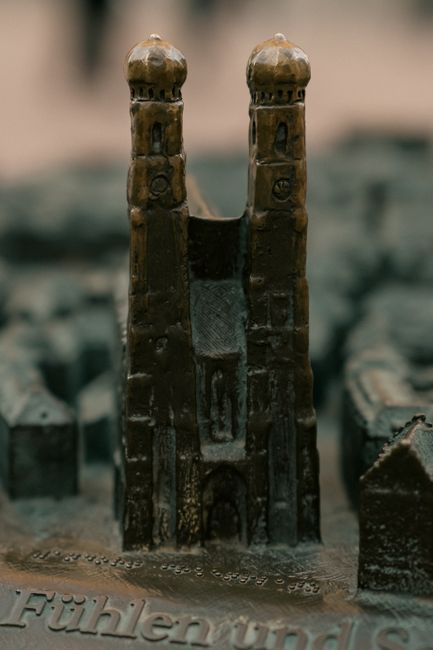
Frauenkirche (Cathedral of Our Lady)
Munich's most recognizable landmark features distinctive onion-domed twin towers rising 99 meters above the Old Town. This late-Gothic cathedral, completed in 1488, can accommodate 20,000 people and dominates the city skyline. Legend tells of the Devil's Footstep - a mysterious footprint embedded in the entrance floor where the devil supposedly stood. Climb one of the towers for panoramic city views extending to the Alps on clear days. The cathedral showcases beautiful stained glass, Gothic vaulting, and serves as the seat of Munich's Archbishop, embodying centuries of Bavarian Catholic heritage.
Tips for Landmarks & Monuments
- Visit Marienplatz early morning (before 10am) to avoid crowds and get the best photos
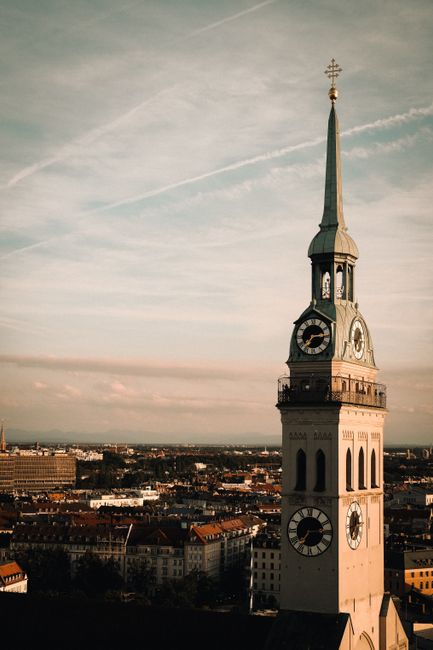
- Climb St. Peter's Church tower (296 steps) near Marienplatz for the best panoramic views - locals call it "Alter Peter"
- Purchase combined tickets for multiple palaces to save money
- Sunday admission to many state museums is only €1
Munich ranks among Europe's premier museum destinations with world-class collections spanning art, science, technology, and history. From Old Masters to cutting-edge exhibitions, the city's museums offer intellectual enrichment and cultural discovery.
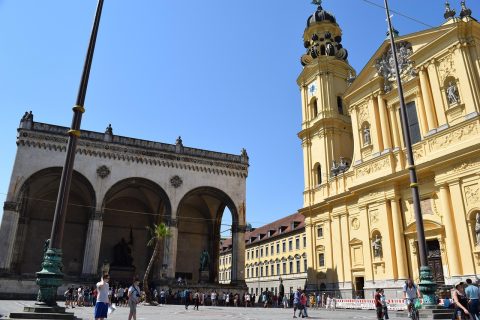
Deutsches Museum
The world's largest science and technology museum occupies an entire island on the Isar River. With over 28,000 exhibited objects covering 50 fields of technology, this interactive wonderland captivates visitors of all ages. Experience a flight simulator, explore historical aircraft (the marine-navigation hall with the U1 submarine is closed until about 2028), watch live science demonstrations, and discover the Kids' Kingdom designed for young explorers. Exhibitions span mining, astronomy, physics, chemistry, telecommunications, and much more. The museum's comprehensive collection includes working models, original artifacts, and hands-on experiments that make science accessible and exciting. Plan for several hours or return for multiple visits to this treasure trove of human achievement.
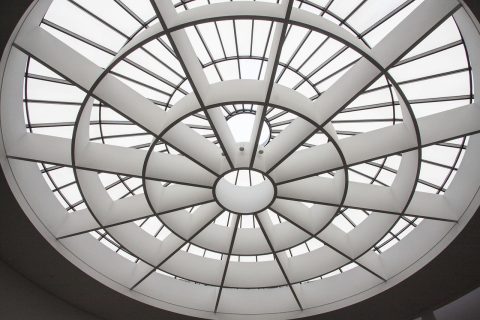
Alte Pinakothek
One of the world's oldest and finest art galleries houses masterpieces from the 14th to 18th centuries. The collection includes works by Dürer, Raphael, Leonardo da Vinci, Rubens, and Rembrandt. Built in 1836, this neo-Renaissance gallery displays over 800 paintings from the European Old Masters, with particular strength in German, Dutch, Flemish, and Italian works. The Bavarian royal collection rivals any major European museum for breadth and quality. Sunday admission is only €1, making it one of Europe's best art bargains. Don't miss Rubens' monumental works and Dürer's seminal self-portraits.
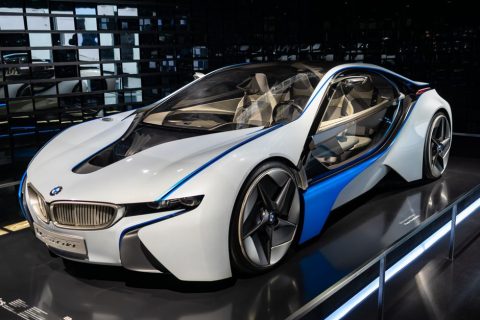
BMW Museum & BMW Welt
Experience Bavaria's legendary automotive heritage at this state-of-the-art exhibition showcasing over 100 years of BMW innovation. The futuristic BMW Welt building offers free entry to see the latest models and cutting-edge concept cars. The adjacent BMW Museum chronicles the brand's evolution from aircraft engines to luxury vehicles, featuring rare classics, motorcycles, Formula 1 racecars, and interactive displays. Watch new BMWs being delivered to owners, explore sustainable mobility concepts, and understand how German engineering became synonymous with automotive excellence. The architecture alone is worth the visit - a striking double-cone structure reflecting BMW's forward-thinking philosophy.
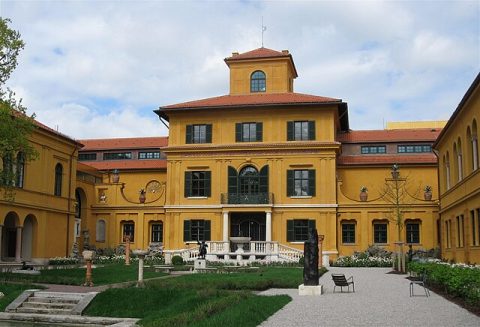
Lenbachhaus
This striking museum houses the world's largest collection of Blue Rider (Der Blaue Reiter) works, including masterpieces by Kandinsky, Marc, and Münter who revolutionized modern art in Munich. The villa of aristocratic painter Franz von Lenbach combines historic rooms with a stunning modern extension. The collection spans Munich art from the 15th century to contemporary installations. Free evening admission on the first Thursday of each month makes this gem accessible to all. The museum gardens provide a peaceful retreat in the bustling Kunstareal district.
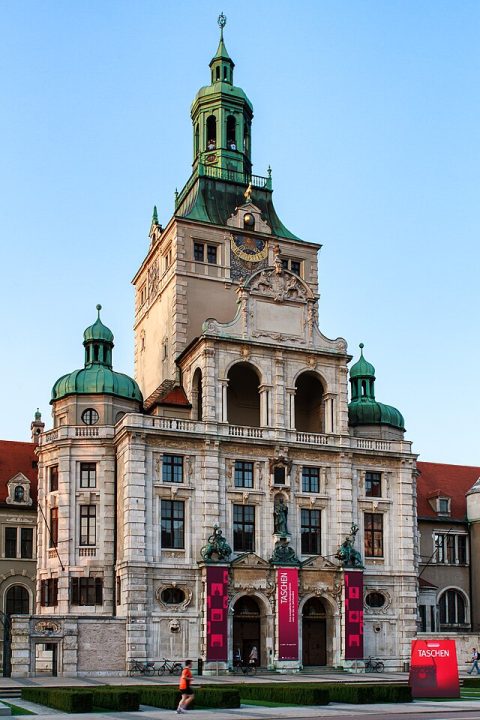
Bavarian National Museum
Discover Bavaria's cultural treasures through comprehensive collections of decorative arts, sculptures, and historical artifacts. From medieval religious art to Baroque craftsmanship, this museum chronicles Bavarian artistic achievement across centuries. Highlights include the world-famous Nativity scene collection, Gothic sculptures, Renaissance furniture, and exquisite porcelain. The building itself showcases various architectural styles. Sunday €1 admission makes this outstanding museum an exceptional value for history and art enthusiasts seeking to understand Bavarian cultural identity and artistic traditions.
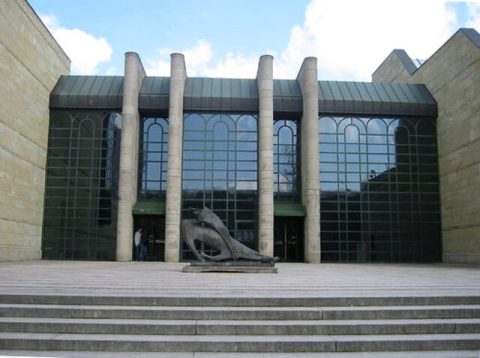
Neue Pinakothek
Closed for renovation; reopening is planned for 2029. Selected works are shown at the Alte Pinakothek and the Sammlung Schack in the meantime. This stunning gallery showcases European art from the 18th to early 20th centuries, including Impressionism, Romanticism, and Jugendstil (Art Nouveau). The collection features works by Monet, Renoir, van Gogh, Gauguin, Klimt, and Cézanne, as well as German masters like Friedrich and Menzel. Built to complement the Alte Pinakothek, it offers a comprehensive journey through artistic movements that shaped modern art. The neoclassical building provides the perfect backdrop for these revolutionary works. Combined with its sister museums, visitors can trace art history from medieval times through modernism in one district.
Tips for Museums & Galleries
- €1 Sunday admission at Pinakotheken, Bavarian National Museum, and others - incredible value!
- Free evening entry to Lenbachhaus first Thursday and Haus der Kunst last Friday monthly
- Kunstareal Festival takes place in summer (next announced: 2-4 July 2027)
- Buy a day pass at Deutsches Museum - you'll want to return
- Maxvorstadt district cafés perfect for breaks between museums
Munich's churches represent centuries of faith, art, and architectural evolution. From Gothic cathedrals to Baroque jewel boxes, these sacred spaces showcase Bavaria's deep Catholic heritage and house remarkable artistic treasures.
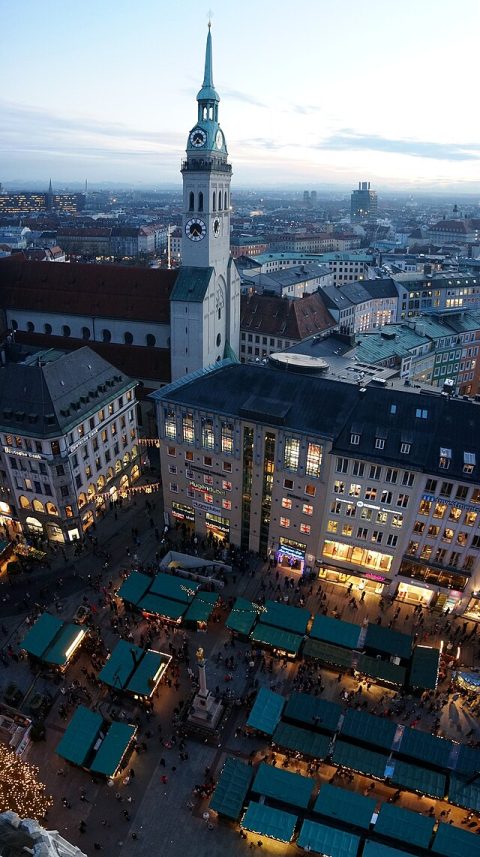
St. Peter's Church (Alter Peter)
Munich's oldest parish church, affectionately called "Alter Peter" by locals, stands on Petersbergl hill since 1386. Climb 296 steps up the tower for the city's most spectacular panoramic views - on clear days, see the Alps! The interior dazzles with ornate Baroque and Rococo decoration, including stunning frescoes, gilded altars, and the relic of St. Mundita encased in jewels and gold. The tower climb rewards visitors with 360-degree views across red-tiled roofs to distant mountains. Mass is celebrated daily in this living church that has witnessed Munich's entire history from its foundation.
Theatinerkirche (St. Cajetan)
This magnificent Italian High Baroque church with distinctive yellow facade and twin domes dominates the Odeonsplatz. Built in 1663 by Italian architects, it celebrates the birth of crown prince Max Emanuel. The brilliant white interior features soaring vaulted ceilings, dramatic columns, and ornate stucco work creating an atmosphere of heavenly lightness. The church houses the Wittelsbach family crypt. Its Mediterranean-influenced architecture contrasts beautifully with Munich's Gothic traditions, representing Bavaria's cultural connections to Italy and Catholic Europe's artistic grandeur.
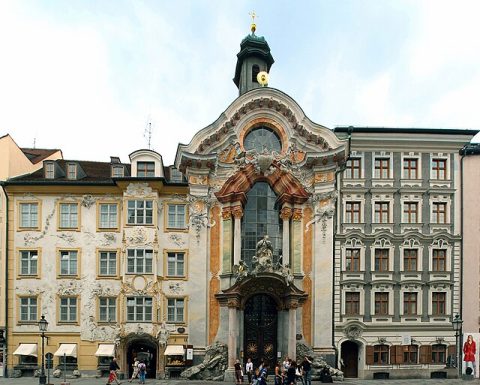
Asamkirche (St. Johann Nepomuk)
A Baroque masterpiece hidden on a narrow street in Sendling, this intimate church overwhelms with its opulent decoration. Built privately by the Asam brothers between 1733-1746, every surface explodes with gilded stucco, dramatic frescoes, twisted columns, and theatrical lighting effects. Despite its tiny footprint, the sophisticated use of perspective and light creates an illusion of vast space reaching toward heaven. The brothers' artistic genius transforms this personal chapel into one of Europe's most stunning Baroque interiors, demonstrating the style's theatrical power and emotional intensity. Free admission to this hidden gem.
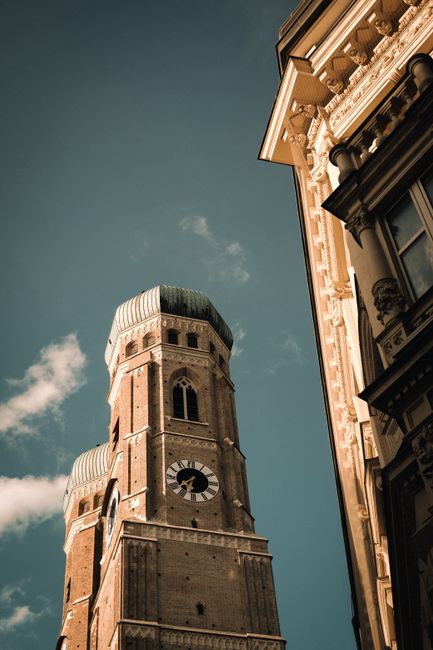
Michaelskirche
The largest Renaissance church north of the Alps showcases impressive barrel-vaulted ceilings second only to St. Peter's in Rome. Built 1583-1597 for the Jesuits, it represents the Counter-Reformation's architectural response to Protestantism. The crypt houses royal tombs including King Ludwig II, the fairytale king who built Neuschwanstein. The monumental facade with bronze portals and statue of St. Michael defeating Lucifer announces the church's spiritual power. Inside, white walls and golden accents create serene grandeur. Free organ concerts regularly fill the space with sacred music echoing through centuries of history.
Tips for Religious Sites
- Climb Alter Peter early morning for best light and fewer crowds
- Dress modestly when visiting churches (covered shoulders and knees)
- Check concert schedules - many churches host free classical music performances
- Respect service times - visit during hours open to tourists
- Photography restrictions vary - ask before taking photos inside
Munich's abundant green spaces offer urban oases for relaxation, recreation, and natural beauty. From the vast English Garden to formal palace grounds, these parks are integral to Munich's high quality of life.
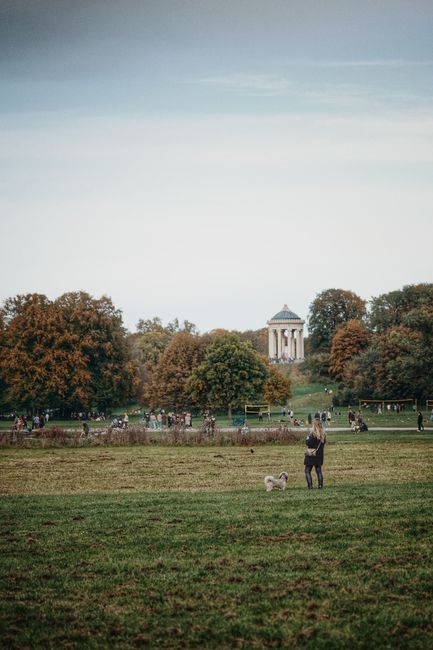
Englischer Garten (English Garden)
One of the world's largest urban parks - bigger than New York's Central Park - stretches 5km through Munich's heart. Created in 1789, this 900-acre green paradise offers meadows, forests, streams, and lakes where locals sunbathe (sometimes nude in designated areas), jog, cycle, and relax. Watch surfers ride the standing wave at Eisbach, visit the iconic Chinese Tower beer garden seating 7,000, enjoy tea at the Japanese Teahouse, and climb Monopteros temple for panoramic views. The park embodies Munich's outdoor lifestyle, hosting impromptu picnics, soccer games, and summer gatherings that make it the city's living room.
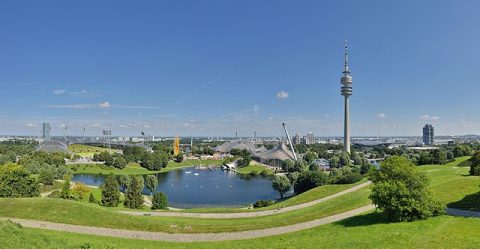
Olympiapark
Built for the 1972 Summer Olympics, this iconic park features revolutionary tent-roof architecture, a 290-meter Olympic Tower with panoramic views, and diverse activities. The park hosts concerts, festivals, and sporting events while offering free green spaces for jogging, swimming, and relaxation. Note that the Olympic Tower is closed for renovation (expected to reopen in October 2027); explore the BMW Museum and Welt complex adjacent, or take guided tours including thrilling roof climbs. The Olympic Stadium's groundbreaking tensile architecture influenced modern stadium design worldwide. Free to enter, with various paid attractions, it remains a beloved recreational area combining architectural significance with contemporary culture.
Nymphenburg Palace Gardens
The expansive Baroque gardens surrounding Nymphenburg Palace showcase formal landscaping, romantic pavilions, and natural parkland. Symmetrical canals reflect the palace facade, while winding paths lead to hidden gems like the Amalienburg hunting lodge with its Hall of Mirrors, the Pagodenburg bathing pavilion, and the Badenburg featuring Europe's first indoor heated pool. Swans glide across ornamental lakes, and ancient trees shade quiet corners perfect for contemplation. Free to explore outside palace opening hours, these grounds transition from geometric formality near the palace to English landscape park, demonstrating evolving gardening philosophies across centuries.
Tips for Parks & Gardens
- Bring a blanket and picnic to English Garden - locals do it constantly
- Beer gardens allow outside food - bring your own and just buy drinks
- Watch Eisbach surfers year-round at the standing wave near Haus der Kunst
- Chinese Tower beer garden is Munich's most atmospheric spot
- Rent bikes to explore English Garden's full extent
- Sunrise at Monopteros offers magical city views
Munich's public squares and elegant boulevards define the city's rhythm and character. These gathering places witness daily life, celebrations, and centuries of history.
Viktualienmarkt
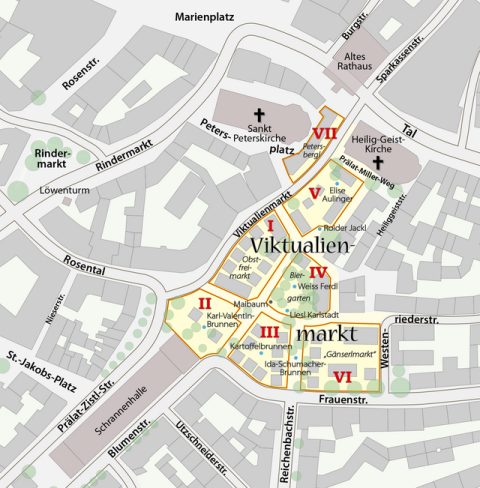
Munich's beloved outdoor food market has operated for over 200 years, evolving from farmers' market to gourmet destination. Around 100 permanent stalls offer fresh produce, international delicacies, flowers, spices, cheeses, meats, and Bavarian specialties. The central Maypole pays homage to traditional crafts, and vendors banter in local dialect. Browse artisanal goods, sample regional foods, grab lunch from food stands, and enjoy beer at the market's traditional biergarten under chestnut trees. Open Monday-Saturday, it embodies Munich's culinary culture where quality ingredients and social atmosphere merge. Don't miss the November Christmas market transformation.
Odeonsplatz
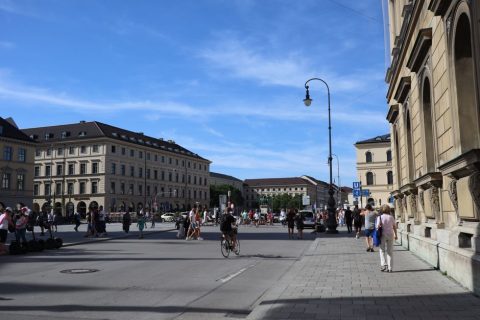
This elegant neoclassical square connects Munich's old and new towns, flanked by the yellow Theatinerkirche, the Renaissance Feldherrnhalle (Field Marshals' Hall), and the Residenz. Built in the 1820s under King Ludwig I, it exemplifies Munich's transformation into a cultural capital. The Feldherrnhalle commemorates Bavarian military leaders and witnessed the failed 1923 Nazi putsch. Today, the square hosts open-air opera broadcasts, Christmas markets, and serves as gateway to the Hofgarten park and exclusive Maximilianstrasse shopping street. Its grand proportions and harmonious architecture make it one of Munich's most photogenic locations.
Maximilia nstrasse
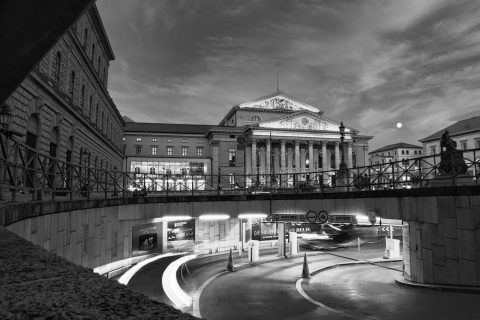
Munich's most exclusive boulevard stretches from Max-Joseph-Platz to the Isar River, showcasing luxury boutiques, designer flagships, and elegant architecture. Built in the 1850s under King Maximilian II, the street exemplifies royal city planning with wide sidewalks, ornate buildings, and prestigious addresses. Window-shop at Dior, Gucci, Chanel, and Hermès, admire the Bavarian Parliament and National Theatre, or simply stroll beneath trees lining this glamorous promenade. Evening illumination creates magical ambiance, and nearby restaurants offer sophisticated dining. Even without shopping, the street's architectural harmony rewards leisurely exploration.
Tips for Squares & Streets
- Visit Viktualienmarkt mid-morning for best selection and atmosphere
- Try samples at market stalls - vendors are usually generous
- Biergarten at Viktualienmarkt perfect for authentic local experience
- Maximilianstrasse window shopping costs nothing and offers architectural delights
Each Munich neighborhood offers distinct character, from bohemian Schwabing to trendy Glockenbachviertel. Exploring these districts reveals the city's diverse personality beyond tourist landmarks.
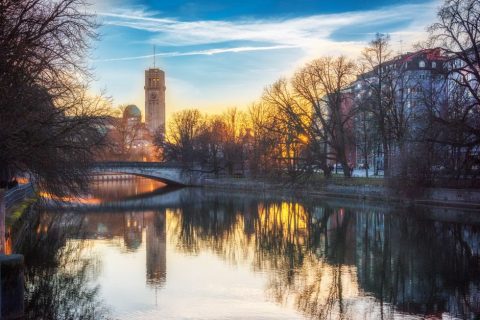
Schwabing
Munich's legendary bohemian quarter nurtured artists, writers, and revolutionaries including Kandinsky, Lenin, and Thomas Mann in the early 1900s. Today, this lively student district combines historic charm with contemporary culture. Browse independent bookshops, vintage boutiques, and art galleries along Leopoldstrasse and side streets. The neighborhood borders the English Garden, offering easy access to green spaces. Cafés buzz with intellectual conversation, and nightlife spans cozy bars to nightclubs. Schwabing retains its creative spirit while gentrification brings upscale touches. It's Munich's most vibrant neighborhood for those seeking culture beyond beer halls and palaces.
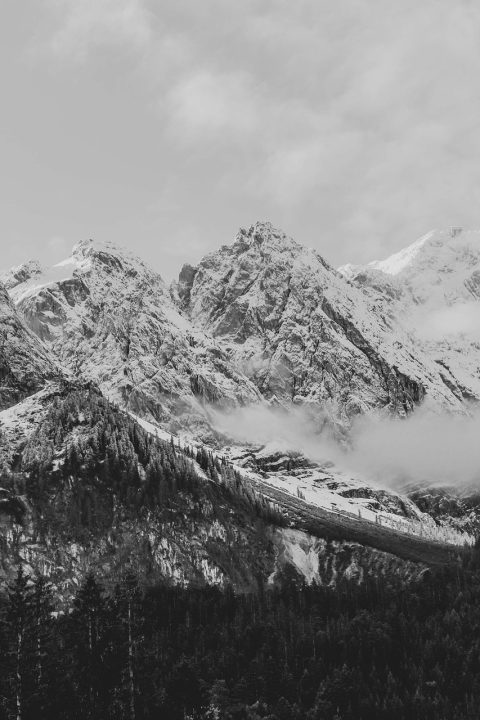
Glockenbachviertel
This trendy, diverse neighborhood south of the city center pulses with Munich's best nightlife, restaurants, and LGBTQ+ venues. Narrow streets lined with colorful buildings house independent boutiques, vintage shops, international restaurants, and welcoming bars. The Glockenbach stream gave the quarter its name and adds charm to urban walks. Weekends see café terraces overflow with locals enjoying brunch and people-watching. More intimate than the Old Town, Glockenbachviertel reveals Munich's cosmopolitan, creative side where traditional Bavarian culture meets modern urban living. Evening bar-hopping here offers authentic local atmosphere.
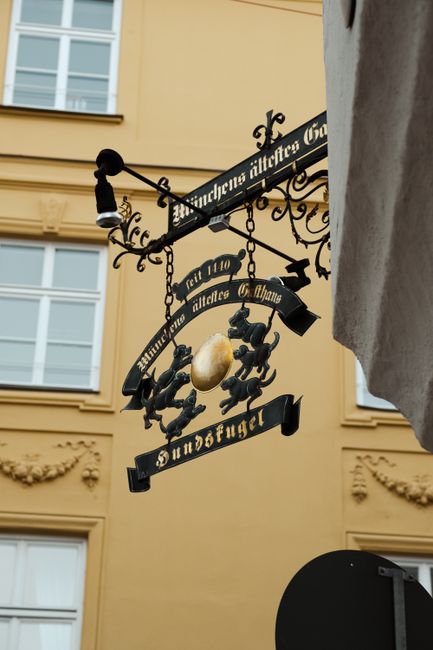
Haidhausen
Once a working-class district, Haidhausen has transformed into one of Munich's most charming neighborhoods while preserving its authentic character. Cobblestone streets, historic buildings, and the French Quarter (Franzosenviertel) create village-like atmosphere within the city. The Gasteig cultural center hosts concerts and events, while cozy pubs and traditional restaurants serve local specialties. Weissenburger Platz's fountain and surrounding cafés invite leisurely afternoons. Less touristy than central areas, Haidhausen offers genuine Munich lifestyle, neighborhood markets, and relaxed pace perfect for experiencing daily life beyond major attractions. The area shines during the annual Haidhauser Sommerfest street festival.
Tips for Neighborhoods & Districts
- Explore neighborhoods on foot to discover hidden courtyards and local spots
- Schwabing cafés perfect for afternoon breaks between museums
- Glockenbachviertel nightlife more authentic than touristy Hofbräuhaus
- Local markets in each neighborhood offer regional products
- Evening walks reveal neighborhood character best
Deepen your Munich experience through guided tours, cultural activities, and unique experiences that reveal hidden stories and local perspectives beyond independent sightseeing.
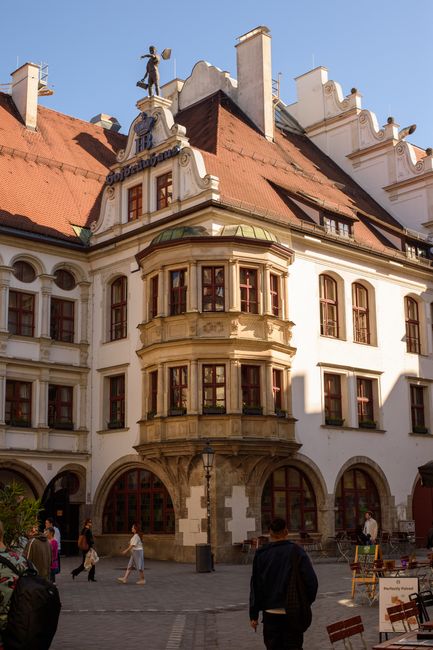
Hofbräuhaus Experience
The world's most famous beer hall, established in 1589, offers authentic Bavarian atmosphere with oom-pah bands, traditional costumes, and communal seating. Order liter-sized Mass beers, hearty plates of pork knuckles and sausages, and join in centuries-old beer hall traditions. The three-story complex includes a formal restaurant, festival hall, and the iconic ground-floor Schwemme where locals have reserved tables marked with names. Tourists and Münchners mingle under vaulted ceilings adorned with colorful frescoes. While touristy, it's an essential Munich experience representing Bavarian conviviality. Arrive early evening for best atmosphere, and remember Germans take their beer culture seriously - no standing on benches!
Third Reich & WWII Walking Tours
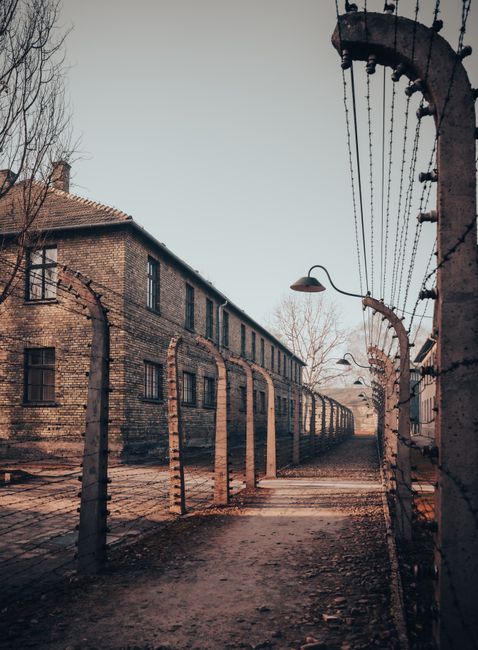
Expert-guided tours explore Munich's complex role as the birthplace of Nazism and Hitler's "Capital of the Movement." Visit sites of the 1923 Beer Hall Putsch, Nazi Party headquarters, and locations of resistance including the White Rose student movement. Knowledgeable guides contextualize Munich's path from cultural center to Nazi stronghold, examining how ordinary citizens responded to totalitarianism. These sobering tours don't glorify but educate, helping understand how democracy failed and tyranny rose. Essential for history enthusiasts seeking honest confrontation with Germany's darkest chapter. Tours typically last 2.5-3 hours and require advance booking with reputable operators.
Bike Tours
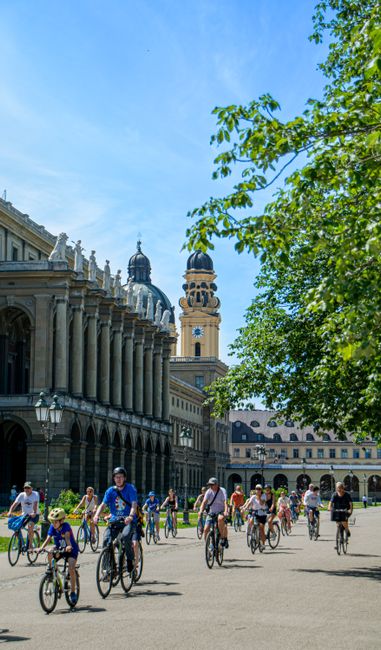
Explore Munich's compact, bike-friendly center on guided cycling tours covering major landmarks and hidden corners. Professional guides share history, anecdotes, and local insights while navigating dedicated bike lanes safely. Popular routes include city highlights, Third Reich history, beer gardens, and Olympic Park. Munich's flat terrain and extensive cycling infrastructure make biking ideal for covering more ground than walking. Tours accommodate all fitness levels, provide quality bikes, and include stops for photos and explanations. The casual pace allows interaction with guides and fellow travelers. Some tours combine cycling with beer garden visits for quintessential Munich experiences.
Food & Beer Tours
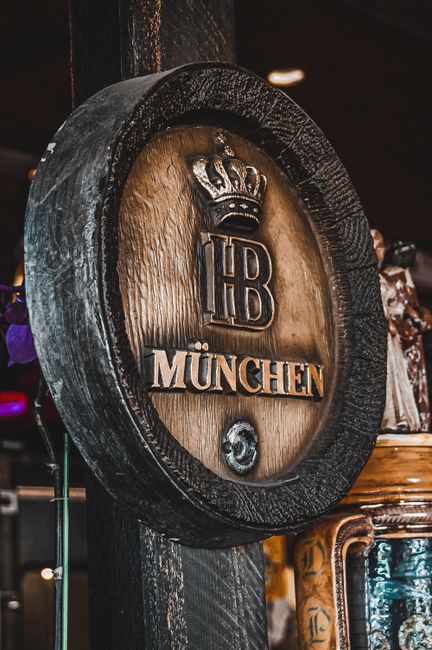
Discover Munich's culinary traditions through guided tastings at markets, beer halls, traditional restaurants, and artisan shops. Sample regional specialties like Weisswurst (white sausage), pretzels, Obatzda cheese spread, and various beer styles while learning their cultural significance. Expert guides explain Bavarian food customs, beer purity laws (Reinheitsgebot), and seasonal traditions. Tours often include Viktualienmarkt visits, beer hall stops, and neighborhood eateries locals frequent. Perfect introduction to Munich's food scene, these experiences provide context that transforms eating from simple consumption to cultural immersion. Vegetarian options increasingly available.
FC Bayern Munich Stadium Tour
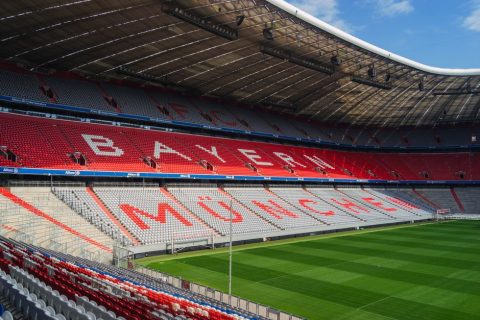
Visit the home of Germany's most successful football club at the Allianz Arena, known for its distinctive illuminated facade. Stadium tours access player tunnels, locker rooms, press conference areas, and pitch-side seats while exploring FC Bayern's legendary history. The museum showcases trophies, memorabilia, and interactive exhibits celebrating championships and iconic players. On match days, the atmosphere electrifies Munich as 75,000 fans flood the arena. Even non-football fans appreciate the architectural marvel and cultural significance of sport in German life. Book tours advance, especially during season. Match tickets available but require early purchase.
Tips for Tours & Activities
- Book tours in advance especially during summer and Oktoberfest season
- Morning tours beat crowds at popular sites
- Free walking tours available but tip guides appropriately (€10-15 typical)
- Small group tours offer better interaction and flexibility
- Check weather for outdoor activities and dress accordingly
Munich's central location provides easy access to Bavarian Alps, fairytale castles, charming towns, and historical sites. Day trips reveal the region's natural beauty and cultural richness beyond the city.
Neuschwanstein Castle
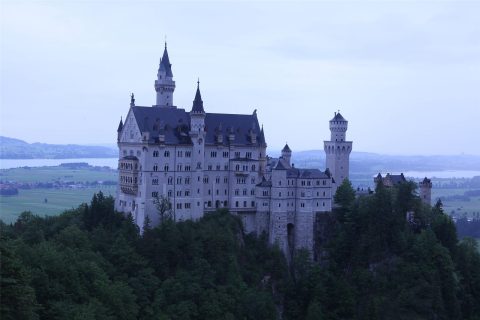
King Ludwig II's fairytale masterpiece perched on Alpine cliffs inspired Disney's iconic castle. Built 1869-1886, this Romanesque Revival palace embodies the eccentric king's romantic idealism and Wagner obsession. Lavish interiors feature throne room, singers' hall, and bedroom decorated with swan motifs. The dramatic mountain setting and castle's silhouette against peaks create Germany's most photographed landmark. Located 2 hours from Munich, combine with nearby Hohenschwangau Castle where Ludwig grew up. Advance tickets essential - book weeks ahead in summer. Tours last 30 minutes; arrive early for best photos from Marienbrücke bridge. Bring comfortable shoes for uphill walk.
Salzburg, Austria
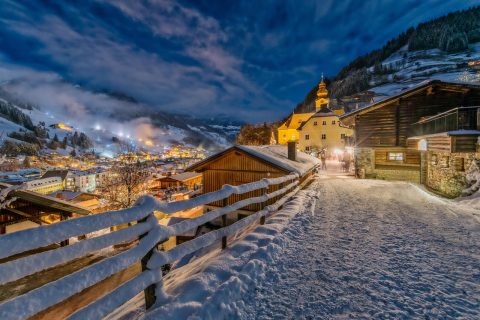
Mozart's birthplace and Sound of Music filming location sits just 1.5 hours from Munich across the Austrian border. The UNESCO-listed old town features Baroque architecture, hilltop fortress Hohensalzburg, and the Salzach River flowing through Alpine scenery. Visit Mozart's birthplace museum, wander Getreidegasse shopping street, explore the Dom cathedral, and enjoy Mirabell Gardens. The compact historic center rewards walking exploration. Salzburg's dramatic mountain backdrop and cultural richness make it among Europe's most beautiful cities. Summer festivals celebrate classical music. Day trips feasible by train, but overnight stays allow deeper exploration and evening atmosphere.
Dachau Concentration Camp Memorial
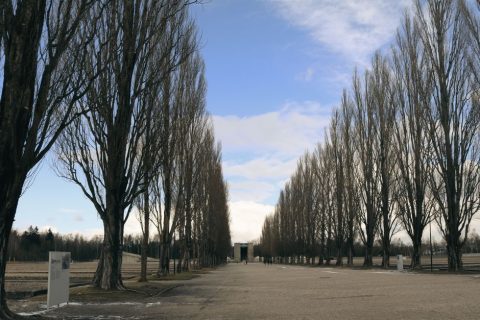
The first Nazi concentration camp, established 1933, serves as powerful memorial and educational site just 30 minutes from Munich. The preserved grounds, exhibitions, and reconstructed barracks document the Holocaust and Nazi persecution. Over 200,000 prisoners passed through Dachau; more than 40,000 died here. The memorial honors victims while educating about totalitarian dangers. Guided tours provide essential context for understanding this dark history. Free admission, though donations welcomed. Allow 3-4 hours for respectful visit. This sobering experience confronts visitors with humanity's capacity for evil and the importance of remembrance. Not recommended for young children.
Berchtesgaden & Eagle's Nest
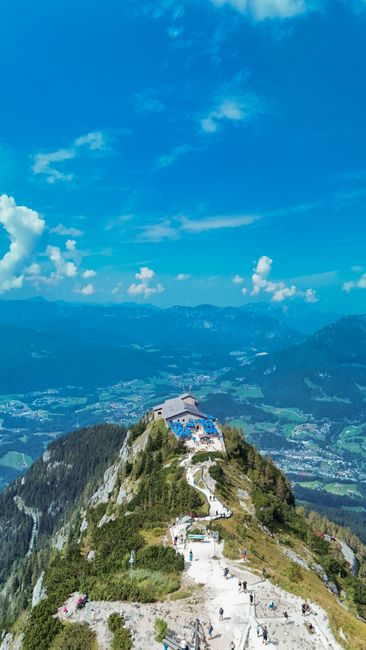
This Alpine resort town features Hitler's mountain retreat (Eagle's Nest) atop Kehlstein mountain and pristine natural beauty including Königssee lake. The Documentation Center examines Nazi leadership's use of the area as headquarters. Beyond dark history, Berchtesgaden offers spectacular mountain scenery, hiking, and charming Bavarian architecture. The Eagle's Nest, accessed via dramatic bus ride through tunnels, provides panoramic Alpine views. Königssee's emerald waters surrounded by vertical peaks rank among Germany's most beautiful landscapes. Located 2 hours from Munich, this day trip combines history with natural wonders. Open May-October depending on snow conditions.
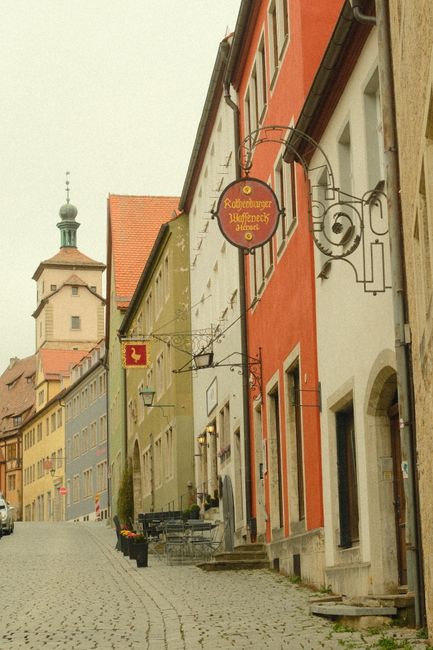
Rothenburg ob der Tauber
Germany's best-preserved medieval town looks like a storybook come to life with intact walls, towers, and half-timbered houses. Walk the completely preserved town walls, explore the Medieval Crime Museum, visit St. Jakob's Church with Riemenschneider's altar, and wander cobblestone streets unchanged for centuries. The Plönlein corner photograph symbolizes romantic Germany. Christmas markets transform Rothenburg into winter wonderland. Located 2.5 hours from Munich on the Romantic Road tourist route, this quintessential medieval gem justifies the journey. Day trips possible but rushed; consider overnight to experience magical evening atmosphere after tour buses depart.
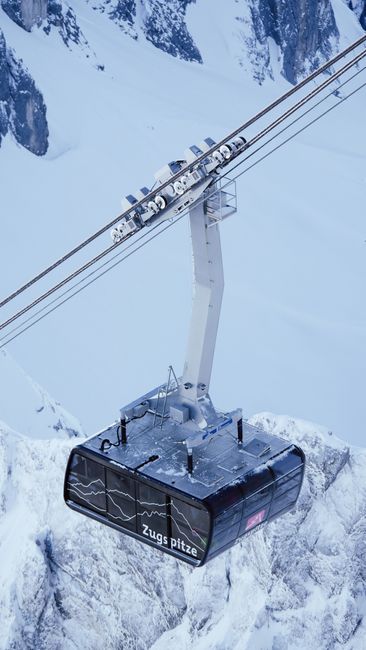
Zugspitze - Germany's Highest Peak
At 2,962 meters, Zugspitze offers year-round snow, spectacular Alpine panoramas across four countries, and cable car access to Germany's rooftop. Ride cogwheel railway or modern cable cars to the summit for glacier skiing, hiking, or simply enjoying 360-degree mountain views. The Bavarian-Austrian border crosses the peak. Restaurants serve traditional fare with unbeatable views. Summer hiking trails range from easy walks to challenging climbs. Winter brings skiing and snowboarding. Located 1.5 hours from Munich near Garmisch-Partenkirchen, weather permitting clear days essential for views. Book tickets advance during peak season. Dress warmly - summit temperatures significantly colder.
Tips for Day Trips & Excursions
- Book Neuschwanstein tickets weeks in advance - they sell out quickly
- Start day trips early to maximize time at destinations
- Bayern Ticket offers unlimited regional train travel for up to 5 people (€34 base + €10 per additional person)
- Consider guided tours for complex logistics like Neuschwanstein
- Check weather for mountain trips - clouds can obscure views
- Bring passport for Austria day trips
Munich's efficient public transportation network makes getting around easy, affordable, and environmentally friendly. Understanding the system enhances your visit and provides access to all attractions.
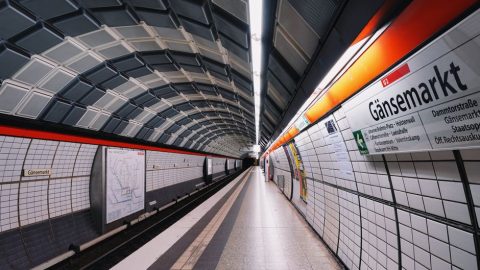
U-Bahn & S-Bahn System
Munich's efficient metro system features 8 U-Bahn underground lines and 8 S-Bahn commuter lines connecting city center with suburbs and airport. Trains run frequently (3-10 minute intervals) from approximately 4am-1am weekdays, with weekend service extended. The network design is user-friendly with clear signage in English and German. U-Bahn stations feature distinctive orange decor and modern amenities. S-Bahn connects to regional destinations. Single tickets, day passes, and multi-day options available from machines at stations accepting cash and cards. Validate tickets before boarding or face €60 fines. Download MVG app for route planning and mobile tickets.
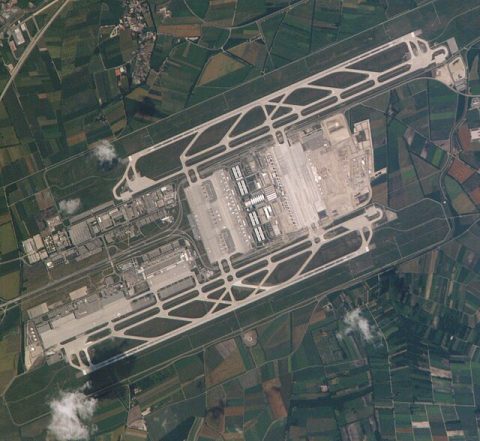
Munich Airport (Franz Josef Strauss)
Germany's second-busiest airport located 28km northeast of city center connects via S-Bahn lines S1 and S8 in 40-45 minutes (about €15.10 for a standard single ticket). Lufthansa Express Bus offers direct service to Hauptbahnhof (main station) in about 45 minutes (€12.50 online, €13.50 from the driver). Taxis cost €60-80 to city center. The modern airport features excellent shopping, dining, and amenities including Visitor's Park with viewing areas. Terminal 1 and 2 connected by Munich Airport Center (MAC) with hotels, restaurants, and services. Early morning/late night travelers can use Airport Bus or pre-book transfers. The airport's efficiency and cleanliness reflect German organizational standards.
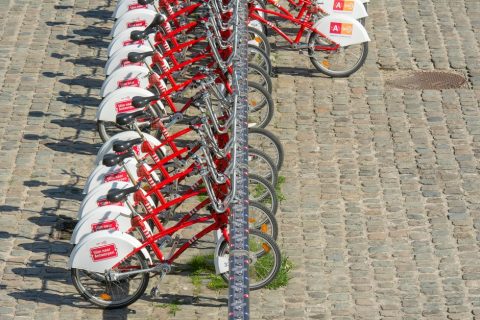
Bike Rental & Bike Sharing
Munich's extensive cycling infrastructure with 1,200km of bike lanes makes cycling safe and popular. Bike sharing is now MyRadl, used through the MVGO app (MVG Rad ended on 30 September 2025). Traditional rental shops provide quality bikes, e-bikes, and accessories for longer-term use. Cycling is ideal for exploring English Garden, Olympic Park, and Isar River paths. Most attractions have secure bike parking. Germans respect cycling rules - use designated lanes, obey traffic signals, and install proper lights for evening rides. Many hotels offer bike storage. Bring a lock and be aware bikes are popular theft targets.
Tips for Transportation
- Day ticket (€8.90) covers unlimited travel in inner zones - best value for tourists
- Bayern Ticket (€27) allows unlimited regional travel after 9am on weekdays, all day weekends
- CityTourCard combines transport with attraction discounts
- Always validate tickets at blue machines before boarding
- Munich is walkable - many central attractions within walking distance
- Night buses and trams run after U-Bahn closes
Munich transforms in December with dozens of Christkindlmarkte lighting up its historic squares, from the grand tree on Marienplatz to cozy medieval-themed stalls in the Residenz courtyards. Mulled wine (Gluhwein), roasted chestnuts, and handcrafted ornaments define the season, which typically runs from late November through December 24, 2026, with a few markets extending into early January.
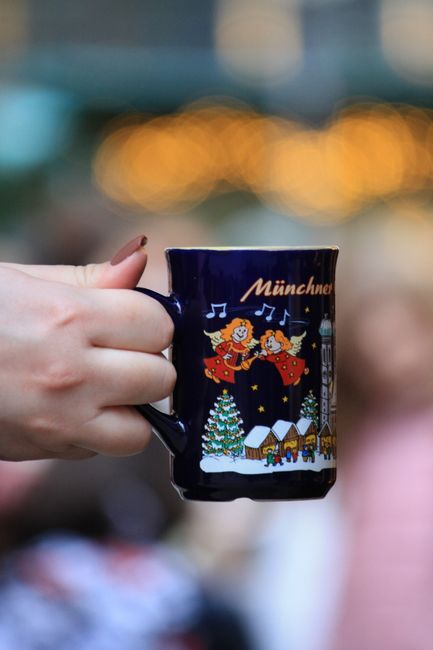
Christkindlmarkt am Marienplatz
Munichs flagship Christmas market has occupied the square in front of the New Town Hall with medieval origins (on its present spot at Marienplatz since 1972), making it one of Germany's oldest. Expect it to run from roughly November 20 to December 24, 2026, Monday to Saturday 10:00-21:00, Sunday 10:00-20:00 (24 December 10:00-14:00). A towering, brightly lit Christmas tree anchors the square, surrounded by over 150 wooden stalls selling Glühwein, roasted almonds, Nuremberg-style bratwurst, and handmade ornaments. Every evening around 5:30pm, a brass ensemble plays carols from the town hall balcony, and a nightly Advent calendar window opens on the facade. It gets extremely crowded on weekends and in the final week before Christmas, so early evening on a weekday offers the calmest visit. Its central location makes it an easy starting point before exploring the citys other markets.
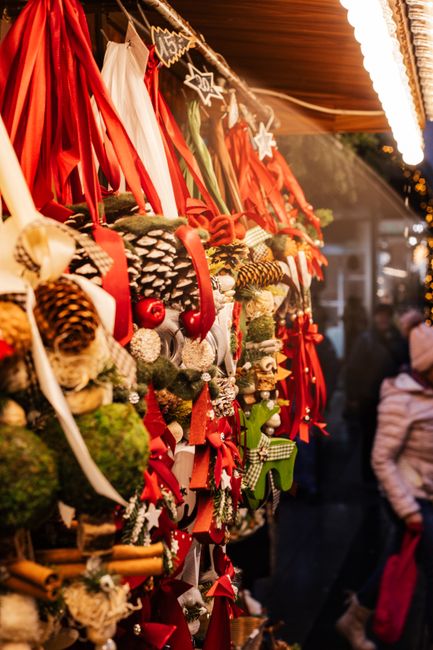
Medieval Christmas Market at Wittelsbacher Platz
A short walk from Marienplatz, this smaller market leans into a medieval theme, with costumed performers, fire jugglers, and stalls built from rough-hewn wood rather than typical market kiosks. It generally operates alongside the main market season, from late November through December 23, 2026. Vendors sell mead, spiced wine served in ceramic mugs, and handcrafted leather and metal goods that feel distinct from the more commercial offerings elsewhere. Live medieval and folk music plays most evenings, and open fire pits let visitors linger even on the coldest nights. Its intimate scale and quieter crowds make it a good contrast to the bustle of Marienplatz, and its close enough to combine both in a single afternoon.
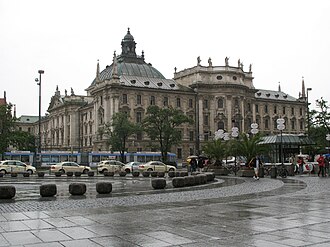
Ice Skating at Karlsplatz (Stachus)
Alongside its markets, Munich sets up seasonal ice rinks each winter, and the one at Karlsplatz, known locally as Stachus, is the most central and popular. It usually operates from late November through early January, weather permitting, with skate rental available on-site for those without their own. Surrounded by festive lighting and food stalls selling hot drinks and snacks, the rink offers a lively break from market browsing and appeals to visitors of all ages. Evening sessions are especially atmospheric once the surrounding lights come on, though weekends can get crowded with local families. Its an easy, low-cost way to round out a day of Christmas market visits with an active, distinctly wintery activity.
Tips for Christmas Market
- Visit Marienplatz on a weekday evening to avoid the heaviest weekend crowds
- Bring cash, as many small stalls do not accept cards
- Rent or return a mug deposit (Pfand) when buying Gluhwein — most stalls let you keep the mug as a souvenir instead
- Check exact 2026 dates online before visiting Nymphenburg, as it runs limited weekend days rather than daily
- Dress in layers and wear waterproof boots, as Munich winters are often damp and near freezing
When the beer gardens close, Munich swaps lederhosen for leather jackets and turns into one of Germany's most serious clubbing cities, home to techno temples that rival Berlin's best alongside polished cocktail lounges and rooftop bars. From gritty warehouse dance floors near the Ostbahnhof to velvet-rope glamour close to the Englischer Garten, the scene spans nearly every taste and budget. Most venues get going after midnight and run until sunrise, so plan a late dinner and an even later start.
P1 Club
Tucked behind the Haus der Kunst, P1 has been Munich's most famous see-and-be-seen nightclub since the 1990s, drawing a mix of local celebrities, footballers, and well-dressed regulars. The interior blends old-world elegance, chandeliers, dark wood, red banquettes, with a pumping sound system and a dance floor that stays packed well past 3am. Door policy is famously selective, so dress sharp and arrive in a smaller group to improve your odds. Inside, expect a lively mix of house, hip-hop, and commercial anthems, plus a champagne-heavy bottle-service scene along the sides. It is not a budget night out, but for a taste of Munich's glamorous side it is unmatched. Go late, the crowd barely arrives before midnight and the energy peaks around 2am.
Roof Garden at Bayerischer Hof
Perched atop the five-star Bayerischer Hof hotel near Marienplatz, this rooftop bar and lounge delivers sweeping views over Munich's old-town skyline paired with a refined cocktail menu and a relaxed, upscale atmosphere. It is a favorite spot to watch the sunset with a glass of wine before the terrace shifts into a lower-key nightlife scene later in the evening, with occasional live DJ sets. The setting feels worlds away from the city's warehouse clubs, catering instead to travelers and locals looking for polished conversation over pounding bass. Seasonal opening hours mean the terrace typically runs from late spring through early autumn, weather permitting, so check ahead if visiting outside peak season. Reservations are recommended on weekends since seating is limited and the view is genuinely one of the best in the city center.
Muffatwerk
Set in a former municipal power station along the Isar river, Muffatwerk is a beloved cultural venue that mixes live concerts, club nights, and an outdoor beer garden courtyard under one roof. Its program spans indie bands, international electronic acts, and themed club nights, making it one of the more eclectic entertainment districts within walking distance of the city center. The riverside courtyard is a great place to start the evening with a relaxed drink before heading inside as the music picks up later at night. Because it functions as both a concert hall and a club depending on the night, it draws a broad crowd, from gig-goers in their twenties to longtime Munich residents catching a favorite touring act. Check the schedule in advance, since ticketed concerts and free-entry club nights alternate throughout the week.
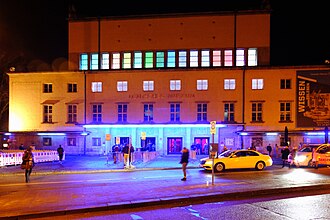
Blitz Club
Located at Museumsinsel 1 (reached via the Ludwigsbrücke), Blitz is Munich's answer to Berlin's warehouse-techno scene, complete with a heavyweight sound system, strict no-photo policy, and a lineup of underground and internationally touring DJs. The crowd skews younger and dedicated, and the door staff apply a Berghain-style selection process that rewards a relaxed, low-key approach over flashy outfits. Inside, the layout spreads across multiple rooms with varying tempos, from pounding techno to deeper, more experimental sets. Marathon sessions running well into Sunday afternoon are common, so this is a destination for serious night owls rather than a quick pre-dinner drink. Expect long queues on big booking nights; arriving early or checking the lineup in advance helps manage expectations. It is cash-only at the bar and cloakroom.
Tips for Nightlife & Entertainment
- Munich clubs get going late, midnight is early, and the best nights run until sunrise, especially at techno venues like Blitz
- Bring cash, many bars and clubs, particularly the underground ones, do not accept cards
- Dress smart-casual for upscale spots like P1 or the Bayerischer Hof roof garden, but keep it low-key for techno clubs, flashy outfits can hurt your chances at the door
- Door policies at Munich's top clubs can be strict and unpredictable, arriving in a smaller group generally helps
- Public transport (U-Bahn) runs limited night service on weekends, check taxi or ride-share options for the trip home
Munich is an easy city to enjoy with children, from a world-class zoo and hands-on science exhibits to playgrounds tucked into leafy parks. Many family favorites are within a short walk or tram ride of the city center, and public transport makes hopping between them simple.
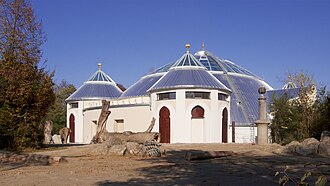
Hellabrunn Zoo
Munichs Tierpark Hellabrunn is one of Europes pioneering geo-zoos, grouping over 750 animal species by continent rather than by type. Kids can walk through a free-flight aviary, watch polar bears swim underwater at the Polarium, and visit the popular elephant house, all set across sprawling grounds along the Isar River.
A large children's playground, a petting zoo area, and seasonal animal feedings keep younger visitors engaged for a full day out. Paths are stroller-friendly and shaded by mature trees, and there are several snack kiosks and picnic lawns scattered throughout. In 2026, look out for special keeper talks and feeding demonstrations posted at the entrance each morning. The zoo is reachable directly by U-Bahn, making it one of the simplest family outings in the city.
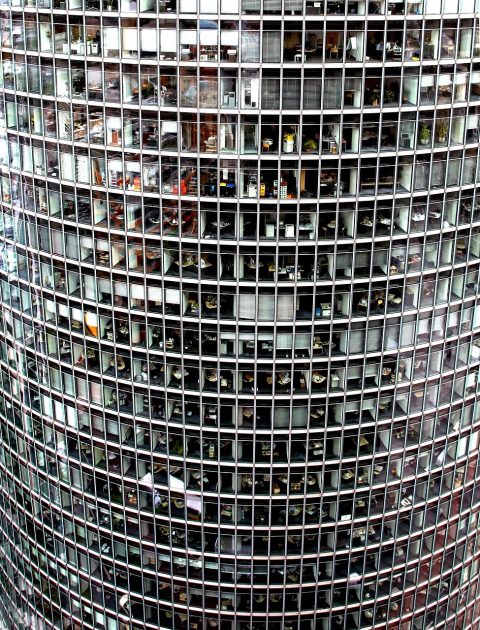
Kids Kingdom at Deutsches Museum (Kinderreich)
Tucked within the museum complex, Kinderreich is a dedicated hands-on zone for children roughly ages 3 to 8, separate from the main exhibit halls. Little ones can pump water through channels, build with giant foam blocks, crawl through a soap-bubble station, and explore a miniature construction site designed just for their height and curiosity.
Everything is built for touching and experimenting rather than looking, with staff on hand to help with trickier stations. Its an ideal stop for families with toddlers or early-elementary kids who might find the museums broader science exhibits a bit advanced. Note that adults can only enter Kinderreich accompanied by a child, and space can fill up on rainy weekends, so arriving soon after opening is wise.
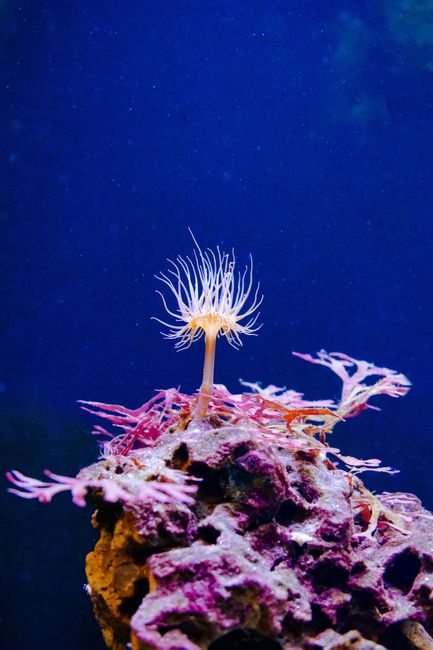
Munich Sea Life Aquarium
Located right by Olympiapark, SEA LIFE Munich offers a compact but engaging walk-through aquarium with a glass ocean tunnel, touch pools, and displays on local Bavarian rivers alongside colorful tropical reef tanks. Sharks, rays, seahorses, and clownfish are all on view, with signage pitched at a kid-friendly reading level.
The route is short enough for younger attention spans, typically taking under two hours, and staff run scheduled feeding talks throughout the day. Its a solid rainy-day backup or a low-key half-day activity that pairs naturally with a visit to nearby Olympiapark. Strollers fit comfortably through the dim, winding corridors, though the lighting can be a bit dark for very young toddlers.
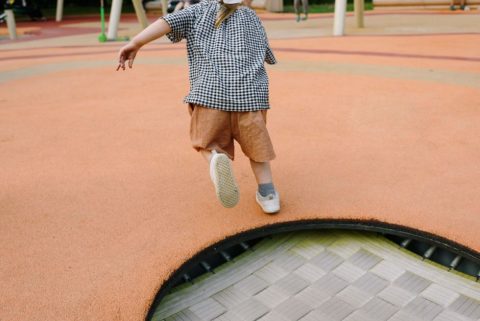
Westpark Playgrounds and Trampolines
Westpark is a large green space west of the center built for the 1983 International Garden Show, and it retains several well-equipped playgrounds spread across its East and West sections, including climbing structures, water play features in summer, and a dedicated trampoline area that is a local favorite with kids.
The park's ponds, footbridges, and Asian-themed garden pavilions give families plenty to explore beyond the play equipment itself, and wide paved paths make it easy to bring bikes or scooters. Its far less crowded than the Englischer Garten, making it a good pick for a relaxed afternoon. Public restrooms and a beer garden for the adults are both available on site.
Tips for With Kids
- Combine Hellabrunn Zoo with a picnic along the Isar riverbank just outside the park for a full free afternoon.
- Visit Kinderreich at Deutsches Museum right at opening time on weekends to avoid the busiest crowds.
- Munichs U-Bahn and S-Bahn are stroller-accessible with elevators at most stations, making multi-stop family days easy without a car.
Munich fills its calendar year-round with festivals that blend Bavarian tradition and modern celebration, from beer-tent revelry to open-air concerts and glittering markets. Below is a curated selection of 2026 happenings worth building a visit around.
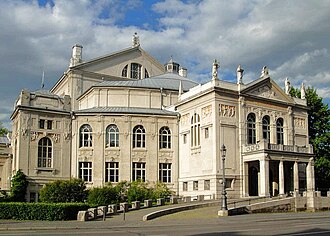
Munich Opera Festival
Held annually at the Bavarian State Opera, this prestigious festival runs from late June through late July 2026, showcasing world-class opera, ballet, and orchestral performances across historic venues including the Nationaltheater and Cuvillies Theatre. The program mixes beloved classics like Wagner and Strauss with bold contemporary stagings, drawing performers and audiences from across Europe. A highlight is the free open-air broadcast in Max-Joseph-Platz, where a free outdoor broadcast of a live performance is shown on a few summer dates (in 2026, Die Walküre on 4 July). Gala premieres often feature red-carpet arrivals and post-show receptions in the opera houses opulent foyers. Because Munich has deep ties to composer Richard Strauss, several performances center on his works. Advance booking is strongly recommended, as premium performances sell out months ahead. The festival cements Munichs reputation as one of Germanys leading classical music capitals.
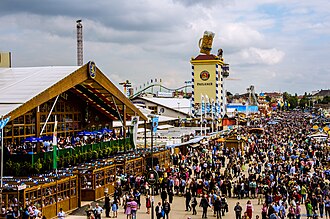
Oktoberfest
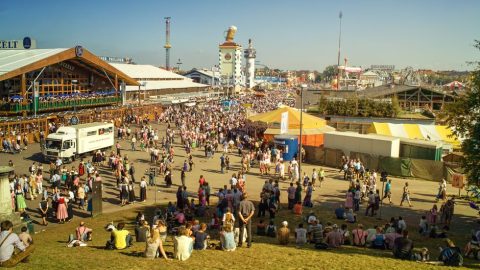
The worlds most famous beer festival takes over the Theresienwiese from September 19 to October 4, 2026, drawing millions of visitors to fourteen massive beer tents run by Munichs traditional breweries. Expect oompah bands, roasted pork knuckle, pretzels the size of dinner plates, and rows of long communal tables filled with revelers in lederhosen and dirndls. The festival opens with a ceremonial keg tapping by the mayor and a grand parade of brewery wagons and costumed groups through the city center. Beyond the tents, a sprawling funfair offers vintage and modern rides, plus quieter family zones during daytime hours on weekdays. Weekend tent access without a reservation can mean long queues, so booking a table in advance is wise for groups. Tents each carry their own character, from raucous party atmospheres to more traditional, folk-music-focused halls, giving visitors real choice in how they experience it.
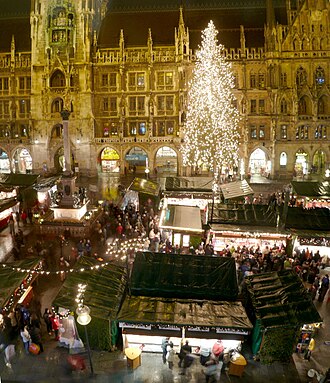
Christkindlmarkt at Marienplatz
Munichs main Christmas market fills Marienplatz and the surrounding lanes from November 20 to December 24, 2026, centered around a towering illuminated tree and the Gothic spires of the New Town Hall. Wooden stalls sell hand-carved ornaments, mulled wine (Gluhwein), roasted chestnuts, and Nuremberg-style sausages, while a daily brass ensemble plays carols from the town hall balcony each afternoon. Satellite markets spread through nearby squares, including a medieval-themed market at Wittelsbacherplatz and a romantic, candlelit gathering at Chinesischer Turm in the English Garden. The atmosphere is especially magical in early evening once the lights switch on and the plaza fills with the scent of spiced wine and roasted almonds. Families enjoy the historic carousel and nativity display, while shoppers browse handmade crafts unavailable elsewhere. Weekends draw the heaviest crowds, so weekday visits offer a calmer experience of this centuries-old tradition.
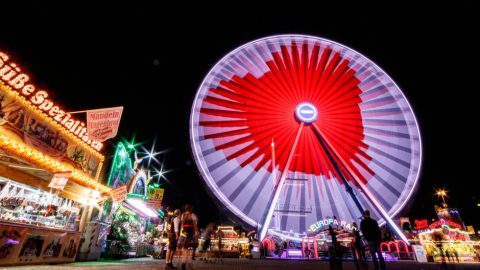
Frühlingsfest at Theresienwiese
Munichs official spring festival returns to the Theresienwiese from April 17 to May 10, 2026, offering a smaller, mellower preview of Oktoberfest atmosphere. Expect beer tents pouring seasonal Maibock, thrill rides, a Ferris wheel, and family-friendly afternoons that turn lively by evening. Unlike its autumn counterpart, crowds are lighter and prices friendlier, making it a favorite among locals seeking authentic Wiesn flavor without the tourist crush. Traditional Bavarian brass bands perform throughout the grounds, and the opening weekend features a parade of decorated floats and costumed guilds. Food stalls serve roasted chicken, pretzels, and gingerbread hearts alongside the beer gardens. Evenings often close with fireworks over the fairground. It is an ideal warm-up for visitors curious about Oktoberfest customs on a gentler scale, and entry to the festival grounds remains free, with payment only for rides and refreshments.
Tollwood Summer Festival
This eclectic cultural festival is held in summer at Olympiapark Süd (June 19 to July 19 in 2026), with the winter edition on the Theresienwiese, combining live music, circus arts, theater, and an international market of handcrafted goods and street food. Tollwood distinguishes itself with a strong ecological and social ethos, featuring organic food stalls, fair-trade vendors, and thought-provoking art installations alongside nightly concerts spanning jazz, world music, and indie acts. The candlelit market area glows after dark, creating a bohemian counterpoint to the citys more traditional beer-hall festivities. Families enjoy daytime workshops and acrobatic shows under the big tents, while evenings shift toward a younger crowd drawn by the concert lineup. A winter edition also runs in late November and December, but the summer instalment is beloved for its open-air atmosphere. Entry to the grounds is free, with tickets required only for headline concerts.
Tips for Events Calendar
- Book beer tent reservations and opera tickets months ahead for peak dates like Oktoberfest weekends.
- Visit Fruhlingsfest or weekday Christkindlmarkt for a similar atmosphere with far smaller crowds.
- Check exact 2026 dates closer to travel, as festival organizers can shift openings by a few days.
- Public transport passes are worth it during Oktoberfest, as the Theresienwiese area gets extremely congested by car.
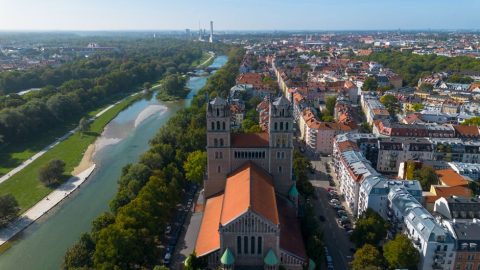
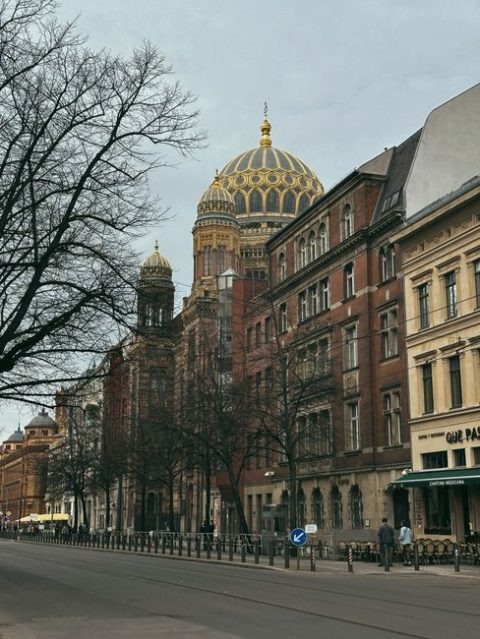
Real, highly-rated Restaurants in Munich, sourced from Google Places (rating above 4★).
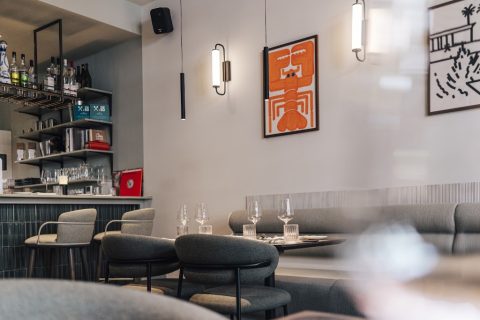
Brothers Restaurant
Brothers Restaurant is a highly-rated restaurant in Munich, rated 4.9★ from 189 reviews. Located at Kurfürstenstraße 31, 80801 München, Germany.
Opening Hours
- Monday: Closed
- Tuesday: 6:30 PM – 12:00 AM
- Wednesday: 6:30 PM – 12:00 AM
- Thursday: 6:30 PM – 12:00 AM
- Friday: 7:00 PM – 12:00 AM
- Saturday: 12:00 – 3:00 PM, 7:00 PM – 12:00 AM
- Sunday: Closed
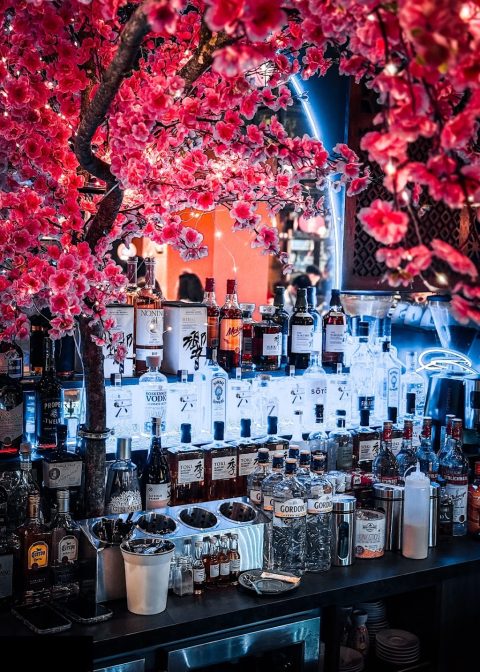
Moonlight Restaurant
Moonlight Restaurant is a highly-rated restaurant in Munich, rated 4.8★ from 379 reviews. Located at Kapuzinerstraße 39, 80469 München, Germany.
Opening Hours
- Monday: 11:30 AM – 3:00 PM, 5:30 – 11:00 PM
- Tuesday: 11:30 AM – 3:00 PM, 5:30 – 11:00 PM
- Wednesday: 11:30 AM – 3:00 PM, 5:30 – 11:00 PM
- Thursday: 11:30 AM – 3:00 PM, 5:30 – 11:00 PM
- Friday: 11:30 AM – 3:00 PM, 5:30 PM – 12:00 AM
- Saturday: 11:30 AM – 3:00 PM, 5:30 PM – 12:00 AM
- Sunday: 12:00 – 3:00 PM, 5:30 – 11:00 PM
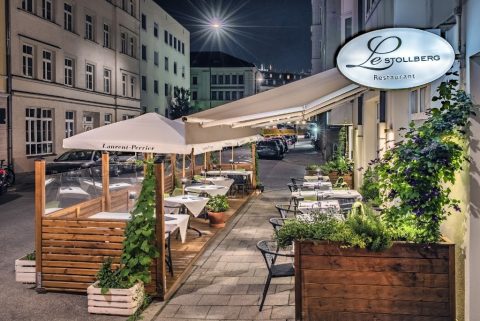
Le Stollberg
Le Stollberg is a highly-rated restaurant in Munich, rated 4.8★ from 392 reviews. Located at Stollbergstraße 2, 80539 München-Altstadt-Lehel, Germany.
Opening Hours
- Monday: Closed
- Tuesday: Closed
- Wednesday: 11:30 AM – 2:30 PM, 6:00 – 11:00 PM
- Thursday: 11:30 AM – 2:30 PM, 6:00 – 11:00 PM
- Friday: 11:30 AM – 2:30 PM, 6:00 – 11:00 PM
- Saturday: 4:30 – 11:00 PM
- Sunday: Closed
Explore Munich on the Map
Seasonal Guide to Munich
Spring (April-May): Pleasant weather with temperatures 10-20°C, blooming gardens, fewer crowds, and beer garden season begins. Perfect for outdoor activities and sightseeing without summer crowds.
Summer (June-August): Peak tourist season with warm weather (20-28°C), long daylight hours, outdoor festivals, and vibrant street life. Book accommodation early. Expect crowds at major attractions. Best time for English Garden and outdoor dining.
Fall (September-October): Oktoberfest dominates late September/early October - book hotels 6+ months ahead. Otherwise excellent weather, beautiful autumn colors in parks, and harvest season brings special foods. Ideal shoulder season after Oktoberfest ends.
Winter (November-March): Cold weather (0-5°C) with possible snow creates magical atmosphere. Christmas markets (late November-December 24) are spectacular. January-February quietest and cheapest period. Museums, churches, and indoor attractions shine. New Year's celebrations impressive.
Best Overall: Late April-May or September-early October offer excellent weather, manageable crowds, and authentic local atmosphere. Avoid Oktoberfest period unless specifically planning to attend.
Shopping in Munich
What to Buy: Traditional Bavarian clothing (Dirndl dresses, Lederhosen), beer steins and brewery souvenirs, Nymphenburg porcelain, Christmas decorations and nutcrackers, German knives and kitchenware, cuckoo clocks, Alpine gear and Loden cloth products, artisanal chocolates and marzipan, local honey and Alpine herbs.
Shopping Districts:
- Kaufingerstrasse & Neuhauser Strasse: Main pedestrian shopping streets with international chains, department stores, and midrange shops
- Maximilianstrasse: Luxury boulevard featuring Gucci, Dior, Chanel, Louis Vuitton, and designer boutiques
- Viktualienmarkt: Daily food market with regional specialties, fresh produce, flowers, and gourmet delicacies
- Marienplatz area: Traditional Bavarian goods, souvenirs, and specialty shops
- Schwabing: Independent boutiques, vintage shops, bookstores, and art galleries
- Glockenb achviertel: Trendy neighborhood with unique boutiques and design shops
Department Stores: Kaufhof and Karstadt offer mid-range goods; Oberpollinger features upscale brands with rooftop dining.
Shopping Hours: Typically Monday-Saturday 10am-8pm. Most shops closed Sundays except bakeries and cafés. Late-night shopping Thursdays until 9pm in some areas.
Bargaining: Not customary in Germany except at flea markets. Prices are fixed in shops. Tax refunds available for non-EU visitors on purchases of at least €50.01 per receipt (residents outside the EU) - get Tax-Free forms at participating stores.
Markets: Viktualienmarkt (daily except Sunday), weekend flea markets at Zenith and Riem, Christmas markets November-December, farmers' markets in neighborhoods.
Munich Festivals & Events
Oktoberfest (mid-September to early October): World's largest beer festival attracts 6+ million visitors. Reserve hotel rooms 6-12 months ahead. Traditional dress encouraged. Arrive at tents before 10am weekends to secure tables. Family-friendly despite beer focus - Tuesdays designated family days with reduced prices.
Christmas Markets (late November-December 24): Multiple markets across city, largest at Marienplatz. Krampuslauf parade features Alpine tradition. Christkindlmarkt offers handcrafted gifts, roasted almonds, Glühwein (mulled wine), and festive atmosphere.
Starkbierfest (Strong Beer Festival, March): Two-week celebration of high-alcohol Lenten beers at various beer halls. More authentic and less crowded than Oktoberfest.
Tollwood Festival (summer & winter): Alternative cultural festival featuring world music, theater, international cuisine, and market stalls. Summer edition at Olympiapark, winter at Theresienwiese.
Munich Film Festival (late June-early July): Germany's second-largest film festival showcasing international cinema and premieres.
Auer Dult (April, July, October): Traditional fair at Mariahilfplatz with antiques, crafts, rides, and local specialties - Munich's oldest public festival.
Long Night of Music (May): Over 100 venues across Munich host simultaneous concerts spanning all genres. Single ticket grants access to all performances.
FC Bayern Munich Football Season (August-May): Bundesliga matches at Allianz Arena create city-wide excitement. Champions League nights especially atmospheric.
National Holidays: New Year's Day, Good Friday, Easter Monday, May 1 (Labor Day), Ascension Day, Whit Monday, Corpus Christi, German Unity Day (Oct 3), All Saints' Day (Nov 1), Christmas holidays. Most shops and attractions closed.
Sample Munich Itineraries
Day 1: Historic Munich
Morning (9am-12pm): Start at Marienplatz for 11am Glockenspiel. Climb St. Peter's tower for views (15 min). Explore Viktualienmarkt, sample local foods (1 hour). Visit Frauenkirche cathedral.
Lunch (12-1:30pm): Traditional Bavarian lunch at Ratskeller or near Viktualienmarkt.
Afternoon (1:30-5pm): Tour Munich Residenz palace and Treasury (2.5 hours). Walk through Hofgarten. Explore Odeonsplatz and Theatinerkirche.
Evening (5pm+): Stroll Maximilianstrasse. Dinner at Hofbräuhaus for authentic beer hall experience. Evening walk through illuminated Old Town.
Day 2: Museums & Parks
Morning (9am-12pm): Deutsches Museum on Museum Island (arrive at opening). Focus on 2-3 exhibition areas of interest.
Lunch (12-1:30pm): Café in Haidhausen or pack picnic for English Garden.
Afternoon (1:30-6pm): Explore English Garden - visit Chinese Tower beer garden, watch Eisbach surfers, climb Monopteros temple, relax on meadows.
Evening (6pm+): Sunset at Monopteros. Dinner in Schwabing neighborhood. Explore nightlife in Glockenbachviertel.
Day 3: Palaces & Art
Morning (9am-12:30pm): Visit Nymphenburg Palace and gardens (take tram 17). Tour palace interior and explore park pavilions.
Lunch (12:30-2pm): Café near palace or return to city center.
Afternoon (2-5:30pm): Alte Pinakothek art gallery (€1 on Sundays!). Note that Neue Pinakothek is closed until 2029; Lenbachhaus is a good alternative.
Evening (5:30pm+): Explore Kunstareal neighborhood cafés. Dinner in Maxvorstadt. Optional: classical concert or opera.
Day 4: Automotive & Olympic Park
Morning (9am-12:30pm): BMW Welt and Museum (U3 to Olympiazentrum). Interactive exhibits and latest models.
Lunch (12:30-2pm): BMW Welt restaurants or Olympiapark cafés.
Afternoon (2-6pm): Olympiapark exploration - climb Olympic Tower for panoramic views. Walk around Olympic Lake. Visit Olympic Stadium if interested.
Evening (6pm+): Return to city. Farewell dinner at traditional restaurant. Shopping for last-minute souvenirs at Marienplatz.
Day 5: Day Trip Options
Option A - Neuschwanstein Castle: Early train to Füssen (2 hours). Pre-booked castle tour. Explore Hohenschwangau. Return evening (full day).
Option B - Salzburg: Train to Salzburg (1.5 hours). Explore Altstadt, Hohensalzburg Fortress, Mozart's birthplace, Mirabell Gardens. Return evening (full day).
Option C - Dachau Memorial: Morning S-Bahn to Dachau (30 min). Guided tour of concentration camp memorial (3-4 hours). Afternoon return to Munich. Evening reflection time or quiet dinner.
Option D - Alpine Adventure: Train to Garmisch-Partenkirchen. Cable car to Zugspitze summit. Mountain views and lunch. Return evening (full day, weather-dependent).
Option E - Relaxed Munich: Sleep in. Brunch in Glockenbachviertel. Explore neighborhoods missed - Haidhausen, Westend. Visit smaller museums like Bavarian National Museum. Shopping at leisure. Final beer garden experience.
Best Photography Locations
Iconic Shots:
- Marienplatz & Neues Rathaus: Classic Munich shot. Best timing: 10:30am for Glockenspiel, blue hour for illuminations. Shoot from Petersplatz stairs for elevated angle.
- Frauenkirche Towers: Shoot from Marienplatz or Weinstrasse for symmetrical twin domes against sky. Sunset provides golden light on brick facade.
- Theatinerkirche: Yellow facade pops against blue sky - midday best. Odeonsplatz offers frontal composition; side streets provide interesting angles.
- Munich Residenz: Courtyard arcades create dramatic frames. Morning light illuminates facades. Treasury's Crown Jewels require no-flash photography.
- Nymphenburg Palace: Classic symmetrical shot from main canal. Sunrise creates mirror reflections. Gardens offer endless compositions with pavilions and sculptures.
Parks & Nature:
- Monopteros Temple (English Garden): Golden hour provides warm light on neoclassical rotunda. Shoot from below for dramatic perspective or from temple for city skyline with Alps backdrop (clear days).
- Eisbach Surfers: Action shots of year-round river surfers. Fast shutter speed essential (1/500s+). Best light midday; crowds peak afternoons.
- Chinese Tower Beer Garden: Wide-angle captures authentic beer garden atmosphere. Evening fairy lights create magical ambiance.
- Olympiapark: Futuristic tent roof architecture best captured from Olympic Tower or lake. Blue hour enhances modern lines. BMW Welt's double-cone provides striking geometric compositions.
Hidden Gems:
- Asamkirche Interior: Spectacular Baroque details require high ISO (no flash allowed). Wide-angle lens captures overwhelming decoration. Morning light through windows enhances gilded surfaces.
- Viktualienmarkt Maypole: Colorful market stalls and traditional pole create vibrant compositions. Morning vendors setting up offers authentic atmosphere.
- Hofbräuhaus Interior: Challenging lighting but captures authentic beer hall energy. Evening bands and crowds provide atmosphere. Permission often needed for posed shots.
- Isar River Flaucher: Locals swimming and sunbathing in natural setting. Summer afternoons busiest. Respectful distance photography only.
- Maximilianstrasse at Night: Luxury boutique window displays and street lighting create elegant nighttime shots. Christmas season especially magical.
Seasonal Opportunities:
- Oktoberfest: Giant tents, costumed crowds, festival atmosphere. Arrive early for less crowded shots. Inside tents require permission.
- Christmas Markets: Glühwein stands, illuminated decorations, falling snow create winter magic. Blue hour optimal. Marienplatz and Residenz markets most photogenic.
- Spring Cherry Blossoms: Japanese Teahouse in English Garden surrounded by blooms (late April). Nymphenburg gardens explosion of color.
- Autumn Colors: English Garden and Nymphenburg in October offer golden foliage. Isar River paths particularly beautiful.
Pro Tips: Golden hour (hour after sunrise/before sunset) provides best natural light. Blue hour creates dramatic cityscapes. Clear winter days offer Alpine views from elevated positions. Respect privacy - avoid identifiable close-ups without permission. Many museums prohibit flash/tripods. Download sun-tracking app for optimal lighting planning.
Electrical Information
Voltage & Frequency: Germany operates on 230V electrical system at 50Hz frequency, standard across European Union. This differs from North America (110-120V, 60Hz) and some other regions.
Plug Types: Germany uses Type C (two round pins) and Type F (two round pins with grounding clips on sides) plugs, commonly called "Schuko" plugs. These are standard across continental Europe.
Adapter Requirements:
- US/Canada/Japan visitors: Require both voltage converter AND plug adapter. Most modern electronics (phones, laptops, cameras) have dual-voltage capability (check device label for "110-240V") and only need plug adapter.
- UK/Ireland visitors: Need plug adapter (UK uses Type G three-prong). Check voltage compatibility though most modern devices handle 230V.
- Australia/China visitors: Need plug adapter; voltage usually compatible.
What to Bring: Universal travel adapter covering Type C/F recommended. Purchase before departure as German electronics shops may not stock adapters for your home country plugs. Many hotels provide limited adapters at front desk - ask upon check-in.
Charging Stations: USB charging ports increasingly common in hotels, trains, and cafés. However, bring appropriate cables. Power banks useful for day trips.
Important Notes: Hair dryers, curling irons, and other high-wattage devices often require voltage converters, not just adapters. Many hotels provide hair dryers in rooms. Don't plug 110V-only devices into 230V outlets even with adapter - they'll burn out immediately.
Bavarian Cuisine & Dining
Must-Try Dishes:
- Weisswurst: Traditional white sausage made from veal and pork, served with sweet mustard and pretzels. Eaten before noon traditionally. Peel skin before eating!
- Schweinshaxe: Crispy roasted pork knuckle - quintessential Bavarian dish. Massive portions, tender inside, crackling outside.
- Leberkäse: Bavarian meatloaf served in rolls or with potato salad. Popular lunch item.
- Obatzda: Creamy cheese spread mixed with butter, paprika, and onions. Perfect beer accompaniment.
- Brezn (Pretzel): Soft, salt-crusted pretzels - staple at beer gardens and bakeries. Best fresh and warm.
- Schnitzel: Breaded, fried cutlet (pork or veal). Served with potato salad or fries and lingonberry sauce.
- Käsespätzle: Bavarian mac and cheese - egg noodles with cheese and crispy onions.
- Apfelstrudel: Apple strudel pastry served warm with vanilla sauce or ice cream.
- Dampfnudel: Steamed sweet dumplings with vanilla sauce - unique Bavarian dessert.
Beer Culture: Munich is world beer capital. Traditional styles include Helles (pale lager), Dunkel (dark lager), Weissbier (wheat beer), and seasonal Starkbier (strong beer). Beer served in Mass (1 liter) or Halbe (half liter). Purity Law (Reinheitsgebot) since 1516 ensures quality.
Where to Eat:
- Beer Halls: Hofbräuhaus (touristy but authentic), Augustiner Bräustuben (locals' favorite), Paulaner Bräuhaus, Löwenbräukeller
- Beer Gardens: Chinese Tower, Augustiner Keller, Hirschgarten (Munich's largest), Viktualienmarkt biergarten
- Traditional Restaurants: Ratskeller, Spatenhaus, Schneider Bräuhaus, Zum Franziskaner
- Markets: Viktualienmarkt for fresh ingredients and ready-to-eat specialties
- Modern Bavarian: Newer restaurants reimagining traditional dishes with contemporary flair
Dining Customs:
- Reservations: Recommended for dinner, especially weekends. Walk-ins acceptable at beer halls.
- Seating: Beer garden communal tables allow self-seating. In restaurants, wait to be seated.
- Service: German service is efficient but not overly friendly - this is normal, not rudeness.
- Tipping: Round up or add 5-10% for good service. Hand tip directly to server when paying, say total including tip.
- Water: Tap water safe but rarely served in restaurants. Order "Leitungswasser" for tap (may face resistance) or mineral water (sprudel = sparkling, still = ohne).
- Bread: Table bread usually costs extra - check before eating.
Meal Times: Breakfast 7-10am, lunch 12-2pm (main meal traditionally), dinner 6-9pm. Kitchens close earlier than elsewhere in Europe. Beer gardens serve continuously afternoon-evening.
Dietary Restrictions: Traditional Bavarian cuisine meat-heavy. Vegetarian options improving, especially in young neighborhoods. Vegan restaurants emerging. Gluten-free challenging - bring phrase card. Food allergies taken seriously when communicated clearly.
Budget Tips: Lunch menus (Mittagstisch) offer better value. Bakeries provide cheap, filling meals. Beer garden food stands cheaper than table service. Supermarkets (REWE, Edeka) excellent for picnic supplies. Sunday brunch buffets popular and good value.
Tourist Passes
Munich City Pass
Comprehensive pass offering free admission to over 45 attractions including all major museums, palaces, and tours, plus unlimited public transportation. Adult passes that include Zone M transport cost €55.90 (1 day), €76.90 (2), €91.90 (3), €104.90 (4) and €113.90 (5); options without transport are cheaper. Includes Munich Residenz, Nymphenburg Palace, Pinakotheken museums, Deutsches Museum, BMW Museum, hop-on-hop-off bus tour, and more. Best value for museum enthusiasts planning intensive sightseeing. Skip-the-line benefits at some attractions. Purchase online or at tourist information centers.
www.munich-city-pass.comMunich CityTourCard
Budget-friendly option providing unlimited public transportation plus discounts (not free admission) at 70+ attractions, museums, tours, and restaurants. Available for 1-day (€15.90 single, €27.90 group up to 5 people), 3-day (€28.90 single, €54.90 group), and other durations. Discounts typically 10-50% off regular prices. Better value if you're selective about attractions and prefer flexibility. Airport transit is included only with the M-6 or M-12 versions, not Zone M. Group pass exceptional value for families or friends traveling together. Purchase at MVV machines, tourist offices, or online.
www.citytourcard.comBayern Ticket (Bavaria Ticket)
Unlimited regional train travel throughout Bavaria for one day. Base price €34 for one person, add €10 per additional traveler (up to 5 total). Valid after 9am weekdays, all day weekends and holidays on regional trains (RB, RE, S-Bahn, U-Bahn, trams, buses) within Bavaria. Perfect for day trips to Neuschwanstein, Salzburg, Rothenburg, Zugspitze, and other Bavarian destinations. Exceptional value for groups. Purchase from Deutsche Bahn machines or online. Not valid on high-speed ICE/IC trains. Weekend ticket allows earliest departure.
www.bahn.comMuseum Quarter Day Ticket
Special combined ticket for Kunstareal museums providing day access to multiple state art collections including Alte Pinakothek, Neue Pinakothek, Pinakothek der Moderne, Museum Brandhorst, and others. Price €12 (€1 on Sundays!) offers tremendous value for art lovers. The Kunstareal district concentrates Munich's finest art museums within walking distance. Allow full day to appreciate collections. Individual museum entries €4-10 each, making combination ticket significant savings. Some museums closed Mondays - verify schedules before purchasing.
www.pinakothek.deMVV Day Passes
Simple unlimited public transportation for zones needed. Single Day Ticket (€8.90) covers inner city zones where most attractions located. Group Day Ticket (€17.10) valid for up to 5 people traveling together - excellent family value. Airport-City Day Ticket (€17.50 for one person, zones M-5, valid until 6am the next day) includes the airport. No attraction discounts, purely transportation. Extremely straightforward - buy from MVV machines at any station. Valid until 6am following day, allowing late-night return from dinner/theater.
www.mvv-muenchen.deMore about Munich
Photo credits (47)
- Marienplatz & Neues Rathaus (New Town Hall): photo by Christoph Braun, CC0, via Wikimedia Commons
- Munich Residenz: photo by Bayreuth2009, CC BY 3.0, via Wikimedia Commons
- Nymphenburg Palace: photo by Original: Richard Bartz, Munich aka Makro Freak Derivative work: Crassic, CC BY-SA 2.5, via Wikimedia Commons
- Frauenkirche (Cathedral of Our Lady): photo by Diliff, CC BY 2.5, via Wikimedia Commons
- Deutsches Museum: photo by Burkhard Mücke, CC BY-SA 4.0, via Wikimedia Commons
- Alte Pinakothek: photo by Photo: Andreas Praefcke, CC BY 3.0, via Wikimedia Commons
- Neue Pinakothek: photo by AuHaidhausen, CC BY 4.0, via Wikimedia Commons
- BMW Museum & BMW Welt: photo by Richard Bartz, CC BY-SA 2.5, via Wikimedia Commons
- Lenbachhaus: photo by Rufus46, CC BY-SA 3.0, via Wikimedia Commons
- Bavarian National Museum: photo by Avda, CC BY-SA 3.0, via Wikimedia Commons
- St. Peter's Church (Alter Peter): photo by Richard Huber, CC BY-SA 3.0, via Wikimedia Commons
- Theatinerkirche (St. Cajetan): photo by Wilfredor, CC0, via Wikimedia Commons
- Asamkirche (St. Johann Nepomuk): photo by Wikiolo, derivative work Lämpel, CC BY-SA 4.0, via Wikimedia Commons
- Michaelskirche: photo by Luidger, CC BY-SA 3.0, via Wikimedia Commons
- Englischer Garten (English Garden): photo by Carsten Steger, CC BY-SA 4.0, via Wikimedia Commons
- Olympiapark: photo by Tobi 87, CC BY-SA 4.0, via Wikimedia Commons
- Nymphenburg Palace Gardens: photo by Flocci Nivis, CC BY 4.0, via Wikimedia Commons
- Odeonsplatz: photo by Gryffindor, Public domain, via Wikimedia Commons
- Viktualienmarkt: photo by Dietmar Rabich, CC BY-SA 4.0, via Wikimedia Commons
- Schwabing: photo by Martin Falbisoner, CC BY-SA 3.0, via Wikimedia Commons
- Glockenbachviertel: photo by Kaethe17, CC BY-SA 4.0, via Wikimedia Commons
- Haidhausen: photo by Kritzolina, CC BY-SA 4.0, via Wikimedia Commons
- Neuschwanstein Castle: photo by Thomas Wolf, www.foto-tw.de, CC BY-SA 3.0 de, via Wikimedia Commons
- Salzburg, Austria: photo by Jorge Franganillo, CC BY 2.0, via Wikimedia Commons
- Dachau Concentration Camp Memorial: photo by Alireza Javaheri, CC BY 3.0, via Wikimedia Commons
- Rothenburg ob der Tauber: photo by Berthold Werner, Public domain, via Wikimedia Commons
- U-Bahn & S-Bahn System: photo by Standardizer, CC BY-SA 3.0, via Wikimedia Commons
- Munich Airport (Franz Josef Strauss): photo by Unknown, Public domain, via Wikimedia Commons
- Christkindlmarkt am Marienplatz: photo by X, Public domain, via Wikimedia Commons
- Ice Skating at Karlsplatz (Stachus): photo by Andrew Bossi, CC BY-SA 2.5, via Wikimedia Commons
- Blitz Club: photo by Kaethe17, CC BY-SA 4.0, via Wikimedia Commons
- Muffatwerk: photo by Diego Delso, CC BY-SA 3.0, via Wikimedia Commons
- Hellabrunn Zoo: photo by Oefe, CC BY-SA 4.0, via Wikimedia Commons
- Frühlingsfest at Theresienwiese: photo by Strubbl, CC BY-SA 4.0, via Wikimedia Commons
- Munich Opera Festival: photo by Bbb, CC BY-SA 3.0, via Wikimedia Commons
- Tollwood Summer Festival: photo by Videoran, CC BY 3.0, via Wikimedia Commons
- Oktoberfest: photo by Heribert Pohl --- Thanks for half a million clicks! from Germering bei München, Bayern, CC BY-SA 2.0, via Wikimedia Commons
- Christkindlmarkt at Marienplatz: photo by Ramessos, Public domain, via Wikimedia Commons
- Westfriedhof U-Bahn Station: photo by Martin Falbisoner, CC BY-SA 3.0, via Wikimedia Commons
- Alter Nordfriedhof: photo by Flocci Nivis, CC BY 4.0, via Wikimedia Commons
- Valentin-Karlstadt-Musaum: photo by Immanuel Giel, CC BY 3.0, via Wikimedia Commons
- Flaucher: photo by Achim Lammerts (Syntaxys), CC BY-SA 4.0, via Wikimedia Commons
- Werksviertel-Mitte: photo by Strubbl, CC BY-SA 4.0, via Wikimedia Commons
- Zum Alten Markt: photo by Strubbl, CC BY-SA 4.0, via Wikimedia Commons
- Steinheil 16: photo by Carl Friedrich Steinheil, Public domain, via Wikimedia Commons
- Restaurant Käfer-Schänke: photo by Feinkost Käfer, CC BY-SA 4.0, via Wikimedia Commons
- Wirtshaus in der Au: photo by Allie_Caulfield, CC BY 2.0, via Wikimedia Commons

.jpg)


.jpg)


.jpg)


.jpg)
.jpg)


.jpg)


