Plan your trip to Rome
- How long
- 3-4 days: the ancient center, the Vatican and the piazzas, plus a neighborhood like Trastevere.
- Best for
- History and food lovers: two thousand years of monuments, churches and piazzas on foot.
- Skip it if
- You hate crowds and heat: peak season is very busy, and summer is hot.
If you only do three things
- The Colosseum, Roman Forum and Palatine Hill (book ahead).
- The Vatican Museums and St. Peter's Basilica.
- The Pantheon, Trevi Fountain and Piazza Navona on a night walk.
A one-day route
- Morning: Colosseum, Forum and Palatine (pre-booked), early.
- Midday: Lunch in Monti.
- Afternoon: The Pantheon and Piazza Navona; the Capitoline Museums.
- Evening: Trevi Fountain and dinner in Trastevere.
Before you go
- Fiumicino connects to Termini by the Leonardo Express train in about 32 minutes.
- Book the Colosseum, Vatican and Borghese Gallery ahead.
- Dress modestly for churches (shoulders and knees covered).
- Check current prices and the Pantheon ticket rules.
Prices, opening status and transport in this plan checked against official sources on 1 October 2026.
Things to do in Rome
Rome's iconic landmarks represent the pinnacle of ancient engineering and architectural brilliance. These world-renowned monuments tell the story of an empire that shaped Western civilization.
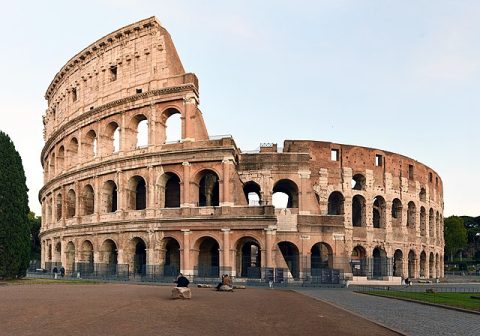
Colosseum (Colosseo)
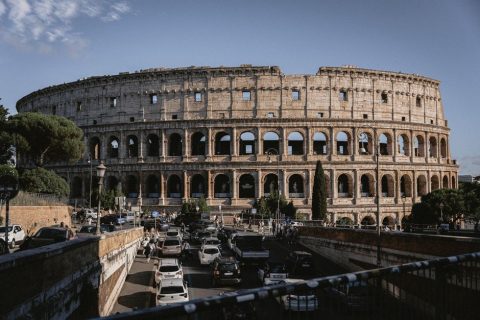
The largest amphitheater ever built, this iconic symbol of Rome hosted gladiatorial contests and public spectacles for 50,000 spectators. Built in 70-80 AD, the Colosseum showcases remarkable Roman engineering with its complex system of underground tunnels and innovative crowd management design. The partially ruined structure remains Rome's most visited monument, offering underground tours and night visits for an unforgettable experience.
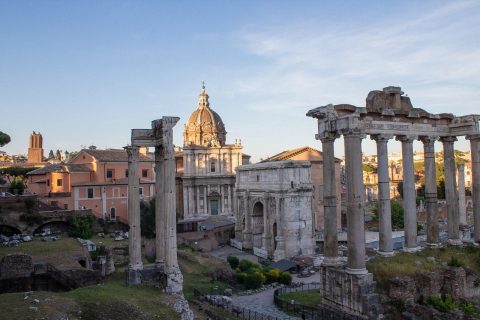
Roman Forum
The political and commercial heart of ancient Rome, this sprawling archaeological complex features temples, basilicas, and government buildings dating back over 2,000 years. Walk along the Sacred Way where triumphal processions once passed, explore the Senate House, and marvel at the Temple of Saturn. Combined tickets with the Colosseum and Palatine Hill offer the best value for exploring Rome's ancient center.
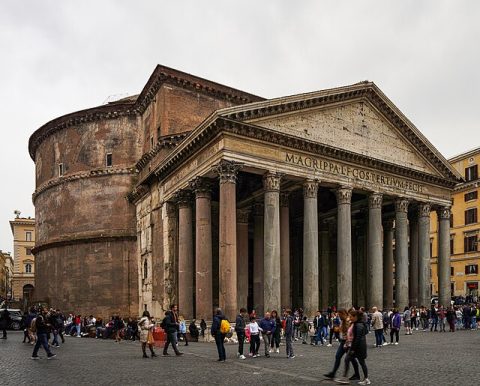
Pantheon
A perfectly preserved Roman temple from 126 AD, the Pantheon features the world's largest unreinforced concrete dome with a magnificent oculus opening to the sky. Originally dedicated to all Roman gods, it became a Christian church in 609 AD. The building's harmonious proportions and innovative engineering continue to inspire architects worldwide. The €7 adult price is current, but the reduced ticket is €2 for eligible EU visitors aged 18–25, free for under-18s and on the first Sunday of the month) and are booked as timed slots on the official Musei Italiani platform.
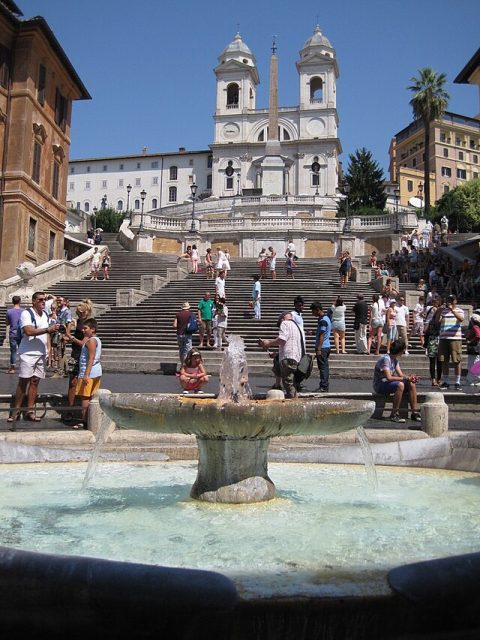
Spanish Steps
This monumental Baroque stairway of 135 steps connects Piazza di Spagna with Trinità dei Monti church, creating one of Rome's most picturesque settings. Built in the 1720s, the steps serve as a popular gathering place surrounded by luxury shopping streets. The boat-shaped fountain at the base, Fontana della Barcaccia, designed by Pietro Bernini, adds charm to this elegant square that blooms with azaleas each spring.
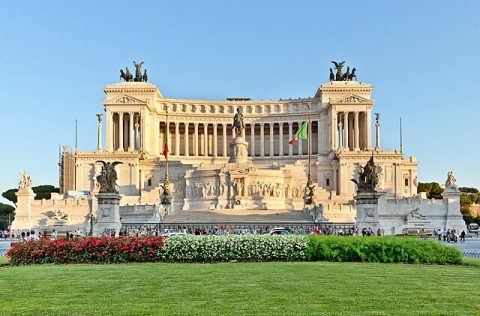
Vittorio Emanuele II Monument
Known as the 'Typewriter' or 'Wedding Cake', this massive white marble monument honors Italy's first king and symbolizes Italian unification. Completed in 1925, it houses the Tomb of the Unknown Soldier and offers spectacular 360-degree views of Rome from its rooftop terrace. The free museum inside chronicles Italian unification, while elevators provide access to breathtaking panoramic vistas across the ancient city.
Tips for Landmarks & Monuments
- Book tickets online to skip long queues at major monuments, especially during peak season (April-October)
- Arrive early at popular sites like the Trevi Fountain for better photos without crowds
- Wear comfortable shoes as most monuments involve extensive walking and standing
- Bring water and use Rome's numerous free drinking fountains (nasoni) throughout the city
- Consider combo tickets for Colosseum, Roman Forum, and Palatine Hill for significant savings
Rome houses some of the world's most exceptional art collections, spanning from ancient Roman sculptures to Renaissance masterpieces and contemporary works. These institutions preserve millennia of artistic achievement.
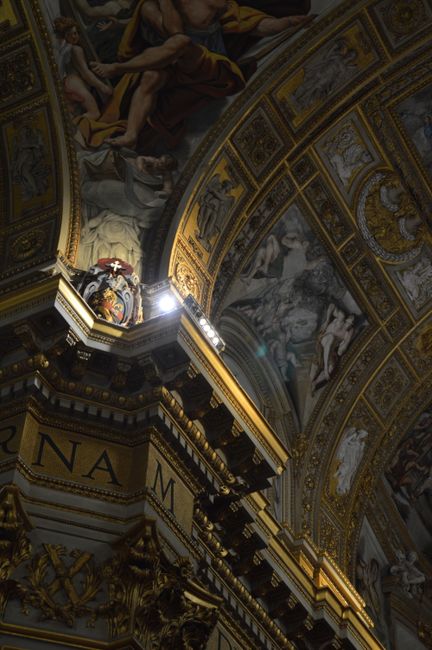
Vatican Museums & Sistine Chapel
Housing over 70,000 works of art in 54 galleries, the Vatican Museums showcase masterpieces collected by popes throughout centuries. The journey culminates in the Sistine Chapel, where Michelangelo's iconic ceiling frescoes and Last Judgment create an overwhelming spiritual and artistic experience. Highlights include the Gallery of Maps, Raphael Rooms, ancient Roman sculptures, and Egyptian artifacts. Official Colosseum ticket sales open 30 days before the visit; entry requires a reserved time slot.
Borghese Gallery
A jewel of Baroque art housed in a 17th-century villa, featuring masterpieces by Bernini, Caravaggio, Raphael, and Titian. The collection includes Bernini's dynamic sculptures like Apollo and Daphne, Caravaggio's revolutionary paintings, and works spanning five centuries. Set within the beautiful Villa Borghese gardens, this intimate museum requires timed-entry reservations and limits visitors to two-hour sessions, ensuring an unhurried appreciation of each masterwork.
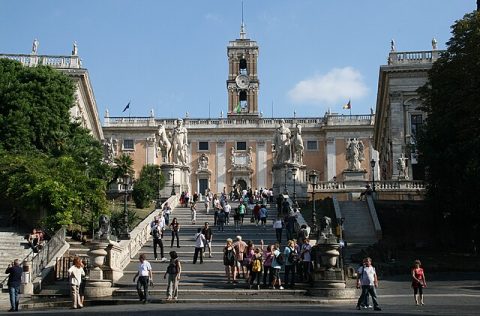
Capitoline Museums
The world's oldest public museum, founded in 1471, occupies two palaces on Capitoline Hill designed by Michelangelo. Collections include the iconic bronze statue of the Capitoline Wolf, Marcus Aurelius equestrian statue, and extensive ancient Roman sculptures. The Pinacoteca features paintings by Caravaggio, Titian, and Rubens. An underground tunnel connects the buildings, passing through the ancient Tabularium with breathtaking Forum views.
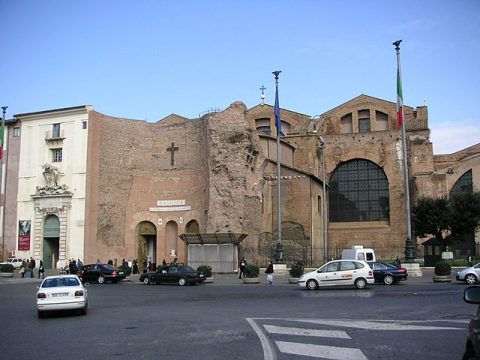
National Roman Museum
Spread across four historic venues, this museum system houses Rome's finest ancient Roman art collection. Palazzo Massimo alle Terme displays spectacular frescoes, mosaics, and sculptures. Palazzo Altemps features Greek and Roman statuary. The Baths of Diocletian showcase the transformation of ancient thermal baths. Crypta Balbi explores medieval Rome. Each location offers unique insights into different periods of Roman civilization and daily life.
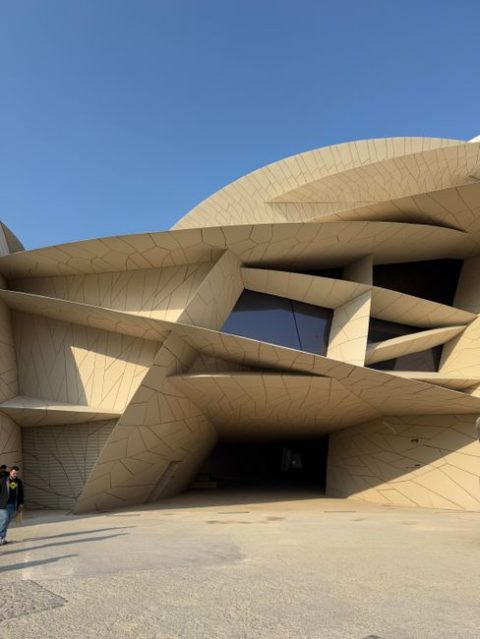
MAXXI - National Museum of 21st Century Arts
Rome's premier contemporary art museum, designed by Zaha Hadid, showcases cutting-edge Italian and international art and architecture. The striking modern building contrasts with Rome's ancient aesthetic, featuring flowing concrete curves and dramatic natural lighting. Rotating exhibitions highlight emerging and established contemporary artists, while permanent collections focus on Italian art from 1960 onwards. Located in the Flaminio district, it represents Rome's vibrant modern cultural scene.
Tips for Museums & Galleries
- Reserve Borghese Gallery tickets weeks or months in advance as they sell out quickly
- Visit Vatican Museums on Friday evenings (April-October) for fewer crowds and extended hours
- Purchase Roma Pass for free museum entry and public transport if visiting multiple museums
- Dress modestly for Vatican Museums covered shoulders and knees required
- Allow sufficient time Vatican Museums alone require minimum 3 hours to appreciate properly
As the heart of Catholicism and home to the Vatican, Rome boasts extraordinary churches and basilicas adorned with priceless art. These sacred spaces blend spiritual significance with architectural magnificence.
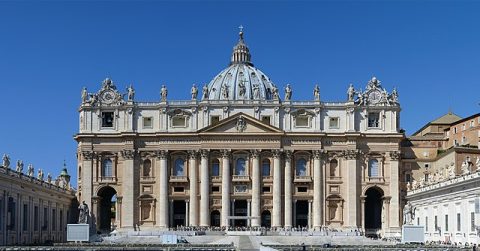
St. Peter's Basilica
The world's largest church and centerpiece of Vatican City, St. Peter's took 120 years to complete, with contributions from Michelangelo, Bernini, and Bramante. The basilica houses Michelangelo's Pietà, Bernini's bronze baldachin, and St. Peter's tomb. Climb 551 steps to the dome for unparalleled Rome views. Free entry to the basilica, though dome climb requires tickets. Arrive early to minimize wait times, especially during papal audiences on Wednesdays.
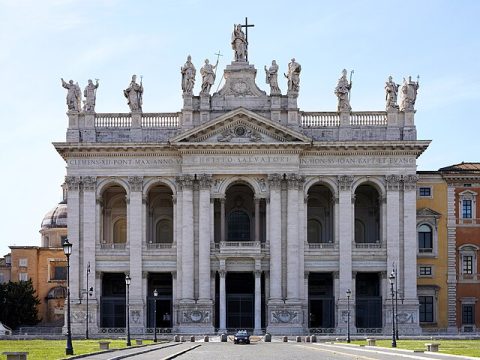
Basilica of St. John Lateran
Rome's cathedral and the Pope's official seat as Bishop of Rome, predating St. Peter's as the most important church in Catholicism. Founded in the 4th century, it features a magnificent Baroque interior, beautiful cloister, and houses the Scala Santa (Holy Stairs) believed to be from Pontius Pilate's palace. The imposing façade with massive statues and the ornate interior showcase centuries of religious art and architectural evolution.
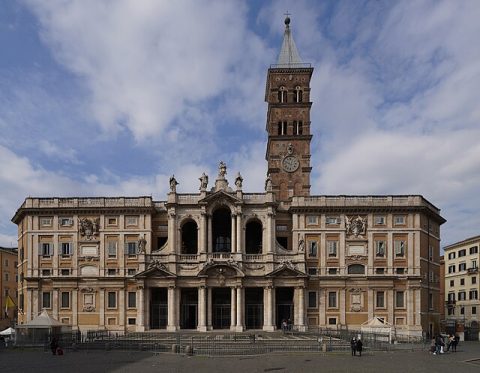
Basilica of Santa Maria Maggiore
One of Rome's four papal major basilicas, renowned for its stunning 5th-century mosaics and gilded ceiling allegedly decorated with first gold from the Americas. Legend attributes its founding to a miraculous August snowfall in 358 AD. The basilica blends architectural styles from different periods, featuring a Romanesque bell tower, Baroque façade, and remarkably preserved early Christian mosaics depicting biblical scenes in glittering gold and vibrant colors.
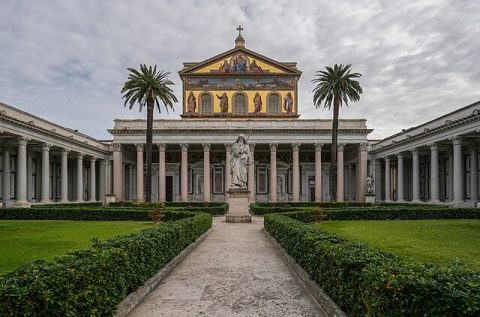
Basilica of St. Paul Outside the Walls
Built over St. Paul's tomb, this massive basilica is one of Rome's four papal basilicas and the second-largest church in Rome. Reconstructed after an 1823 fire, it retains its 5th-century mosaics and features a stunning 13th-century cloister. The interior showcases 266 papal portraits in medallions around the nave, with spaces left for future popes. The peaceful cloisters provide a tranquil escape from central Rome's bustle.
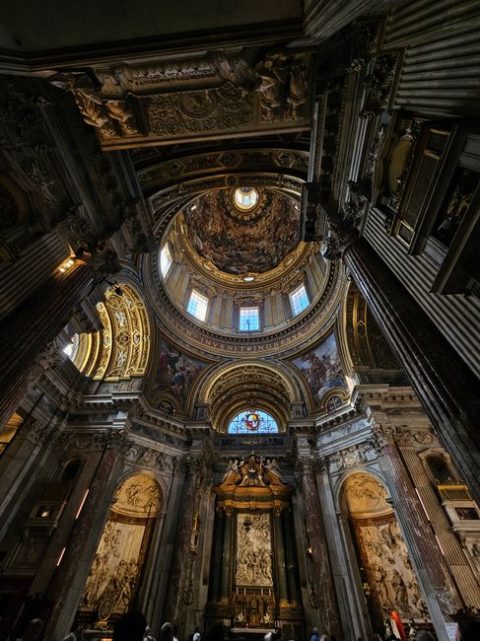
Church of Sant'Ignazio di Loyola
A Baroque masterpiece featuring Andrea Pozzo's stunning trompe-l'oeil ceiling fresco that creates an illusion of a dome and heaven opening above. Stand on the marked marble disc in the nave floor for the optimal viewing position where the architectural illusions achieve perfect perspective. This Jesuit church, completed in 1685, exemplifies Counter-Reformation art's dramatic intensity and technical virtuosity in creating heavenly visions.
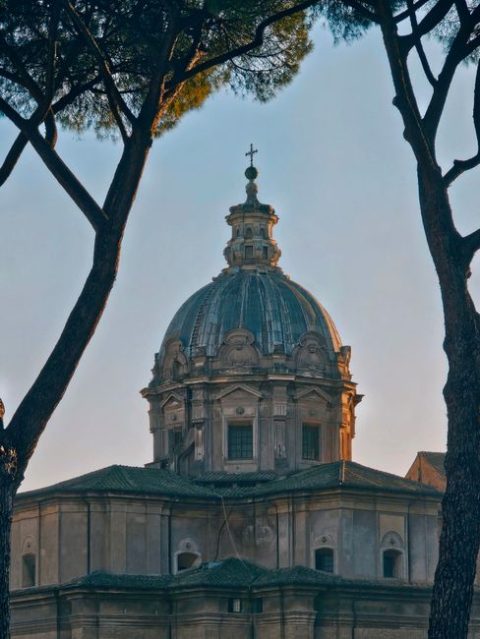
Church of San Luigi dei Francesi
Home to three extraordinary Caravaggio paintings in the Contarelli Chapel depicting the life of St. Matthew: The Calling of St. Matthew, St. Matthew and the Angel, and The Martyrdom of St. Matthew. These revolutionary works showcase Caravaggio's dramatic use of chiaroscuro and realistic human figures. Insert coins to illuminate the paintings. The French national church in Rome also features beautiful Renaissance and Baroque art throughout its interior.
Tips for Religious Sites
- Dress appropriately shoulders and knees must be covered in all churches; carry a shawl or scarf
- Visit during mass to experience churches in their intended spiritual context (but be respectful of worshippers)
- Many churches close between 12:00-15:00 for lunch break plan accordingly
- Entry is free to most churches, though donations are appreciated; bring coins for lighting artwork
- Book dome climb at St. Peter's separately elevator option available for part of the ascent
Rome's archaeological treasures offer unparalleled insights into ancient civilization. Walk through history among ruins, catacombs, and preserved structures that span millennia of human achievement.
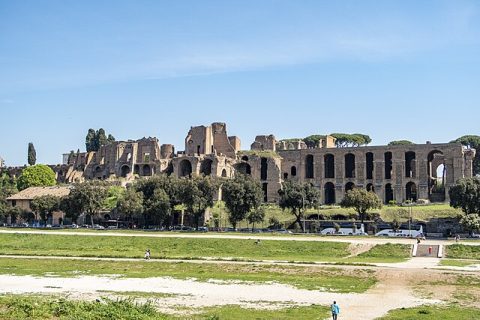
Palatine Hill
The legendary birthplace of Rome where Romulus founded the city in 753 BC, Palatine Hill became the exclusive residential area for emperors and aristocrats. Explore sprawling imperial palace ruins including the House of Augustus with its preserved frescoes, the House of Livia, and the vast Flavian Palace complex. The hill offers spectacular views over the Roman Forum and Circus Maximus. Combined tickets include Colosseum and Forum access.
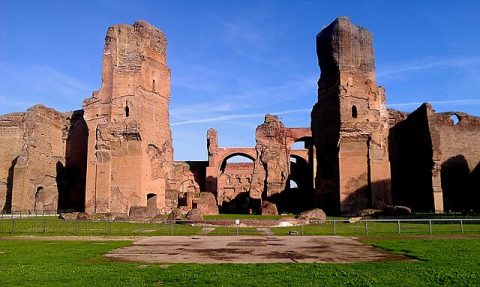
Baths of Caracalla
Among ancient Rome's largest and best-preserved thermal complexes, these 3rd-century baths accommodated 1,600 bathers simultaneously. The massive ruins showcase the scale of Roman public bathing culture, with remains of hot, warm, and cold baths, swimming pools, libraries, and gardens. During summer, the site hosts spectacular outdoor opera and ballet performances against the dramatic ancient backdrop. Virtual reality experiences help visitors reimagine the baths' original splendor.
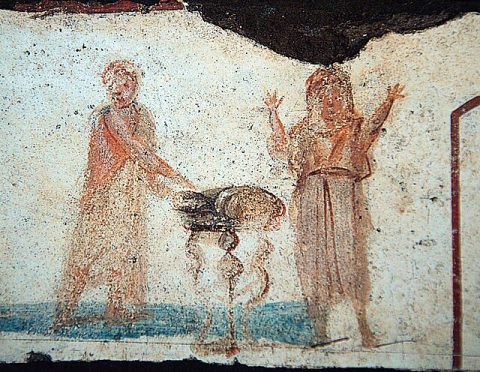
Catacombs of Rome
Underground burial networks where early Christians and Jews laid their dead in tunnels stretching for kilometers. The most visited include San Callisto (official burial place of 3rd-century popes), San Sebastiano, and Domitilla (featuring 4th-century frescoes). Guided tours explore narrow passages lined with burial niches, underground chapels, and early Christian art. These evocative sites provide insight into early Christianity and Roman burial practices. Advance booking recommended.
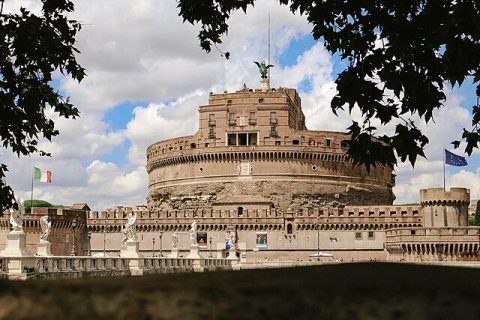
Castel Sant'Angelo
Originally built as Emperor Hadrian's mausoleum in 139 AD, this cylindrical fortress transformed over centuries into a papal residence, prison, and military stronghold. Connected to the Vatican by a secret elevated passageway, it saved popes during sieges. Today's museum displays Renaissance apartments, weapons collections, and papal treasures. Climb to the rooftop terrace for sweeping views of Rome and the Tiber River. The building's layered history spans nearly 2,000 years.
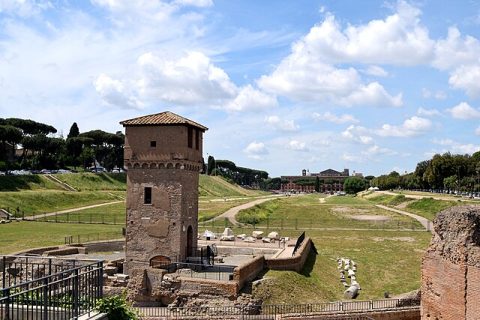
Circus Maximus
Ancient Rome's largest stadium, which once held 250,000 spectators for chariot races and public games. While mostly an open field today, the site's enormous scale impresses visitors, and archaeological work continues to reveal structures. An augmented reality app recreates the circus in its glory days. The adjacent Palatine Hill provides excellent views over the valley where Romans gathered for centuries of entertainment and spectacle.
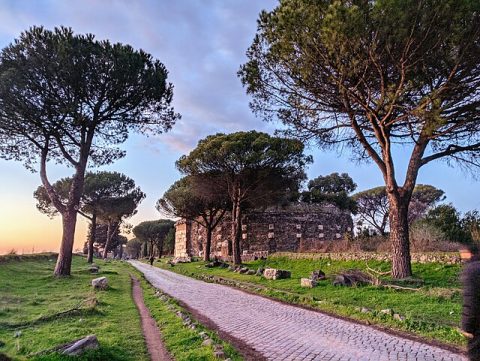
Appian Way (Via Appia Antica)
The queen of roads, built in 312 BC as Rome's first major highway, extends southeast from the city. Walk or bike along original paving stones lined with ancient tombs, catacombs, and ruins. The Archaeological Park offers a peaceful escape with cypress-lined paths, Roman aqueduct ruins, and access to Villa dei Quintili. Sunday closures to cars make it ideal for cycling. This historic route embodies Rome's engineering genius and expansion.
Tips for Ancient & Historical Sites
- Hire an archaeologist guide for Forum and Palatine Hill to bring ruins to life with historical context
- Wear sturdy shoes ancient sites have uneven surfaces, cobblestones, and require significant walking
- Bring sunscreen and water as ancient sites offer limited shade during summer months
- Visit catacombs only via guided tour independent exploration is not permitted
- Rent bikes for Appian Way exploration several rental shops available near the entrance
Rome's elegant piazzas and historic streets serve as outdoor living rooms where locals and tourists gather. These spaces showcase fountains, cafés, and stunning architecture in perfect harmony.
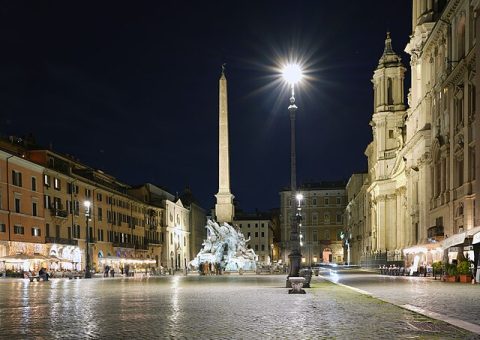
Piazza Navona
Built on the footprint of Emperor Domitian's ancient stadium, this elongated Baroque square features three magnificent fountains, including Bernini's Fountain of the Four Rivers at its center. Street artists, musicians, and portrait painters create a lively atmosphere among outdoor cafés. The surrounding palaces and Sant'Agnese in Agone church showcase 17th-century Roman architecture at its finest. Christmas markets and seasonal events make it a year-round destination for Romans and visitors alike.
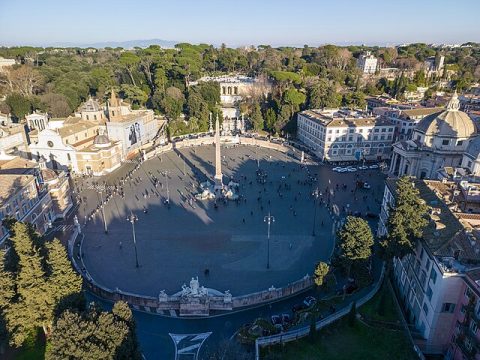
Piazza del Popolo
A grand neoclassical square marking the northern gateway to Rome's historic center, featuring an Egyptian obelisk, twin baroque churches, and the terraced Pincio Gardens offering panoramic city views. The square's symmetrical design creates impressive vistas down three radiating streets (the Trident). Santa Maria del Popolo church houses Caravaggio masterpieces. The vast open space hosts concerts and public events, while surrounding cafés provide perfect people-watching spots.
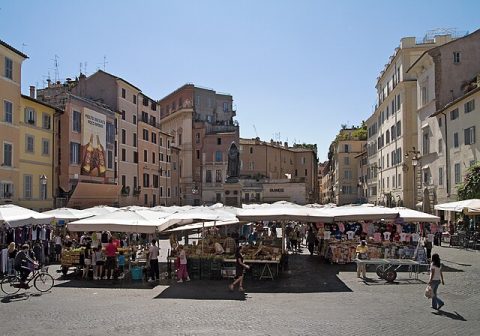
Campo de' Fiori
Rome's most vibrant market square transforms from morning produce market to evening social hub. Since 1869, vendors sell fresh flowers, fruits, vegetables, spices, and local specialties Monday-Saturday mornings. By night, the square fills with restaurants, bars, and international crowds. The imposing statue of philosopher Giordano Bruno, burned at the stake here in 1600, overlooks the lively scene. Surrounding medieval streets house artisan shops and traditional trattorias.
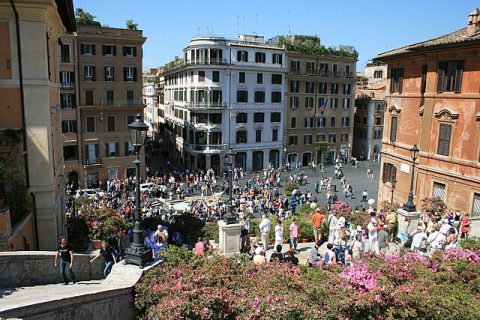
Piazza di Spagna
Home to the iconic Spanish Steps, this elegant square connects high-end shopping streets with the Trinità dei Monti church. The boat-shaped Barcaccia fountain, designed by Pietro Bernini, sits at the steps' base. Once the heart of Rome's artist quarter, the area now features luxury boutiques along Via Condotti. The Keats-Shelley House museum honors Romantic poets who lived here. Spring azalea displays add spectacular color to the already photogenic setting.
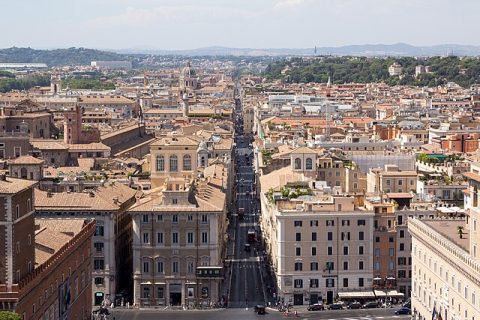
Via del Corso
Rome's main shopping street stretches 1.5 kilometers from Piazza del Popolo to Piazza Venezia, following the ancient Via Lata. This bustling pedestrian-friendly avenue features international fashion chains, historic palaces, and churches. Side streets lead to hidden piazzas and trattorias. The Corso serves as a spine through Rome's historic center, connecting major monuments while offering modern shopping and dining. Peak times create a lively passeggiata atmosphere of strolling crowds.
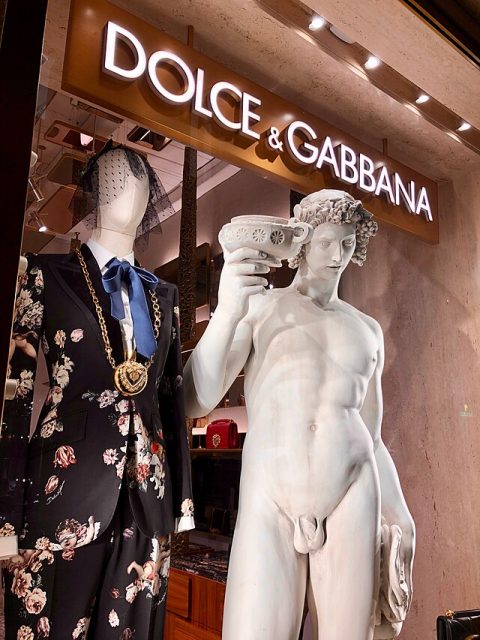
Via Condotti
Rome's most prestigious shopping street features flagship stores of luxury brands including Gucci, Prada, Bulgari, and Valentino. The elegant street connects Piazza di Spagna with Via del Corso, lined with 18th-century buildings housing exclusive boutiques. Historic Caffè Greco, opened in 1760, served Casanova, Goethe, and Byron. Window shopping here offers glimpses of Italian fashion excellence and craftsmanship, even if budgets don't stretch to purchases.
Tips for Squares & Streets
- Visit Campo de' Fiori market early morning (7-8 AM) for best selection and authentic local atmosphere
- Avoid dining directly on major tourist squares walk one block away for better value and quality
- Piazza Navona cafés charge premium prices for the view; enjoy a gelato while strolling instead
- Evening passeggiata (6-8 PM) is the best time to experience Roman street life and culture
- Sitting on Spanish Steps is now prohibited admire from standing positions or nearby cafés
Each Roman neighborhood (rione) possesses distinct character and atmosphere. From medieval lanes to bohemian quarters, these districts reveal authentic local life beyond tourist landmarks.
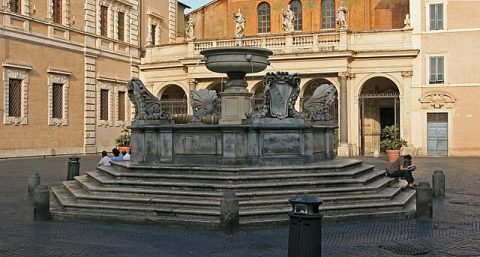
Trastevere
Rome's most charming bohemian neighborhood across the Tiber River features medieval cobblestone alleys, ivy-covered buildings, and authentic trattorias. By day, explore artisan workshops, vintage boutiques, and Santa Maria in Trastevere basilica with its golden mosaics. At night, the district transforms into Rome's liveliest nightlife hub with packed bars, live music venues, and outdoor dining. Despite tourism, Trastevere retains genuine Roman character where locals still live and gather.
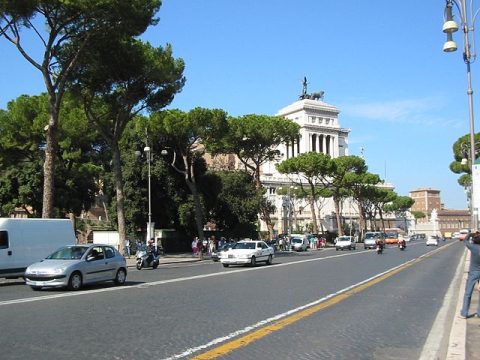
Monti
A trendy village within the city, Monti blends ancient ruins with hipster boutiques, wine bars, and vintage shops. This former working-class neighborhood near the Colosseum has gentrified into Rome's coolest district while maintaining authentic character. Cobblestone streets lead to hidden piazzas like Piazza Madonna dei Monti, where locals gather at outdoor cafés. The area offers excellent independent restaurants, craft beer bars, and designer boutiques in a relaxed, village-like atmosphere.
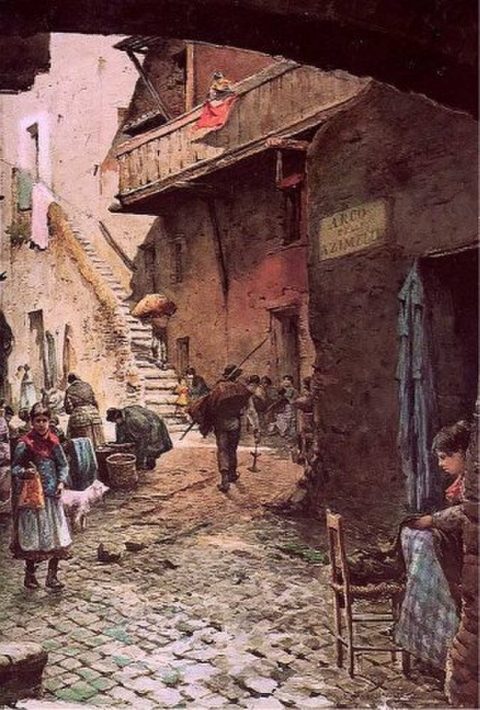
Jewish Ghetto
Rome's historic Jewish quarter dates to 1555 when Pope Paul IV confined Jews to this walled district. Today it thrives as a cultural hub with synagogue, kosher restaurants, and Jewish-Roman culinary specialties like carciofi alla giudia (fried artichokes). The Great Synagogue houses a Jewish museum chronicling the community's 2,000-year history. Narrow medieval streets preserve atmosphere while bakeries and trattorias serve traditional recipes passed through generations.
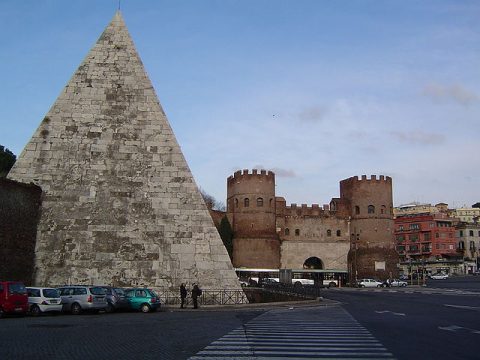
Testaccio
An authentic working-class neighborhood beloved by food enthusiasts for its traditional Roman cuisine and local market. The Testaccio Market offers fresh produce, street food, and the chance to eat alongside Romans. The district sits against Monte Testaccio, an artificial hill made from ancient Roman pottery shards, now housing nightclubs and restaurants. Less touristy than Trastevere, Testaccio provides genuine Roman neighborhood life with excellent trattorias and vibrant nightlife.
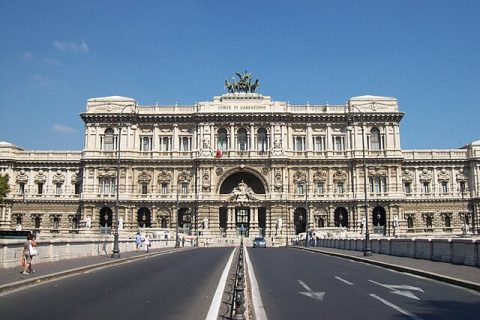
Prati
An elegant residential district near the Vatican featuring wide tree-lined boulevards, upscale shops, and excellent restaurants. Built in the late 19th century, Prati offers a more modern, orderly layout than medieval Rome. Cola di Rienzo street provides shopping alternative to touristy areas with Italian brands at reasonable prices. The neighborhood attracts locals for its authentic restaurants, wine bars, and relaxed atmosphere away from tourist crowds.
Tips for Neighborhoods & Districts
- Explore neighborhoods in late afternoon/evening when locals emerge for aperitivo and passeggiata
- Trastevere is crowded on weekends visit weekday evenings for more authentic experience
- Monti offers great value dining compared to tourist areas near major monuments
- Book restaurants in advance in popular neighborhoods, especially Thursday-Saturday nights
- Wander without maps getting lost in neighborhood backstreets often leads to best discoveries
Rome's lush green spaces provide peaceful retreats from urban intensity. Historic gardens, ancient parks, and scenic overlooks offer shade, beauty, and stunning city views.
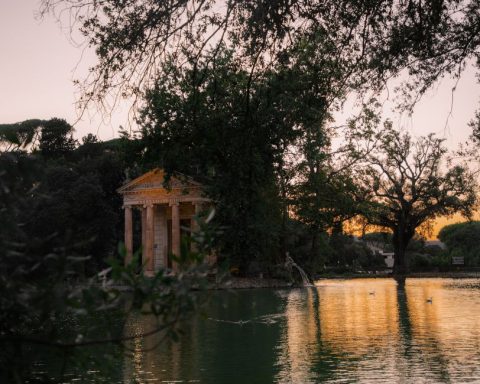
Villa Borghese Gardens
Rome's most beloved public park spans 80 hectares of landscaped gardens, tree-lined paths, fountains, and museums. Beyond the famous Borghese Gallery, the park offers rowboat rentals at the lake, Pincio Terrace with breathtaking views, a biopark zoo, and the Globe Theatre. Rent bikes or electric scooters to explore efficiently. The park provides perfect respite from sightseeing with shaded picnic areas, outdoor cafés, and street performers, especially magical at sunset.
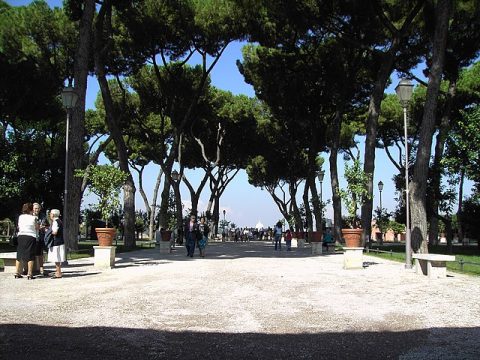
Orange Garden (Giardino degli Aranci)
This romantic hilltop garden on Aventine Hill offers Rome's most spectacular panoramic views, especially at sunset. The small park planted with orange trees provides an intimate, peaceful atmosphere. Adjacent to the garden, the famous Knights of Malta keyhole offers a perfectly framed view of St. Peter's dome. The combination of orange blossoms' scent, stunning vistas, and quiet ambiance makes this a favorite spot for proposals and romantic moments.
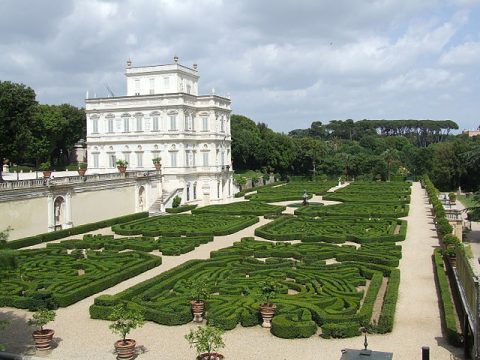
Villa Doria Pamphili
Rome's largest landscaped park covers 184 hectares with formal Italian gardens, wooded areas, and meadows. Popular with joggers, cyclists, and families, this former aristocratic estate features fountains, a baroque casino (villa), ancient aqueducts, and peaceful walking paths away from tourist crowds. The extensive grounds offer picnic areas, playgrounds, and a refreshing escape into nature while remaining within city limits. Perfect for morning runs or leisurely afternoon strolls.
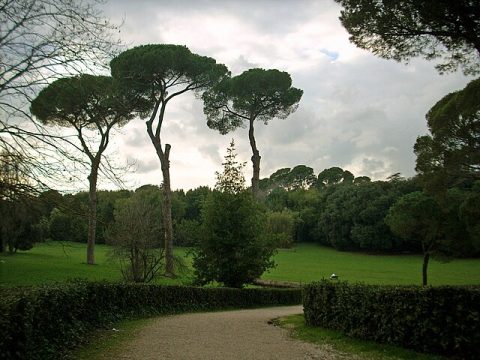
Villa Ada
A vast public park in northern Rome combining formal gardens, dense woods, and the Savoy royal family's former residence. Popular with Romans for jogging, picnicking, and weekend leisure, the park features a lake, archaeological ruins, and extensive trails through Mediterranean forest. Summer brings outdoor concerts and cinema events. Less visited by tourists, Villa Ada offers authentic Roman park culture and natural beauty ideal for extended walks or bike rides.
Tips for Parks & Gardens
- Visit Orange Garden at sunset for unforgettable views and golden light photography
- Rent bikes in Villa Borghese to cover more ground rental stations located near park entrances
- Pack picnic supplies from local markets for budget-friendly meals in beautiful settings
- Parks are free and open dawn to dusk, perfect for morning jogs or afternoon relaxation
- Sunset timing varies by season arrive 30 minutes before for best photo opportunities at viewpoints
Rome's streets function as an open-air museum with magnificent fountains, sculptures, and ancient obelisks adorning public spaces. These artistic treasures enhance daily life for residents and visitors.
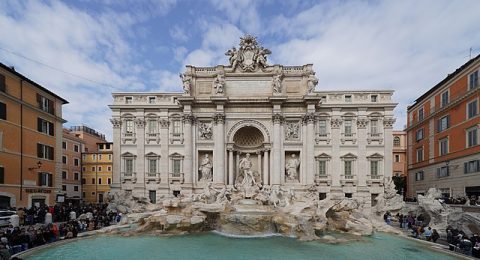
Trevi Fountain
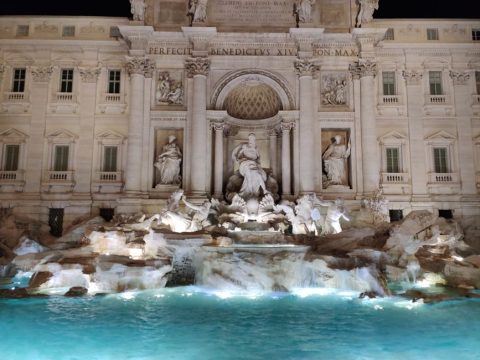
Rome's largest and most famous Baroque fountain depicts Neptune's chariot pulled by seahorses in a dramatic cliff-like setting. Designed by Nicola Salvi and completed in 1762, the fountain fills its small piazza with the sound of cascading water. Tradition dictates tossing one coin ensures return to Rome, two brings romance, three guarantees marriage. The fountain collects approximately €3,000 daily, donated to charity. Visit at dawn or late night for fewer crowds.
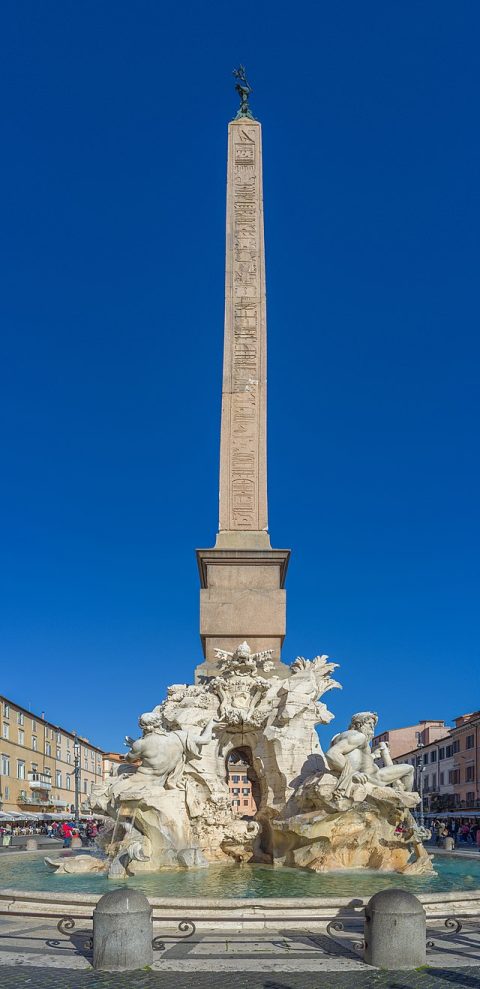
Fountain of the Four Rivers
Bernini's Baroque masterpiece at Piazza Navona's center features four river gods representing continents known in 1651: the Nile, Ganges, Danube, and Río de la Plata. An Egyptian obelisk rises from the fountain's center, topped by a dove. The dramatic sculpture showcases Bernini's skill in combining architecture, water, and marble into theatrical unity. The fountain competes for attention with Sant'Agnese church, designed by Bernini's rival Borromini.
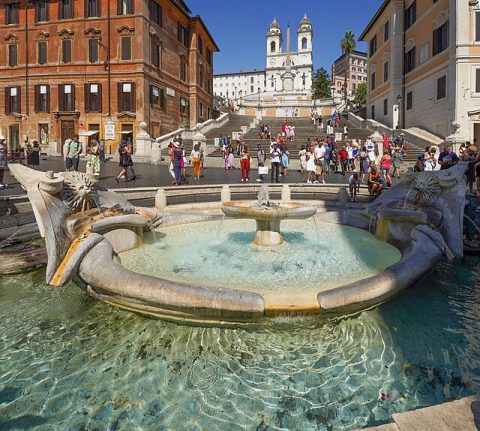
Fontana della Barcaccia
Pietro Bernini's ingenious boat-shaped fountain at the Spanish Steps' base solves the problem of low water pressure by designing a half-sunken boat. Commissioned by Pope Urban VIII, the fountain features the Barberini family's bee symbols. Its unusual design makes it one of Rome's most photographed fountains. Legend attributes the boat design to a Tiber flood that left a barge stranded here, though historical accuracy remains debated.
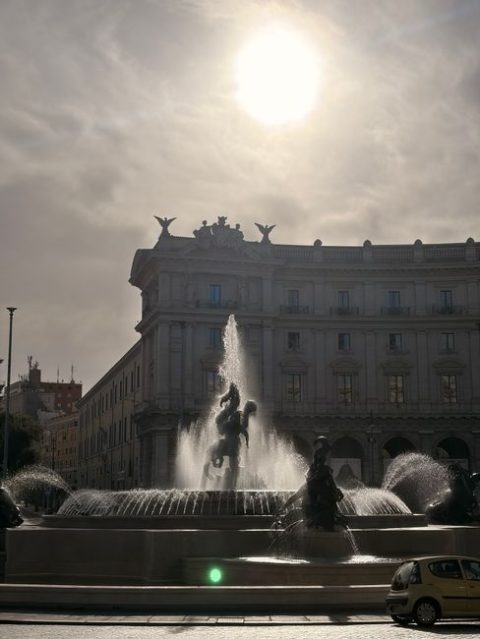
Piazza della Repubblica Fountain
The Fountain of the Naiads features bronze nymphs riding sea creatures in provocative poses that scandalized 1901 Rome. Located in semicircular Piazza della Repubblica, near Termini station, the exuberant fountain celebrates water's power with four nymphs representing different water forms. The surrounding arcaded buildings create an impressive urban ensemble. The piazza serves as a major transport hub while maintaining architectural dignity and artistic impact.
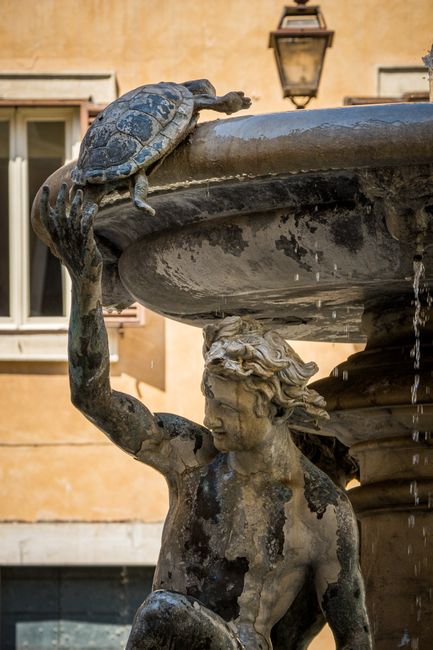
Turtle Fountain
A delightful Renaissance fountain in Piazza Mattei features bronze boys helping turtles climb into the upper basin an allegory of helping others reach heaven. Designed in 1581-88 by Giacomo della Porta, the turtles were added later (possibly by Bernini). This charming, intimate fountain in the Jewish Ghetto exemplifies Rome's tradition of neighborhood fountains that serve both aesthetic and practical purposes in daily urban life.
Tips for Fountains & Public Art
- Photograph fountains early morning or at night when illuminated and less crowded
- Respect regulations wading, climbing, or bathing in fountains results in significant fines
- Use proper coins for tossing traditions vendors nearby sell coins specifically for fountain wishes
- Free drinking water flows from nasoni (nose-shaped fountains) throughout the city bring reusable bottles
- Fountain hopping tours make excellent evening walks connecting Baroque masterpieces across the historic center
Enhance your Roman experience with guided tours, unique activities, and immersive experiences. From underground explorations to cooking classes, these activities provide deeper cultural insights.
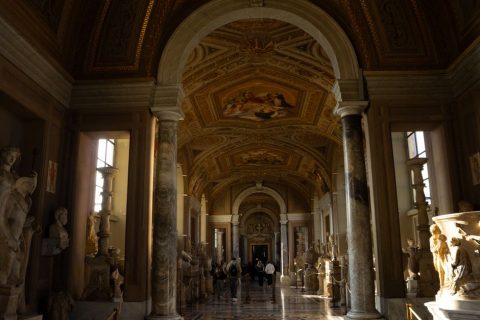
Vatican Museums Skip-the-Line Tours
Expert-guided tours provide priority access and historical context for the Vatican's overwhelming collections. Professional guides navigate the route efficiently, explaining masterpieces' significance while sharing stories about papal patronage and artistic rivalries. Small group tours (maximum 12 people) allow better interaction and questions. Early morning or evening tours offer quieter experiences. Some tours include breakfast in Vatican gardens or access to normally closed areas like the Bramante Staircase.
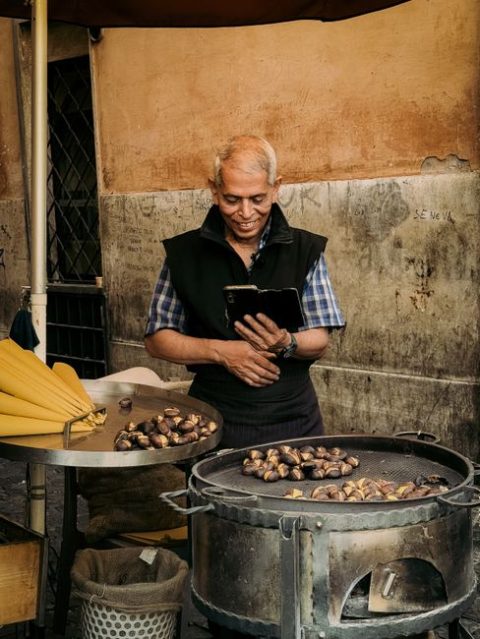
Roman Cooking Classes
Learn to prepare authentic Roman cuisine from local chefs in intimate kitchen settings or traditional restaurants. Classes typically cover pasta-making techniques (cacio e pepe, carbonara, amatriciana), artichoke preparation, and classic desserts like tiramisu. Market tours often precede cooking, teaching ingredient selection. Most classes conclude with enjoying the meal accompanied by Italian wine. Perfect for food enthusiasts wanting hands-on cultural immersion and recipes to recreate at home.
Underground Rome Tours
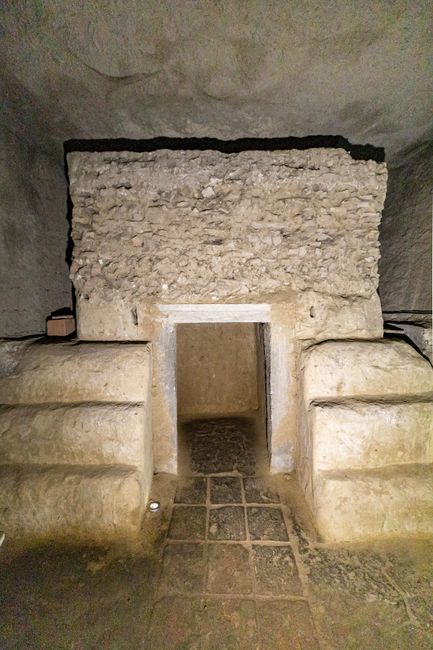
Explore hidden layers beneath modern Rome including ancient houses, mithraeums (temples to Mithras), medieval crypts, and early Christian sites. Tours visit locations like San Clemente basilica with its three-story historical layers, Stadium of Domitian under Piazza Navona, or underground passages of the Colosseum. These fascinating experiences reveal how Rome built upon itself through millennia, preserving earlier structures beneath current street level.
Food Tours
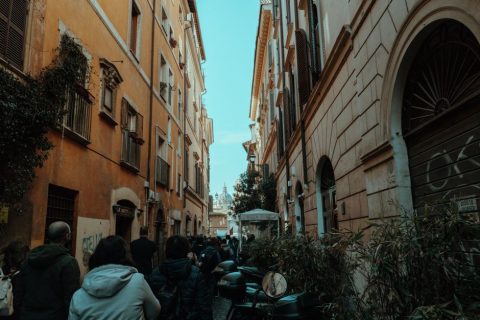
Guided culinary walking tours through neighborhoods like Trastevere, Testaccio, or Jewish Ghetto introduce traditional Roman cuisine and local food culture. Sample porchetta, suppli, pizza al taglio, gelato, and regional wines while learning about ingredients, recipes, and culinary history. Guides share insider knowledge about best bakeries, markets, and restaurants. Evening tours often include aperitivo. Excellent way to discover authentic eateries beyond tourist traps while learning food terminology.
Vespa Tours
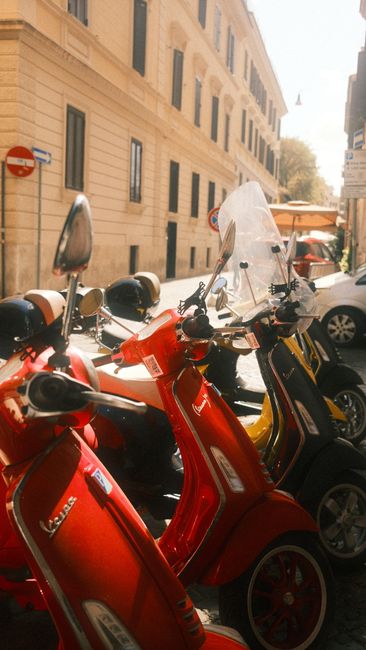
Experience Rome like a local on guided Vespa scooter tours through narrow streets, hidden piazzas, and scenic viewpoints inaccessible to buses. Tours typically include the historic center, Appian Way, or neighborhood explorations with stops at fountains, monuments, and authentic cafés for espresso breaks. Drivers navigate traffic while passengers enjoy the scenery. Options include vintage Vespas and sunset tours. Valid driver's license required for piloting your own scooter.
Gladiator School Experience
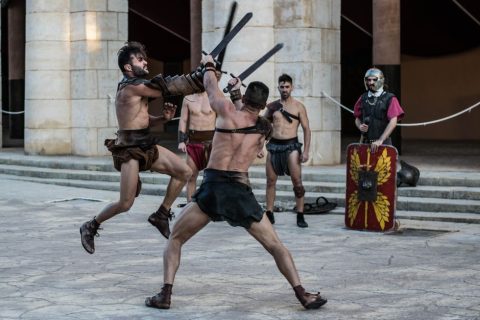
Learn ancient combat techniques from expert instructors dressed as Roman gladiators. Located near the Colosseum or Appian Way, these interactive experiences teach sword fighting, shield work, and gladiatorial history. Participants wear tunics and use replica wooden weapons in historically-inspired training sessions. Photo opportunities in full gladiator costumes included. Perfect for families and history enthusiasts wanting memorable, hands-on Roman adventure beyond passive sightseeing.
Tips for Tours & Activities
- Book popular tours 2-4 weeks in advance, especially for Vatican early entry or limited-access areas
- Small group tours cost more but provide better experience than large bus tours with 40+ people
- Read reviews carefully on multiple platforms to assess guide quality and tour content
- Morning tours beat afternoon heat and crowds at outdoor archaeological sites
- Confirm dietary restrictions when booking cooking classes or food tours for accommodation
Rome's strategic location enables excellent day trip opportunities to nearby historic towns, coastal areas, and ancient sites offering different perspectives on Italian culture and history.
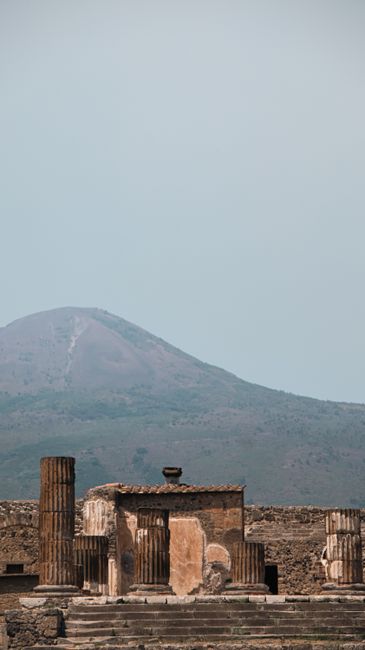
Pompeii & Mount Vesuvius
The remarkably preserved Roman city buried by Vesuvius' 79 AD eruption offers unparalleled glimpses into ancient daily life. Explore intact houses, temples, theaters, bathhouses, and streets with visible cart ruts. Frescoes, mosaics, and plaster casts of victims create haunting immediacy. Combined tours include climbing Mount Vesuvius crater for panoramic Bay of Naples views. High-speed trains or organized tours make the 3-hour journey manageable for dedicated visitors willing to start early.
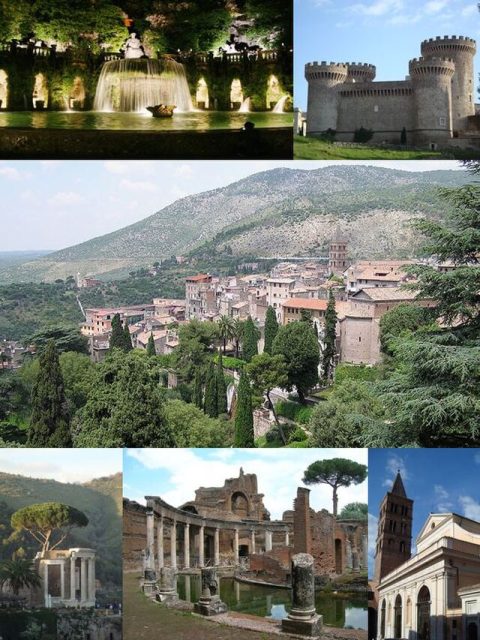
Tivoli (Villa d'Este & Hadrian's Villa)
Just 30 kilometers from Rome, Tivoli offers two UNESCO World Heritage Sites. Villa d'Este features spectacular Renaissance gardens with hundreds of fountains, water features, and terraced landscapes. Hadrian's Villa, Emperor Hadrian's vast 2nd-century retreat, sprawls across 120 hectares with ruins of palaces, baths, theaters, and gardens reflecting ancient architectural innovation. The sites require separate visits but both merit exploration. Easy train or bus access makes Tivoli an effortless half or full-day excursion.
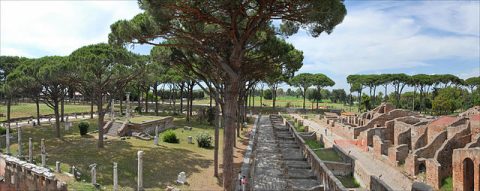
Ostia Antica
Rome's ancient seaport, remarkably well-preserved yet far less crowded than Pompeii, offers extensive ruins including apartments, taverns, baths, theater, and temples. Walk ancient streets lined with shops and houses where mosaics remain intact. The site provides authentic sense of Roman commercial life without Pompeii's overwhelming crowds. Located just 30 minutes from Rome by train, Ostia Antica makes an easy half-day trip ideal for those unable to reach Pompeii or seeking quieter archaeological experiences.
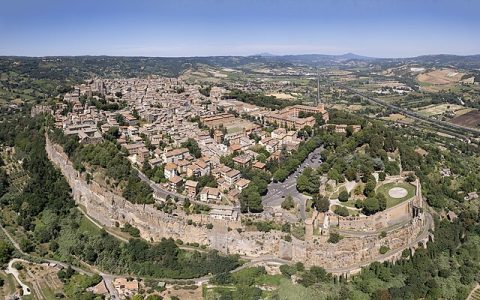
Orvieto
This stunning hilltop Umbrian town perches dramatically on volcanic tuff cliffs. The magnificent Gothic cathedral features Signorelli's Last Judgment frescoes rivaling the Sistine Chapel. Explore underground tunnels and caves carved into the cliff, Etruscan ruins, and charming medieval streets. Sample local white wine and porchetta while enjoying panoramic countryside views. The town's compact size allows thorough exploration in a day. Direct trains from Rome take about 90 minutes, making Orvieto perfect for escaping urban intensity.
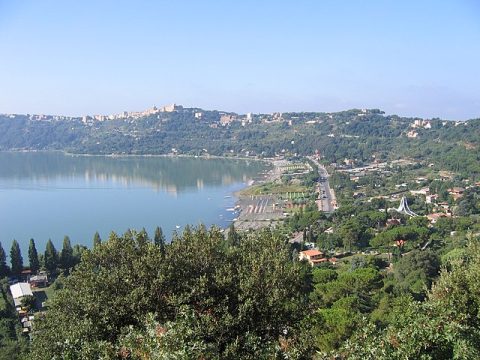
Castelli Romani
The Roman Castles encompass picturesque hill towns in the Alban Hills southeast of Rome, famous for wine production and papal summer residences. Visit Castel Gandolfo (Pope's summer palace with stunning lake views), Frascati (renowned white wines), and Nemi (strawberries and lakeside beauty). These towns offer cooler temperatures, traditional trattorias, scenic lakes, and authentic Italian small-town atmosphere. Easy access by train makes this a relaxing day trip combining nature, wine, and local culture.
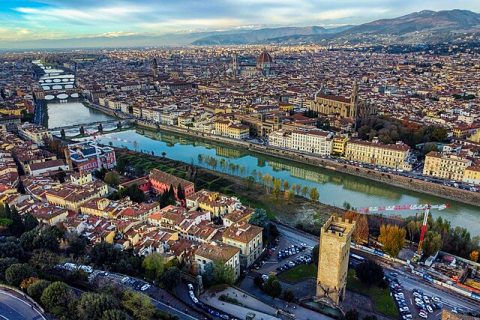
Florence
While ambitious for a day trip, high-speed trains make Florence accessible in 90 minutes. Renaissance art lovers can visit the Uffizi Gallery, see Michelangelo's David at the Accademia, climb the Duomo, and explore the historic center. Early departure and late return maximize time. Alternatively, consider an overnight stay to fully appreciate Florence's treasures without rushing. Pre-booking major museum tickets essential. This trip suits visitors with extended Rome stays wanting to sample Tuscany's capital.
Tips for Day Trips & Excursions
- Start early trains to Pompeii and Florence leave from 6-7 AM for maximum site time
- Book Pompeii tickets online to avoid long entrance queues, especially in summer
- Tivoli sites require 2-3 hours each; plan full day to visit both Villa d'Este and Hadrian's Villa
- Pack lunch for archaeological sites where restaurant options are limited or overpriced
- Check train schedules in advance and consider organized tours for complex itineraries like Pompeii
Rome's integrated transportation system includes metro, buses, trams, and trains connecting the city and surrounding regions. Understanding options helps navigate efficiently and economically.
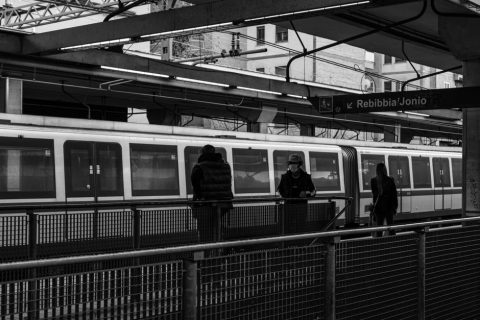
Metro System
Rome's metro has three lines (A, B, C) covering major tourist areas and connecting to Termini station. Line A serves Vatican, Spanish Steps, and Trevi Fountain areas. Line B reaches the Colosseum. Service runs 5:30 AM-11:30 PM (12:30 AM Fridays-Saturdays). Single tickets (€1.50) are valid 100 minutes for metro, bus, and tram. Purchase from tobacco shops, newsstands, or machines. Archaeological discoveries during construction limit expansion, but existing lines efficiently connect key destinations.
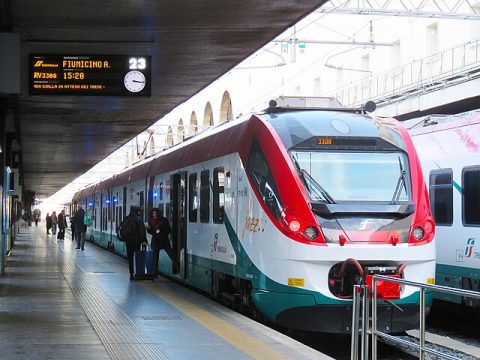
Leonardo Express (Fiumicino Airport Train)
The fastest connection between Fiumicino Airport and Termini station takes 32 minutes with departures every 15-30 minutes from 6:08 AM-11:23 PM. Tickets cost €14 per person and must be validated before boarding. The dedicated non-stop service offers comfort, reliability, and convenience. Alternative FL1 regional train costs €8 but makes multiple stops taking 45+ minutes. Purchase tickets online, at airport kiosks, or tobacco shops. The Leonardo Express represents optimal airport transfer for most travelers.
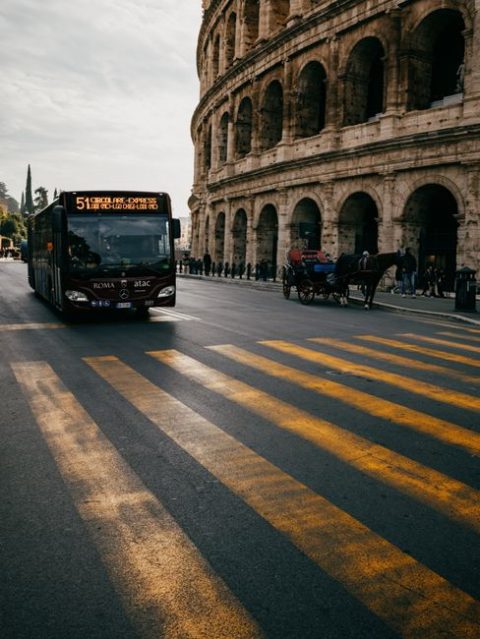
Bus Network
ATAC operates extensive bus routes covering areas unreached by metro, including Trastevere, Testaccio, and historic center. Key routes include 64 (Termini to Vatican), 40/64 (express routes), and H (central minibus). Buses run 5:30 AM-midnight, with night buses continuing service. Same €1.50 tickets as metro (100-minute validity). Validate tickets upon boarding. Routes can be confusing and traffic delays common, but buses access neighborhoods beyond metro reach. Google Maps provides reliable route planning.
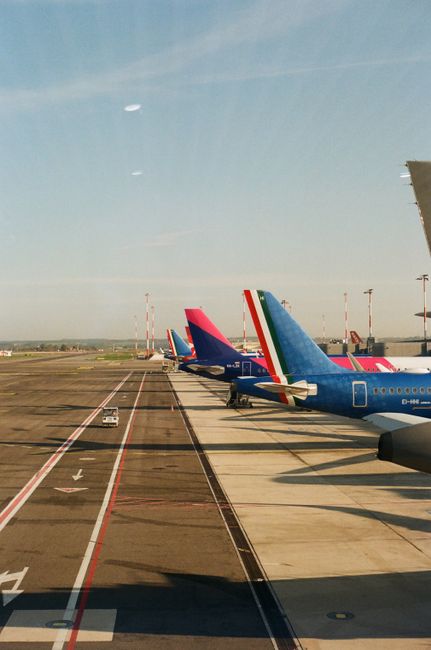
Ciampino Airport Connections
Rome's secondary airport for budget airlines lacks direct train service. ATRAL/Cotral buses connect to Ciampino station (€1.20, 5 minutes) with trains to Termini (€1.50, 15 minutes). Alternatively, Terravision and SIT shuttle buses run directly to Termini (€6, 40 minutes). Private taxis cost fixed €30 to central Rome. The airport is smaller and closer to the city than Fiumicino, though connections require more planning and coordination between services.
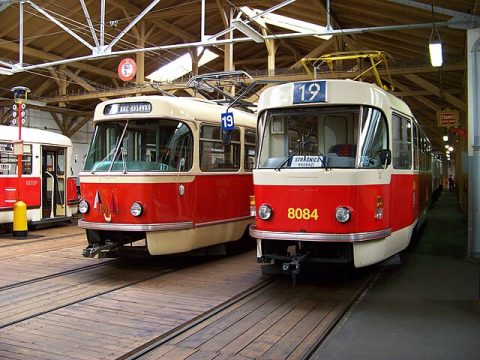
Trams
Rome's six tram lines provide scenic transportation through neighborhoods like Trastevere, Prati, and Villa Borghese areas. Line 3 and 19 are particularly useful for tourists. Vintage trams offer charming rides through historic districts. Same tickets as metro and buses apply (€1.50, 100 minutes). Trams are less crowded than buses and metro, offering comfortable travel with better views. They're slower than metro but provide authentic Roman transport experience while efficiently connecting specific neighborhoods.
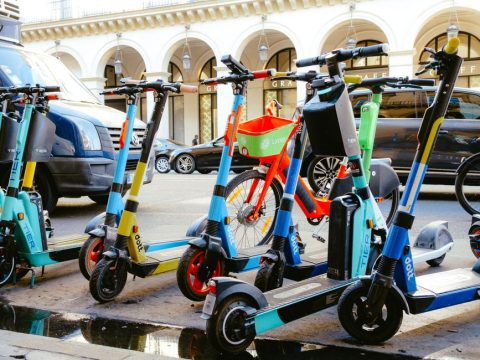
Bike & Scooter Sharing
Electric scooter and bike sharing services (Lime, Bird, Dott) operate throughout Rome's historic center. Download apps, locate vehicles, and pay per minute. Bikes and scooters offer flexibility for short trips and allow exploration of car-free areas. However, cobblestones and traffic can be challenging. Helmet not mandatory but recommended. Some areas prohibit scooter parking. Ideal for confident riders familiar with chaotic traffic. Traditional bike rentals available at Villa Borghese and near major attractions.
Tips for Transportation
- Purchase multi-day passes if using public transport frequently: ATAC’s current fares are €8.50, €15 and €22, respectively.
- Validate tickets every time inspectors fine heavily for unvalidated tickets even if purchased
- Avoid rush hours (8-9 AM, 6-7 PM) when metro and buses are extremely crowded
- Download Rome2Rio app for multi-modal journey planning combining trains, metro, and buses
- Walking is often faster than buses in historic center due to traffic check distances before boarding
Rome does not have a Germanic-style Christmas market scene, but the city still lights up for the holidays with a historic toy and nativity fair in Piazza Navona, a large seasonal fair on the outskirts, an open-air ice rink, and the famous Nativity scene and tree in St. Peters Square. December 2026 is a great time to combine sightseeing with festive traditions that go back centuries.
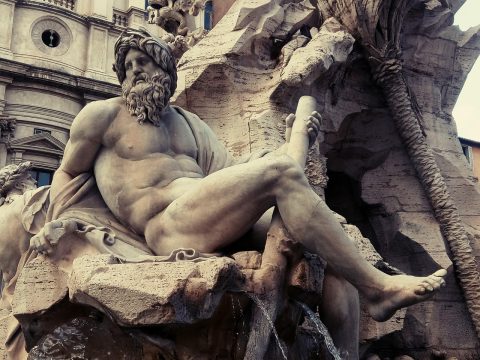
Piazza Navona Christmas Market
Romes oldest and most beloved holiday tradition, this market has filled the Baroque square since at least the 1800s. Wooden stalls sell nativity scene figurines (presepi), hand-carved ornaments, torrone, roasted chestnuts, and toys, with performers and a carousel adding to the atmosphere. It traditionally runs from early December through Epiphany on January 6, so it should still be active for the first days of 2026 and again from early December 2026. Evenings are liveliest, when the fountains and facades are lit and street artists perform. Expect big weekend crowds; a weekday morning visit is calmer. It sits within walking distance of the Pantheon, making it easy to combine with other sightseeing.
Christmas Village at Fiera di Roma
A large-scale seasonal fair held at the Fiera di Roma exhibition center, styled after northern European Christmas markets. It typically opens in late November and runs into early January, and features wooden chalets, an ice rink, a Ferris wheel, live entertainment, and food stalls selling mulled wine, roasted chestnuts, and regional Italian specialties. It is aimed at families, with rides and shows for children alongside the shopping stalls. Because it is outside the historic center, it is best reached by car or shuttle rather than on foot. Confirm exact December 2026 dates closer to the season, as they shift slightly year to year. It offers a more spacious, modern alternative to the crowded downtown markets.
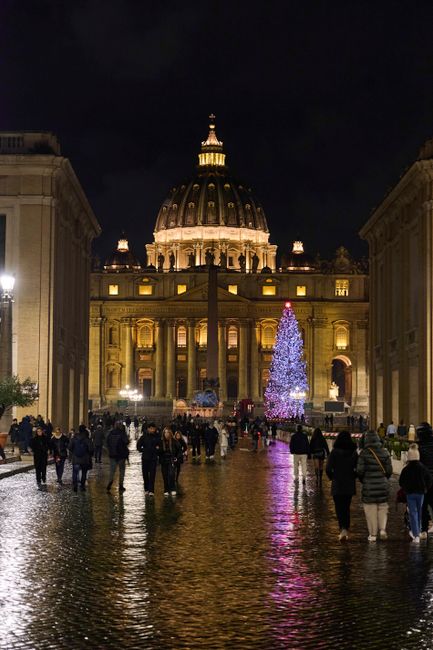
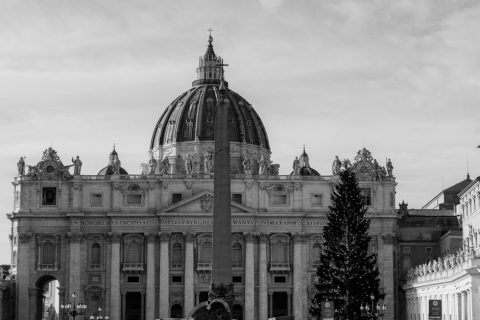
Nativity Scene and Christmas Tree in St. Peters Square
Every December, Vatican City installs a large Christmas tree and an elaborate life-size nativity scene (presepe) in St. Peters Square, a tradition dating back decades and a major draw for visitors during the holidays. The tree and presepe are usually unveiled and blessed in mid-December and remain on display through early January, illuminated each evening. Entry to the square is free and the display can be viewed any time of day, though evenings offer the best lighting and fewer crowds than midday. It pairs naturally with a visit to St. Peters Basilica. Expect security checks typical of Vatican City entry points.
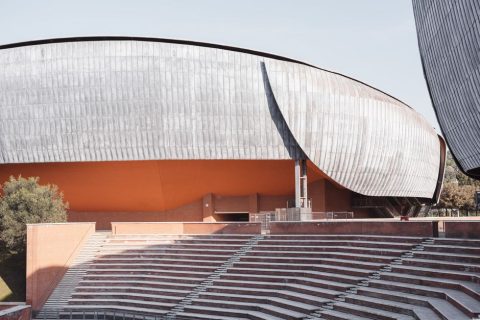
Ice Skating at Auditorium Parco della Musica
Each winter an open-air ice skating rink is set up in the courtyard of the Auditorium Parco della Musica, Romes striking modern concert hall complex designed by Renzo Piano. It generally operates from late November through early January, with skate rental available on site and the rink often decorated with lights and a holiday market feel. It is a favorite outing for local families and a fun way to experience Roman winter life away from the historic center crowds. The surrounding complex also hosts holiday concerts and events during December. Booking a time slot online in advance is recommended on weekends and holidays.
Tips for Christmas Market
- Piazza Navona gets very crowded on weekend evenings in December; visit on a weekday morning for a calmer experience.
- Confirm exact 2026 opening dates for Fiera di Roma and the ice rink closer to the season, as they can shift by a week or two.
- Dress warmly for evenings; Rome winters are mild but damp, and outdoor markets and rinks stay open into the night.
- Combine the Vatican nativity scene with an early-morning St. Peters Basilica visit to avoid the biggest crowds.
When the sun sets, Rome trades marble ruins for candlelit terraces, cocktail dens, and centuries-old wine cellars. From rooftop bars overlooking the skyline to alley-tucked jazz clubs, the city moves at an unhurried aperitivo pace before picking up after midnight.
Nightlife here spans elegant hotel lounges, student-filled pubs, and open-air riverside kiosks that appear only in warmer months.
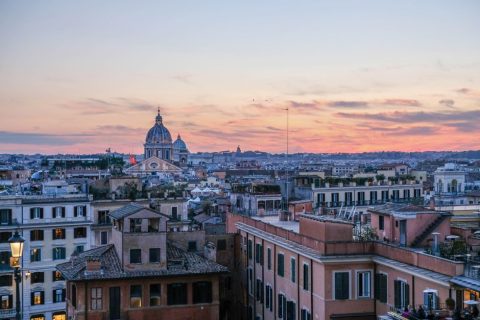
Terrazza Borromini Rooftop Bar
Perched above Piazza Navona, this rooftop bar offers one of the most cinematic views in Rome, with domes and bell towers glowing at dusk. It is part of a boutique hotel, so the atmosphere leans elegant rather than rowdy, with a curated cocktail list and attentive service.
Arrive for golden hour to snag a table before the crowd thickens, and expect premium prices reflecting the setting. Smart-casual dress is encouraged, and reservations are strongly advised on weekends. It is an ideal spot for a slow, scenic drink rather than a late night of dancing, and pairs well with an earlier passeggiata through the historic center.
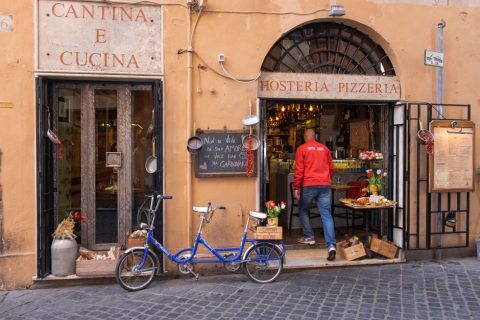
Freni e Frizioni
Set in a converted mechanic workshop in Trastevere, this bar is famous for its generous aperitivo buffet included with any drink purchase, drawing a mixed crowd of locals and travelers each evening. The industrial-chic courtyard spills onto the street, creating an easy, sociable atmosphere.
Cocktails are creative and reasonably priced for the neighborhood, and the buffet makes it a practical stop before dinner. It gets crowded fast after 7pm, so early arrival helps secure courtyard seating. The vibe stays casual and unpretentious, making it a favorite among younger visitors and expats looking to mingle without a formal club scene.
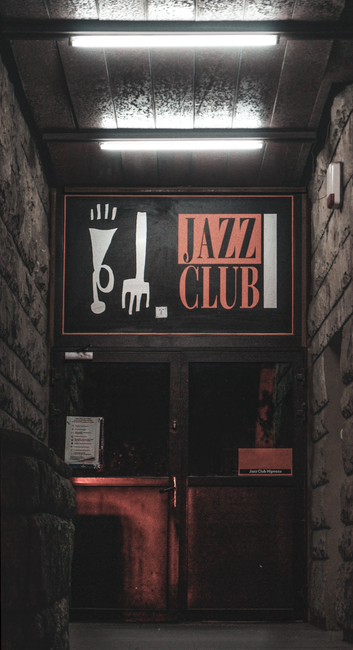
Gregory's Jazz Club
A cozy, dimly lit venue near the Spanish Steps area, Gregory's hosts live jazz nightly, ranging from smooth vocal sets to improvisational trio performances. The intimate two-level space feels more like a private lounge than a commercial club, with red walls and low ceilings amplifying the mood.
Seating is limited, so booking ahead is recommended, especially for weekend shows. Drinks lean toward classic cocktails and Italian wines, and there is often a small cover or minimum consumption charge. It is a favorite for couples and music lovers seeking a quieter, more sophisticated night out away from louder nightlife strips.
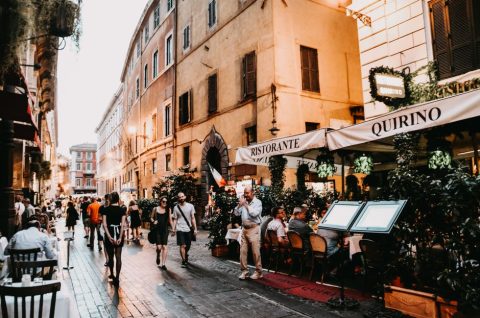
Ostiense Nightlife District
Once an industrial zone, Ostiense has become one of Rome's edgiest nightlife hubs, packed with warehouse-style clubs, street-art-covered facades, and late-night pizzerias. Venues here range from techno basements to open-air summer terraces near the old gasworks.
The district draws a younger, alternative crowd and stays lively well past 2am on weekends, unlike the more subdued historic center. Public transport thins out late, so plan a taxi or rideshare back. It is best visited with a loose itinerary, hopping between bars, since the scene shifts block by block and changes seasonally with pop-up venues.
Tips for Nightlife & Entertainment
- Aperitivo (roughly 6-9pm) often includes a food buffet with your drink purchase, making it a budget-friendly way to start the evening.
- Many clubs and late bars do not get busy until after midnight, following the Roman habit of a late dinner first.
- Book rooftop bars in advance during summer, as terraces fill quickly at sunset.
- Public transport (metro/buses) runs limited hours late at night, so plan taxis or rideshares for the trip home.
Rome rewards young explorers with hands-on science, gladiator games, and green spaces made for running off energy between sightseeing stops. These family picks balance play with just enough history to keep the whole group entertained.
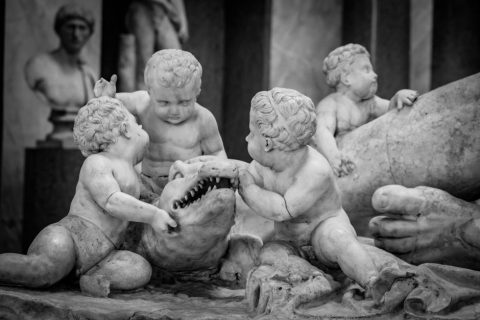
Explora - Children's Museum of Rome
A hands-on science and discovery museum built entirely for children up to age 12, with rooms simulating a supermarket, a bank, a TV studio, and a garden where kids role-play adult jobs. Every exhibit is touchable, and staff regularly run guided activities in Italian and sometimes English. It sits inside Villa Borghese's northern edge, making it easy to combine with a stroll through the park. Visits run in timed 105-minute slots, so arriving a little early is wise, especially on weekends when local families flock in. Strollers and larger bags are stored at the entrance. The museum is compact, so even the youngest toddlers won't get overwhelmed. Its indoor setting also makes it a smart backup plan on a rainy Roman afternoon, when open-air ruins lose their appeal fast for little legs.
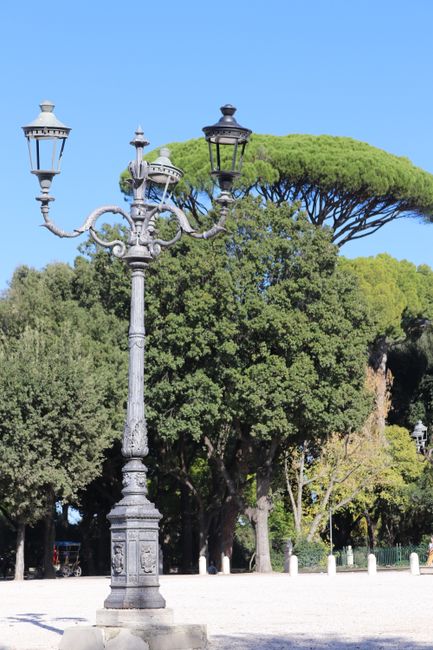
Bioparco di Roma (Rome Zoo)
Set inside the leafy grounds of Villa Borghese, this zoo houses over 200 species including elephants, giraffes, tigers, and a reptile house that toddlers find endlessly fascinating. Paths are shaded and stroller-friendly, and several playgrounds are scattered throughout for breaks between animal enclosures. Keeper talks and feeding sessions happen at scheduled times and are posted at the entrance each morning. The zoo works well as a half-day escape from the crowded historic center, letting kids burn energy in open air rather than being hushed through churches. A small train ride and picnic areas add extra appeal for younger visitors. Tickets can be bought online in advance to skip the queue, though lines are rarely long outside peak summer weekends. Shaded cafes near the entrance sell simple snacks and gelato.
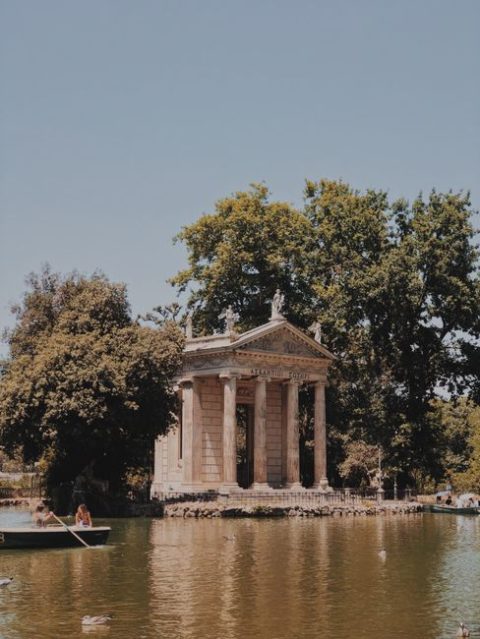
Villa Borghese Pony Rides and Rowing Lake
Beyond its museums, Villa Borghese park hides a cluster of low-key attractions built for children: pony rides along a fenced track, pedal-kart rentals on looped paths, and a small artificial lake where rowboats can be hired by the half hour. The lake's tiny island temple makes a scenic paddling target for kids who like a mini adventure. Bike and surrey rentals near the Pincio entrance suit families wanting to cover more ground without tired feet. Vendors sell popcorn, cotton candy, and gelato along the main paths, giving the visit a fairground feel. Everything is spread across flat, shaded terrain, so it is manageable even with a stroller or very young children. No booking is needed; simply pay cash or card at each activity stand as you go.
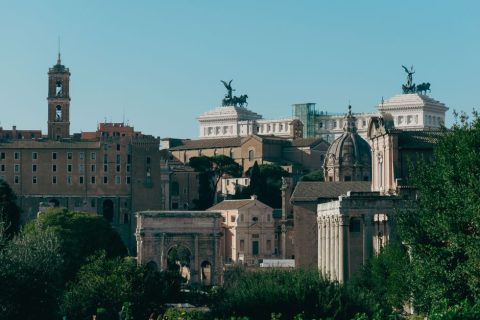
Gladiator School (Gruppo Storico Romano)
Kids and parents alike suit up in tunics and wooden swords for a two-hour lesson in gladiator combat, taught by costumed instructors along the Appian Way area. Sessions cover basic footwork, shield handling, and mock sparring drills adapted for different ages, finishing with a small certificate for participants. It is playful rather than historically dense, which makes it ideal for children who might otherwise tire of museum plaques and marble ruins. Group sizes are kept manageable, and instructors are used to working with mixed ages, including school-age kids as young as six. Advance booking is required since slots fill quickly, especially in school holiday periods. Comfortable shoes and clothes that can get dusty are recommended, since the training ground is an open dirt courtyard rather than a paved surface.
Technotown
A free interactive technology lab inside Villa Torlonia park, aimed at kids and teens who want to experiment with robotics, video game design, animation, and digital art stations. Workshops rotate seasonally and are usually run in Italian, but the equipment itself, touchscreens, 3D pens, and simple coding kits, needs little translation for curious hands. The surrounding park adds a bonus: a small lake, a house-shaped playground, and the quirky Casina delle Civette nearby for a look at Art Nouveau stained glass. Because entry is free and the space is air-conditioned, it is a handy midday stop to cool off and let kids recharge before more sightseeing. Opening hours vary by workshop schedule, so checking ahead is worthwhile before making the trip across town.
Tips for With Kids
- Book Explora and the Gladiator School a few days ahead, especially around school holidays, since time slots are limited.
- Combine Bioparco, the rowing lake, and pony rides into one Villa Borghese day to avoid backtracking across the city with tired kids.
- Carry water and snacks; shaded cafes exist but can get crowded at midday in summer.
- Strollers work fine on paved park paths but struggle on cobblestones near the historic center, so plan kid-friendly stops on separate days from ruin-heavy itineraries.
Rome's calendar runs on centuries-old rhythms punctuated by contemporary festivals, open-air concerts, and seasonal celebrations. From springtime religious processions to summer opera under the stars and a New Year's Eve finale at the Circus Maximus, these recurring events give visitors a reason to time their trip around the city's living traditions.
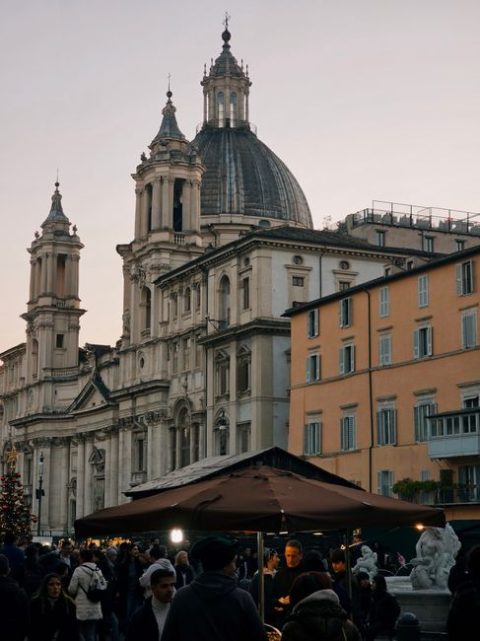
Rome Christmas Markets and Piazza Navona Lights
From December 1, 2026 through January 6, 2027, Piazza Navona hosts Rome's most beloved Christmas market, with wooden stalls selling nativity figurines, roasted chestnuts, torrone, and mulled wine beneath strings of festive lights. A carousel and small rides entertain children, while street performers dressed as La Befana, the gift-bringing witch of Epiphany, appear in the run-up to January 6. Nearby, Via del Corso and the Spanish Steps get elaborate illuminations, and many churches display elaborate presepi (nativity scenes), including a monumental one at St. Peter's Square. Evenings are busiest and most atmospheric, with the piazza glowing against the backdrop of Bernini's Fountain of the Four Rivers. The market is free to browse, though food and gifts are, of course, for sale.
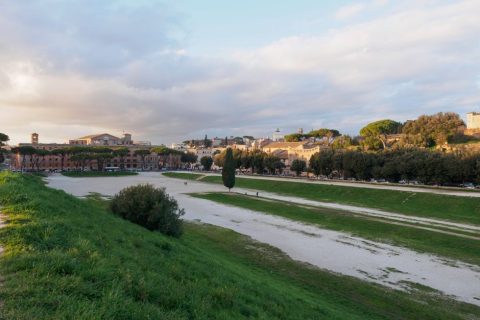
Capodanno Concerto at Circus Maximus
Rome rings in the new year with a free outdoor concert at the Circus Maximus on the night of December 31, 2026 into January 1, 2027, drawing tens of thousands for live performances by Italian pop and rock artists followed by a midnight fireworks display over the ancient chariot-racing grounds. The stage typically opens in the late afternoon with warm-up acts, building toward a headline set before the countdown. Streets around the Forum and Palatine Hill fill early, so arriving by mid-evening secures a decent view. Vendors sell hot wine and street snacks to ward off the winter chill, and the fireworks reflect dramatically off the surrounding ruins. It is loud, crowded, and unmistakably Roman, an ideal alternative for travelers who want a big communal celebration rather than a restaurant countdown dinner.
Natale di Roma (Rome's Birthday Festival)
Each spring, Rome celebrates its own mythical founding with Natale di Roma, held around April 19-21, 2026 near the Circus Maximus and Roman Forum. Costumed re-enactors in Roman legionary armor and gladiator gear stage mock battles, parades wind through the historic center, and torch-lit processions recreate ancient rituals. Expect archery demonstrations, chariot races, and stalls selling street food inspired by antiquity. The atmosphere is part historical pageant, part street party, drawing thousands of locals and visitors who line the route from Via dei Fori Imperiali toward the Circus Maximus. It is one of the few times of year the ruins feel genuinely inhabited rather than roped off. Best experienced in the late afternoon and evening when the crowds thin and the torches come out.
Estate Romana Summer Concert Series
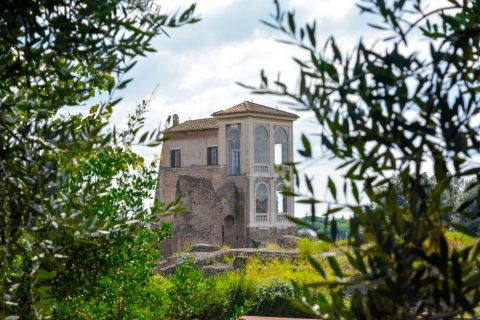
Estate Romana transforms Rome's parks, courtyards, and archaeological sites into open-air stages from June 1 through September 15, 2026. The program spans jazz nights at Villa Ada, classical concerts in the Baths of Caracalla, film screenings on the Tiber Island, and DJ sets along the riverside Lungo il Tevere boardwalk. Performers range from touring international acts to Italian orchestras, and many events are free or low-cost. Locals treat it as the social backbone of the Roman summer, escaping daytime heat for balmy evening gatherings under ancient ruins or shady pines. Highlights include the Caracalla opera season and the riverside food-and-market stalls that pop up alongside the concerts. Check listings weekly, as the schedule rotates venues throughout the season.
Romae Vendemmia Autumn Harvest Festival
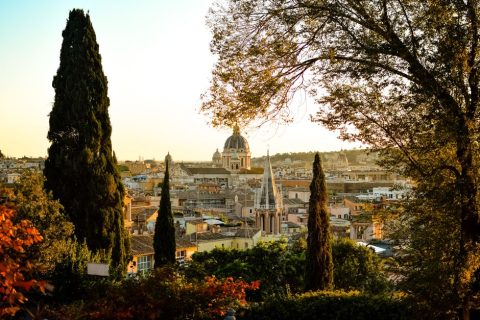
As the grape harvest wraps up in the hills around Rome, the city marks the season with Romae Vendemmia, running roughly October 3-11, 2026 in Trastevere and Testaccio. Wine producers from Lazio set up tasting stalls alongside artisan cheese and cured-meat vendors, while piazzas host communal grape-stomping demonstrations for kids and adults alike. Restaurants in the neighborhood offer special harvest-themed menus pairing new-vintage wines with autumn produce like porcini mushrooms and chestnuts. Musicians play traditional stornelli romani in the evenings, and the narrow cobbled streets fill with the smell of roasting chestnuts. It is a lower-key, neighborhood-feel event compared to the summer festivals, ideal for travelers wanting an authentic local food and wine experience away from the major monuments.
Tips for Events Calendar
- Check official municipal event calendars close to your travel dates, as exact schedules and locations can shift year to year.
- Summer events at Estate Romana often require free tickets or reservations even when admission is nominally open.
- Arrive early to major outdoor events like the New Year's concert, as prime viewing spots near the stage fill up hours in advance.
- Public transport runs on modified or extended schedules during major festivals; check ATAC updates before heading out.
Real, highly-rated Restaurants in Rome, sourced from Google Places (rating above 4★).
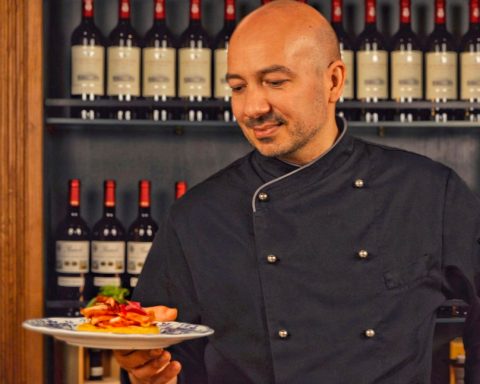
CiPASSO
CiPASSO is a highly-rated restaurant in Rome, rated 4.8★ from 4990 reviews. Located at Via Metastasio, 21, 00186 Roma RM, Italy.
Opening Hours
- Monday: 5:30 – 11:00 PM
- Tuesday: 5:30 – 11:00 PM
- Wednesday: 5:30 – 11:00 PM
- Thursday: 5:30 – 11:00 PM
- Friday: 5:30 – 11:00 PM
- Saturday: 5:30 – 11:00 PM
- Sunday: 12:00 – 3:30 PM, 5:30 – 11:00 PM
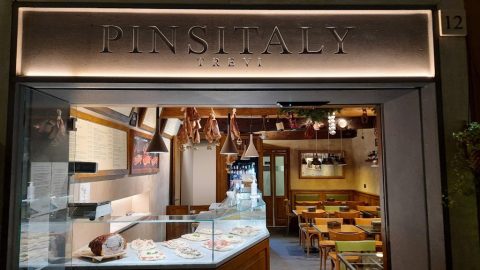
Pinsitaly Trevi
Pinsitaly Trevi is a highly-rated restaurant in Rome, rated 4.8★ from 5783 reviews. Located at Via della Panetteria, 12, 00187 Roma RM, Italy.
Opening Hours
- Monday: 10:30 AM – 10:30 PM
- Tuesday: 10:30 AM – 10:30 PM
- Wednesday: 10:30 AM – 10:30 PM
- Thursday: 10:30 AM – 10:30 PM
- Friday: 10:30 AM – 11:00 PM
- Saturday: 10:30 AM – 11:00 PM
- Sunday: 10:30 AM – 11:00 PM
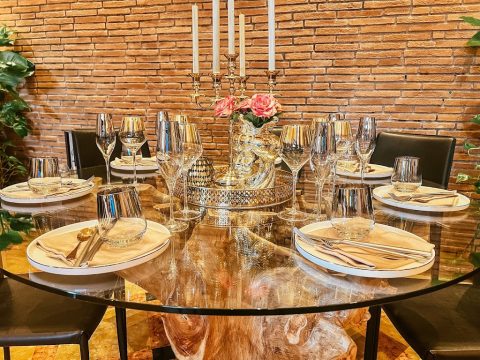
Vattani Elegant Italian Restaurant & Cocktail Bar
Vattani Elegant Italian Restaurant & Cocktail Bar is a highly-rated restaurant in Rome, rated 4.8★ from 8517 reviews. Located at Via del Viminale, 2, 00184 Roma RM, Italy.
Opening Hours
- Monday: 12:00 – 11:30 PM
- Tuesday: 12:00 – 11:30 PM
- Wednesday: 12:00 – 11:30 PM
- Thursday: 12:00 – 11:30 PM
- Friday: 12:00 – 11:30 PM
- Saturday: 12:00 – 11:30 PM
- Sunday: 12:00 – 11:30 PM
Explore Rome on the Map
Seasonal Guide to Rome
Spring (April-May) offers ideal weather with temperatures 15-25°C, blooming gardens, and manageable crowds before peak summer. Easter brings special religious ceremonies but also crowds and higher prices. Book accommodations well in advance.
Summer (June-August) features hot temperatures often exceeding 35°C, with August particularly sweltering. Many Romans vacation in August, closing businesses. Advantages include extended daylight hours and outdoor events like summer opera. Arrive early at attractions to avoid afternoon heat. Crowds peak July-August.
Fall (September-October) rivals spring as optimal visiting time with pleasant 20-28°C temperatures, fewer tourists after September, and harvest season featuring food festivals. October offers excellent weather with more availability and lower prices than peak season.
Winter (November-March) brings fewer crowds and best prices, though weather is unpredictable with rain. Temperatures range 8-15°C. Christmas and New Year create magical atmosphere with markets and decorations. Museums and indoor attractions are more accessible without queues. Pack layers and rain gear.
Optimal periods: Late April-early June and September-early October offer the best combination of weather, manageable crowds, and reasonable prices.
Tourist Passes
Roma Pass
The official city tourism card offers two options: €38. €62.90. Free entries include major sites like Colosseum, Borghese Gallery, and Castel Sant'Angelo. Pass activates on first use. Calculate savings based on your planned visits worthwhile if visiting 2+ major paid attractions plus extensive public transport use. Purchase online, at tourist offices, or participating museums.
www.romapass.itOmnia Card
Combining Vatican sites with city attractions, this premium pass (€149 for 72 hours) includes skip-the-line Vatican Museums and Sistine Chapel entry, St. John Lateran, hop-on-hop-off bus, and Roma Pass benefits. Best value for visitors prioritizing Vatican attractions and wanting comprehensive coverage. The pass saves time through priority access and combines transportation convenience. However, high upfront cost requires careful planning of multiple daily attractions to justify expense. Consider if your itinerary truly maximizes included benefits.
www.romeandvatican.comArchaeologia Card
This specialized archaeological pass (€28, valid 7 days) grants entry to Colosseum, Roman Forum, Palatine Hill, Baths of Caracalla, Palazzo Altemps, Crypta Balbi, and Museo Nazionale Romano sites. Excellent value for archaeology enthusiasts planning to visit multiple ancient sites. Single Colosseum-Forum-Palatine ticket costs €18, so adding other sites makes the pass worthwhile. No skip-the-line privileges still requires advance Colosseum time-slot reservation. Purchase at any included site or online.
www.coopculture.itMore about Rome
Photo credits (64)
- Colosseum (Colosseo): photo by FeaturedPics, CC BY-SA 4.0, via Wikimedia Commons
- Roman Forum: photo by This Photo was taken by Wolfgang Moroder. Feel free to use my photos, but please mention me as the author and send me, CC BY-SA 3.0, via Wikimedia Commons
- Pantheon: photo by NikonZ7II, CC BY-SA 4.0, via Wikimedia Commons
- Spanish Steps: photo by Arnaud 25, CC BY-SA 3.0, via Wikimedia Commons
- Vittorio Emanuele II Monument: photo by Max_Ryazanov, CC BY-SA 3.0, via Wikimedia Commons
- Vatican Museums & Sistine Chapel: photo by Staselnik, CC BY-SA 3.0, via Wikimedia Commons
- Borghese Gallery: photo by Alessio Damato, CC BY-SA 3.0, via Wikimedia Commons
- Capitoline Museums: photo by Jean-Pol GRANDMONT, CC BY-SA 3.0, via Wikimedia Commons
- National Roman Museum: photo by dearbarbie, CC BY-SA 2.0, via Wikimedia Commons
- St. Peter's Basilica: photo by Alvesgaspar, CC BY-SA 4.0, via Wikimedia Commons
- Basilica of St. John Lateran: photo by NikonZ7II, CC BY-SA 4.0, via Wikimedia Commons
- Basilica of Santa Maria Maggiore: photo by NikonZ7II, CC BY-SA 4.0, via Wikimedia Commons
- Basilica of St. Paul Outside the Walls: photo by StPaul.jpg, CC BY 4.0, via Wikimedia Commons
- Church of Sant'Ignazio di Loyola: photo by Fiat 500e, CC BY 4.0, via Wikimedia Commons
- Church of San Luigi dei Francesi: photo by Phyrexian, CC BY-SA 4.0, via Wikimedia Commons
- Palatine Hill: photo by Lil Herodotus, CC BY-SA 4.0, via Wikimedia Commons
- Baths of Caracalla: photo by Ethan Doyle White, CC BY-SA 4.0, via Wikimedia Commons
- Circus Maximus: photo by Rabax63, CC BY-SA 4.0, via Wikimedia Commons
- Catacombs of Rome: photo by David Macchi, Public domain, via Wikimedia Commons
- Castel Sant'Angelo: photo by Livioandronico2013, CC BY-SA 4.0, via Wikimedia Commons
- Appian Way (Via Appia Antica): photo by LuisaV72, CC BY-SA 4.0, via Wikimedia Commons
- Piazza Navona: photo by NikonZ7II, CC BY-SA 4.0, via Wikimedia Commons
- Piazza del Popolo: photo by Apaleutos25, CC BY-SA 4.0, via Wikimedia Commons
- Campo de' Fiori: photo by Myrabella, CC BY-SA 3.0, via Wikimedia Commons
- Piazza di Spagna: photo by Sergey Smirnov, CC BY-SA 3.0, via Wikimedia Commons
- Via del Corso: photo by Adam Lusch, CC BY-SA 2.0, via Wikimedia Commons
- Via Condotti: photo by Sonse, CC BY 2.0, via Wikimedia Commons
- Trastevere: photo by Jensens, Public domain, via Wikimedia Commons
- Monti: photo by Alessio Damato, CC BY-SA 3.0, via Wikimedia Commons
- Jewish Ghetto: photo by Jorge Franganillo, CC BY 2.0, via Wikimedia Commons
- Testaccio: photo by No machine-readable author provided. Joris assumed (based on copyright claims)., CC BY-SA 3.0, via Wikimedia Commons
- Prati: photo by Blackcat, CC BY-SA 3.0 it, via Wikimedia Commons
- Villa Borghese Gardens: photo by Daderot, Public domain, via Wikimedia Commons
- Orange Garden (Giardino degli Aranci): photo by user:Lalupa, Public domain, via Wikimedia Commons
- Villa Doria Pamphili: photo by Burkhard Mücke, CC BY-SA 4.0, via Wikimedia Commons
- Villa Ada: photo by Jcestepario, CC BY-SA 3.0, via Wikimedia Commons
- Trevi Fountain: photo by NikonZ7II, CC BY-SA 4.0, via Wikimedia Commons
- Fountain of the Four Rivers: photo by This Photo was taken by Wolfgang Moroder. Feel free to use my photos, but please mention me as the author and send me, CC BY-SA 3.0, via Wikimedia Commons
- Fontana della Barcaccia: photo by WikiRomaWiki, CC BY-SA 4.0, via Wikimedia Commons
- Piazza della Repubblica Fountain: photo by Nicholas Hartmann, CC BY-SA 4.0, via Wikimedia Commons
- Turtle Fountain: photo by Dudva, CC0, via Wikimedia Commons
- Food Tours: photo by Kenny Dunn, CC BY-SA 1.0, via Wikimedia Commons
- Tivoli (Villa d'Este & Hadrian's Villa): photo by Unknown authorUnknown author, Public domain, via Wikimedia Commons
- Ostia Antica: photo by Jean-Pierre Dalbéra from Paris, France, CC BY 2.0, via Wikimedia Commons
- Orvieto: photo by NikonZ7II, CC BY-SA 4.0, via Wikimedia Commons
- Castelli Romani: photo by George McFinnigan From Italian Wikipedia (uploaded by Gaucho), CC BY-SA 3.0, via Wikimedia Commons
- Florence: photo by Giorgio Galeotti, CC BY 4.0, via Wikimedia Commons
- Metro System: photo by Daniele.Brundu, CC BY 2.0, via Wikimedia Commons
- Leonardo Express (Fiumicino Airport Train): photo by Hide1228, CC BY-SA 4.0, via Wikimedia Commons
- Trams: photo by ŠJů (cs:ŠJů), CC BY-SA 3.0, via Wikimedia Commons
- Bike & Scooter Sharing: photo by CAPTAIN RAJU, CC BY-SA 4.0, via Wikimedia Commons
- Piazza Navona Christmas Market: photo by AP Photo / Giuseppe Anastasi, Public domain, via Wikimedia Commons
- Bioparco di Roma (Rome Zoo): photo by Alinti, CC BY-SA 3.0, via Wikimedia Commons
- Gladiator School (Gruppo Storico Romano): photo by Deb Nystrom from Ann Arbor, Michigan, USA, CC BY 2.0, via Wikimedia Commons
- Natale di Roma (Rome's Birthday Festival): photo by Unknown artistUnknown artist, Public domain, via Wikimedia Commons
- Aventine Keyhole (Buco della Serratura): photo by Michael Gröning, CC BY 2.0, via Wikimedia Commons
- Quartiere Coppedè: photo by Livioandronico2013, CC BY-SA 4.0, via Wikimedia Commons
- Basilica di San Clemente: photo by Labicanense, CC BY-SA 4.0, via Wikimedia Commons
- Centrale Montemartini: photo by Jean-Pol GRANDMONT, CC BY-SA 3.0, via Wikimedia Commons
- Non-Catholic Cemetery & Pyramid of Cestius: photo by Tulumnes, CC BY-SA 4.0, via Wikimedia Commons
- Nerone: photo by Unknown authorUnknown author, CC BY-SA 4.0, via Wikimedia Commons
- Ambrosia: photo by MicheleLovesArt, CC BY-SA 2.0, via Wikimedia Commons
- Babette: photo by Anton Romako, Public domain, via Wikimedia Commons
- Life Ristorante: photo by Unknown authorUnknown author, Public domain, via Wikimedia Commons


_-_Right_side_and_front.jpg)
_0004.jpg)


_at_night.jpg)
.jpg)


.jpg)
.jpg)


.jpg)


.JPG)


.jpg)


_(5900530118).jpg)


_in_2022.02.jpg)

.jpg)
.jpg)

.jpg)


