Rome's archaeological treasures offer unparalleled insights into ancient civilization. Walk through history among ruins, catacombs, and preserved structures that span millennia of human achievement.
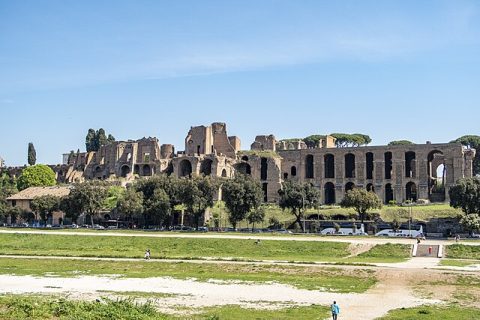
Palatine Hill
The legendary birthplace of Rome where Romulus founded the city in 753 BC, Palatine Hill became the exclusive residential area for emperors and aristocrats. Explore sprawling imperial palace ruins including the House of Augustus with its preserved frescoes, the House of Livia, and the vast Flavian Palace complex. The hill offers spectacular views over the Roman Forum and Circus Maximus. Combined tickets include Colosseum and Forum access.
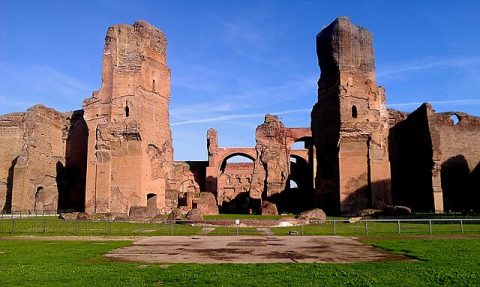
Baths of Caracalla
Among ancient Rome's largest and best-preserved thermal complexes, these 3rd-century baths accommodated 1,600 bathers simultaneously. The massive ruins showcase the scale of Roman public bathing culture, with remains of hot, warm, and cold baths, swimming pools, libraries, and gardens. During summer, the site hosts spectacular outdoor opera and ballet performances against the dramatic ancient backdrop. Virtual reality experiences help visitors reimagine the baths' original splendor.
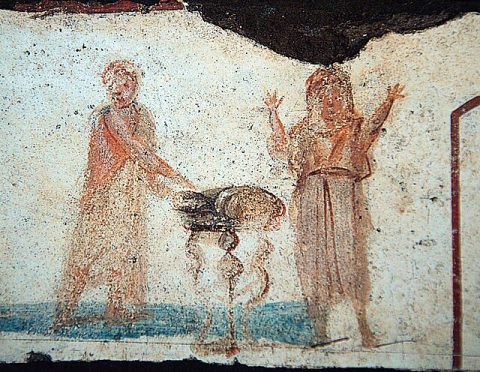
Catacombs of Rome
Underground burial networks where early Christians and Jews laid their dead in tunnels stretching for kilometers. The most visited include San Callisto (official burial place of 3rd-century popes), San Sebastiano, and Domitilla (featuring 4th-century frescoes). Guided tours explore narrow passages lined with burial niches, underground chapels, and early Christian art. These evocative sites provide insight into early Christianity and Roman burial practices. Advance booking recommended.
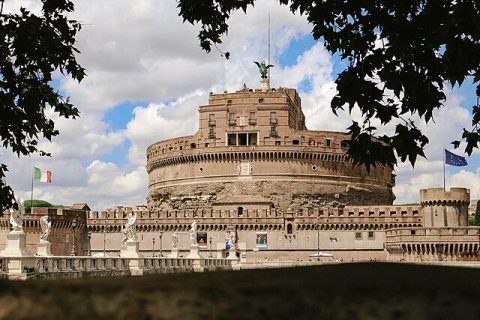
Castel Sant'Angelo
Originally built as Emperor Hadrian's mausoleum in 139 AD, this cylindrical fortress transformed over centuries into a papal residence, prison, and military stronghold. Connected to the Vatican by a secret elevated passageway, it saved popes during sieges. Today's museum displays Renaissance apartments, weapons collections, and papal treasures. Climb to the rooftop terrace for sweeping views of Rome and the Tiber River. The building's layered history spans nearly 2,000 years.
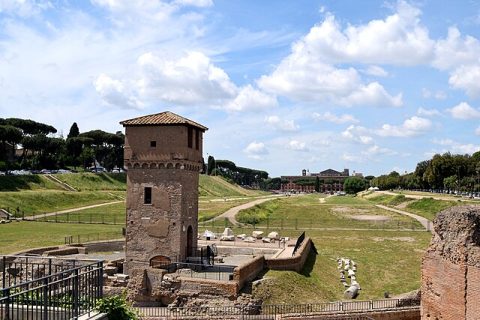
Circus Maximus
Ancient Rome's largest stadium, which once held 250,000 spectators for chariot races and public games. While mostly an open field today, the site's enormous scale impresses visitors, and archaeological work continues to reveal structures. An augmented reality app recreates the circus in its glory days. The adjacent Palatine Hill provides excellent views over the valley where Romans gathered for centuries of entertainment and spectacle.
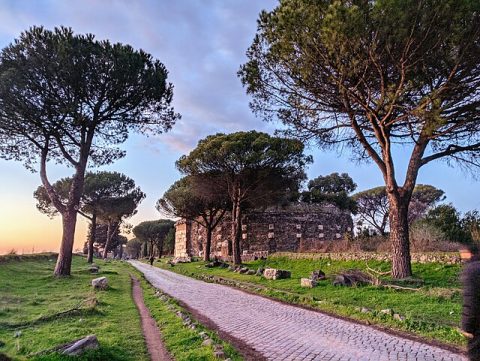
Appian Way (Via Appia Antica)
The queen of roads, built in 312 BC as Rome's first major highway, extends southeast from the city. Walk or bike along original paving stones lined with ancient tombs, catacombs, and ruins. The Archaeological Park offers a peaceful escape with cypress-lined paths, Roman aqueduct ruins, and access to Villa dei Quintili. Sunday closures to cars make it ideal for cycling. This historic route embodies Rome's engineering genius and expansion.
Tips for Ancient & Historical Sites
- Hire an archaeologist guide for Forum and Palatine Hill to bring ruins to life with historical context
- Wear sturdy shoes ancient sites have uneven surfaces, cobblestones, and require significant walking
- Bring sunscreen and water as ancient sites offer limited shade during summer months
- Visit catacombs only via guided tour independent exploration is not permitted
- Rent bikes for Appian Way exploration several rental shops available near the entrance