Rome's iconic landmarks represent the pinnacle of ancient engineering and architectural brilliance. These world-renowned monuments tell the story of an empire that shaped Western civilization.
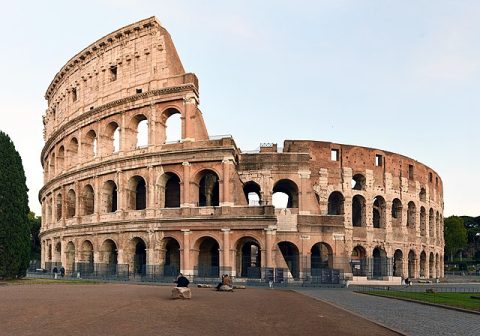
Colosseum (Colosseo)
The largest amphitheater ever built, this iconic symbol of Rome hosted gladiatorial contests and public spectacles for 50,000 spectators. Built in 70-80 AD, the Colosseum showcases remarkable Roman engineering with its complex system of underground tunnels and innovative crowd management design. The partially ruined structure remains Rome's most visited monument, offering underground tours and night visits for an unforgettable experience.
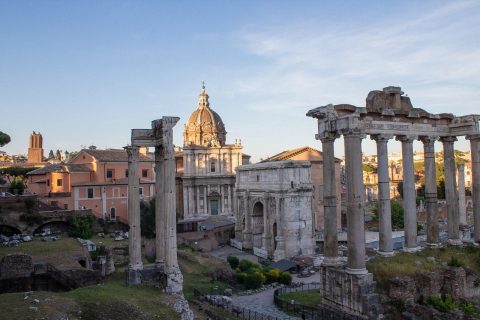
Roman Forum
The political and commercial heart of ancient Rome, this sprawling archaeological complex features temples, basilicas, and government buildings dating back over 2,000 years. Walk along the Sacred Way where triumphal processions once passed, explore the Senate House, and marvel at the Temple of Saturn. Combined tickets with the Colosseum and Palatine Hill offer the best value for exploring Rome's ancient center.
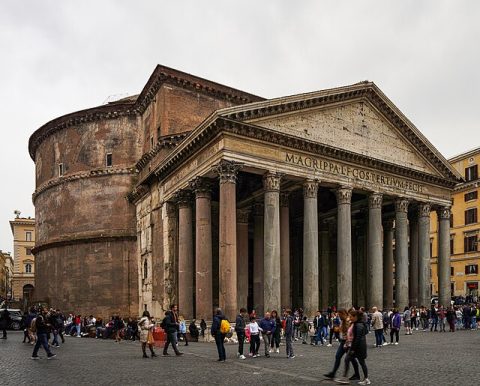
Pantheon
A perfectly preserved Roman temple from 126 AD, the Pantheon features the world's largest unreinforced concrete dome with a magnificent oculus opening to the sky. Originally dedicated to all Roman gods, it became a Christian church in 609 AD. The building's harmonious proportions and innovative engineering continue to inspire architects worldwide. The €7 adult price is current, but the reduced ticket is €2 for eligible EU visitors aged 18–25, free for under-18s and on the first Sunday of the month) and are booked as timed slots on the official Musei Italiani platform.
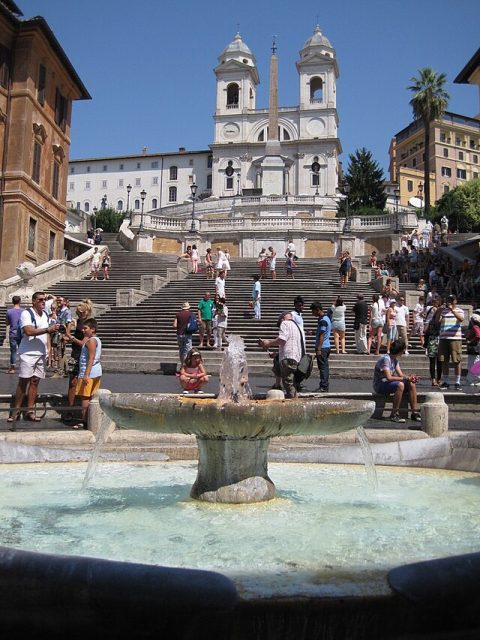
Spanish Steps
This monumental Baroque stairway of 135 steps connects Piazza di Spagna with Trinità dei Monti church, creating one of Rome's most picturesque settings. Built in the 1720s, the steps serve as a popular gathering place surrounded by luxury shopping streets. The boat-shaped fountain at the base, Fontana della Barcaccia, designed by Pietro Bernini, adds charm to this elegant square that blooms with azaleas each spring.
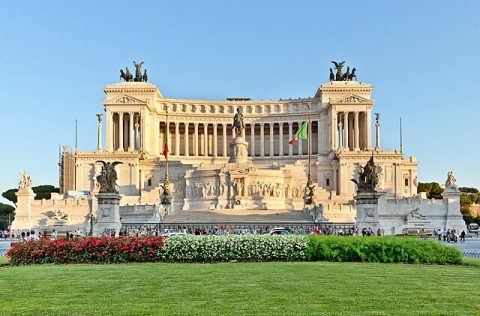
Vittorio Emanuele II Monument
Known as the 'Typewriter' or 'Wedding Cake', this massive white marble monument honors Italy's first king and symbolizes Italian unification. Completed in 1925, it houses the Tomb of the Unknown Soldier and offers spectacular 360-degree views of Rome from its rooftop terrace. The free museum inside chronicles Italian unification, while elevators provide access to breathtaking panoramic vistas across the ancient city.
Tips for Landmarks & Monuments
- Book tickets online to skip long queues at major monuments, especially during peak season (April-October)
- Arrive early at popular sites like the Trevi Fountain for better photos without crowds
- Wear comfortable shoes as most monuments involve extensive walking and standing
- Bring water and use Rome's numerous free drinking fountains (nasoni) throughout the city
- Consider combo tickets for Colosseum, Roman Forum, and Palatine Hill for significant savings