Beyond the postcard landmarks, Rome rewards travelers who wander into its quieter corners — a fairy-tale district, a church stacked with two thousand years of history, and a cemetery shaded by pines. These spots see a fraction of the crowds but none of the wonder.
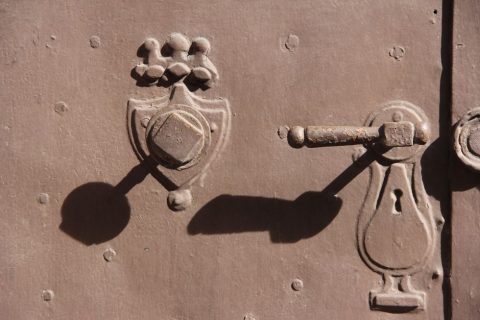
Aventine Keyhole (Buco della Serratura)
Tucked into a nondescript door on the Piazza dei Cavalieri di Malta, this ordinary-looking keyhole frames one of Rome's most famous optical tricks: peer through it and a perfectly manicured hedge tunnel lines up with the dome of St. Peter's Basilica in the distance, spanning three separate sovereign territories in a single glance. There is no ticket, no line management, and no signage beyond the small queue that forms at busy hours. The surrounding Aventine Hill neighborhood is itself worth lingering in, with quiet residential streets and views over the Tiber. Visit early morning or at dusk to avoid the short but sometimes slow-moving queue. It costs nothing and takes only a minute, making it an easy detour for anyone already exploring the Aventine's churches and gardens.
Quartiere Coppedè
This small residential enclave near Villa Ada feels like it was airlifted in from a storybook. Architect Gino Coppedè spent the 1910s and 20s blending Art Nouveau, Baroque, Gothic, and ancient Roman motifs into a cluster of villas and apartment buildings dripping with chandeliers, gargoyles, frescoed friezes, and wrought-iron spiderwebs. At its heart sits the whimsical Fountain of the Frogs, framed by an archway strung with an enormous ornamental lamp. Almost no tour buses stop here, so the cobbled streets stay genuinely quiet even at midday. Photographers and architecture fans wander freely with cameras out, and there is no admission fee since it remains a functioning residential neighborhood. Pair it with a walk through nearby Villa Ada for a half-day escape from the historic center that most visitors never discover.
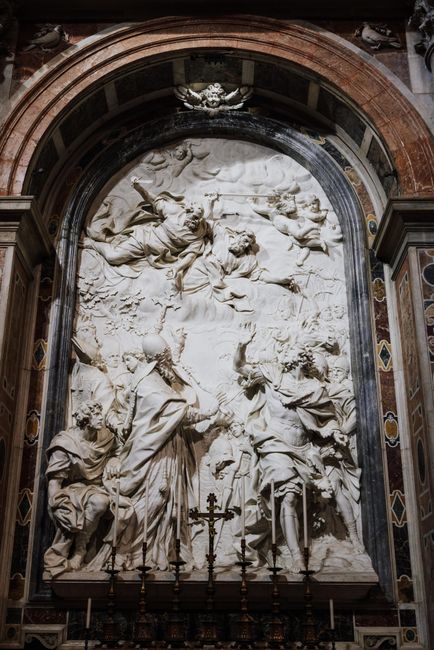
Basilica di San Clemente
What looks like a modest twelfth-century church near the Colosseum actually conceals three layers of Roman history stacked atop one another. Descend beneath the medieval basilica and its glowing mosaics to find a fourth-century church with faded frescoes, then keep descending to a first-century Roman house and a dim Mithraic temple complete with altar, where the sound of an underground stream still runs nearby. Few visitors realize the excavation exists at all, so the lower levels stay calm and unhurried compared to the crowds above ground at the Colosseum just steps away. A small entrance fee to the excavations funds the resident Irish Dominican friars who maintain the site. Bring a light layer, as the deepest level is noticeably cool and damp. Allow enough time to read the small explanatory panels at each level.
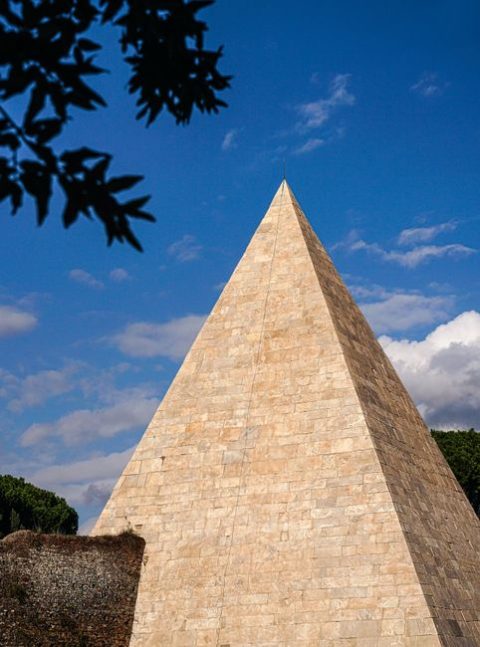
Non-Catholic Cemetery & Pyramid of Cestius
Just outside the old Aurelian Walls near Testaccio, this leafy cemetery holds the graves of poets Keats and Shelley beneath cypress and pine trees, alongside diplomats, artists, and one of the highest concentrations of free-roaming resident cats in Rome. Looming directly over the entrance is the Pyramid of Cestius, a first-century BC tomb built in the Egyptian style that most tour groups photograph from a passing bus without ever stopping. Inside the cemetery gates, the pace slows dramatically — it is one of the few genuinely silent green spaces inside the city. A small donation is requested at the entrance to help with upkeep. Come in late afternoon when the light through the trees is softest. Comfortable shoes help, since the paths are gravel and slightly uneven underfoot.
Centrale Montemartini
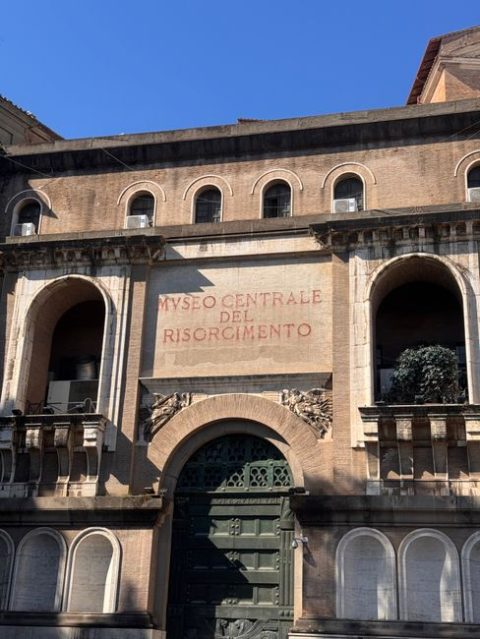
In the industrial Ostiense district, a decommissioned early twentieth-century power station now houses part of the Capitoline collection of classical sculpture, and the pairing is unexpectedly striking. Marble gods, emperors, and mythological figures stand among the original diesel engines, boilers, and turbines left exactly where workers abandoned them, creating a stark contrast between ancient stone and industrial iron. Because it functions as an overflow annex rather than a headline museum, gallery space feels spacious and it is common to have entire rooms to yourself. The building itself is a fine piece of early-1900s industrial architecture worth studying alongside the art. It sits a short walk from the Piramide metro stop, making it an easy add-on to a morning near Testaccio. Photography is generally permitted without flash throughout the galleries.
Tips for Hidden Gems
- Group the Aventine Keyhole with the Non-Catholic Cemetery and Pyramid of Cestius for a walkable half-day loop south of the center.
- Quartiere Coppedè and Centrale Montemartini require a short metro or bus ride from the historic core, so plan them as a dedicated outing rather than a quick detour.
- Most of these sites charge little to no admission, but San Clemente and Centrale Montemartini benefit from arriving right at opening to avoid the small tour groups that do know about them.