Munich's churches represent centuries of faith, art, and architectural evolution. From Gothic cathedrals to Baroque jewel boxes, these sacred spaces showcase Bavaria's deep Catholic heritage and house remarkable artistic treasures.
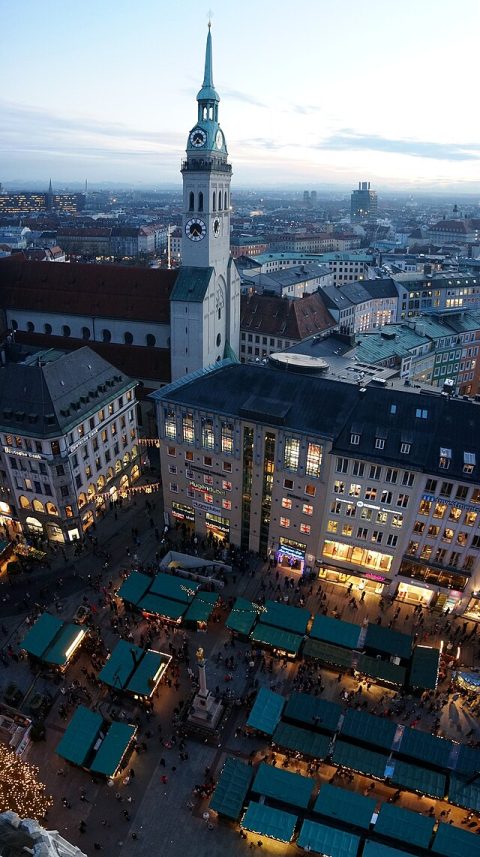
St. Peter's Church (Alter Peter)
Munich's oldest parish church, affectionately called "Alter Peter" by locals, stands on Petersbergl hill since 1386. Climb 296 steps up the tower for the city's most spectacular panoramic views - on clear days, see the Alps! The interior dazzles with ornate Baroque and Rococo decoration, including stunning frescoes, gilded altars, and the relic of St. Mundita encased in jewels and gold. The tower climb rewards visitors with 360-degree views across red-tiled roofs to distant mountains. Mass is celebrated daily in this living church that has witnessed Munich's entire history from its foundation.
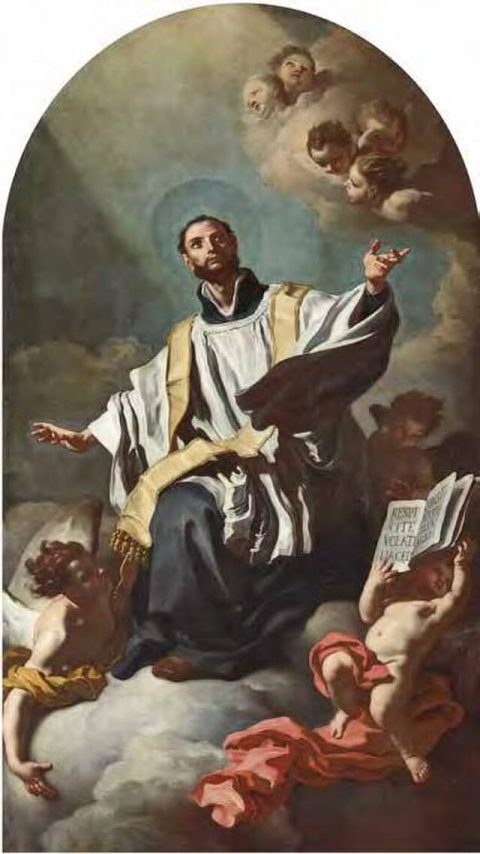
Theatinerkirche (St. Cajetan)
This magnificent Italian High Baroque church with distinctive yellow facade and twin domes dominates the Odeonsplatz. Built in 1663 by Italian architects, it celebrates the birth of crown prince Max Emanuel. The brilliant white interior features soaring vaulted ceilings, dramatic columns, and ornate stucco work creating an atmosphere of heavenly lightness. The church houses the Wittelsbach family crypt. Its Mediterranean-influenced architecture contrasts beautifully with Munich's Gothic traditions, representing Bavaria's cultural connections to Italy and Catholic Europe's artistic grandeur.
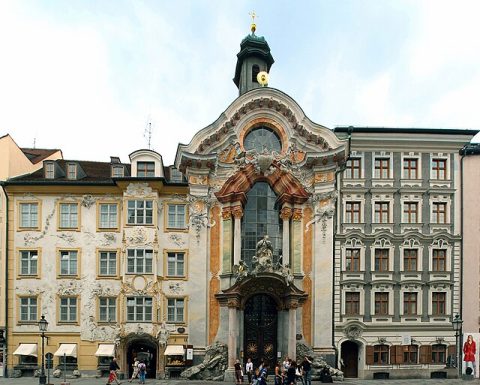
Asamkirche (St. Johann Nepomuk)
A Baroque masterpiece hidden on a narrow street in Sendling, this intimate church overwhelms with its opulent decoration. Built privately by the Asam brothers between 1733-1746, every surface explodes with gilded stucco, dramatic frescoes, twisted columns, and theatrical lighting effects. Despite its tiny footprint, the sophisticated use of perspective and light creates an illusion of vast space reaching toward heaven. The brothers' artistic genius transforms this personal chapel into one of Europe's most stunning Baroque interiors, demonstrating the style's theatrical power and emotional intensity. Free admission to this hidden gem.
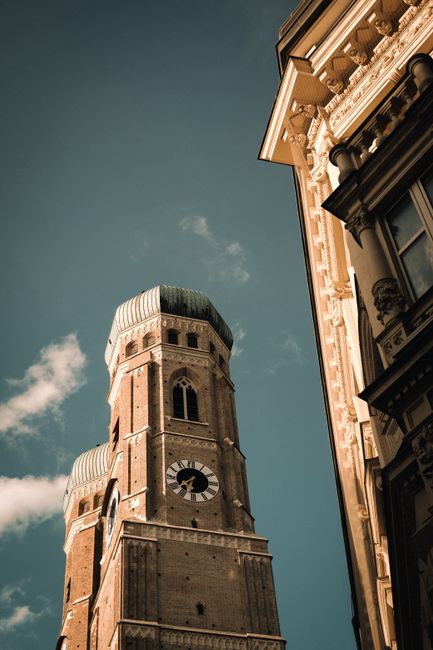
Michaelskirche
The largest Renaissance church north of the Alps showcases impressive barrel-vaulted ceilings second only to St. Peter's in Rome. Built 1583-1597 for the Jesuits, it represents the Counter-Reformation's architectural response to Protestantism. The crypt houses royal tombs including King Ludwig II, the fairytale king who built Neuschwanstein. The monumental facade with bronze portals and statue of St. Michael defeating Lucifer announces the church's spiritual power. Inside, white walls and golden accents create serene grandeur. Free organ concerts regularly fill the space with sacred music echoing through centuries of history.
Tips for Religious Sites
- Climb Alter Peter early morning for best light and fewer crowds
- Dress modestly when visiting churches (covered shoulders and knees)
- Check concert schedules - many churches host free classical music performances
- Respect service times - visit during hours open to tourists
- Photography restrictions vary - ask before taking photos inside