Munich's architectural treasures span centuries, from medieval towers to grand palaces. These iconic landmarks define the city's skyline and tell the story of Bavaria's royal heritage and cultural significance.
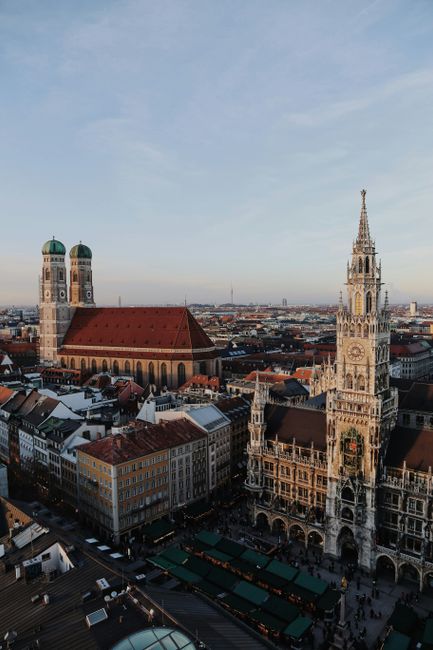
Marienplatz & Neues Rathaus (New Town Hall)
The beating heart of Munich features the stunning neo-Gothic New Town Hall with its famous Glockenspiel, which performs daily at 11am and 12pm (also 5pm March-October). Built between 1867-1909, this architectural masterpiece houses the city government and showcases intricate facades with over 400 statues. The Glockenspiel's mechanical figures reenact historical Bavarian scenes, including the 1568 wedding of Duke Wilhelm V. Watch street performers and soak in the vibrant atmosphere of Munich's most iconic square, surrounded by historic buildings, shops, and traditional restaurants.
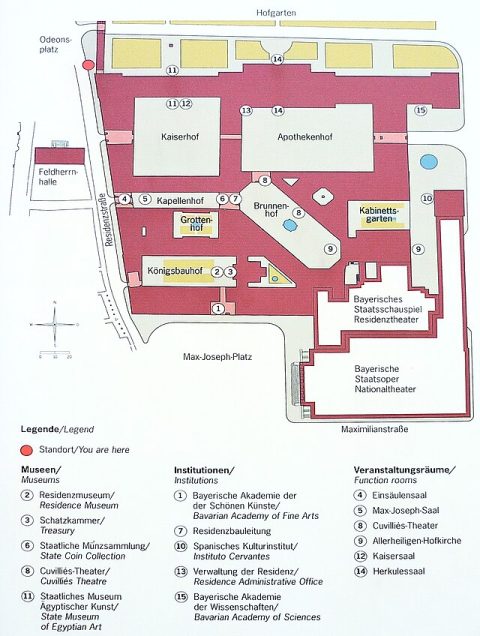
Munich Residenz
Germany's largest city palace served as the royal residence of Bavarian rulers for over 400 years. This magnificent complex features over 100 lavishly decorated rooms spanning Renaissance, Baroque, Rococo, and Neoclassical styles. Explore the stunning Antiquarium hall, the opulent Treasury housing the Bavarian Crown Jewels, and the beautiful Cuvilliés Theatre. The Residenz Museum, open since 1920, is one of Europe's most important palace museums, offering an intimate glimpse into royal life through preserved furnishings, artwork, and ceremonial spaces that showcase the power and taste of the Wittelsbach dynasty.
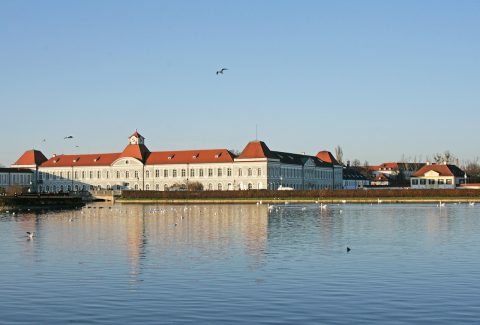
Nymphenburg Palace
This spectacular Baroque summer residence of Bavarian royalty stretches across magnificent grounds featuring ornate pavilions, reflective lakes, and manicured gardens. Built in 1664, the palace showcases the Gallery of Beauties, the stunning Hall of Mirrors, and the famous Nymphenburg Porcelain Manufactory still producing exquisite pieces today. Visit the Marstall Museum displaying royal carriages and sleighs, the Museum of Mankind and Nature, and explore the romantic park pavilions including the Amalienburg hunting lodge and the Pagodenburg. The symmetrical gardens and baroque architecture create one of Europe's most photographed palace complexes.
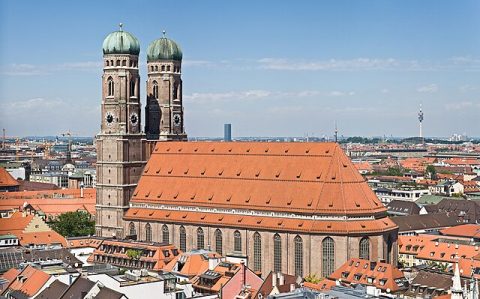
Frauenkirche (Cathedral of Our Lady)
Munich's most recognizable landmark features distinctive onion-domed twin towers rising 99 meters above the Old Town. This late-Gothic cathedral, completed in 1488, can accommodate 20,000 people and dominates the city skyline. Legend tells of the Devil's Footstep - a mysterious footprint embedded in the entrance floor where the devil supposedly stood. Climb one of the towers for panoramic city views extending to the Alps on clear days. The cathedral showcases beautiful stained glass, Gothic vaulting, and serves as the seat of Munich's Archbishop, embodying centuries of Bavarian Catholic heritage.
Tips for Landmarks & Monuments
- Visit Marienplatz early morning (before 10am) to avoid crowds and get the best photos
- Climb St. Peter's Church tower (296 steps) near Marienplatz for the best panoramic views - locals call it "Alter Peter"
- Purchase combined tickets for multiple palaces to save money
- Sunday admission to many state museums is only €1