Nuremberg's layered history spans medieval prosperity, Renaissance artistry, and darker chapters. These sites provide context for understanding the city's evolution and historical significance in European culture.
Must See
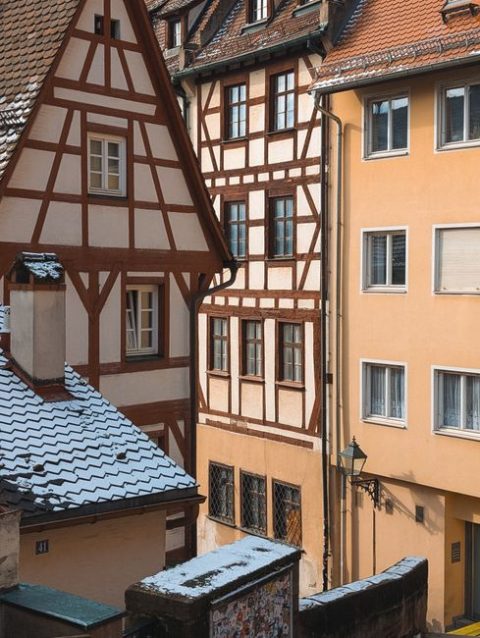
Old Town (Altstadt)
A remarkably intact medieval city center enclosed by fortification walls, featuring narrow cobblestone streets, timber-framed houses dating to the 15th-16th centuries, and hidden courtyards. The old town layout follows medieval patterns with craft guilds' quarters still visible. This exceptionally well-preserved area offers genuine glimpses into pre-industrial European urban life and architecture.
Tips for Ancient & Historical Sites
- Hire a historical guide to unlock stories behind architectural details
- Visit during twilight hours for atmospheric photos of half-timbered houses
- Many old town restaurants occupy 500+ year old buildings with original features
- Wander small streets away from main thoroughfares to find hidden courtyards and artisan shops