Plan your trip to Nuremberg
- How long
- 1-2 days: the Old Town, the Castle and the Documentation Centre, plus Bamberg or Rothenburg as a day trip.
- Best for
- History fans: a rebuilt medieval Old Town, Dürer's house, the Christkindlesmarkt and the Nazi Party Rally Grounds documentation.
- Skip it if
- You want a fully original medieval town: much of the Old Town was rebuilt after WWII.
If you only do three things
- The Hauptmarkt, Schöner Brunnen and the Frauenkirche.
- The Kaiserburg (Castle) and the Albrecht Dürer House.
- The Documentation Centre at the Nazi Party Rally Grounds.
A one-day route
- Morning: Hauptmarkt, the Schöner Brunnen and St. Sebald.
- Midday: Lunch: Nuremberg Bratwurst at a traditional tavern.
- Afternoon: The Castle and Albrecht Dürer House; or the Documentation Centre.
- Evening: Walk the Old Town along the Pegnitz; dinner.
Before you go
- Nuremberg Airport is about 6 km north; the U2 metro reaches the main station in about 12 minutes.
- The Christkindlesmarkt runs from late November to Christmas Eve; book lodging ahead.
- Check the Documentation Centre's opening status: parts of the site have been under renovation.
- Check the current VGN fares before you buy tickets.
Prices, opening status and transport in this plan checked against official sources on 30 September 2026.
Things to do in Nuremberg
Nuremberg's iconic structures tell stories of medieval craftsmanship and historical significance. From the commanding castle overlooking the city to beautifully preserved fountains, these landmarks form the backbone of the city's character.
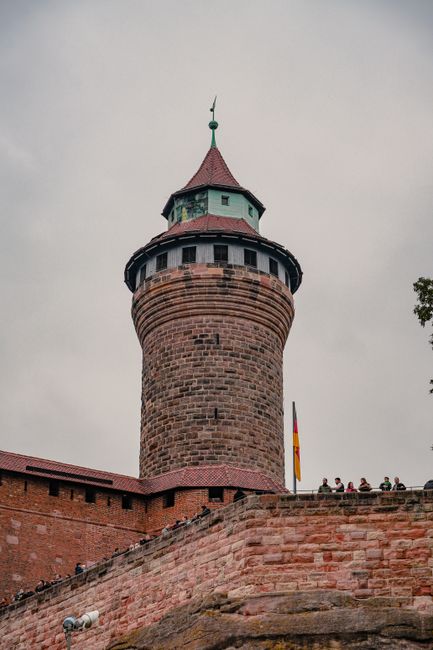
Nuremberg Castle
This commanding fortress dominates Nuremberg's skyline and has protected the city since the 11th century. Explore the impressive stone towers, defensive walls, and enjoy breathtaking panoramic views of the medieval old town and surrounding countryside. The castle complex includes the Imperial Chapel and exhibits detailing its military and imperial history.
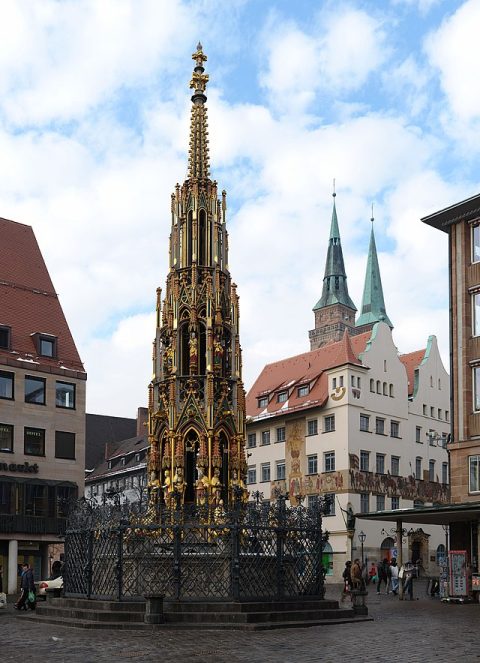
Beautiful Fountain (Schöner Brunnen)
An extraordinary Gothic masterpiece standing in Hauptmarkt square, this 19-meter Gothic fountain is adorned with 40 ornamental figures and intricate sculptures. Built in 1385, it represents exceptional Late Gothic craftsmanship and remains a focal point of the city's market square, especially magical when illuminated at night.
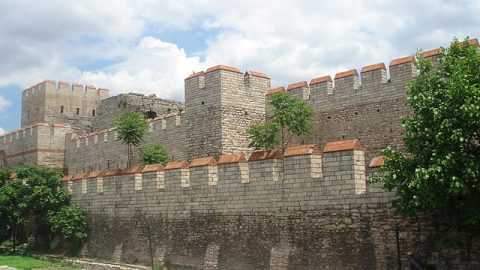
City Walls
Walk the remarkably well-preserved medieval defensive walls encircling the old town, stretching 5 kilometers with 80 towers intact. Built between the 13th and 15th centuries, these walls offer scenic walking paths with interpretive signage explaining their historical military purpose and construction techniques.
Tips for Landmarks & Monuments
- Visit Nuremberg Castle early morning for smallest crowds and best photography light
- The Beautiful Fountain has a gold ring—according to tradition, touch it for good luck
- Walk the city walls during sunset for dramatic lighting and views
- Many landmarks are free to explore from outside; pay only for museum entries
World-class institutions showcase everything from medieval craftsmanship to Nazi history. Nuremberg's museums provide intellectual depth and diverse perspectives on European culture and history.
German National Museum (Germanisches Nationalmuseum)
Germany's largest art and cultural history museum housing over 1.3 million objects spanning from prehistoric times to the present. The extensive collections include medieval weapons, Renaissance art, folk traditions, and decorative arts. Highlights include works by Dürer and Cranach, as well as comprehensive exhibits on German craftsmanship and cultural heritage across centuries.
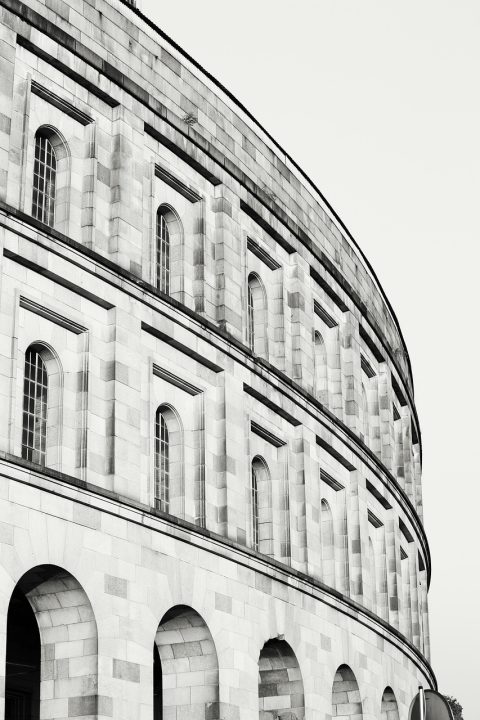
Documentation Centre Nazi Party Rally Grounds
A sobering and essential museum documenting the Nazi Party's use of Nuremberg for massive propaganda rallies. The permanent exhibition provides historical context, personal testimonies, and multimedia presentations explaining how the regime exploited the city's prestige. A powerful educational resource addressing a dark chapter in history with scholarly rigor and respect.
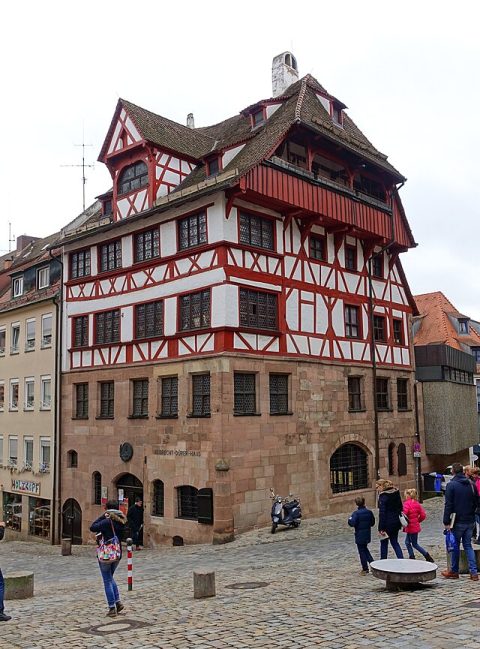
Albrecht Dürer House
The well-preserved Renaissance home of master artist Albrecht Dürer, featuring period furniture and authentic architectural details. Exhibits explore Dürer's life, artistic techniques, and contributions to Renaissance art. The timber-framed structure itself is an exceptional example of 16th-century Nuremberg craftsmanship, with original details preserved throughout.
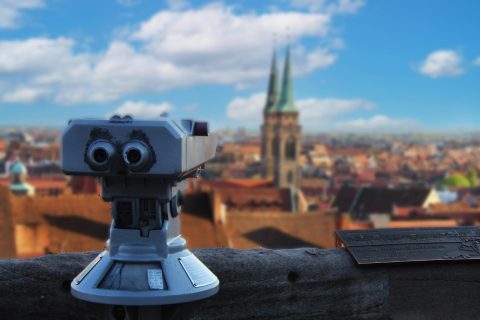
Toy Museum (Spielzeugmuseum)
Charming museum celebrating Nuremberg's historic toy manufacturing heritage. Display cases overflow with mechanical toys, dolls, trains, and vintage playthings from the 18th century to modern times. Interactive exhibits and hands-on demonstrations bring childhood wonder alive, making it engaging for visitors of all ages.
Tips for Museums & Galleries
- Book German National Museum tickets online to skip queues during peak season
- Consider a combined ticket if visiting multiple museums for cost savings
- Most museums offer audio guides in English for deeper context
- The Toy Museum is family-friendly and not intellectually demanding
Nuremberg's churches showcase exceptional Gothic architecture and host important historical events including the Holy Roman Emperor's visits and Nuremberg Trials proceedings.
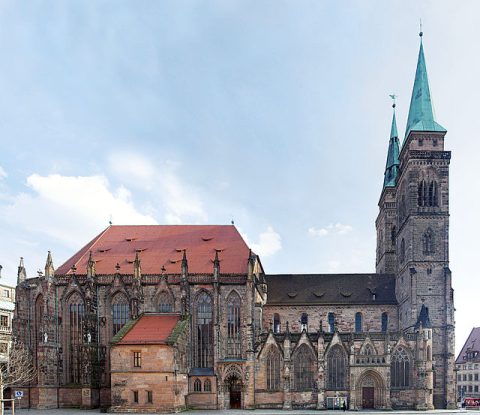
St. Sebald Church (Sebalduskirche)
Nuremberg's oldest parish church (founded 1225) features stunning two-tower Gothic architecture and ornate interior decoration. The church houses the reliquary of St. Sebald and exceptional artworks including sculptures and altarpieces. The intricate stone-carved exterior and delicate architectural details exemplify the city's Gothic heritage.
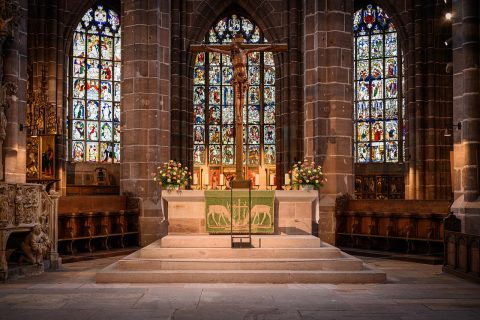
St. Lorenz Church (Lorenzkirche)
This magnificent church (begun 1439) boasts soaring vaults, exceptional stained glass, and remarkable interior sculptures. The church contains a famous bronze baptismal font and an ornate tabernacle. Its light-filled interior and elegant proportions represent late Gothic architecture at its finest, creating a serene spiritual atmosphere.
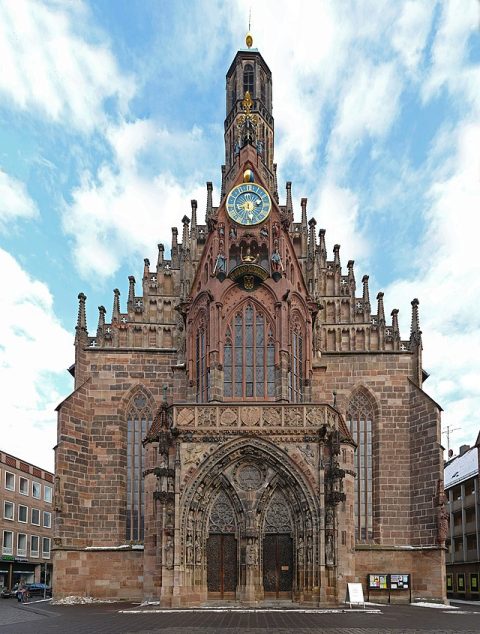
Frauenkirche (Church of Our Lady)
A striking church in Hauptmarkt featuring a distinctive golden baldachin and ornate Gothic façade. Built in the 14th century, it hosted ceremonies for Holy Roman Emperors. The church's prominent market square location and elaborate decorative elements make it an architectural focal point during your exploration of the old town.
Tips for Religious Sites
- Most churches are free to enter and welcome visitors respectfully
- Service times vary—check ahead if you want to attend religious services
- Early morning visits offer peaceful contemplation and excellent light for photography
- Request guides or information sheets available in multiple languages
Nuremberg's public spaces pulse with life and history. From the vibrant market square to charming medieval streets, these pedestrian areas capture the city's essence and offer shopping, dining, and people-watching opportunities.
Hauptmarkt (Main Market Square)
Nuremberg's bustling heart features the Beautiful Fountain and Frauenkirche church. This lively plaza hosts daily markets, seasonal celebrations, and serves as the city's principal meeting point. Surrounded by colorful Renaissance buildings and cafés, it offers perfect vantage points for photographs and people-watching while enjoying traditional Nuremberg restaurants.
Frauenstraße
A picturesque medieval shopping street connecting the market square with other city landmarks. Lined with half-timbered buildings housing boutique shops, galleries, and cafés, this pedestrian thoroughfare captures quintessential European charm with modern convenience. The architectural details and atmospheric storefronts make it perfect for leisurely strolls and discovering local treasures.
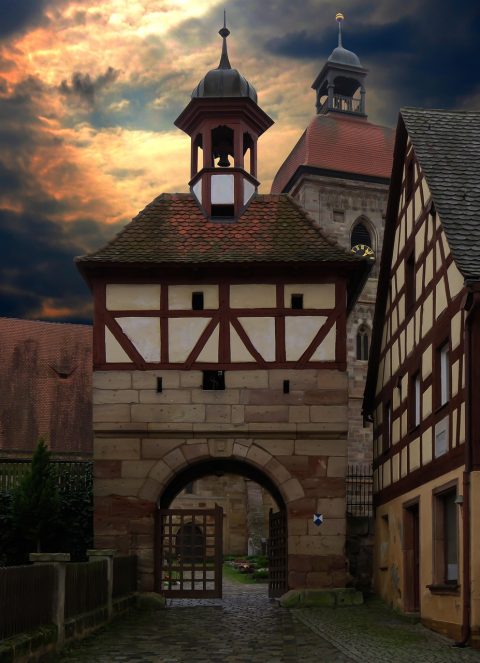
Unschlittplatz
A charming medieval square with well-preserved Gothic architecture, featuring old merchant houses and cafés with outdoor seating. This quieter alternative to Hauptmarkt offers authentic local atmosphere with fewer crowds, making it ideal for experiencing how residents enjoy their city.
Tips for Squares & Streets
- Visit Hauptmarkt in morning for market vendors and fewer tourists
- Cafés surrounding squares offer excellent people-watching opportunities
- Christmas markets (November-December) transform these squares into magical wonderlands
- Restaurant prices in main squares are slightly higher—venture one block away for better values
Nuremberg's layered history spans medieval prosperity, Renaissance artistry, and darker chapters. These sites provide context for understanding the city's evolution and historical significance in European culture.
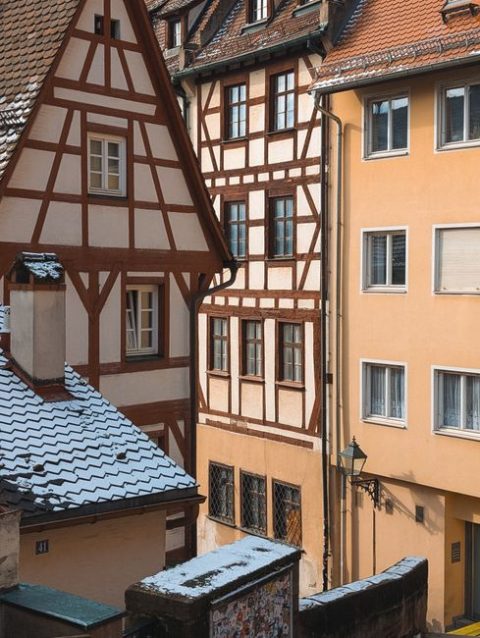
Old Town (Altstadt)
A remarkably intact medieval city center enclosed by fortification walls, featuring narrow cobblestone streets, timber-framed houses dating to the 15th-16th centuries, and hidden courtyards. The old town layout follows medieval patterns with craft guilds' quarters still visible. This exceptionally well-preserved area offers genuine glimpses into pre-industrial European urban life and architecture.
Tips for Ancient & Historical Sites
- Hire a historical guide to unlock stories behind architectural details
- Visit during twilight hours for atmospheric photos of half-timbered houses
- Many old town restaurants occupy 500+ year old buildings with original features
- Wander small streets away from main thoroughfares to find hidden courtyards and artisan shops
Green spaces throughout Nuremberg provide respite from urban exploration. From riverside parks to cultivated gardens, these areas offer relaxation, scenic walks, and recreational opportunities.
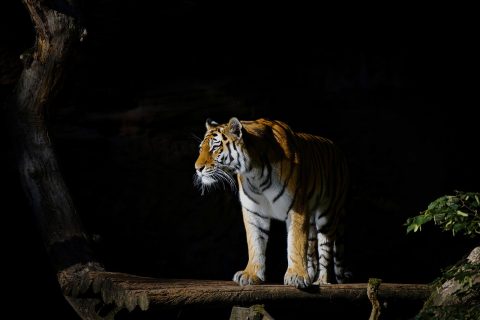
Wöhrder Wiese
The largest park in Nuremberg, featuring vast green meadows along the Pegnitz River, popular recreational facilities, and seasonal attractions. During summer, this extensive outdoor space hosts concerts, festivals, and outdoor cinema. Perfect for picnicking, cycling, or leisurely riverside walks while enjoying city views from across the water.
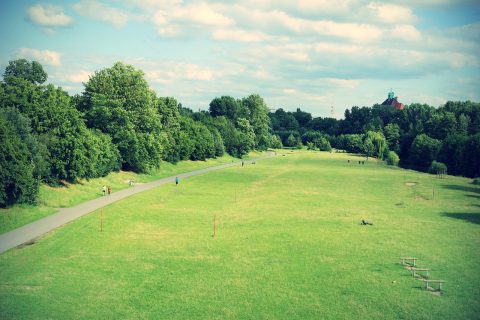
Rechenberg Park
A beautiful landscaped park featuring walking paths, scenic viewpoints overlooking the city, and forest areas. The park provides quiet contemplative spaces away from tourist crowds while offering excellent vantage points for cityscape photography and understanding Nuremberg's geographical setting.
Tips for Parks & Gardens
- Pack a picnic from local markets for affordable riverside dining
- Rent bicycles to explore longer distances along Pegnitz River paths
- Visit parks during spring (cherry blossoms) or summer (outdoor events) for maximum atmosphere
- Parks offer escape from crowds and chance to see local life
Engage with Nuremberg through guided experiences and hands-on activities. Professional guides and specialists offer specialized perspectives on history, art, cuisine, and culture.
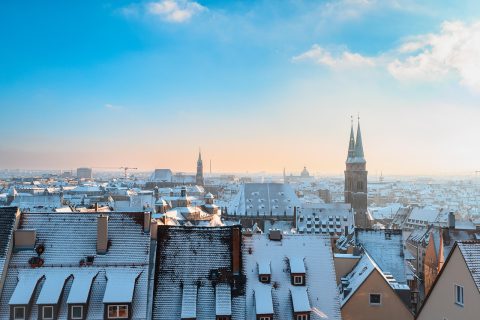
Guided City Walking Tours
Professional guides lead comprehensive tours covering old town architecture, historical significance, and hidden details. Tours typically span 2-3 hours and include stops at major landmarks with expert commentary in English. Knowledgeable narration reveals stories behind facades and connects past events to present-day Nuremberg, enriching general sightseeing.
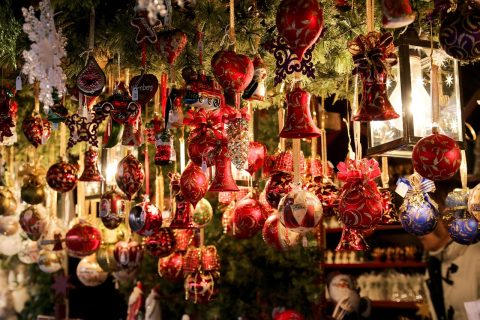
Traditional Cooking Classes
Learn to prepare authentic Nuremberg specialties like schnitzel and three different types of Nuremberg bratwurst in hands-on kitchen classes. Expert instructors teach traditional techniques and ingredient selection. Classes conclude with enjoying your creations paired with local beer, providing culinary education and gastronomic experience simultaneously.
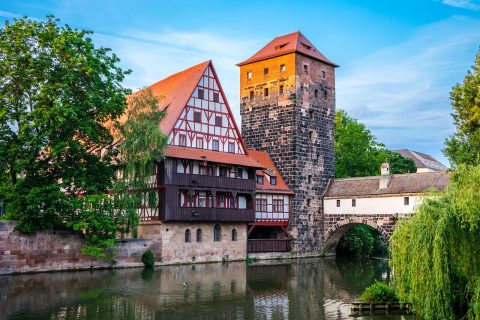
Pegnitz River Boat Tours
Scenic boat excursions along the Pegnitz River providing unique perspectives of the old town from water level. Tours highlight riverside landmarks, mills, bridges, and parkland while providing historical context. Relaxing alternative to walking that covers distance while enjoying Nuremberg's waterfront character and architectural reflections.
Tips for Tours & Activities
- Book tours in advance during peak season (April-September)
- Cooking classes offer best value when traveling in small groups
- Walking tours offer better value and flexibility than private guides
- Boat tours operate seasonal schedules—confirm availability before planning
Explore the Franconia region beyond Nuremberg. Medieval towns, castles, and scenic countryside offer diverse experiences within short train or car journeys.
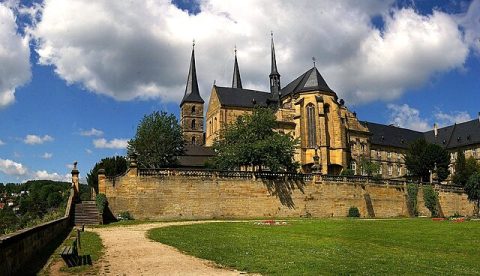
Bamberg
A UNESCO World Heritage town (45 min train) featuring exceptional medieval architecture, Romanesque cathedral, and charming riverside setting. The Bamberger Reiterstatue (equestrian statue) is a masterpiece of German sculpture. This quintessential Bavarian town offers half-timbered houses, craft beer heritage, and romantic atmosphere perfect for afternoon excursions.
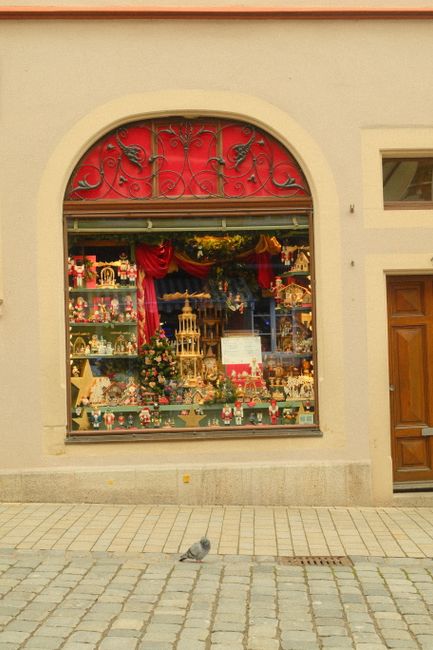
Rothenburg ob der Tauber
A fairy-tale fortified medieval town (1 hour drive) completely enclosed by original city walls and towers. Narrow streets wind between timber-framed houses, and the town center features Market Square and Town Hall Museum. Exceptionally preserved medieval character makes it one of Germany's most photographed towns, especially magical after 5 PM when crowds depart.
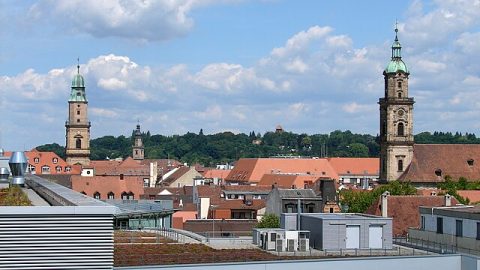
Erlangen
A university town (20 min train) featuring a beautiful Baroque palace, pleasant city layout with arcaded streets, and cultural attractions. The palace park offers spacious green areas perfect for relaxation. More laid-back atmosphere than Nuremberg, ideal for experiencing authentic German student life and enjoying cafés.
Tips for Day Trips & Excursions
- Bavarian regional rail passes provide discounted unlimited train travel
- Day trips best experienced by train—parking in small towns is challenging
- Avoid Rothenburg on weekends; visit midweek for more peaceful experience
- Combine multiple towns in one day using efficient train connections
Real, highly-rated Restaurants in Nuremberg, sourced from Google Places (rating above 4★).
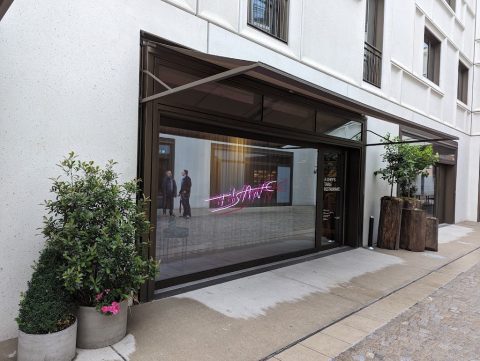
Tisane
Tisane is a highly-rated restaurant in Nuremberg, rated 4.9★ from 119 reviews. Located at Augustinerhof 1, 90403 Nürnberg, Germany.
Opening Hours
- Monday: Closed
- Tuesday: 5:00 – 10:00 PM
- Wednesday: 5:00 – 10:00 PM
- Thursday: 7:00 – 10:00 PM
- Friday: 7:00 – 10:00 PM
- Saturday: 7:00 – 10:00 PM
- Sunday: Closed
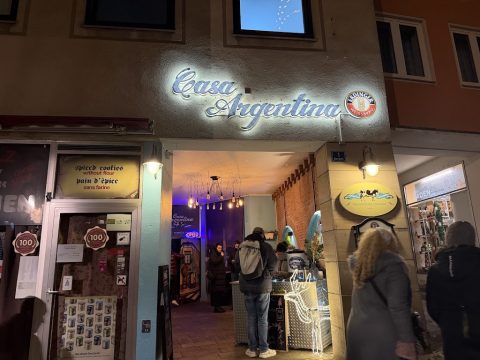
Casa Argentina
Casa Argentina is a highly-rated restaurant in Nuremberg, rated 4.9★ from 1784 reviews. Located at Bergstraße 1, 90403 Nürnberg, Germany.
Opening Hours
- Monday: Closed
- Tuesday: 4:00 – 11:00 PM
- Wednesday: 4:00 – 11:00 PM
- Thursday: 4:00 – 11:00 PM
- Friday: 4:00 PM – 12:00 AM
- Saturday: 3:00 PM – 12:00 AM
- Sunday: Closed
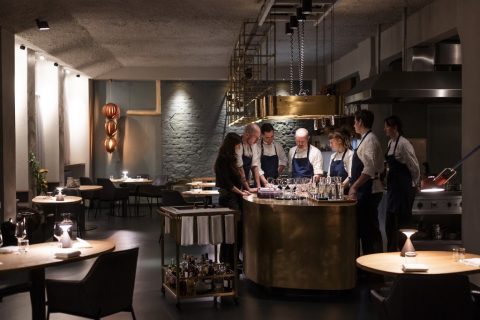
etz
etz is a highly-rated restaurant in Nuremberg, rated 4.9★ from 202 reviews. Located at Eingang über Kirschgartenstr, Wiesentalstraße 40, 90419 Nürnberg, Germany.
Opening Hours
- Monday: Closed
- Tuesday: Closed
- Wednesday: Closed
- Thursday: 6:30 – 11:30 PM
- Friday: 6:30 – 11:30 PM
- Saturday: 6:30 – 11:30 PM
- Sunday: Closed
Explore Nuremberg on the Map
Seasonal Overview
Spring (April-May): Mild temperatures (12-18°C), spring flowers blooming, Easter celebrations, fewer crowds than summer.
Summer (June-August): Warm (20-26°C), perfect outdoor exploration, daily markets vibrant, beer gardens open, occasional rain showers. Peak tourist season with larger crowds and higher prices.
Autumn (September-October): Pleasant (10-18°C), harvest festivals, Oktoberfest celebrations nearby in Munich, leaves changing color, generally excellent weather.
Winter (November-February): Cold (0-5°C), famous Christmas markets transform city into magical holiday destination (November-December), festive atmosphere, smaller crowds between holidays, some outdoor exhibits close.
Recommendation: April-May or September-October offer ideal balance of pleasant weather, manageable crowds, and reasonable prices. December brings unique Christmas market charm but colder temperatures.
Getting to Nuremberg
By Air: Nuremberg Airport (about 6km north) connects to major European cities. The U2 runs directly between the airport and central station in 12 minutes.
By Train: Excellent rail connections from Munich (2.5 hours), Berlin (4.5 hours), Frankfurt (2.5 hours). Deutsche Bahn operates efficient services with comfortable seating.
Local Transportation
U-Bahn/S-Bahn: Modern underground and suburban trains cover the city effectively. Single tickets and day passes are sold by VGN (check the current fares).
Walking: Old town is completely pedestrian-friendly and best explored on foot. Most attractions lie within 20-minute walk of Hauptmarkt.
Cycling: Bike rental shops throughout city (prices vary). Extensive dedicated bike lanes make cycling safe and scenic.
Taxis: Yellow cabs available but unnecessary—public transport more efficient. Uber not widely available.
✈️ Airport Transfer
Nuremberg Airport (Albrecht Dürer Airport) (NUE) to city center:
- U-Bahn U2: Direct underground line to Nuremberg Hauptbahnhof in 12 minutes, a single ticket (check the current fare)
- Taxi: Roughly 15 minutes to the city center, at a metered fare
- Private transfer: Pre-booked door-to-door car service to city center hotels, at a price to confirm when booking
- Airport buses are lines 30, 33 and night bus N12; U2 connects the airport directly to the central station in 12 minutes, at a low fare
What to Buy
Nuremberg Bratwurst: Famous sausage specialty available fresh or packaged for transport. Local shops near markets sell vacuum-sealed versions for travelers.
Gingerbread (Lebkuchen): Traditional spiced cookies, especially abundant during Christmas markets. Premium brands: Schneider, Mengel.
Toys & Crafts: Historic toy-making heritage reflected in quality wooden toys and craftwork. Feuerzangenbowle figurines popular souvenirs.
Art & Prints: Dürer prints and reproductions, contemporary art from local galleries, architectural photography.
Shopping Areas
Frauenstraße: Main shopping street with boutiques, international brands, cafés, galleries.
Königstraße: Department stores, electronics, fashion chains, pedestrian-friendly.
Handwerkshofpassage: Artisan workshops where craftspeople work, selling handmade products directly.
Christmas Markets (Nov-Dec): Multiple outdoor markets featuring regional crafts, food, decorations, creating festive shopping atmosphere.
Annual Events & Festivals
Nuremberg Christkindlesmarkt (November-December): Germany's oldest and most famous Christmas market with 180+ wooden stalls, handcrafted ornaments, roasted almonds, mulled wine, attracting millions of visitors. Truly magical transformation of city squares into winter wonderland.
Bardentreffen is held in summer; the 2026 festival ran July 30–August 2: International street music festival filling old town with musicians from worldwide cultures, free performances in squares and streets.
Nürnberg Marathon (September): International marathon through city and surrounding region, festive atmosphere with cheering crowds.
The 2026 Altstadtfest ran September 16–October 4: Historic old town festival celebrating local culture, food, music, traditional crafts in city streets.
New Year's Eve Celebrations: Special events, fireworks displays, festive gatherings in main squares, parties throughout city.
5-Day Nuremberg Itinerary
Day 1 - Medieval Foundations: Arrive morning, settle into accommodation. Afternoon: explore old town streets, wander Frauenstraße and smaller side streets. Evening: sunset at Hauptmarkt, dinner at traditional restaurant overlooking square. Visit St. Lorenz Church. Sleep early after travel.
Day 2 - Landmarks & History: Morning: Nuremberg Castle with panoramic views. Midday: lunch at castle café. Afternoon: walk city walls (southern section most scenic). Late afternoon: Beautiful Fountain and Frauenkirche. Evening: stroll Pegnitz riverside parks, casual dinner near river.
Day 3 - Museums & Culture: Full day museums: Morning at German National Museum (2-3 hours). Lunch break at adjacent café. Afternoon: Albrecht Dürer House or Toy Museum. Evening: explore Unschlittplatz square, quieter dinner option, sunset from viewpoints.
Day 4 - Day Trip: Train to Bamberg (45 min) or Rothenburg (1 hour). Explore medieval town, lunch, return early evening. Relax at park or take river boat tour if staying. Evening cultural event or theater if interested.
Day 5 - Hidden Corners & Departure: Morning: guided walking tour discovering lesser-known attractions and stories. Lunch at Hauptmarkt. Afternoon: final shopping, revisit favorite spots, relax at Wöhrder Wiese park. Depart for airport/station with lasting memories of Nuremberg's charm.
Instagram & Photography Locations
Hauptmarkt at Golden Hour (Sunrise 6-7 AM or Sunset 7-8 PM): Beautiful Fountain and surrounding buildings create magical light. Early morning offers emptier square with warm golden tones. Sunset provides different color palette.
Stone Bridge (Fünfzehnerplatz): Classic view of old town towers and cityscape reflected in water. Especially picturesque during blue hour (twilight) when lights illuminate buildings.
Nuremberg Castle Observation Deck (Daytime, especially afternoon): Panoramic cityscape with castle fortifications in foreground. Clear days offer dramatic clouds and distant countryside. Golden hour light is divine.
Pegnitz Riverside (Evening, especially spring-summer): Tree-lined riverbanks with old town reflection, walking paths offer changing vantage points. Summer flowers add color.
Hidden Courtyards (Midday for bright even light): Timber-framed buildings in narrow passages create atmospheric shots. Unschlittplatz offers quieter setting than Hauptmarkt.
The 2026 Christkindlesmarkt runs November 27–December 24; it closes at 2 pm on Christmas Eve: Illuminated wooden stalls, twinkling lights, festive decorations create magical winter atmosphere. Arrive after 5 PM when crowds thin but lights remain.
Electrical Standards
Voltage: Germany uses 230V alternating current at 50Hz frequency. This differs from North American 110-120V systems.
Plug Types: Germany uses Type C (two round pins) and Type F (two round pins with grounding clips). British three-rectangular-pin plugs and North American two-flat-pin plugs are NOT compatible.
Adapters & Converters: North American visitors absolutely require plug adapters (small cost, €5-10). USB charging devices often work on 230V but check wattage ratings. High-power devices (hair dryers, irons) need voltage converters.
Where to Get Adapters: Airport shops, electronics stores, pharmacies, supermarkets, hotel reception desks. Purchase before arrival or obtain immediately upon landing.
Must-Try Dishes
Nuremberg Bratwurst: Three types of small thin sausages protected by EU designation of origin. Grill-fried, served in rolls with mustard. Essential eating experience—try at Bratwurst Röslein or street vendors at Hauptmarkt.
Schnitzel: Thin breaded pork or veal cutlet, crispy exterior with tender meat. Served with potato salad or fries. A Franconian staple.
Nürnberger Lebkuchen: Spiced gingerbread cookies with nuts and candied fruit, protected regional specialty. Soft texture, complex spice blend sets them apart from other gingerbread.
Sauerkraut (Sauerkraut): Fermented cabbage served as side to meat dishes. Aids digestion and balances rich meals.
Dining Tips
Traditional Restaurants: Seek establishments with wood beams and local patrons for authentic experiences. Expect hearty portions and reasonable prices (€10-15 mains).
Breakfast Culture: Germans enjoy morning bread with jams, meats, cheeses. Bakeries (Bäckerei) serve fresh pastries—arrive early for best selection.
Beer Culture: Nuremberg produces excellent beers. Local breweries: Kulmbacher, Tucher. Beer halls offer liter mugs at reasonable prices (€8-12).
Vegetarian Options: Increasing availability in modern restaurants, though traditional fare is meat-heavy. Indian, Turkish restaurants offer non-meat options.
Restaurant Etiquette: Service charge typically included; round up 5-10% for good service. Tipping expected but not mandatory.
Tourist Passes
Nuremberg City Card
Provides unlimited public transportation on U-Bahn, S-Bahn, and buses plus Free admission to participating museums and sights, free Zone A public transport, and 50% discounts on selected activities. Available for 48 hours only; there are no 24- or 72-hour versions. Includes tourist information guide. Best value for active sightseers planning to visit multiple museums and use transit extensively. Compare the card's price with the admissions you plan to visit before buying.
www.nuremberg.deMore about Nuremberg
Photo credits (18)
- Nuremberg Castle: photo by The original uploader was AlterVista at German Wikipedia., CC BY-SA 3.0, via Wikimedia Commons
- Beautiful Fountain (Schöner Brunnen): photo by User:Kolossos, CC BY-SA 3.0, via Wikimedia Commons
- City Walls: photo by en:User:Bigdaddy1204, CC BY-SA 3.0, via Wikimedia Commons
- German National Museum (Germanisches Nationalmuseum): photo by Tuxyso, CC BY-SA 3.0, via Wikimedia Commons
- Albrecht Dürer House: photo by Daderot, CC0, via Wikimedia Commons
- Toy Museum (Spielzeugmuseum): photo by Madmaxmarchhare of English Wikipedia, CC BY 2.5, via Wikimedia Commons
- St. Sebald Church (Sebalduskirche): photo by jailbird, CC BY-SA 2.0 de, via Wikimedia Commons
- St. Lorenz Church (Lorenzkirche): photo by Hans Pleydenwurff, Public domain, via Wikimedia Commons
- Frauenkirche (Church of Our Lady): photo by User:Kolossos, CC BY-SA 3.0, via Wikimedia Commons
- Hauptmarkt (Main Market Square): photo by Flocci Nivis, CC BY 4.0, via Wikimedia Commons
- Unschlittplatz: photo by -wuppertaler, CC BY 4.0, via Wikimedia Commons
- Old Town (Altstadt): photo by No machine-readable author provided. Grizurgbg assumed (based on copyright claims)., CC BY-SA 3.0, via Wikimedia Commons
- Wöhrder Wiese: photo by André Karwath aka Aka, CC BY-SA 2.5, via Wikimedia Commons
- Bamberg: photo by Reinhard Kirchner, CC BY-SA 3.0, via Wikimedia Commons
- Rothenburg ob der Tauber: photo by Berthold Werner, Public domain, via Wikimedia Commons
- Erlangen: photo by H. Helmlechner, CC BY-SA 3.0, via Wikimedia Commons
- Tisane: photo by Violette79 from Brooklyn, NY, USA, CC BY 2.0, via Wikimedia Commons
- Albrecht-Dürer-Stube: photo by Bernt Rostad from Oslo, Norway, CC BY 2.0, via Wikimedia Commons


.jpg)


