Plan your trip to Bavaria
- How long
- 5-7 days: Munich, then Neuschwanstein and the Alps.
- Best for
- Culture, castle and beer-garden travellers: Munich’s museums, Alpine scenery and fairytale castles.
- Skip it if
- You dislike crowds in season: Oktoberfest and Neuschwanstein are very busy.
If you only do three things
- Marienplatz, Frauenkirche and Viktualienmarkt.
- Neuschwanstein Castle (book tickets in advance).
- A museum day: Residenz or a Pinakothek.
A one-day route
- Morning: Marienplatz and Frauenkirche.
- Midday: Viktualienmarkt lunch.
- Afternoon: Residenz or a Pinakothek.
- Evening: The English Garden.
Before you go
- Book Neuschwanstein through its official ticket shop. The Neue Pinakothek is closed for renovation, with reopening planned for 2029.
- Oktoberfest 2026 runs September 19–October 4.
- From Munich Airport, S1 or S8 to the central station takes about 40 minutes.
Prices, opening status and transport in this plan checked against official sources on 1 October 2026.
Things to do in Bavaria
Bavaria is home to Germany's most iconic castles and monuments, from King Ludwig II's romantic palaces to medieval fortresses. These architectural masterpieces tell centuries of Bavarian history and royal heritage.
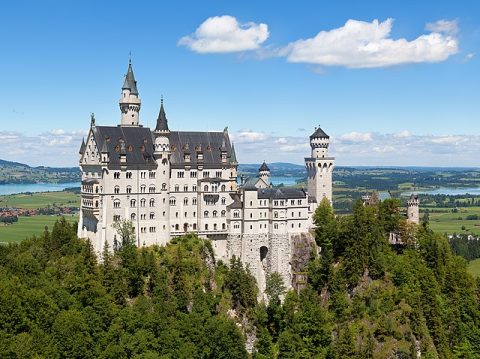
Neuschwanstein Castle
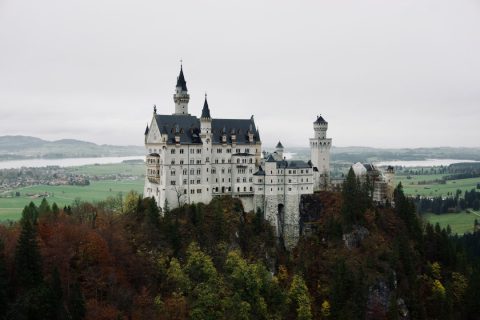
The ultimate fairytale castle that inspired Disney's Sleeping Beauty Castle. Perched dramatically on a rugged hill, King Ludwig II's most famous creation features lavish interiors with throne rooms, singers' halls, and breathtaking Alpine views. Built between 1869-1886, this Romanesque Revival masterpiece attracts over 1.5 million visitors annually. The castle's exterior is best viewed from Marienbrücke (Mary's Bridge), offering unforgettable photo opportunities against the Bavarian Alps backdrop.
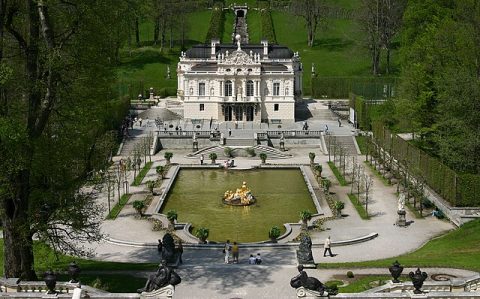
Linderhof Palace
King Ludwig II's only completed palace and his favorite residence. This French Rococo-inspired château features opulent gold-leafed rooms, a famous Hall of Mirrors, and stunning terraced gardens. The Venus Grotto, an artificial cave with underground lake, showcases Ludwig's theatrical vision. The Moorish Kiosk and Moroccan House demonstrate his fascination with exotic cultures. Set in pristine mountain scenery near Oberammergau, Linderhof offers intimate glimpses into Ludwig's extravagant lifestyle and artistic sensibilities.
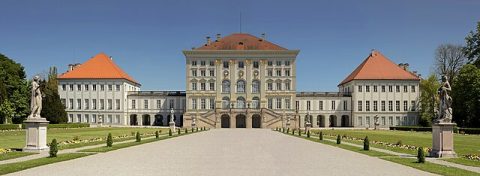
Nymphenburg Palace
Munich's magnificent summer residence of Bavarian rulers, featuring spectacular Baroque architecture and expansive palace gardens. The birthplace of King Ludwig II houses the Gallery of Beauties, commissioned by King Ludwig I, and the stunning Hall of Mirrors. The palace complex includes the Amalienburg hunting lodge, Magdalenenklause hermitage, and Badenburg bathhouse. The 200-hectare park features canals, pavilions, and manicured gardens perfect for leisurely strolls. Museums within showcase royal carriages, porcelain collections, and natural history exhibits.
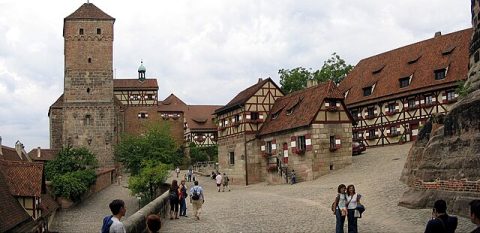
Nuremberg Castle
One of Europe's most formidable medieval fortresses, dominating Nuremberg's skyline for over 900 years. This imperial castle served as residence for Holy Roman Emperors and houses the Deep Well (50 meters), the Sinwell Tower offering panoramic city views, and the Imperial Chapel with its double-tiered design. The castle complex reveals centuries of architectural evolution from Romanesque to Gothic styles. The Imperial Castle Museum displays weapons, armor, and medieval artifacts, while the grounds provide stunning vistas over Nuremberg's old town.
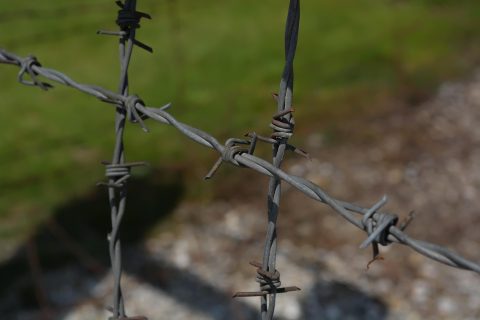
Dachau Concentration Camp Memorial
A sobering and essential memorial site preserving the first Nazi concentration camp established in 1933. The memorial honors over 40,000 victims who died here and educates visitors about Holocaust horrors. Preserved barracks, crematorium, and exhibition halls provide powerful testimony to this dark period. The International Monument and religious memorials offer spaces for reflection. Audio guides in multiple languages provide detailed historical context. This profoundly moving site serves as a crucial reminder of the importance of human rights and dignity.
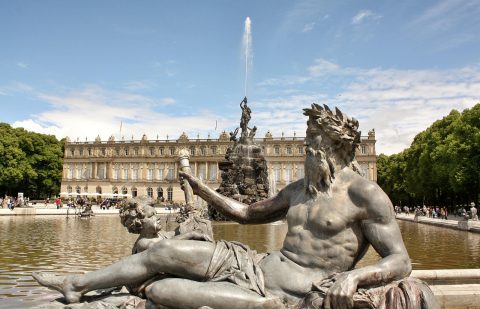
Herrenchiemsee Palace
King Ludwig II's Bavarian Versailles on an island in Lake Chiemsee, Germany's largest lake. Modeled directly after Louis XIV's palace, this unfinished masterpiece features the spectacular Hall of Mirrors (even longer than Versailles), ornate state rooms, and elaborate fountains. Accessible only by ferry, adding to its romantic allure. The King Ludwig II Museum in the former monastery explores the monarch's life and building projects. The island setting with Alpine backdrop creates magical atmosphere. Summer fountain shows and classical concerts enhance the royal experience.
Tips for Landmarks & Monuments
- Book castle tickets online in advance - Neuschwanstein sells out weeks ahead in summer
- Visit Neuschwanstein early morning or late afternoon to avoid peak crowds
- Purchase combination tickets for multiple castles to save money
- Allow time for hiking to Marienbrücke for the iconic Neuschwanstein view
- Dachau Memorial requires at least 3 hours for respectful, thorough visit
Bavaria boasts world-class museums spanning art, science, technology, and history. From Munich's renowned art collections to innovative interactive exhibitions, these institutions preserve and celebrate Bavarian and global cultural heritage.
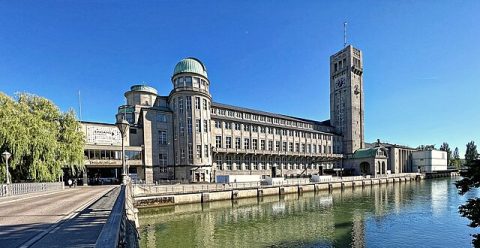
Deutsches Museum
The world's largest science and technology museum with over 28,000 exhibited objects across 50 fields. Explore aviation and space travel, maritime navigation, musical instruments, astronomy, and mining exhibits. The planetarium offers immersive cosmic journeys. Interactive demonstrations including high-voltage experiments and the Faraday cage make complex concepts accessible. The recently renovated sections feature cutting-edge exhibits on AI, robotics, and sustainability. Hands-on workshops and live demonstrations occur daily, making science tangible and exciting for all ages.
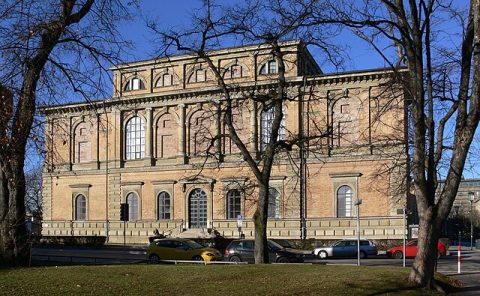
Alte Pinakothek
One of the world's finest old master galleries, housing European paintings from the 14th to 18th centuries. Marvel at works by Rubens, Dürer, Rembrandt, Da Vinci, and Raphael. The Bavarian State Painting Collections feature over 800 paintings displayed in a purpose-built Renaissance Revival building. Highlights include Dürer's Self-Portrait, Rubens' colossal altarpieces, and the comprehensive Flemish and Dutch collections. The museum's architecture itself is a masterpiece, with top-lit galleries creating perfect viewing conditions for these treasures.
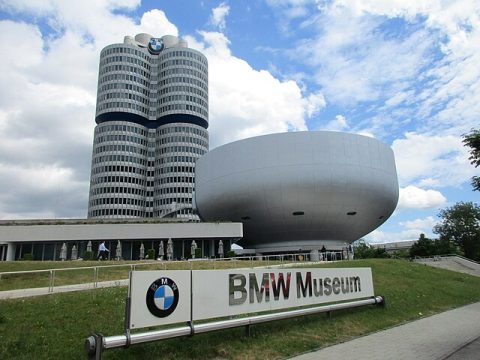
BMW Museum
An automotive enthusiast's paradise showcasing 100 years of BMW innovation. The futuristic bowl-shaped building displays over 125 vehicles and motorcycles, from vintage classics to concept cars. Interactive exhibits explore design, engineering, and motorsport heritage. The adjacent BMW Welt (BMW World) features current models and serves as a delivery center where customers collect new cars. Architecture fans appreciate the stunning building design. Factory tours available with advance booking offer behind-the-scenes glimpses of automotive manufacturing. The shop offers exclusive BMW merchandise and scale models.
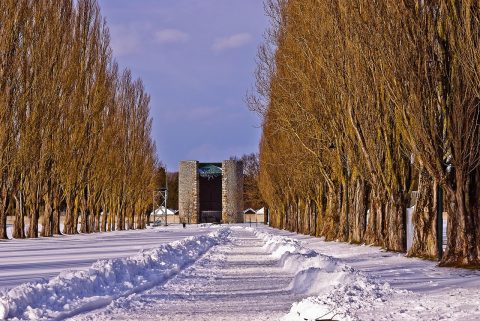
Germanic National Museum
Germany's largest museum of cultural history in Nuremberg, with over 1.3 million objects spanning prehistory to present day. Collections include medieval art, scientific instruments, toys, musical instruments, and historic textiles. The Dürer Room showcases works by Nuremberg's most famous son. Archaeological finds, arms and armor, and folk art provide comprehensive insights into German-speaking cultures. The sculpture garden features works from different eras. Regular special exhibitions explore specific themes in depth. The museum complex incorporates historic buildings including a Carthusian monastery.
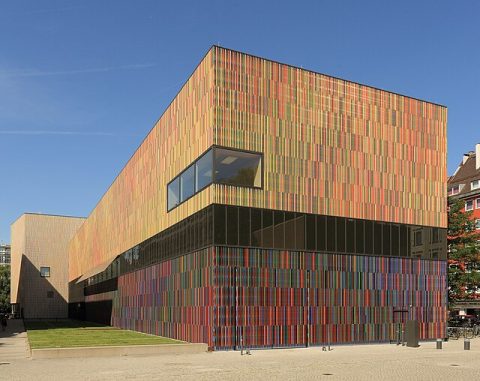
Museum Brandhorst
Munich's striking contemporary art museum with multicolored facade featuring 36,000 ceramic rods. Houses exceptional collections of Andy Warhol, Cy Twombly, and contemporary artists. The Twombly Room displays the artist's monumental Lepanto cycle. Works by Damien Hirst, Jeff Koons, and emerging artists represent cutting-edge movements. The building itself, designed by Sauerbruch Hutton, is an architectural statement. Rotating exhibitions ensure fresh perspectives on modern art. The museum café offers stylish refreshment breaks with views of the Pinakothek museums across the street.
Tips for Museums & Galleries
- Sunday €1 entry at many state museums including Pinakothek galleries
- Deutsches Museum requires full day to appreciate - prioritize sections based on interests
- Munich's museum quarter allows easy walking between multiple venues
- Many museums closed Mondays - plan accordingly
- Audio guides available in multiple languages enhance understanding
Bavaria's spiritual heritage manifests in magnificent churches, monasteries, and pilgrimage sites. From ornate Baroque masterpieces to serene medieval abbeys, these sacred spaces showcase exceptional artistry and offer moments of contemplation.
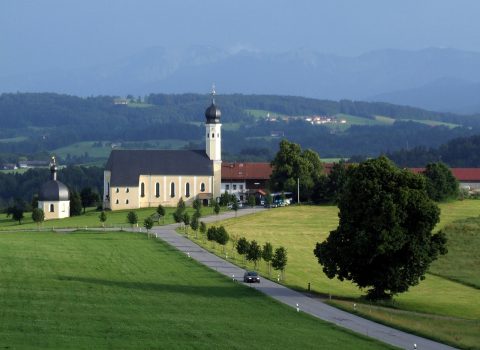
Wieskirch (Pilgrimage Church of the Scourged Savior)
A UNESCO World Heritage masterpiece and pinnacle of Bavarian Rococo architecture. This pilgrimage church features breathtaking ceiling frescoes creating illusions of heaven opening above. The interior combines white stucco, gilded decorations, and pastel colors in perfect harmony. Designed by Dominikus Zimmermann, who loved it so much he spent his final years in a house beside it. The Whipped Savior statue at the altar attracts pilgrims worldwide. Set in Alpine meadows, the exterior's simplicity contrasts dramatically with interior opulence. Organ concerts showcase the church's exceptional acoustics.
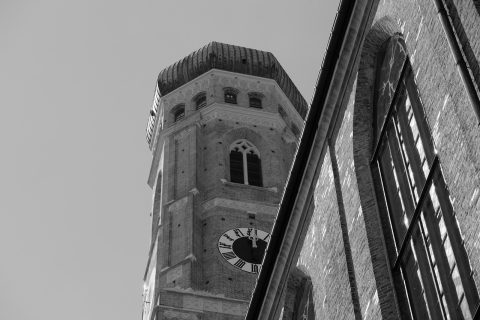
Frauenkirche (Cathedral of Our Lady)
Munich's iconic twin-towered cathedral and symbol of the city. The late Gothic brick church features distinctive onion domes visible throughout Munich. Legend holds that architect Jörg von Halsbach made a deal with the devil, whose footprint remains preserved in the entrance. The vast interior accommodates 20,000 people under stellar vaulting. The cathedral houses tombs of Bavarian dukes and emperors, including Ludwig the Bavarian. Climb the south tower (92 meters) for panoramic city views. The Benno Chapel contains stunning stained glass, while the crypt reveals archaeological finds.
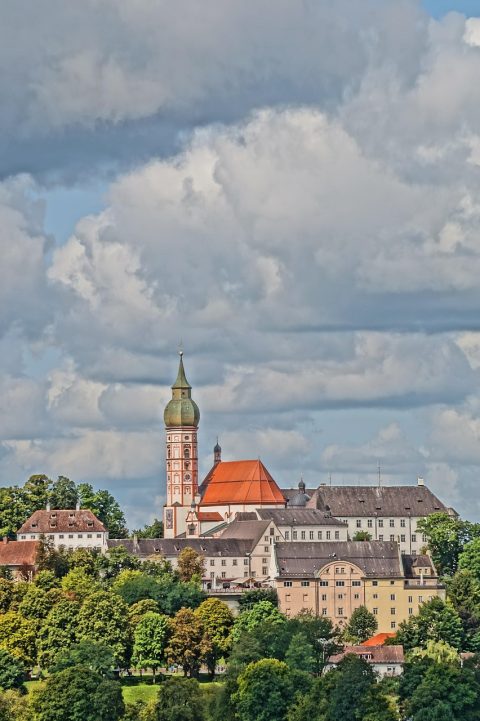
Andechs Monastery
A Benedictine monastery perched on a hilltop, famous for its brewery producing exceptional beer since 1455. The monastery church features Rococo splendor with ornate frescoes and a precious relic collection. The monastery brewery serves traditional Bavarian cuisine with freshly brewed beer in rustic halls and beer gardens with Alpine views. Pilgrims have journeyed here for centuries to venerate the Holy Chapel's relics. The monastery shop sells monk-made products including beer, cheese, and liqueurs. Hiking trails through forests lead to this spiritual and gastronomic destination.
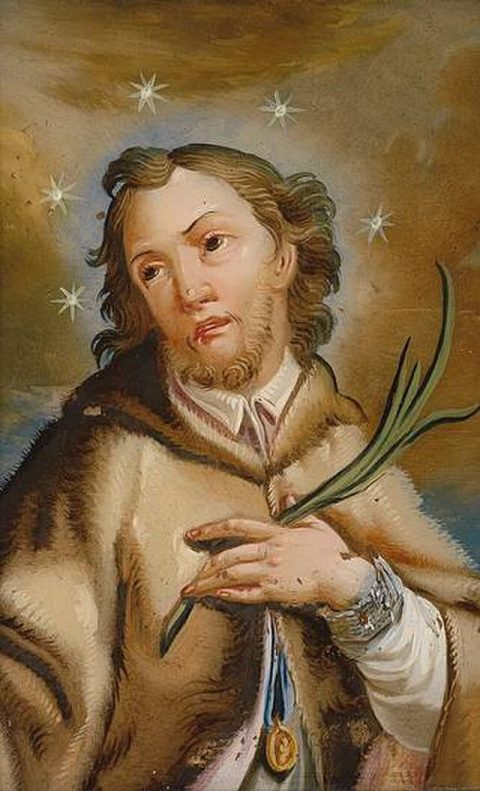
Asam Church (St. Johann Nepomuk)
A jewel-box Baroque church in Munich's city center, created as a private chapel by the Asam brothers. Despite its modest facade, the interior explodes with gilt decorations, dramatic lighting, illusionistic frescoes, and theatrical architecture. Every surface showcases exceptional craftsmanship in stucco, painting, and sculpture. The narrow space intensifies the sensory experience, with columns, sculptures, and paintings creating overwhelming spiritual drama. The skeleton with crown above the entrance reminds visitors of mortality. This intimate masterpiece demonstrates Baroque art's ability to create transcendent spaces.
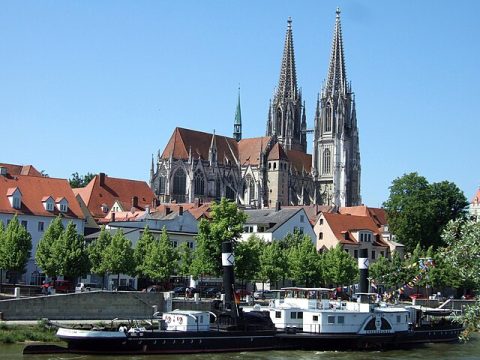
Regensburg Cathedral
Bavaria's finest Gothic cathedral with spectacular twin spires dominating Regensburg's skyline. Construction spanned six centuries, resulting in masterful Gothic architecture. The stained glass windows, including original 13th and 14th-century panels, create ethereal light effects. The cathedral houses the world-famous Regensburger Domspatzen boys' choir, performing Sunday services. Intricate stone carvings, soaring vaulted ceilings, and the impressive main portal showcase medieval craftsmanship. The cloister contains the All Saints' Chapel with remarkable frescoes. Cathedral treasury displays precious liturgical objects and vestments spanning centuries.
Tips for Religious Sites
- Respect dress codes - cover shoulders and knees in churches
- Attend Sunday services or concerts to experience churches' spiritual and acoustic purposes
- Visit during weekdays to avoid tour groups and experience peaceful atmosphere
- Photography often restricted during services - check before shooting
- Many churches offer free entry but donations appreciated for maintenance
Bavaria preserves layers of history from Roman settlements to medieval trade routes. Archaeological sites, preserved town walls, and historic city centers tell stories of emperors, merchants, and everyday life across millennia.
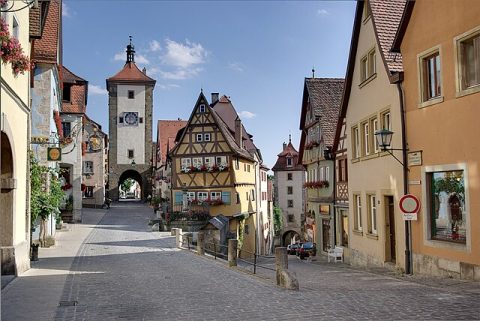
Rothenburg ob der Tauber
Germany's most perfectly preserved medieval town, appearing unchanged since the 17th century. Walk completely intact town walls with fortified gates and towers. The Market Square features the magnificent Town Hall with its Renaissance arcade and tower offering panoramic views. The Medieval Crime Museum displays instruments of punishment and medieval law. Half-timbered houses line cobblestone streets leading to Plönlein, the town's most photographed corner. Christmas Museum celebrates Käthe Wohlfahrt's year-round Christmas traditions. Despite tourist crowds, early mornings and evenings reveal authentic medieval atmosphere in this living museum.
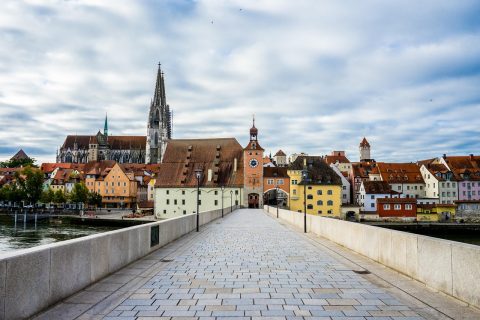
Regensburg Old Town
A UNESCO World Heritage medieval city center with over 2,000 years of history. The remarkably preserved Old Town features the 12th-century Stone Bridge, once the only Danube crossing for miles. Narrow alleys reveal Patrician towers built by wealthy merchant families in Italian style. The Porta Praetoria gates survive from Roman Castra Regina fortress. Gothic Regensburg Cathedral anchors the skyline. Historic sausage kitchen (Wurstkuchl) beside the bridge has served grilled sausages since 1146. The town's authentic medieval character, enhanced by thriving student population, creates vibrant atmosphere without feeling like a museum.
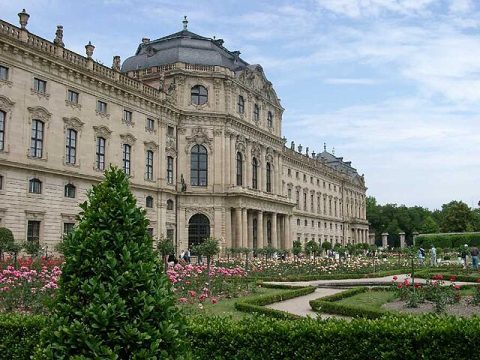
Würzburg Residence
A UNESCO World Heritage palace representing Baroque architecture's zenith. Prince-Bishop's residence features Tiepolo's monumental ceiling fresco covering the grand staircase - the world's largest fresco at over 600 square meters. The White Hall and Imperial Hall showcase rococo decoration at its finest. Court Chapel's breathtaking beauty demonstrates sacred Baroque art. Court Gardens (Hofgarten) offer sculptured terraces, fountains, and panoramic city views. The palace survived WWII bombing that destroyed much of Würzburg, making its preservation even more precious. Guided tours reveal princely luxury and power.
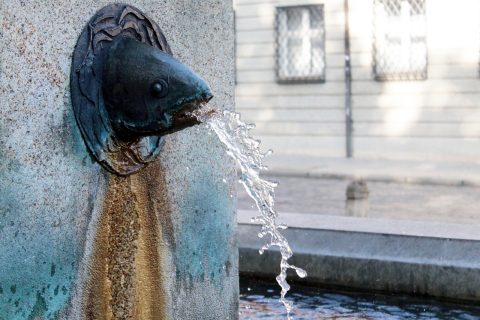
Augsburg Historic City Center
One of Germany's oldest cities (founded 15 BC), showcasing 2,000 years of European history. The magnificent Renaissance Town Hall with its Golden Hall represents civic pride's pinnacle. The Fuggerei, world's oldest social housing complex (1521), still houses residents paying symbolic annual rent. The Augsburg Water Management System, another UNESCO site, demonstrates innovative hydraulic engineering. Medieval Weavers' Quarter preserves textile industry heritage. St. Anne's Church contains Luther's 1518 reformation debates location. Maximilianstrasse, lined with patrician houses and fountains, ranks among Germany's finest Renaissance streets.
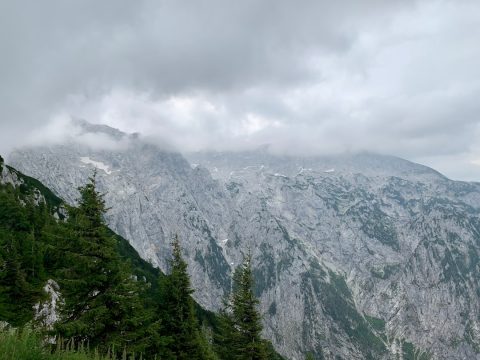
Berchtesgaden & Eagle's Nest
A mountain resort town with complex history, including Hitler's mountain retreat. The Eagle's Nest (Kehlsteinhaus) perches at 1,834 meters, accessible via dramatic mountain road and brass-lined elevator through solid rock. While built for Nazi leadership, the site now serves as historical documentation center and mountain restaurant. The Documentation Center Obersalzberg examines Third Reich history unflinchingly. Beyond this history, Berchtesgaden offers stunning Bavarian Alps scenery, salt mines with underground lakes, and access to Berchtesgaden National Park. The town's pre-Nazi heritage includes beautiful churches and traditional Bavarian architecture.
Tips for Ancient & Historical Sites
- Stay overnight in Rothenburg to experience the Night Watchman tour and morning tranquility
- Regensburg and Augsburg work well as day trips from Munich
- Eagle's Nest only accessible May-October due to snow
- Book Würzburg Residence tours in English to understand the complex history
- Combine multiple historic sites on the Romantic Road driving route
Bavaria's public spaces pulse with life, from grand squares hosting festivals to charming pedestrian streets lined with cafés and shops. These urban hearts showcase Bavarian social culture and architectural heritage.
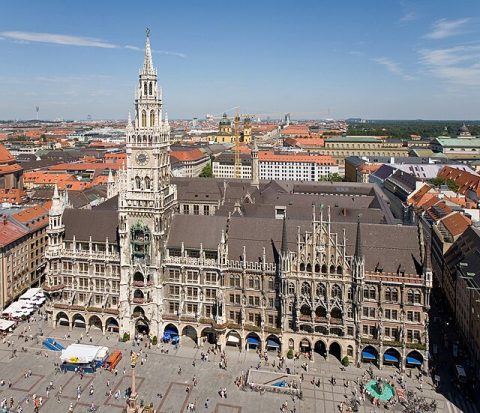
Marienplatz (Munich)
Munich's central square and heartbeat since 1158. The New Town Hall's neo-Gothic facade dominates with its famous Glockenspiel performing at 11am and 12pm daily (also 5pm in summer). Crowds gather to watch mechanical figures reenact historical events. The Old Town Hall marks the square's eastern end. St. Peter's Church tower offers the best city views. Viktualienmarkt food market sits adjacent. Major events, Christmas markets, and spontaneous celebrations occur here. Underground shopping passages and S-Bahn/U-Bahn station make this Munich's most accessible point. Street performers and beer gardens animate the square year-round.
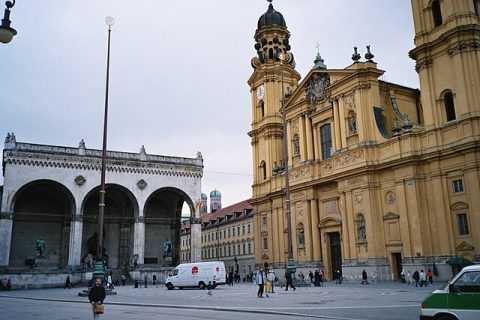
Odeonsplatz (Munich)
Munich's most elegant square, featuring the Theatinerkirche's yellow Baroque facade and the Feldherrnhalle loggia modeled after Florence's Loggia dei Lanzi. The Residenz palace borders the square. The Hofgarten (Court Garden) offers peaceful green space with central pavilion. Historical significance includes its role in Hitler's failed 1923 Beer Hall Putsch. Today, open-air concerts and cultural events animate the square. Luxurious shopping along adjacent streets attracts fashion enthusiasts. Café Tambosi, Munich's oldest café, provides perfect people-watching. The square connects Munich's old town to Ludwigstrasse and the museum district.
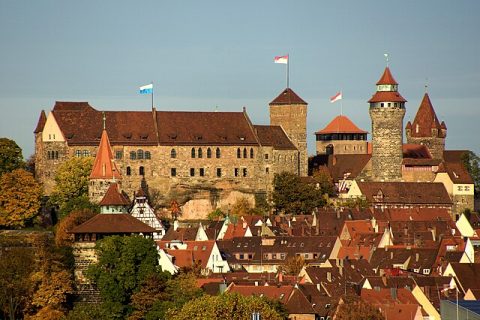
Hauptmarkt (Nuremberg)
Nuremberg's main market square, hosting Germany's most famous Christmas market (Christkindlesmarkt). The Gothic Schöner Brunnen (Beautiful Fountain) features intricate 19th-century replica of medieval original with 40 figures representing worldview of Holy Roman Empire. Touch the golden ring for luck. The Frauenkirche church overlooks the square with its mechanical clock performing at noon. Daily markets sell fresh produce, flowers, and regional specialties. The square's history includes dark chapters - it stands on the former Jewish quarter destroyed in 1349 pogrom. Today it's a vibrant gathering place for festivals, markets, and celebrations year-round.
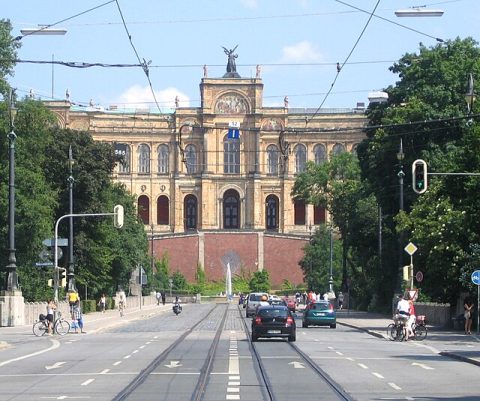
Maximilianstrasse (Munich)
Munich's most luxurious boulevard, stretching from Altstadt to the Maximilianeum parliament building. This prestigious street showcases King Maximilian II's unique architectural style blending Gothic and Renaissance elements. High-end boutiques (Prada, Bulgari, Gucci) line elegant arcades. The Kammerspiele theater and exclusive Hotel Vier Jahreszeiten represent cultural sophistication. The street hosts fashion shows and cultural events. Five-star restaurants and designer flagships attract international clientele. The boulevard culminates at the Isar River with views of the neo-Renaissance Maximilianeum. Window shopping here offers glimpses of Munich's wealthy lifestyle.
Tips for Squares & Streets
- Visit Marienplatz at 11am or 12pm for the Glockenspiel performance
- Nuremberg's Hauptmarkt transforms into magical Christmas market in December
- Many squares host seasonal events - check local calendars
- Cafés around squares offer perfect spots for people-watching
- Evening strolls reveal different ambiance with atmospheric lighting
Each Bavarian neighborhood tells its own story, from hipster havens and student quarters to royal districts and working-class areas transformed into creative hubs. These districts reveal authentic local life beyond tourist centers.
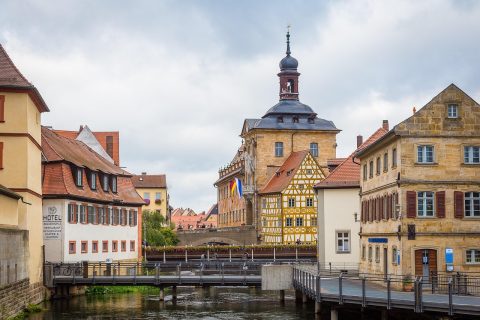
Bamberg Old Town
An entire UNESCO World Heritage neighborhood preserving medieval urban layout. This exceptionally preserved town features over 1,000 listed buildings spanning Romanesque to Baroque periods. Little Venice (Klein Venedig) showcases colorful fishermen's houses along the Regnitz River. The Old Town Hall built on a bridge creates iconic photo opportunity. Seven hills each crowned with churches earn Bamberg nickname 'Franconian Rome'. Unique smoked beer (Rauchbier) culture thrives in traditional breweries. Winding cobblestone lanes reveal hidden gardens, courtyards, and beer cellars. Cathedral Quarter contains magnificent Romanesque cathedral with Bamberg Rider sculpture.
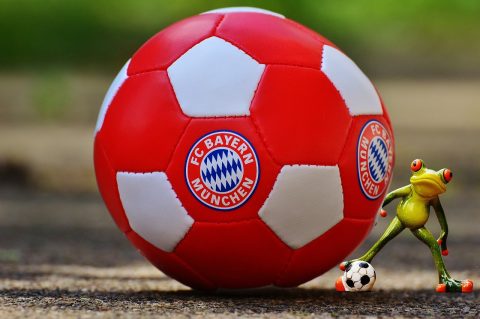
Kunstareal (Munich Museum Quarter)
Munich's museum district concentrating world-class art institutions within walking distance. The area encompasses the three Pinakothek galleries, Museum Brandhorst, Lenbachhaus, and several others. Königsplatz nearby features neoclassical architecture housing Glyptothek and State Antiquities Collection. The district's planned layout creates harmonious cultural landscape. Cafés and restaurants cater to museum visitors. The Technical University borders the area, adding academic atmosphere. Free museum entry on Sundays makes culture accessible. The neighborhood transforms during Long Night of Munich Museums when institutions stay open until 2am with special programs.
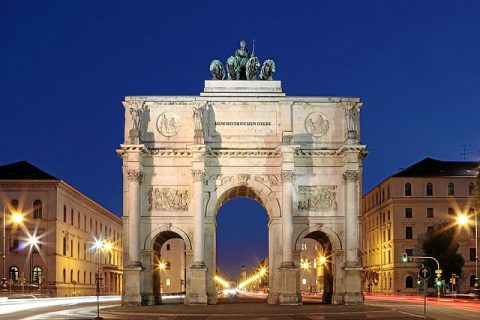
Schwabing (Munich)
Munich's bohemian quarter with artistic heritage stretching back to when Kandinsky, Klee, and Mann lived here. The Leopoldstrasse forms the main artery lined with cafés, bookshops, and bars. The English Garden borders the district, making it perfect for combining culture with nature. Historic artists' cafés like Café Münchner Freiheit preserve intellectual atmosphere. The neighborhood balances university students with affluent residents. Former revolutionary spirit now manifests in independent boutiques, galleries, and nightlife. Saturday's Elisabethmarkt offers authentic market experience. Residential streets reveal beautiful Jugendstil (Art Nouveau) architecture.
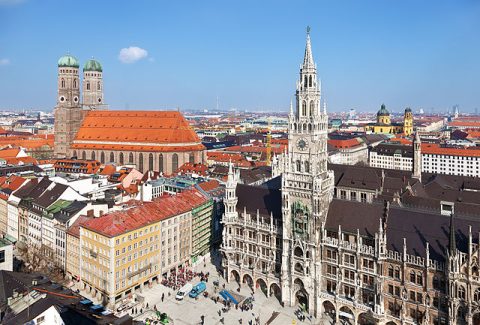
Glockenbach & Gärtnerplatz (Munich)
Munich's trendiest neighborhood and LGBTQ+ hub with village-like atmosphere despite central location. The Gärtnerplatztheater anchors the district with opera, musicals, and dance. Narrow streets reveal independent boutiques, vintage shops, and design studios. Countless bars, cafés, and restaurants create vibrant nightlife. Sunday flea market at Mariahilfplatz attracts bargain hunters. Former working-class area has transformed into creative quarter while maintaining authentic character. The Isar River provides green escape. This walkable neighborhood rewards exploration with hidden courtyards, street art, and innovative cuisine from experimental restaurants.
Tips for Neighborhoods & Districts
- Neighborhoods reveal authentic Bavarian life beyond tourist attractions
- Visit local markets to experience genuine community atmosphere
- Evening exploration shows neighborhoods at their liveliest
- Many neighborhoods have their own festivals and events
- Combine neighborhood walking with stops at local cafés and bakeries
Bavaria's green spaces range from wild alpine meadows to meticulously manicured palace gardens. These natural and designed landscapes offer recreation, relaxation, and stunning seasonal beauty throughout the year.
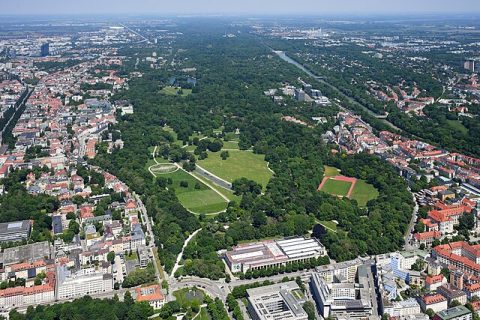
English Garden (Munich)
One of the world's largest urban parks, even bigger than New York's Central Park. This 910-acre green oasis offers meadows, forests, streams, and beer gardens. The Eisbach river wave attracts surfers year-round in the city center - a unique spectacle. The Chinese Tower beer garden seats 7,000 people under chestnut trees. Monopteros temple on a hill provides panoramic views. Nudist sunbathing areas reflect German relaxed attitudes. The park stretches from city center to northern suburbs, with trails for walking, cycling, and jogging. Japanese Tea House hosts traditional ceremonies. Street performers and picnickers animate the space.
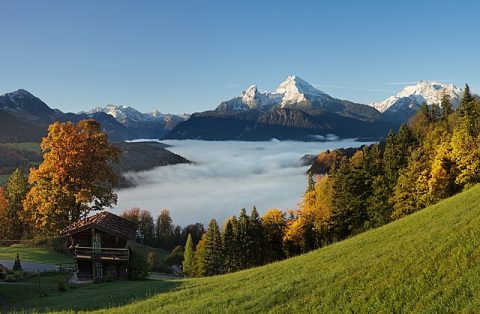
Berchtesgaden National Park
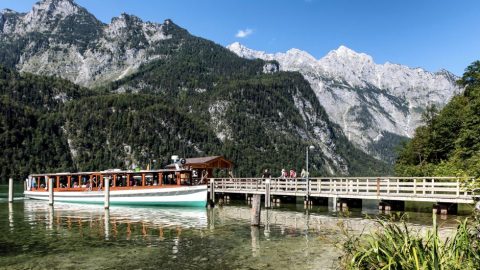
Germany's only Alpine national park, protecting pristine mountain wilderness. The stunning Königssee emerges as highlight - an emerald alpine lake surrounded by vertical cliffs. Electric boats glide silently across the water, with captains playing trumpets to demonstrate the echo. St. Bartholomew's pilgrimage church with distinctive red onion domes sits on the lake's shore. Hiking trails range from easy lakeside walks to challenging mountain ascents. The Watzmann massif dominates the landscape. Wildlife includes ibex, golden eagles, and marmots. Jenner mountain offers cable car access to high-altitude panoramas. Winter transforms the park into cross-country skiing paradise.
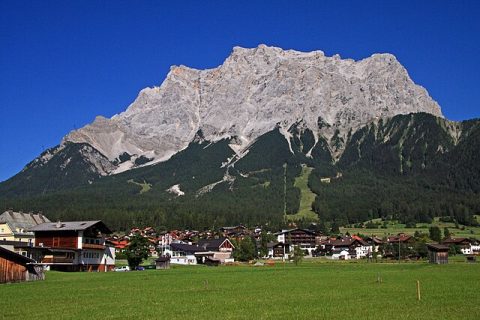
Zugspitze
Germany's highest peak at 2,962 meters, accessible via cogwheel train and cable cars. The summit straddles the German-Austrian border with panoramic views across four countries on clear days. The Glacier Cable Car provides thrilling ascent over crevasses. Year-round skiing on the glacier attracts enthusiasts. Summit restaurants serve traditional food with unbeatable views. Multiple access routes allow varied experiences - cogwheel train from Garmisch, cable car from Eibsee lake. The glacier exhibition explains climate change impacts. Hiking trails around the base offer alpine meadow beauty for those not summiting. Sunrise and sunset visits require planning but reward with unforgettable spectacles.
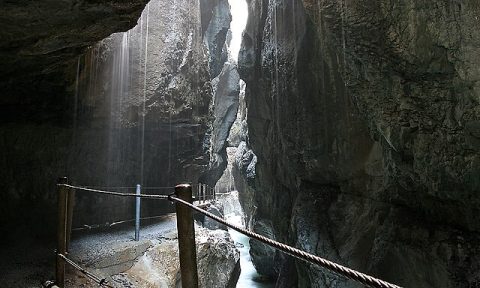
Partnach Gorge (Garmisch-Partenkirchen)
A spectacular natural gorge carved by the Partnach River through limestone rock. Walkways and tunnels built into cliff faces allow safe passage through dramatic scenery where walls tower 80 meters overhead and the river crashes below. Water spray creates rainbows in sunlight while ice formations in winter transform the gorge into frozen wonderland. The approach passes Olympic ski stadium from 1936 Winter Games. Continue beyond the gorge to alpine meadows and mountain huts. Accessible year-round though conditions vary seasonally. The combination of accessible adventure and stunning natural beauty makes this Garmisch's top attraction after skiing.
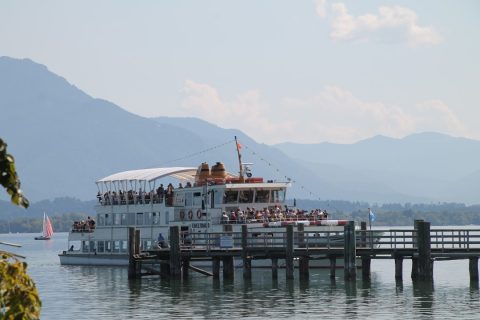
Chiemsee Lakes & Islands
Bavaria's largest lake, nicknamed the 'Bavarian Sea', offers island palaces and water recreation. Herrenchiemsee Island contains King Ludwig II's unfinished Versailles replica. Fraueninsel (Women's Island) hosts ancient Benedictine convent and charming fishing village. The smaller, car-free islands provide peaceful retreats. Regular ferries connect lakeside towns. Swimming beaches, sailing, and water sports attract summer visitors. Lakeside promenades in towns like Prien offer Alpine panoramas. The surrounding countryside features gentle hills, wetlands, and traditional Bavarian villages. Cycling routes circle the lake. Winter ice skating when lake freezes creates magical experiences.
Tips for Parks & Gardens
- English Garden beer gardens close in winter - visit April through October
- Wear waterproof clothing for Partnach Gorge due to spray
- Book Zugspitze tickets online for better prices and avoiding queues
- Check Berchtesgaden National Park trail conditions before visiting
- Many parks offer free entry but parking requires payment
Immersive experiences bring Bavarian culture alive, from brewery tours and cooking classes to alpine adventures and guided historical walks. These activities provide insider perspectives and hands-on engagement with local traditions.
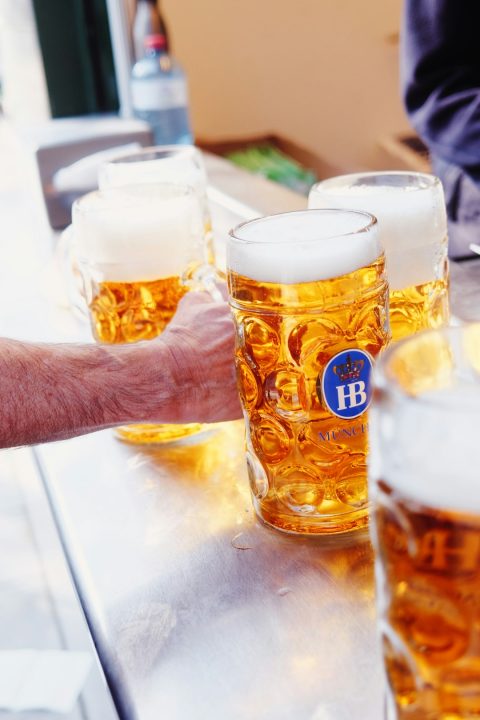
Beer Hall & Brewery Tours
Explore Bavaria's legendary beer culture through historic beer halls and working breweries. Hofbräuhaus, Munich's most famous beer hall, offers raucous atmosphere with oompah bands and liter steins. Augustiner Bräu brewery tours reveal traditional brewing methods. Andechs Monastery Brewery combines spiritual heritage with exceptional beer in hilltop setting. Learn about Reinheitsgebot (Beer Purity Law) from 1516. Many tours include tastings of various styles - Helles, Weissbier, Dunkels, seasonal Bock beers. Evening beer hall experiences teach Bavarian drinking songs and toasting customs. Private brewery tours offer deeper insights into craft and history.
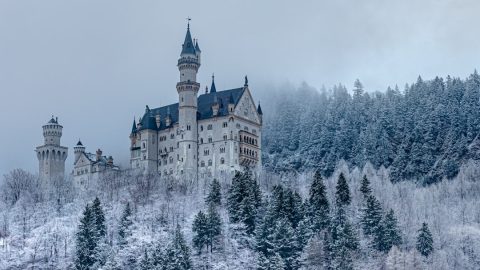
Neuschwanstein & Castles Day Trip
Organized tours solve logistics for visiting King Ludwig II's castles. Full-day trips from Munich typically include Neuschwanstein and Hohenschwangau castles with skip-the-line access. Knowledgeable guides share Ludwig's fascinating life story and architectural visions. Tours handle timed entry reservations which sell out independently. Small group options provide more personalized experiences. Some tours add Linderhof Palace or Wieskirche. Scenic bus journey through Bavarian Alps adds value. Audio guides available in multiple languages. Photography restrictions inside castles means professional guides help maximize understanding. Return times allow flexibility for exploring Füssen town.
Third Reich & WWII Tours
Educational walking tours examine Munich and Nuremberg's complex Nazi-era history. Knowledgeable historians guide visitors to sites of Hitler's rise to power including the Beer Hall Putsch location, former Nazi party headquarters, and resistance memorial sites. Nuremberg tours cover Rally Grounds, Documentation Center, and courtroom where war crime trials occurred. Tours handle sensitive material with appropriate gravity and historical accuracy. Dachau Memorial site tours provide essential context for understanding Holocaust horrors. These experiences emphasize historical learning and remembrance rather than sensationalism. English-language tours widely available with professional, academic-quality guides.
Alpine Hiking & Mountain Tours
Guided mountain experiences suit all fitness levels in the Bavarian Alps. Beginner-friendly hikes explore alpine meadows, mountain lakes, and panoramic viewpoints. Intermediate treks reach mountain huts (Almhütten) serving traditional cuisine. Via ferrata (protected climbing routes) provide thrilling adventures with safety equipment. Multi-day hut-to-hut hiking traverses high alpine terrain. Professional mountain guides ensure safety and share local ecology, geology, and cultural knowledge. Winter snowshoe tours and ski touring attract cold-weather enthusiasts. Equipment rental typically included. Tours depart from Garmisch-Partenkirchen, Berchtesgaden, and other alpine bases. Wildlife spotting opportunities include chamois, marmots, and eagles.
Cooking Classes & Food Tours
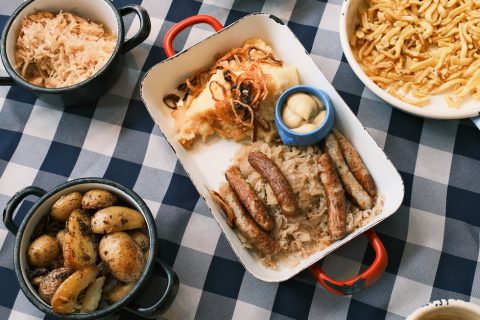
Learn to prepare Bavarian specialties in hands-on cooking classes. Master pretzel-making, Schnitzel preparation, Spätzle (egg noodles), and Apfelstrudel baking. Market tours start at Viktualienmarkt, selecting ingredients while learning about Bavarian food culture. Classes often conclude with communal meals sharing your creations. Food tours combine tastings at traditional establishments - sausage at historic butchers, cheese at specialty shops, sweets at century-old confectioners. Beer and food pairing sessions educate palates. Vegetarian and dietary accommodation available with advance notice. Small groups ensure personalized instruction. Take home recipes and techniques to recreate authentic Bavarian cuisine.
Tips for Tours & Activities
- Book castle tours months in advance for summer visits
- Third Reich tours require emotional preparation - historically important but heavy content
- Mountain tours need appropriate fitness levels - check difficulty ratings
- Beer tours often include substantial food - pace yourself
- Cooking classes make excellent rainy-day activities
Bavaria's compact geography enables easy day trips to diverse destinations. Medieval towns, Alpine lakes, palace complexes, and neighboring Austria lie within reach for enriching excursions from major cities.
Salzburg, Austria
Mozart's birthplace sits just across the Austrian border, 90 minutes from Munich. The UNESCO-listed old town features Baroque architecture, the massive Hohensalzburg Fortress, and the Mirabell Gardens from The Sound of Music. Mozart's birthplace museum and residence preserve the composer's legacy. The cathedral where he was baptized and served as organist stands magnificently in the heart. Getreidegasse's narrow shopping street maintains medieval character. The Salzach River divides old and new towns. Castle views reward the funicular ride. Traditional coffee houses serve Sachertorte. Combine cultural sights with alpine backdrop for unforgettable day trip.
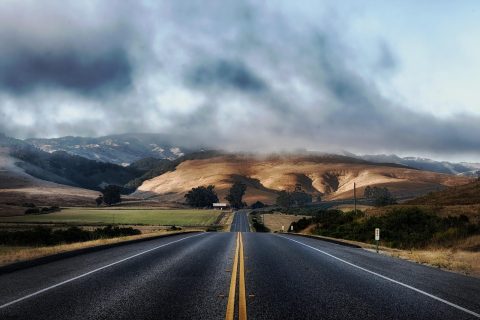
Romantic Road Route
Germany's most scenic driving route traverses 350 kilometers of medieval towns and castles. Starting in Würzburg, the route passes through Rothenburg ob der Tauber, Dinkelsbühl, Nördlingen (town in a meteor crater), and concludes at Füssen near Neuschwanstein. Each town preserves unique medieval character with intact walls, towers, and half-timbered houses. The countryside features rolling hills, vineyards, and pastoral landscapes. Complete the route over 2-3 days for leisurely exploration or select highlights for day trips. Organized coach tours available but independent driving offers flexibility. Spring bloom and autumn colors provide spectacular backdrops.
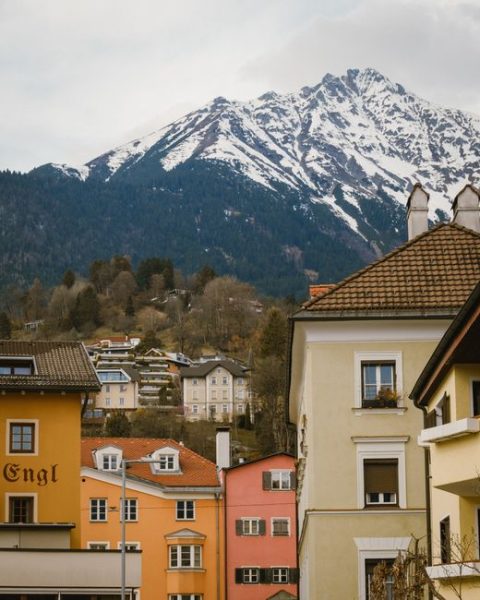
Innsbruck, Austria
The Tyrolean capital combines alpine sports with imperial heritage, two hours from Munich. The Golden Roof, a ornate balcony with 2,657 gilded copper tiles, symbolizes the city. Nordkette Cable Car whisks visitors from city center to 2,300-meter peaks in minutes - Europe's most dramatic urban-to-alpine transition. The old town features colorful houses and medieval arcades. Ambras Castle houses armor collections and Renaissance treasures. Ski jump towers from multiple Winter Olympics dot the landscape. Excellent museums cover Tyrolean folk culture, art, and mountaineering history. The combination of urban sophistication and immediate mountain access creates unique atmosphere.
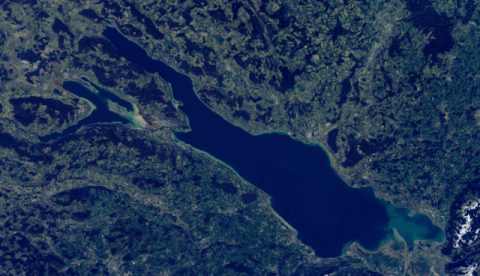
Lake Constance (Bodensee)
Central Europe's third-largest lake borders Germany, Austria, and Switzerland. The medieval island town of Lindau features harbor with Bavarian Lion statue and lighthouse. Mainau Island's gardens bloom spectacularly with millions of flowers. The Zeppelin Museum in Friedrichshafen documents airship history where they were built. Meersburg preserves medieval old town and hillside vineyards producing local wines. Lake cruises connect lakeside towns across three countries. The Alps provide dramatic southern backdrop. Cycling paths circle the entire lake. Water sports, swimming, and beach activities attract summer visitors. Waterfront promenades offer leisurely strolls with mountain views.
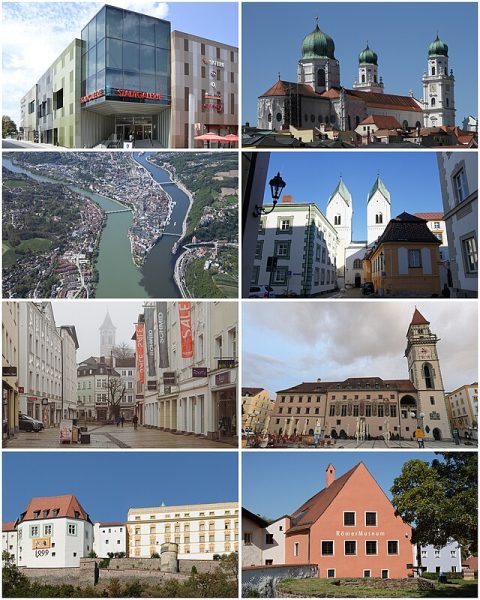
Passau (Three Rivers City)
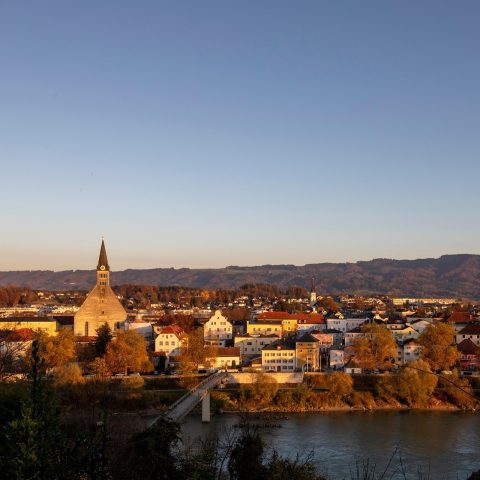
Where the Danube, Inn, and Ilz rivers converge at the Austrian border, creating a dramatic confluence visible from Veste Oberhaus fortress. The Baroque old town features St. Stephen's Cathedral with the world's largest cathedral organ (17,974 pipes). Daily organ concerts demonstrate its power. Narrow lanes wind between colorful buildings reflecting Italian architectural influence. River cruise departures for longer Danube journeys depart from here. The bishop's residence and Christmas Museum warrant exploration. Viewpoints from both banks show the distinctive three-colored water mixing. This picturesque city makes an excellent eastern Bavaria base or day trip from Munich.
Tips for Day Trips & Excursions
- Many day trips easier with rental car for flexibility and multiple stops
- Train connections to Salzburg and Innsbruck frequent and scenic
- Romantic Road towns very crowded in summer - visit early or late in day
- Check passport validity for Austria day trips despite Schengen borders
- Consider overnight stays to experience day-trip destinations without rushing
Real, highly-rated Restaurants in Bavaria, sourced from Google Places (rating above 4★).
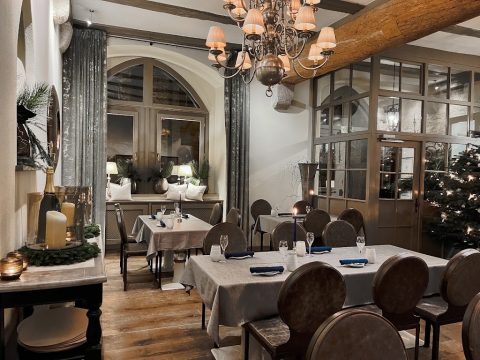
HerR Restaurant
HerR Restaurant is a highly-rated restaurant in Bavaria, rated 5★ from 194 reviews. Located at Herrngasse 20, 91541 Rothenburg ob der Tauber, Germany.
Opening Hours
- Monday: 6:00 – 9:30 PM
- Tuesday: Closed
- Wednesday: Closed
- Thursday: 6:00 – 9:30 PM
- Friday: 6:00 – 9:30 PM
- Saturday: 6:00 – 9:30 PM
- Sunday: 6:00 – 9:30 PM
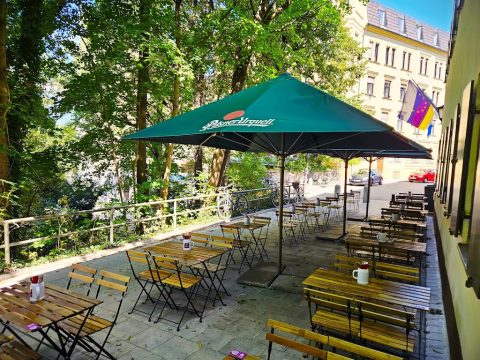
Bohemia München (Tschechoslowakische Küche)
Bohemia München (Tschechoslowakische Küche) is a highly-rated restaurant in Bavaria, rated 4.9★ from 618 reviews. Located at Am Lilienberg 5, 81669 München, Germany.
Opening Hours
- Monday: Closed
- Tuesday: Closed
- Wednesday: 12:00 – 10:00 PM
- Thursday: 12:00 – 10:00 PM
- Friday: 12:00 – 10:00 PM
- Saturday: 12:00 – 10:00 PM
- Sunday: 12:00 – 10:00 PM
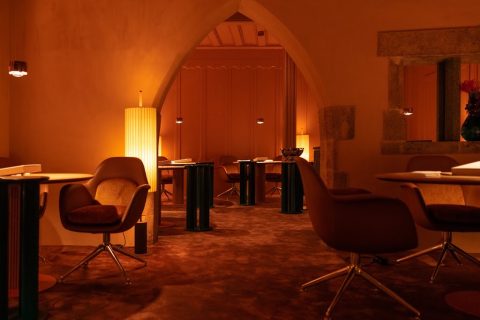
Tohru*** - Fine Dining
Tohru*** - Fine Dining is a highly-rated restaurant in Bavaria, rated 4.9★ from 266 reviews. Located at Burgstraße 5, 80331 München, Germany.
Opening Hours
- Monday: Closed
- Tuesday: 7:00 PM – 12:00 AM
- Wednesday: 7:00 PM – 12:00 AM
- Thursday: 7:00 PM – 12:00 AM
- Friday: 7:00 PM – 12:00 AM
- Saturday: 7:00 PM – 12:00 AM
- Sunday: Closed
Explore Bavaria on the Map
Seasonal Guide to Bavaria
Spring (April-May): Alpine wildflowers bloom creating spectacular meadows. Easter markets charm with decorated eggs and spring traditions. Temperatures mild (10-18°C) perfect for hiking. Fewer crowds than summer. Some mountain areas still snow-covered early April. Beer gardens reopen for season.
Summer (June-August): Peak tourism season with warmest weather (20-28°C) and longest daylight. All attractions fully operational but expect crowds and higher prices. Festival season including Munich Opera Festival. Alpine hiking at its finest. Book accommodations months in advance. Mountain cable cars rarely have queues.
Autumn (September-October): Ideal time combining good weather, fewer tourists, and Oktoberfest celebrations. Foliage spectacular in forests and Alps. Harvest festivals throughout villages. Comfortable temperatures (12-20°C). Eagle's Nest closes mid-October. Wine harvest season in Franconia.
Winter (November-March): Christmas market season (late November-December 24) transforms cities magically. Skiing and winter sports prime time. Some castles and mountain attractions closed or limited. Cold temperatures (-5 to 5°C) require warm clothing. January-February least crowded with cheapest prices. New Year festivities particularly lively in Munich.
Best Overall: May, September, and early October offer optimal weather-crowd-price balance. December magical for Christmas markets despite cold and crowds.
Getting Around Bavaria
Munich Public Transport
Excellent integrated system of U-Bahn (subway), S-Bahn (suburban rail), trams, and buses. Single tickets valid across all modes within zones. The Bayern Ticket (from €27) allows unlimited regional train travel for up to 5 people after 9am on weekdays, all day weekends. Day passes (€7-13 depending on zones) offer better value than single rides. Must validate tickets before boarding. Transport runs approximately 4:30am-1am, with night services Friday-Sunday.
Regional Trains (Deutsche Bahn)
Connect all major Bavarian cities efficiently. Book advance tickets for significant savings. Second class comfortable and sufficient. Reserved seats recommended for long journeys. Regional passes like Bayern-Ticket work on RE and RB trains but not high-speed ICE. Apps show real-time delays and platform changes. Bikes allowed on regional trains with supplementary ticket.
Car Rental
Best option for exploring Romantic Road, castle hopping, and rural areas. All major rental companies at Munich Airport and city centers. International license required for non-EU visitors. Highways (Autobahn) free but many sections have speed limits. GPS navigation essential. Parking expensive in city centers - use Park & Ride facilities. Winter tires mandatory December-March.
Taxis & Ride-sharing
Taxis metered and reliable but expensive. Uber and Free Now apps offer alternatives in major cities. Not economical for most tourists compared to public transport.
Bicycles
Munich extremely bike-friendly with extensive dedicated lanes. MVG bike-sharing and Call a Bike systems available. Many hotels offer bicycle rentals. Combine cycling with regional trains for day trips.
✈️ Airport Transfer
S1 and S8 take about 40 minutes to the central station; the adult single fare to the airport is €15.10 (July 2026 fare). Airport bus options available. Nuremberg, Innsbruck, and Memmingen (budget airlines) serve as alternative airports.
Shopping in Bavaria
Traditional Bavarian Purchases
- Dirndl & Lederhosen: Traditional costumes from Trachten specialty shops. Quality pieces expensive (€200-1000+) but authentic. Cheaper versions at department stores. Munich's Loden-Frey specializes in traditional attire.
- Beer Steins (Maßkrug): Ceramic, glass, or pewter steins from brewery shops and Christmas markets. Official Oktoberfest steins become collectibles. Ensure authentic stamps if seeking valuable pieces.
- Cuckoo Clocks: Though traditionally Black Forest items, available throughout Bavaria. Hand-carved mechanical clocks range from €100-2000+. Look for VdS certification guaranteeing quality.
- Christmas Ornaments: Käthe Wohlfahrt stores in Rothenburg and major cities offer year-round Christmas shopping. Hand-blown glass ornaments, wooden nutcrackers, and smoking figures (Räuchermännchen) traditional purchases.
- Porcelain: Nymphenburg Porcelain Manufactory produces exquisite handcrafted pieces. Factory outlets offer seconds at reduced prices. Rosenthal another prestigious brand.
- Alpine Products: Mountain herbs, pine oils, wooden crafts from alpine villages. Loden fabric clothing warm and water-resistant.
Food & Drink
Bring home Bavarian mustards (sweet mustard for Weisswurst), locally-roasted coffee, artisan chocolates, and packaged Lebkuchen (gingerbread). Bottled beer travels well. Regional wines from Franconia come in distinctive Bocksbeutel bottles. Speck (smoked ham) and cheeses vacuum-sealed at markets.
Shopping Districts
Munich: Kaufingerstrasse pedestrian zone for mainstream brands. Maximilianstrasse for luxury. Viktualienmarkt for food. Schwabing for independent boutiques. Nuremberg: Karolinenstrasse shopping street. Handwerkerhof artisan courtyard near station. Rothenburg: Concentrated old-town shopping - Christmas stores, craft shops, toy museums.
VAT Refunds
Non-EU residents can reclaim 19% VAT on purchases over €25 from participating stores. Request Tax-Free forms, get stamped at customs when leaving EU, claim refunds at airports or mail-in.
Markets
Weekly farmers markets in most towns. Munich's Viktualienmarkt operates daily except Sunday. Flea markets Sunday mornings at various locations offer antiques, vintage items, and collectibles.
Bavarian Festivals & Events
Major Annual Festivals
Oktoberfest (mid-September to early October): The world's largest folk festival in Munich attracts over 6 million visitors. 16-18 days of beer tents, traditional music, fairground rides, and Bavarian culture. Book accommodations year in advance. Tent reservations essential for weekends. Traditional costume (Tracht) encouraged. Family-friendly despite beer focus - Tuesday designated family day with reduced prices.
Christmas Markets (Christkindlmärkte - late November to December 24): Magical markets throughout Bavaria featuring handcrafted gifts, mulled wine (Glühwein), roasted almonds, and Lebkuchen. Nuremberg's Christkindlesmarkt most famous. Munich hosts multiple markets - Marienplatz, Residenz, Tollwood. Rothenburg extends season into January. Each market has unique character - research to find preferred atmosphere.
Fasching/Karneval (February/March): Pre-Lenten carnival celebrations with colorful parades, costumes, and street parties. Munich's Viktualienmarkt hosts market women's dance. Smaller towns often have more authentic celebrations than tourist centers.
Strong Beer Festival (Starkbierfest - March): Munich breweries serve powerful Lenten beers (Doppelbock) in beer halls. Less tourist-focused than Oktoberfest, more traditional atmosphere. Paulaner Nockherberg hosts famous political satire shows.
Munich Opera Festival (June-July): World-class performances at Bavarian State Opera and National Theater. Outdoor screenings make opera accessible. Book tickets months ahead for popular productions.
Regional Celebrations
- Gäubodenvolksfest (Straubing - August): Bavaria's second-largest folk festival after Oktoberfest
- Bergkirchweih (Erlangen - May/June): Student-heavy beer festival in historic cellars
- Landshut Wedding (every 4 years): Historic pageant reenacting 1475 royal wedding - next 2029
- Wine Festivals (Franconia - August-October): Würzburg and surrounding villages celebrate wine harvest
- Passion Play (Oberammergau - every 10 years): Centuries-old tradition performed by villagers - next 2030
Public Holidays
New Year's Day, Epiphany (Jan 6), Good Friday, Easter Monday, Labour Day (May 1), Ascension Day, Whit Monday, Corpus Christi, Assumption Day (Aug 15), German Unity Day (Oct 3), All Saints Day (Nov 1), Christmas Dec 25-26. Many attractions closed on these dates - plan accordingly.
Sample Itineraries for Bavaria
3-Day Munich Highlights
Day 1 - Old Town & Beer Culture: Start at Marienplatz for Glockenspiel (11am). Visit Frauenkirche, climb St. Peter's tower for views. Explore Viktualienmarkt for lunch. Afternoon: Residenz Palace or Deutsches Museum (choose based on interests). Evening: Hofbräuhaus beer hall experience with dinner and music. Walk through illuminated city center.
Day 2 - Art & Gardens: Morning at English Garden - watch Eisbach surfers, visit Chinese Tower beer garden for coffee. Late morning: Choose between Alte Pinakothek (Old Masters) or Museum Brandhorst (contemporary). Lunch in Schwabing neighborhood. Afternoon: Nymphenburg Palace and gardens. Evening: Glockenbach quarter for dinner at trendy restaurants, drinks at local bars.
Day 3 - Day Trip: Dachau Memorial (morning, allow 3-4 hours) OR Neuschwanstein Castle (full day tour). Evening return: Relax at sunset in English Garden or enjoy final beer garden meal.
5-Day Bavarian Circuit
Day 1: Arrive Munich, explore Marienplatz area, Viktualienmarkt, evening beer hall
Day 2: Munich museums (Deutsches Museum or Pinakothek galleries), Nymphenburg Palace, English Garden
Day 3: Romantic Road - Drive to Rothenburg ob der Tauber (3 hours), explore medieval town, overnight
Day 4: Continue to Füssen, visit Neuschwanstein and Hohenschwangau castles, overnight near castles or return Munich
Day 5: Salzburg day trip OR Berchtesgaden/Eagle's Nest (depending on interests)
7-Day Comprehensive Bavaria
Day 1: Munich arrival - Marienplatz, Frauenkirche, Viktualienmarkt, Hofbräuhaus
Day 2: Munich - Residenz Palace, Englischer Garten, Nymphenburg Palace or museums
Day 3: Day trip to Dachau Memorial + Andechs Monastery
Day 4: Drive Romantic Road to Rothenburg (stop Würzburg Residence en route), overnight Rothenburg
Day 5: Morning Rothenburg, drive to Füssen, visit castles (Neuschwanstein/Hohenschwangau), overnight Füssen or Garmisch
Day 6: Zugspitze OR Partnach Gorge + Oberammergau + Linderhof Palace, overnight Garmisch
Day 7: Drive to Berchtesgaden, Königssee boat tour, Eagle's Nest (if open), return Munich evening
10-Day Bavaria Deep Dive
Days 1-2: Munich comprehensive exploration including museums, palaces, neighborhoods
Day 3: Salzburg day trip (or overnight)
Day 4: Chiemsee - Herrenchiemsee Palace, island hopping
Day 5: Berchtesgaden National Park, Königssee, Eagle's Nest
Day 6: Drive to Garmisch-Partenkirchen, Zugspitze summit
Day 7: Partnach Gorge, Linderhof Palace, Oberammergau, Wieskirche
Day 8: Füssen - Neuschwanstein & Hohenschwangau castles, overnight
Day 9: Romantic Road - Rothenburg ob der Tauber, Dinkelsbühl, Nördlingen
Day 10: Nuremberg - Castle, old town, Germanic Museum, return Munich or depart
Winter/Ski Itinerary (7 Days)
Days 1-2: Munich - Christmas markets (if December), museums, beer halls
Days 3-5: Garmisch-Partenkirchen - Skiing Zugspitze or classic Garmisch slopes, winter hiking, evening Bavarian culture
Day 6: Neuschwanstein in snow (unforgettable), Linderhof Palace
Day 7: Return Munich, final shopping/sightseeing
Instagram & Photography Hotspots
Iconic Bavarian Images
Neuschwanstein Castle from Marienbrücke: THE quintessential Bavarian photo. Early morning (before 9am) or late afternoon for best light and fewer crowds. Golden hour creates magical glow on castle facade. Bridge gets extremely crowded mid-day.
Eisbach Surfer (English Garden, Munich): Year-round urban surfing on standing wave. Shoot from bridge above for classic angle. Morning light best. Shows Munich's unique character. Surfers perform impressive moves regardless of weather.
Marienplatz Glockenspiel: Position in square center 10 minutes before performance (11am/12pm). Use wide angle to capture clock tower and crowds. Late afternoon sun illuminates tower beautifully.
Wieskirche Interior: Rococo perfection requires wide-angle lens. Natural light through windows creates ethereal atmosphere - avoid flash. Early morning or late afternoon when tour groups absent. Capture ceiling frescoes with dramatic perspective.
Partnach Gorge: Water spray creates rainbows in sunlight - visit 11am-2pm when sun penetrates gorge. Long exposure smooths rushing water. Winter icicles create frozen wonderland.
Hidden Gems
Bamberg Little Venice: Colorful fishermen's houses reflected in Regnitz River. Shoot from opposite bank at golden hour. Less crowded than major attractions yet equally photogenic.
Plönlein (Rothenburg): Medieval Y-shaped intersection framed by half-timbered houses. Early morning (before 7am) captures empty streets impossible during day. Long exposure at blue hour with street lamps creates enchanting mood.
Königssee Chapel: St. Bartholomew's red onion domes against emerald lake and cliffs. Take electric boat to chapel dock. Best photos from boat approach or chapel grounds looking back across lake.
Regensburg Stone Bridge & Cathedral: Shoot from north bank at sunset. Medieval bridge, Gothic cathedral spires, and Danube create layered composition. Summer evening river cruises offer unique angles.
Zugspitze Summit: Germany's highest point delivers 360° Alpine panoramas. Clear morning visits essential - clouds often roll in afternoon. Golden cross summit marker with mountains beyond signature shot.
Photography Tips
- Golden Hour Magic: Bavaria's architecture glows in warm morning/evening light. Plan key shots for hour after sunrise or before sunset.
- Weather Apps Essential: Mountain weather changes rapidly. Use apps to predict clear visibility for peak/castle visits.
- Tripods Often Restricted: Many churches, castles, museums ban tripods. Bring compact stabilizers or high ISO cameras.
- Drone Regulations Strict: Flying drones over castles, cities, crowds illegal without permits. Research restrictions before attempting aerial shots.
- Church Interiors: Photography often permitted but not during services. No flash to protect artwork. High ISO and wide apertures essential.
- Beer Halls: Ask permission before photographing locals in traditional costume. Evening atmosphere shots capture authentic culture.
- Seasons Transform Scenes: Same location offers completely different images across seasons - spring wildflowers, autumn foliage, winter snow, summer green.
Best Instagram Cafés
München - Café Glockenspiel: Rooftop terrace overlooking Marienplatz. Stylish food presentation. Book window tables for Glockenspiel views.
München - Café Frischhut: Traditional Schmalzgebäck (fried pastries) since 1973. Locals queuing creates authentic atmosphere shots.
Rothenburg - Café Einzigartig: Cozy cafe with medieval charm. Desserts worthy of food photography.
Electricity & Connectivity
Power Standards
Voltage: 230V AC, 50Hz (European standard)
Plug Type: Type C (two round pins) and Type F (two round pins with ground clips) - standard European plugs
Adapters: Visitors from UK, US, Asia, Australia need plug adapters. Universal travel adapters recommended. Available at airports, electronics stores, supermarkets. Many hotels provide adapters at reception.
Voltage Converters: Modern electronics (phones, laptops, cameras) usually dual voltage (110-240V) - check device labels. Only older appliances (hair dryers, curling irons) may require voltage converters, though buying European versions often easier.
Wi-Fi & Internet
Free Wi-Fi widespread in hotels, cafés, restaurants, and public spaces. Many hotels require room number for access. Coffee chains (Starbucks, Coffee Fellows) offer reliable connections. Train stations provide free DB Wi-Fi. Public Wi-Fi in squares and tourist areas increasingly common.
Mobile Phone Service
EU Roaming: EU residents use domestic plans without extra charges throughout Germany. Check with provider for confirmation.
International Visitors: Consider purchasing German SIM card for data. Prepaid options available from Telekom, Vodafone, O2 at airports, electronics stores (Media Markt, Saturn), and mobile shops. Tourist SIMs (€15-30) include data packages. Passport required for purchase. Germany's 4G/5G coverage excellent in cities and towns, spotty in remote mountains.
Pocket Wi-Fi: Rental devices provide mobile hotspots for multiple devices. Book online before departure for airport pickup.
Useful Apps
- DB Navigator: Deutsche Bahn's official app for train schedules, bookings, real-time updates
- MVG Fahrinfo München: Munich public transport journey planner and ticket purchases
- Google Maps: Excellent for navigation, public transport directions, offline maps
- Translate: Google Translate or DeepL for German-English translation
- Too Good To Go: Discounted surplus food from restaurants/bakeries
- Komoot: Hiking and cycling route planning
Bavarian Cuisine Guide
Must-Try Dishes
Weißwurst (White Sausage): Traditional Munich breakfast sausage made from veal and pork back bacon. Served with sweet mustard (Süßer Senf) and pretzels. Eaten before noon traditionally. Peel casing off before eating or 'suck' meat from casing.
Schweinshaxe (Pork Knuckle): Roasted pork leg with crispy skin and tender meat. Massive portion served with sauerkraut and potato dumplings. Signature Bavarian feast requiring serious appetite.
Schnitzel: Breaded, fried pork or veal cutlet. Wiener Schnitzel (veal) premium version. Jägerschnitzel includes mushroom sauce. Served with potato salad or fries and lemon wedge.
Spätzle: Egg noodles either served as side dish or main (Käsespätzle with cheese and fried onions). Comfort food at its finest.
Obazda: Bavarian cheese spread mixing camembert, butter, onions, paprika. Eaten with pretzels in beer gardens. Every family has unique recipe.
Leberkäse: Meatloaf-like specialty despite name suggesting liver and cheese (contains neither typically). Served in rolls (Leberkäsesemmel) or with fried egg and potato salad.
Schweinebraten: Roasted pork with dark beer gravy, red cabbage, and potato dumplings (Knödel). Sunday dinner classic in Bavarian homes.
Steckerlfisch: Grilled fish on a stick, traditionally mackerel or trout. Popular at festivals and beer gardens. Simple but delicious.
Desserts & Baked Goods
Apfelstrudel: Apple strudel with thin pastry, cinnamon apples, raisins. Served warm with vanilla sauce or ice cream. Café classics throughout Bavaria.
Dampfnudel: Steamed sweet dumpling with vanilla sauce. Savory versions served with mushroom sauce or sauerkraut also exist.
Brezn (Pretzel): Laugenbrezel - salty, chewy perfection. Fresh from bakery or with Obazda in beer gardens. Weißwurst's essential companion.
Lebkuchen: Gingerbread cookies, especially famous from Nuremberg. Soft, spiced, often chocolate-coated. Available year-round but peak at Christmas markets.
Kaiserschmarrn: Shredded pancake with powdered sugar and fruit compote. Austrian origin but beloved in Bavaria. Hearty enough for main course.
Beer Culture
Beer Varieties:
- Helles: Pale lager, Munich's default beer - smooth, slightly sweet
- Weißbier/Weizenbier: Wheat beer, cloudy, fruity, refreshing. Served in special tall vase-shaped glasses
- Dunkel: Dark lager, malty, slightly sweet, caramel notes
- Märzen/Oktoberfestbier: Amber lager, slightly stronger (5.8-6.3%), malty
- Bock/Doppelbock: Strong beer (7-12%), rich, malty, typically served in 0.3L glasses
- Radler: Beer mixed with lemon soda, refreshing summer drink
Beer Etiquette: Order by size - Maß (1 liter) or Halbe (0.5 liter). Toast with 'Prost!' making eye contact. In beer gardens, food brought from home allowed but drinks must be purchased. Coasters on glass mean 'taking a break,' removed means 'finished.'
Dining Tips
- Meal Times: Breakfast 7-10am, lunch 12-2pm (main meal traditionally), dinner 6-9pm. Restaurants often close 2:30-5:30pm between meals.
- Reservations: Essential for popular restaurants, especially Friday-Saturday evenings. Beer gardens typically no reservations.
- Service: Wait staff less attentive than US - flag them for attention. Bill brought when requested, not automatically.
- Tipping: Round up or add 5-10% for good service. Hand cash directly to server stating total including tip.
- Water: Tap water safe but restaurants charge for bottled water. Specify 'stilles Wasser' for still, 'mit Kohlensäure' for sparkling.
- Vegetarian Options: Increasing availability but traditional Bavarian cuisine meat-heavy. Käsespätzle, salads, vegetable sides available. Cities have more veggie-friendly restaurants.
Where to Eat
Beer Halls (Brauhäuser): Hofbräuhaus, Augustiner Bräustuben, Paulaner am Nockherberg - loud, communal, authentic
Beer Gardens (Biergärten): English Garden's Chinese Tower, Augustiner Keller, Hirschgarten - outdoor, bring your own food permitted
Traditional Restaurants (Gasthaus/Gasthof): Cozy, authentic, family-run establishments serving regional specialties
Markets: Viktualienmarkt (Munich) - stands selling prepared foods, fresh produce, cheeses, meats. Perfect for sampling various specialties.
Tourist Passes
Munich City Pass
Public transport is optional; the pass can also be bought without it. The 2026 pass is available for 1–5 days; adult prices start at €39.90 without public transport and €55.90 with Zone M transport. Includes hop-on-hop-off bus tour and discounts at restaurants, shops, and tours. Best value for intensive sightseeing schedules visiting multiple major attractions. Skip-the-line access at some venues. Digital pass available via app. Calculate whether individual tickets or pass more economical based on planned activities.
www.munich-city-pass.comBayern Ticket (Bavaria Ticket)
Unlimited travel on regional trains (RE, RB, IRE), S-Bahn, U-Bahn, trams, and buses throughout Bavaria for one day. - LOCATION: Bavarian Palace Pass (14-Day) WRONG: “(€32 single, €48 family up to 2 adults + children)” CORRECT: The 14-day ticket costs €40 for one person or €80 for a family/two partners. The 2nd-class ticket starts at €34 for one person and costs €74 for five. Exceptional value for day trips to Nuremberg, Rothenburg, Füssen (for castles), Berchtesgaden, Regensburg. Not valid on IC/ICE high-speed trains. Purchase at stations, ticket machines, or DB app. Night version available for evening/overnight travel.
www.bahn.comBavarian Palace Pass (14-Day)
Entry to over 45 Bavarian State palaces, castles, and gardens These listed sites are covered, but Hohenschwangau Castle is not; the pass covers over 40 state sights, not “over 45. Valid 14 days from first use (€32 single, €48 family up to 2 adults + children). Pays for itself with just 2-3 palace visits. Free admission tickets are still subject to availability; the Palace Administration says no separate ticket contingents are reserved for pass holders. Annual passes also available. Does not cover special exhibitions or guided tours at some venues. Essential for castle enthusiasts planning multiple royal visits.
www.schloesser.bayern.deMuseum Quarter Day Ticket (Munich)
Combined ticket for Kunstareal museums including all three Pinakothek galleries, Museum Brandhorst, Lenbachhaus, and several others. Valid one day (€12 reduced, €29 regular). Significant savings compared to individual entries. Perfect for art enthusiasts wanting to explore Munich's world-class collections. Walking distance between all participating museums. Single-museum tickets also offer discounts for visiting others same day. Sundays many museums only €1 entry - check before buying pass.
www.pinakothek.deNeuschwanstein & Hohenschwangau Combination Ticket
Visit both King Ludwig II's childhood home (Hohenschwangau) and his fantasy creation (Neuschwanstein) with discounted combination ticket The current Kings-Ticket is €43.50, plus a €5 advance service fee per ticket when purchased online. Book online weeks or months in advance especially for summer visits - sells out completely. - LOCATION: New Pinakothek (Alte Pinakothek description does not name it; practical tips call these the “Pinakothek galleries”) WRONG: “Many museums closed Mondays - plan accordingly” CORRECT: This is broadly valid for the Pinakothek museums, but the Neue Pinakothek is closed for renovation and is expected to reopen in 2029. Free shuttle bus between castles and parking lot. Audio guides included. Only way to see castle interiors. Photography prohibited inside. Combination ticket best value for understanding Ludwig's evolution from boy prince to dreaming king.
www.hohenschwangau.deThe official guest card is now called the München Card.
Alternative to City Pass offering public transport and discounts (10-70% off) at 200+ attractions, tours, restaurants rather than free entry. The current München Card is available for 1–5 days, with Zone M or M-6 validity; check the current price list for prices by duration and type. Better for budget travelers wanting transport convenience and moderate sightseeing. Includes hop-on-hop-off bus discounts, bike rental deals, restaurant offers. Calculate savings based on planned activities - sometimes individual tickets more economical. Includes guidebook and city map.
www.munich-welcome-card.comZugspitze Combo Tickets
Various packages combine different ascent routes to Germany's highest peak. Round-trip tickets via cogwheel train and cable car (€68). Gletscherbahn (Glacier Cable Car) supplements required for summit access (€10). Sunrise/sunset special tickets available. Multi-day ski passes combine mountain access with slope tickets. Golden Ticket allows one ascent via any route, descent via another for variety. Purchase online for slight discount and guaranteed capacity during peak times. Include Eibsee lake access at base.
www.zugspitze.deMore about Bavaria
Photo credits (37)
- Neuschwanstein Castle: photo by Thomas Wolf, www.foto-tw.de, CC BY-SA 3.0 de, via Wikimedia Commons
- Linderhof Palace: photo by Softeis, CC BY-SA 3.0, via Wikimedia Commons
- Nymphenburg Palace: photo by Original: Richard Bartz, Munich aka Makro Freak Derivative work: Crassic, CC BY-SA 2.5, via Wikimedia Commons
- Nuremberg Castle: photo by The original uploader was AlterVista at German Wikipedia., CC BY-SA 3.0, via Wikimedia Commons
- Dachau Concentration Camp Memorial: photo by Treck08, CC BY-SA 4.0, via Wikimedia Commons
- Herrenchiemsee Palace: photo by Carsten Steger, CC BY-SA 4.0, via Wikimedia Commons
- Deutsches Museum: photo by Burkhard Mücke, CC BY-SA 4.0, via Wikimedia Commons
- Alte Pinakothek: photo by Photo: Andreas Praefcke, CC BY 3.0, via Wikimedia Commons
- BMW Museum: photo by Arnaud 25, CC BY-SA 4.0, via Wikimedia Commons
- Germanic National Museum: photo by Diego Delso, CC BY-SA 3.0, via Wikimedia Commons
- Museum Brandhorst: photo by Martin Falbisoner, CC BY-SA 3.0, via Wikimedia Commons
- Frauenkirche (Cathedral of Our Lady): photo by Martin Falbisoner, CC BY-SA 4.0, via Wikimedia Commons
- Andechs Monastery: photo by Schlaier, CC BY 3.0, via Wikimedia Commons
- Asam Church (St. Johann Nepomuk): photo by Sumit Surai, CC BY-SA 4.0, via Wikimedia Commons
- Regensburg Cathedral: photo by User:Omnidoom 999, CC BY-SA 2.5, via Wikimedia Commons
- Rothenburg ob der Tauber: photo by Berthold Werner, Public domain, via Wikimedia Commons
- Regensburg Old Town: photo by High Contrast, CC BY 3.0 de, via Wikimedia Commons
- Würzburg Residence: photo by Unknown, CC BY-SA 3.0, via Wikimedia Commons
- Berchtesgaden & Eagle's Nest: photo by Gary Todd from Xinzheng, China, CC0, via Wikimedia Commons
- Marienplatz (Munich): photo by Diliff, CC BY-SA 3.0, via Wikimedia Commons
- Odeonsplatz (Munich): photo by Gryffindor, Public domain, via Wikimedia Commons
- Hauptmarkt (Nuremberg): photo by DALIBRI, CC BY-SA 3.0, via Wikimedia Commons
- Maximilianstrasse (Munich): photo by Rufus46, CC BY-SA 3.0, via Wikimedia Commons
- Schwabing (Munich): photo by Martin Falbisoner, CC BY-SA 3.0, via Wikimedia Commons
- Glockenbach & Gärtnerplatz (Munich): photo by Thomas Wolf, www.foto-tw.de, CC BY-SA 3.0 de, via Wikimedia Commons
- Bamberg Old Town: photo by Ermell, CC BY-SA 4.0, via Wikimedia Commons
- English Garden (Munich): photo by Carsten Steger, CC BY-SA 4.0, via Wikimedia Commons
- Berchtesgaden National Park: photo by Jörg Braukmann, CC BY-SA 4.0, via Wikimedia Commons
- Partnach Gorge (Garmisch-Partenkirchen): photo by Richard Bartz, Munich Makro Freak, CC BY-SA 2.5, via Wikimedia Commons
- Zugspitze: photo by Octagon, CC BY 3.0, via Wikimedia Commons
- Salzburg, Austria: photo by Jorge Franganillo, CC BY 2.0, via Wikimedia Commons
- Innsbruck, Austria: photo by Simon Legner (User:simon04), CC BY-SA 4.0, via Wikimedia Commons
- Lake Constance (Bodensee): photo by Julian Herzog (Website), CC BY 4.0, via Wikimedia Commons
- Passau (Three Rivers City): photo by Compiled by Viceskeeni2, CC0, via Wikimedia Commons
- Bohemia München (Tschechoslowakische Küche): photo by Emil Nietzsch Sohn, Public domain, via Wikimedia Commons
- Zum Alten Markt: photo by Living-wreck, CC BY-SA 4.0, via Wikimedia Commons
- Wirtshaus in der Au: photo by User:Mateus2019, CC BY-SA 4.0, via Wikimedia Commons


.jpg)


.jpg)


.jpg)
.jpg)


_2020.JPG)