Bavaria's compact geography enables easy day trips to diverse destinations. Medieval towns, Alpine lakes, palace complexes, and neighboring Austria lie within reach for enriching excursions from major cities.
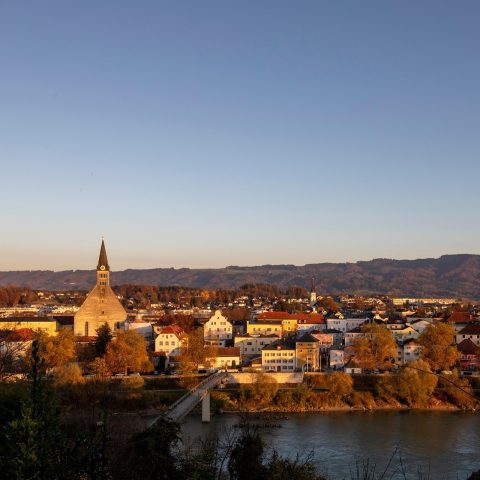
Salzburg, Austria
Mozart's birthplace sits just across the Austrian border, 90 minutes from Munich. The UNESCO-listed old town features Baroque architecture, the massive Hohensalzburg Fortress, and the Mirabell Gardens from The Sound of Music. Mozart's birthplace museum and residence preserve the composer's legacy. The cathedral where he was baptized and served as organist stands magnificently in the heart. Getreidegasse's narrow shopping street maintains medieval character. The Salzach River divides old and new towns. Castle views reward the funicular ride. Traditional coffee houses serve Sachertorte. Combine cultural sights with alpine backdrop for unforgettable day trip.
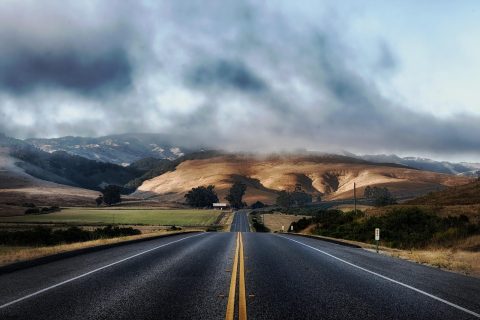
Romantic Road Route
Germany's most scenic driving route traverses 350 kilometers of medieval towns and castles. Starting in Würzburg, the route passes through Rothenburg ob der Tauber, Dinkelsbühl, Nördlingen (town in a meteor crater), and concludes at Füssen near Neuschwanstein. Each town preserves unique medieval character with intact walls, towers, and half-timbered houses. The countryside features rolling hills, vineyards, and pastoral landscapes. Complete the route over 2-3 days for leisurely exploration or select highlights for day trips. Organized coach tours available but independent driving offers flexibility. Spring bloom and autumn colors provide spectacular backdrops.
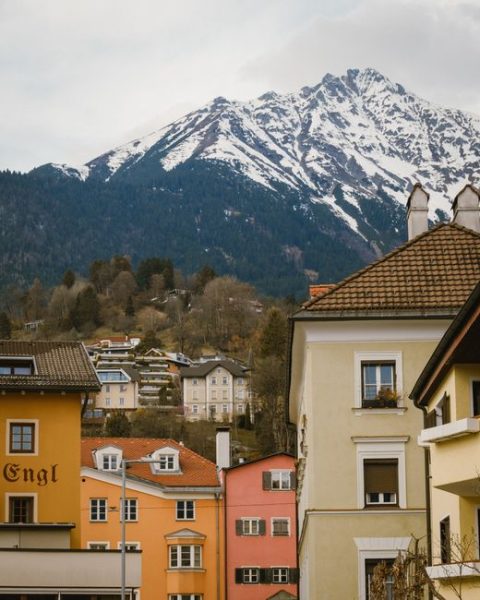
Innsbruck, Austria
The Tyrolean capital combines alpine sports with imperial heritage, two hours from Munich. The Golden Roof, a ornate balcony with 2,657 gilded copper tiles, symbolizes the city. Nordkette Cable Car whisks visitors from city center to 2,300-meter peaks in minutes - Europe's most dramatic urban-to-alpine transition. The old town features colorful houses and medieval arcades. Ambras Castle houses armor collections and Renaissance treasures. Ski jump towers from multiple Winter Olympics dot the landscape. Excellent museums cover Tyrolean folk culture, art, and mountaineering history. The combination of urban sophistication and immediate mountain access creates unique atmosphere.
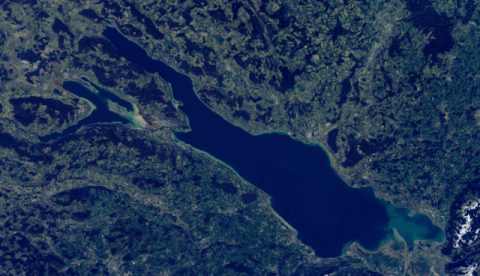
Lake Constance (Bodensee)
Central Europe's third-largest lake borders Germany, Austria, and Switzerland. The medieval island town of Lindau features harbor with Bavarian Lion statue and lighthouse. Mainau Island's gardens bloom spectacularly with millions of flowers. The Zeppelin Museum in Friedrichshafen documents airship history where they were built. Meersburg preserves medieval old town and hillside vineyards producing local wines. Lake cruises connect lakeside towns across three countries. The Alps provide dramatic southern backdrop. Cycling paths circle the entire lake. Water sports, swimming, and beach activities attract summer visitors. Waterfront promenades offer leisurely strolls with mountain views.
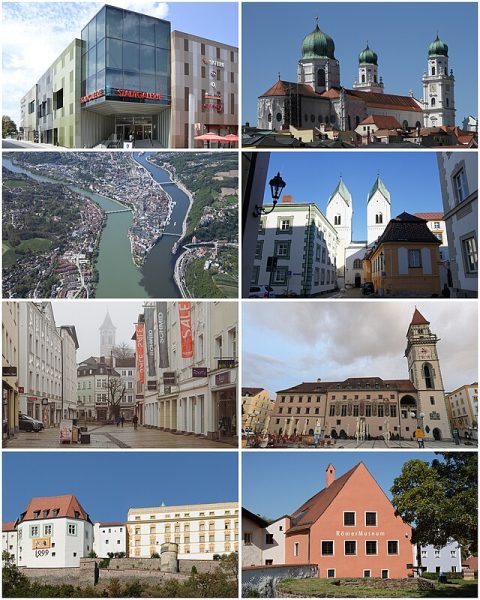
Passau (Three Rivers City)
Where the Danube, Inn, and Ilz rivers converge at the Austrian border, creating a dramatic confluence visible from Veste Oberhaus fortress. The Baroque old town features St. Stephen's Cathedral with the world's largest cathedral organ (17,974 pipes). Daily organ concerts demonstrate its power. Narrow lanes wind between colorful buildings reflecting Italian architectural influence. River cruise departures for longer Danube journeys depart from here. The bishop's residence and Christmas Museum warrant exploration. Viewpoints from both banks show the distinctive three-colored water mixing. This picturesque city makes an excellent eastern Bavaria base or day trip from Munich.
Tips for Day Trips & Excursions
- Many day trips easier with rental car for flexibility and multiple stops
- Train connections to Salzburg and Innsbruck frequent and scenic
- Romantic Road towns very crowded in summer - visit early or late in day
- Check passport validity for Austria day trips despite Schengen borders
- Consider overnight stays to experience day-trip destinations without rushing