Bavaria preserves layers of history from Roman settlements to medieval trade routes. Archaeological sites, preserved town walls, and historic city centers tell stories of emperors, merchants, and everyday life across millennia.
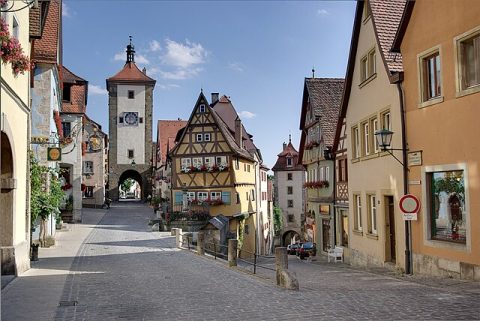
Rothenburg ob der Tauber
Germany's most perfectly preserved medieval town, appearing unchanged since the 17th century. Walk completely intact town walls with fortified gates and towers. The Market Square features the magnificent Town Hall with its Renaissance arcade and tower offering panoramic views. The Medieval Crime Museum displays instruments of punishment and medieval law. Half-timbered houses line cobblestone streets leading to Plönlein, the town's most photographed corner. Christmas Museum celebrates Käthe Wohlfahrt's year-round Christmas traditions. Despite tourist crowds, early mornings and evenings reveal authentic medieval atmosphere in this living museum.
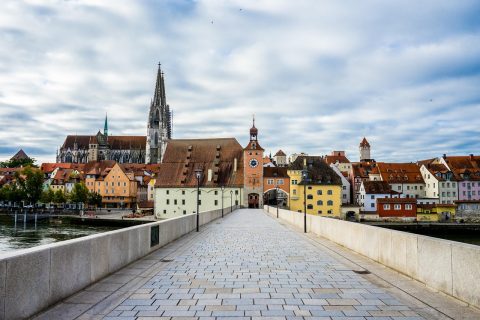
Regensburg Old Town
A UNESCO World Heritage medieval city center with over 2,000 years of history. The remarkably preserved Old Town features the 12th-century Stone Bridge, once the only Danube crossing for miles. Narrow alleys reveal Patrician towers built by wealthy merchant families in Italian style. The Porta Praetoria gates survive from Roman Castra Regina fortress. Gothic Regensburg Cathedral anchors the skyline. Historic sausage kitchen (Wurstkuchl) beside the bridge has served grilled sausages since 1146. The town's authentic medieval character, enhanced by thriving student population, creates vibrant atmosphere without feeling like a museum.
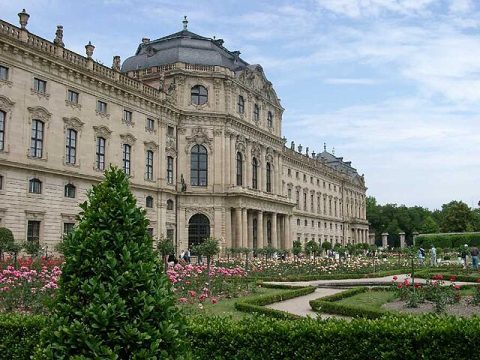
Würzburg Residence
A UNESCO World Heritage palace representing Baroque architecture's zenith. Prince-Bishop's residence features Tiepolo's monumental ceiling fresco covering the grand staircase - the world's largest fresco at over 600 square meters. The White Hall and Imperial Hall showcase rococo decoration at its finest. Court Chapel's breathtaking beauty demonstrates sacred Baroque art. Court Gardens (Hofgarten) offer sculptured terraces, fountains, and panoramic city views. The palace survived WWII bombing that destroyed much of Würzburg, making its preservation even more precious. Guided tours reveal princely luxury and power.
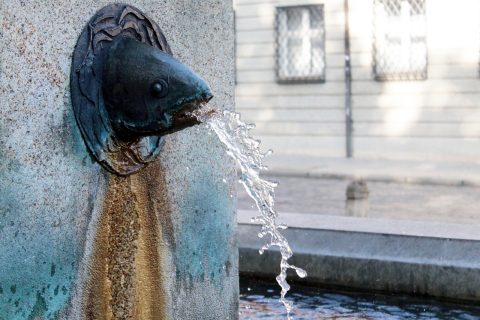
Augsburg Historic City Center
One of Germany's oldest cities (founded 15 BC), showcasing 2,000 years of European history. The magnificent Renaissance Town Hall with its Golden Hall represents civic pride's pinnacle. The Fuggerei, world's oldest social housing complex (1521), still houses residents paying symbolic annual rent. The Augsburg Water Management System, another UNESCO site, demonstrates innovative hydraulic engineering. Medieval Weavers' Quarter preserves textile industry heritage. St. Anne's Church contains Luther's 1518 reformation debates location. Maximilianstrasse, lined with patrician houses and fountains, ranks among Germany's finest Renaissance streets.
Berchtesgaden & Eagle's Nest
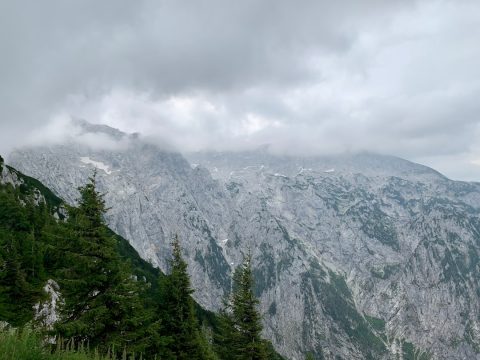
A mountain resort town with complex history, including Hitler's mountain retreat. The Eagle's Nest (Kehlsteinhaus) perches at 1,834 meters, accessible via dramatic mountain road and brass-lined elevator through solid rock. While built for Nazi leadership, the site now serves as historical documentation center and mountain restaurant. The Documentation Center Obersalzberg examines Third Reich history unflinchingly. Beyond this history, Berchtesgaden offers stunning Bavarian Alps scenery, salt mines with underground lakes, and access to Berchtesgaden National Park. The town's pre-Nazi heritage includes beautiful churches and traditional Bavarian architecture.
Tips for Ancient & Historical Sites
- Stay overnight in Rothenburg to experience the Night Watchman tour and morning tranquility
- Regensburg and Augsburg work well as day trips from Munich
- Eagle's Nest only accessible May-October due to snow
- Book Würzburg Residence tours in English to understand the complex history
- Combine multiple historic sites on the Romantic Road driving route