Plan your trip to Madrid
- How long
- 3 days; add a day trip to Toledo or Segovia (about 30 minutes by high-speed train).
- Best for
- Art lovers (the Prado, Reina Sofía and Thyssen within a short walk), food and tapas fans, night owls, and football fans.
- Skip it if
- You're visiting in July or August and dislike heat, or want a beach city.
If you only do three things
- The Prado Museum (free in the last two hours of the day), or all three big museums with the Paseo del Arte ticket (€32.80).
- The Royal Palace and Almudena Cathedral, then sunset at the Temple of Debod.
- Retiro Park and the Crystal Palace (interior closed for works), then tapas in La Latina or Malasaña.
A one-day route
- Morning: Royal Palace (book online), Almudena Cathedral and the Plaza de Oriente.
- Midday: Plaza Mayor and a menú del día lunch nearby (usually €12-18).
- Afternoon: Retiro Park (the Crystal Palace interior is closed for works), then the Prado for its free final two hours (6-8pm Monday-Saturday).
- Evening: Late tapas in La Latina (Cava Baja) or Malasaña; dinner starts around 9-10pm.
Before you go
- Airport taxis charge a fixed €33 to the centre; the airport Express bus costs €5 and runs 24 hours.
- Tourist travel pass (zone A, 2026): €10.30 for 1 day, €23.10 for 3 days, €43.20 for 7 days.
- Book the Royal Palace and Prado online in busy months; the Bernabéu Classic tour is €37 online.
- Spain has no minimum spend for tax-free shopping.
Prices, opening status and transport in this plan checked against official sources on 30 September 2026.
Things to do in Madrid
Madrid's iconic landmarks showcase centuries of royal history and architectural grandeur, from palatial residences to triumphal gates that define the city's majestic skyline.
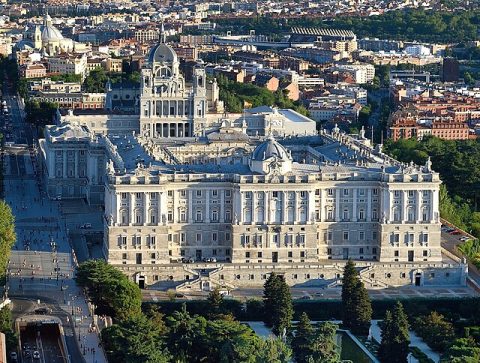
Royal Palace of Madrid (Palacio Real)
The largest royal palace in Western Europe boasts 3,418 rooms of breathtaking opulence. Marvel at the Throne Room's crimson velvet and gold detailing, the Royal Armory's medieval collection, and ceiling frescoes by Tiepolo. The palace remains the official residence of the Spanish Royal Family, though now used only for state ceremonies. Don't miss The regular Changing of the Guard takes place on Wednesdays and Saturdays; the formal Solemn Changing of the Guard is a separate monthly event, and explore the adjacent Sabatini Gardens for stunning palace views.
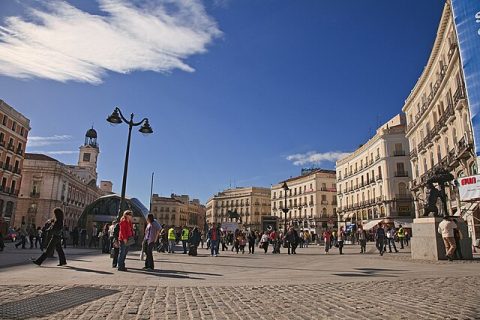
Puerta del Sol
Madrid's vibrant Kilometer Zero marker and the symbolic heart of Spain, where all radial roads begin. This bustling square features the iconic Tío Pepe neon sign, the Bear and Strawberry Tree statue (Madrid's symbol), and the clock tower where Spaniards gather each New Year's Eve to eat twelve grapes at midnight. The square pulses with street performers, historic cafés, and is surrounded by premier shopping streets.
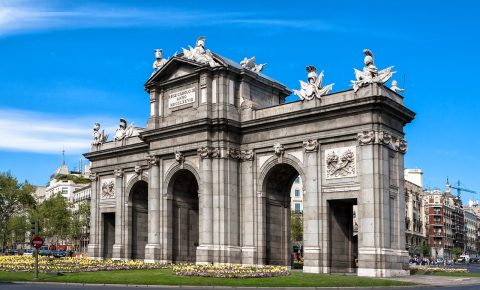
Puerta de Alcalá
This magnificent Neo-classical triumphal arch from 1778 stands proudly in Plaza de la Independencia. Commissioned by King Carlos III, it features five arches adorned with sculptural groups representing the cardinal virtues. Beautifully illuminated at night, it's one of Madrid's most photographed monuments and marks the entrance to the elegant Retiro Park.
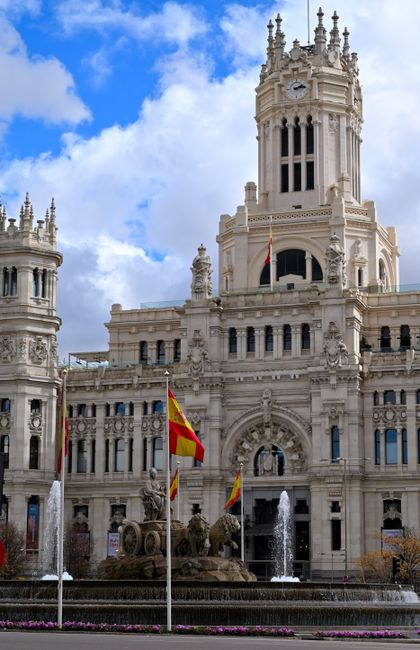
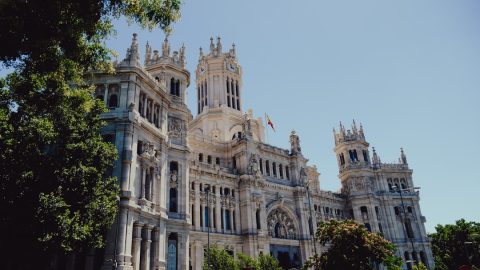
Cibeles Fountain and Palace
The stunning Fuente de Cibeles depicts the goddess Cybele on a chariot drawn by lions, serving as an iconic symbol of Madrid. The adjacent Cibeles Palace (formerly the Communications Palace) now houses the City Hall and features a spectacular rooftop terrace, Palacio CentroCentro, offering panoramic city views. Real Madrid fans traditionally celebrate victories here, making it a site of passionate football celebrations.
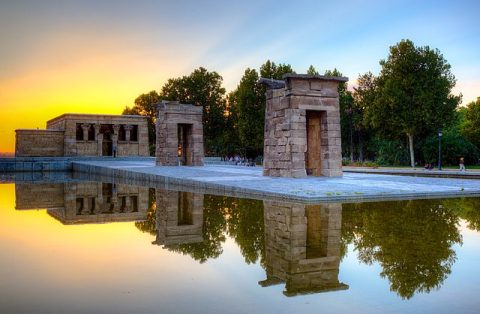
Temple of Debod
An authentic ancient Egyptian temple dating from the 2nd century BC, gifted to Spain in 1968. This remarkable structure was dismantled and rebuilt stone-by-stone in Madrid's Parque del Oeste. The temple’s water feature is dry; the city has approved a restoration project. Free entry makes it an unmissable cultural treasure.
Tips for Landmarks & Monuments
- Book Royal Palace tickets online to skip long queues, especially during peak season
- Visit the Temple of Debod at sunset for magical golden hour photography
- The formal Changing of the Guard at the Royal Palace takes place at noon on the first Wednesday of most months; check the Patrimonio Nacional calendar
- Access the CentroCentro rooftop terrace for stunning 360° city views
Madrid's Golden Triangle of Art houses some of the world's finest collections, from Spanish masters to contemporary installations, making the city an unmissable destination for art lovers.
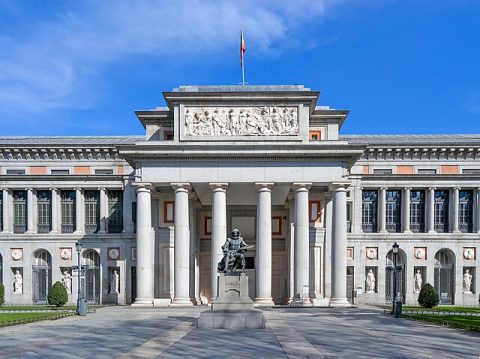
Museo del Prado
One of the world's premier art museums, the Prado houses over 8,000 paintings including the finest collections of Velázquez, Goya, El Greco, and Bosch. Must-see masterpieces include Velázquez's Las Meninas, Goya's The Third of May 1808 and his haunting Black Paintings, Bosch's The Garden of Earthly Delights, and works by Rubens, Titian, and Raphael. The museum's neoclassical building and expansion by Rafael Moneo create an inspiring setting for European art from the 12th to early 20th century.
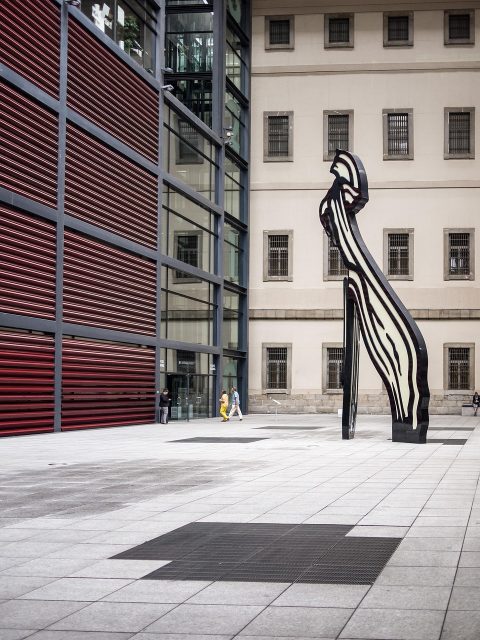
Museo Reina Sofía
Spain's national museum of 20th-century art, internationally renowned for housing Picasso's monumental anti-war masterpiece Guernica. The collection spans Spanish art from 1900 to 1980, featuring Salvador Dalí, Joan Miró, Juan Gris, and Antoni Tàpies. The striking glass elevator additions by Jean Nouvel complement the original 18th-century hospital building. Explore surrealism, cubism, and Spain's artistic response to political upheaval through rotating exhibitions and permanent galleries.
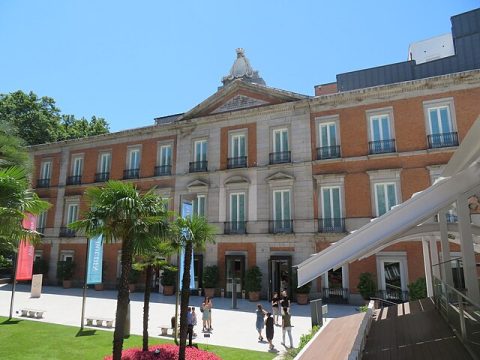
Thyssen-Bornemisza Museum
This exceptional museum completes Madrid's Golden Triangle, featuring nearly 1,000 works spanning eight centuries. The collection fills gaps left by the Prado and Reina Sofía, with exceptional holdings in Italian primitives, German Renaissance, Dutch masters, Impressionism, and American art. Highlights include works by Caravaggio, Dürer, Monet, Van Gogh, Kandinsky, and Hopper. The Villahermosa Palace setting and manageable size make it perfect for a comprehensive art history journey.
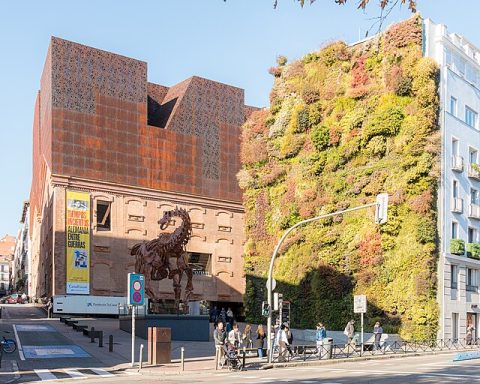
CaixaForum Madrid
A stunning contemporary cultural center housed in a converted power station with a dramatic vertical garden façade by Patrick Blanc. The rust-red building appears to float above the plaza. CaixaForum hosts world-class temporary exhibitions ranging from ancient civilizations to contemporary art, photography, and multimedia installations. The top-floor café offers views of the botanical wall and Paseo del Prado.
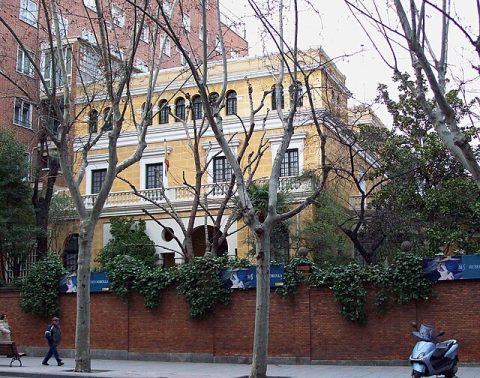
Sorolla Museum
Closed for expansion and restoration; the enlarged museum is due to reopen on 15 October 2026. The former home and studio of Spain's master of light, Joaquín Sorolla, showcases his luminous Mediterranean beach scenes and portraits. This intimate museum preserves the artist's personal environment, including his Andalusian-style garden with fountains and glazed tiles. The collection of over 1,200 works reveals Sorolla's evolution and his extraordinary ability to capture Spanish sunlight and coastal life with impressionistic brilliance.
Tips for Museums & Galleries
- Buy the Paseo del Arte card (€32.80 in 2026) for discounted entry to Prado, Reina Sofía, and Thyssen-Bornemisza
- Free admission hours: Prado (Mon-Sat 6-8pm, Sun 5-7pm), Reina Sofía (Mon/Wed-Sat 7-9pm, Sun 12:30-2:30pm)
- Book timed entry tickets online weeks in advance for major museums
- Start early at the Prado arrive at opening to avoid crowds at Las Meninas and Guernica
- Download museum apps for self-guided tours and detailed artwork information
Madrid's sacred architecture spans centuries, from medieval origins to baroque splendor, offering peaceful sanctuaries and artistic treasures amid the bustling capital.
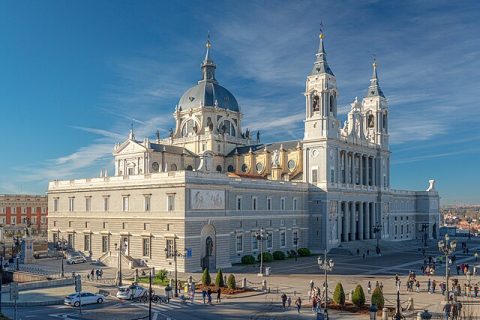
Almudena Cathedral
Madrid's grand cathedral, completed in 1993, stands opposite the Royal Palace with a striking neo-Gothic interior and neoclassical façade. The stunning modern stained glass, colorful ceiling paintings, and crypt create an unexpected contemporary feel. Climb to the dome for spectacular palace and city views. The cathedral hosts royal ceremonies and houses the venerated image of the Virgin of Almudena, Madrid's patron saint.
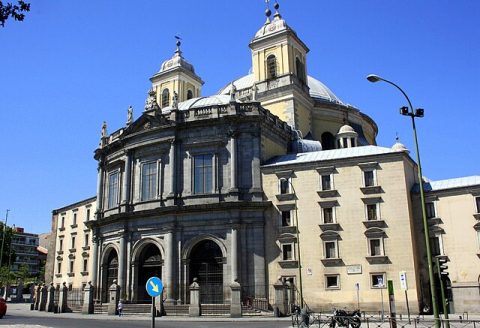
San Francisco el Grande Basilica
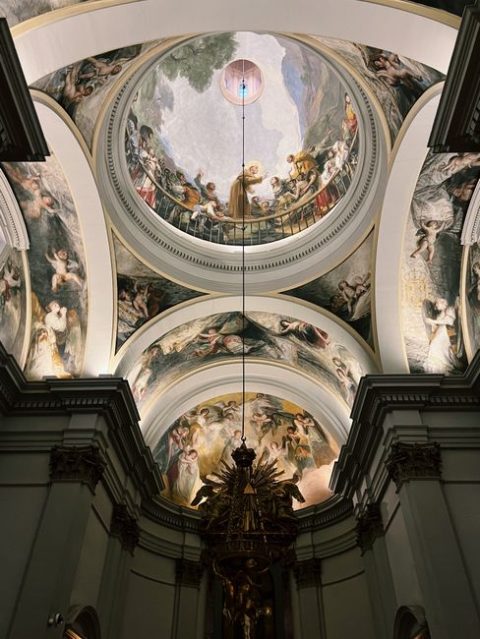
This magnificent basilica features one of the largest church domes in Christendom (33 meters diameter), rivaling St. Peter's Basilica. The neoclassical interior dazzles with opulent gold leaf, marble columns, and exceptional 19th-century frescoes. Art lovers appreciate Goya's early work San Bernardino de Siena Preaching. The chapels surrounding the rotunda contain masterpieces by Spanish painters, making this an underrated artistic gem.

San Jerónimo el Real
Known as Los Jerónimos, this 16th-century church beside the Prado Museum has witnessed royal ceremonies and weddings, including that of the future Alfonso XIII in 1906. The Gothic-style architecture and serene cloister provide a peaceful retreat. Its proximity to the Prado makes it an ideal spiritual pause during museum visits. The church's historical significance in Spanish monarchy adds gravitas to its architectural beauty.
Tips for Religious Sites
- Dress modestly when visiting churches (covered shoulders and knees)
- Combine Almudena Cathedral with Royal Palace visits they're adjacent
- Visit San Francisco el Grande in the morning when light illuminates the dome
- Many churches close midday (2-5pm) for siesta plan accordingly
Madrid's grand plazas and animated streets form the city's social heart, where historic architecture meets vibrant street life, outdoor terraces, and endless people-watching opportunities.
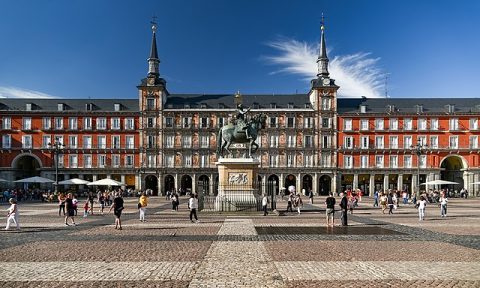
Plaza Mayor
Madrid's magnificent main square, built in 1619, features 237 balconies overlooking the cobblestoned plaza surrounded by ochre-colored buildings. The equestrian statue of Philip III commands the center. Once hosting bullfights, executions, and royal ceremonies, today it's filled with terrace cafés, street artists, and the famous Sunday stamp and coin market. The Casa de la Panadería's colorful frescoes dominate the north side. Nine arched gateways lead to surrounding streets.
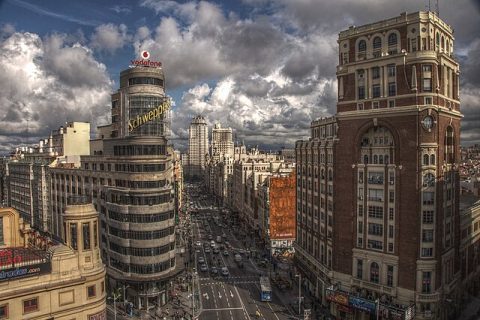
Gran Vía
Madrid's most famous street, the Spanish Broadway, dazzles with early 20th-century architecture, flagship stores, theaters, and cinematic rooftop bars. Built between 1910-1931, the 1.3km boulevard showcases eclectic architectural styles from art nouveau to art deco. Landmark buildings include Edificio Telefónica, Edificio Metrópolis with its winged statue, and Edificio Grassy. Day or night, Gran Vía pulses with energy, shopping, entertainment, and spectacular neon signs after dark.
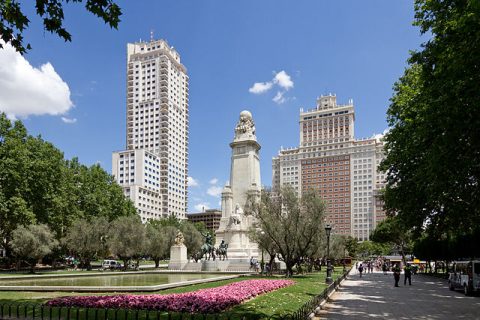
Plaza de España
Recently redesigned as a green pedestrian space, this expansive square features the iconic Cervantes Monument with bronze statues of Don Quixote and Sancho Panza. The surrounding area offers views of the Torre de Madrid and Edificio España skyscrapers. The renovated plaza now provides shaded walkways, fountains, and relaxation spaces, making it a pleasant stop between the Royal Palace and Gran Vía.
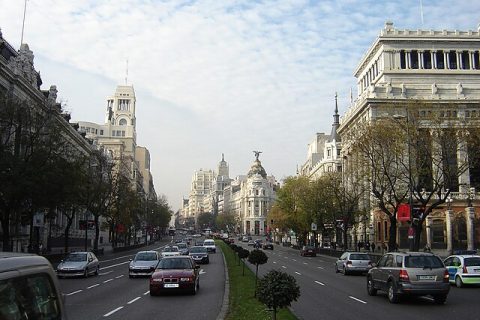
Calle de Alcalá
One of Madrid's longest and most historic streets, running from Puerta del Sol to the city's eastern edges. This elegant thoroughfare passes major landmarks including the Metropolis Building, Bank of Spain, and Puerta de Alcalá. The mix of neoclassical and modern architecture reflects Madrid's evolution. The street's eastern section leads to Las Ventas bullring, while the central portion offers upscale shopping and historic buildings.
Tips for Squares & Streets
- Visit Plaza Mayor early morning or late evening to avoid tourist crowds
- Gran Vía is perfect for sunset photography with golden light on buildings
- Terrace dining in Plaza Mayor is pricey venture to side streets for better value
- Walk Gran Vía at night to see the spectacular illuminated façades
Each Madrid neighborhood offers distinct character, from medieval alleyways to avant-garde galleries, bohemian markets to upscale boutiques, revealing the city's multifaceted personality.
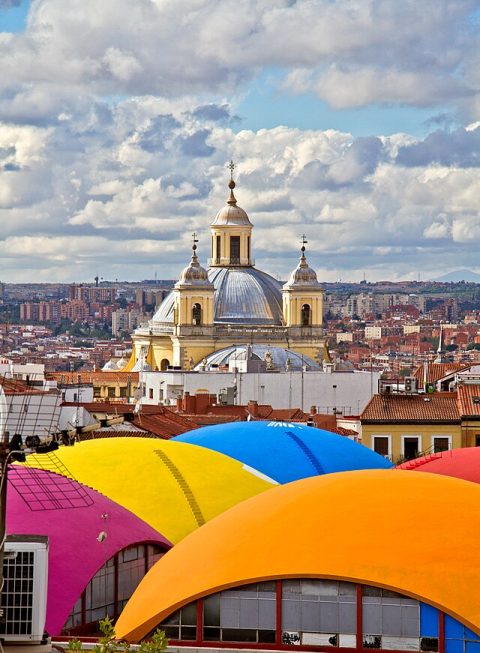
La Latina
The historic tapas capital of Madrid, La Latina's medieval streets wind through the oldest part of the city. Sunday at El Rastro flea market is legendary, followed by cañas (small beers) and tapas crawls along Cava Baja and Cava Alta. Traditional taverns serve classic Madrid cuisine alongside modern gastrobars. The neighborhood's intimate plazas, ancient churches, and authentic atmosphere capture old Madrid's soul. Terrace-lined Plaza de la Paja offers medieval charm.
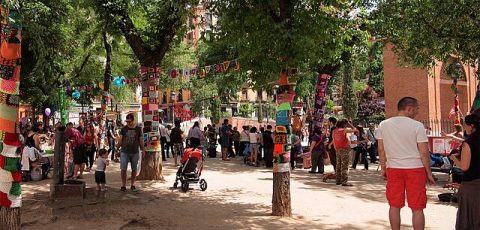
Malasaña
Madrid's hipster heart, Malasaña bursts with creative energy, vintage shops, street art, indie boutiques, and alternative culture. Named after heroine Manuela Malasaña, this neighborhood was ground zero for the 1980s Movida Madrileña countercultural movement. Explore Plaza del Dos de Mayo's terrace bars, discover vinyl shops, tattoo parlors, and vegan eateries. The area transforms nightly with bars and clubs attracting young crowds. Graffiti-covered walls and eclectic fashion make it Instagram gold.
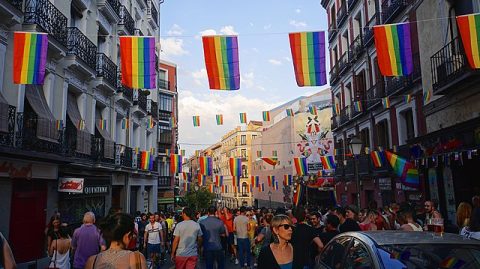
Chueca
Madrid's vibrant LGBTQ+ neighborhood, Chueca celebrates diversity with rainbow crosswalks, trendy bars, boutique shopping, and exceptional dining. The area around Plaza de Chueca radiates cosmopolitan energy with outdoor terraces perfect for people-watching. Design shops, gourmet markets like Mercado de San Antón, contemporary art galleries, and stylish cocktail bars define the district. The neighborhood hosts Madrid Pride, one of Europe's largest, transforming into a massive celebration each July.
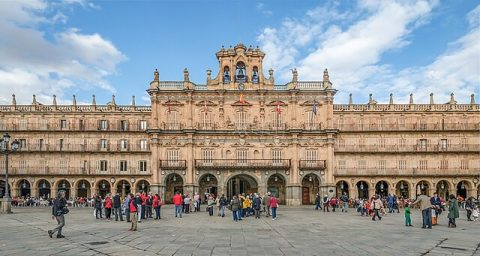
Salamanca
Madrid's most elegant and exclusive neighborhood, featuring tree-lined boulevards, luxury boutiques, Michelin-starred restaurants, and aristocratic architecture. The Golden Mile along Calle Serrano and Calle Ortega y Gasset showcases international designer flagships. Art galleries, antique shops, and gourmet markets (Platea, Mercado de la Paz) reflect refined tastes. The orderly grid layout and belle époque buildings create a sophisticated atmosphere distinct from Madrid's winding medieval quarters.
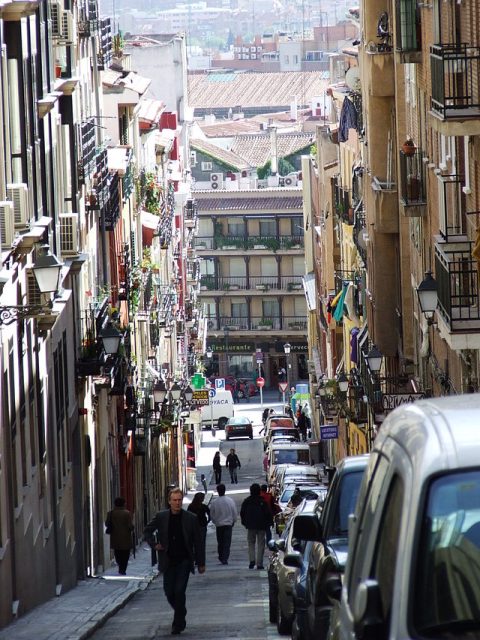
Lavapiés
Madrid's most multicultural and bohemian neighborhood, where Spanish traditions blend with immigrant communities from around the world. Street art covers building façades, alternative theaters and art spaces thrive, and international restaurants serve cuisine from South Asia, Africa, and the Middle East. The gritty-authentic atmosphere attracts artists and students. Tabacalera cultural center and community gardens represent grassroots creativity. Gentrification debates add urban edge to this evolving barrio.
Tips for Neighborhoods & Districts
- Sunday in La Latina: El Rastro market (9am-3pm) then tapas on Cava Baja (arrive by 1pm for tables)
- Malasaña comes alive after 10pm perfect for late-night bar hopping
- Salamanca shopping: visit Tuesday-Saturday when all boutiques are open
- Exercise caution with belongings at El Rastro flea market crowded areas attract pickpockets
Madrid's green spaces offer peaceful escapes with grand monuments, boating lakes, rose gardens, and shaded pathways perfect for picnics, jogging, or afternoon siestas under Spanish skies.
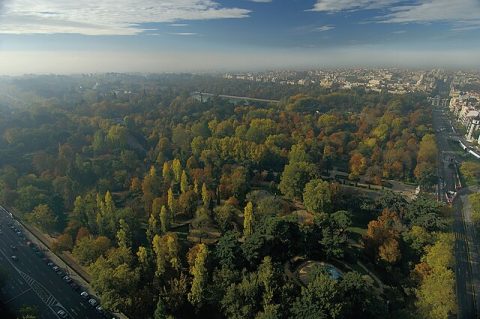
Retiro Park (Parque del Buen Retiro)
Madrid's magnificent About 125 hectares (309 acres), with more than 15,000 trees., a UNESCO World Heritage Site, offers endless delights. Row on the ornamental lake beneath the Alfonso XII Monument, see the Crystal Palace (Palacio de Cristal; its interior is temporarily closed for works), stroll through the formal French gardens, and discover over 15,000 trees including 167 catalogued as historic. The Rosaleda rose garden blooms spectacularly in spring. Street performers, puppet shows, fortune tellers, and book fairs animate weekends. The park's statues, fountains, and peaceful corners provide urban sanctuary.
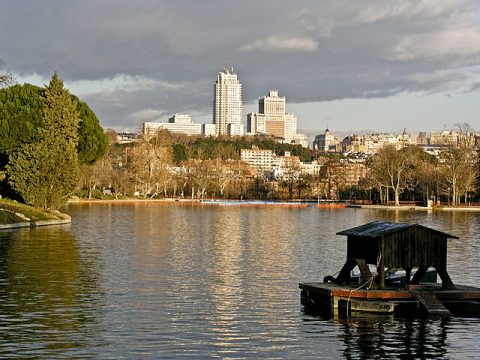
Casa de Campo
Europe's largest urban park, this 4,000-acre former royal hunting estate offers forests, lakes, an amusement park, zoo, and cable car with spectacular city views. Popular for cycling, running, and weekend picnics, Casa de Campo provides true wilderness escape minutes from downtown. The cable car is closed for full renewal; the city expects service to resume between late 2027 and early 2028. The park houses Madrid Zoo, Parque de Atracciones theme park, and extensive outdoor recreation areas.
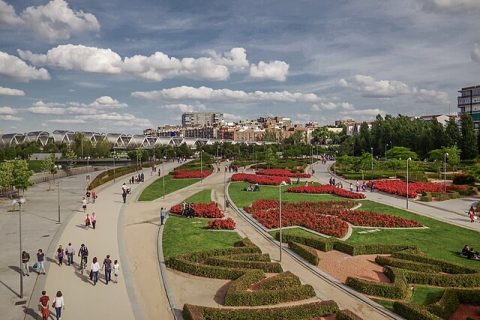
Madrid Río
This innovative urban park along the Manzanares River transformed Madrid's waterfront with 10km of cycling paths, gardens, playgrounds, outdoor gyms, and cultural venues. The project buried the M-30 highway underground, reclaiming the riverbanks. Highlights include the Arganzuela footbridge, beach areas for summer cooling, and views of the Royal Palace and Almudena Cathedral. Perfect for jogging, cycling, or leisurely walks through contemporary landscape design.
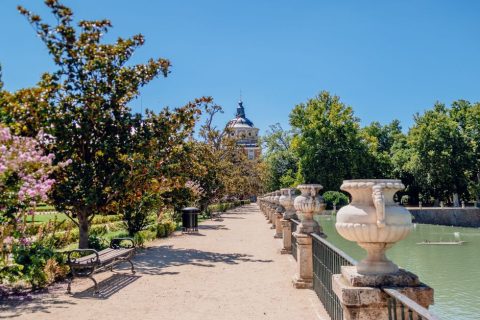
Royal Botanical Garden
Adjacent to the Prado Museum, this historic 8-hectare garden founded in 1755 showcases over 5,000 plant species from around the world. Organized into thematic sections including European flora, medicinal plants, and a spectacular rose garden, the manicured beds and greenhouses provide botanical education and peaceful contemplation. The neoclassical layout and seasonal blooms make it especially beautiful in spring. A serene complement to museum visits.
Tips for Parks & Gardens
- Rent rowboats at Retiro Park's Estanque Grande (€6 for 45 minutes) perfect romantic activity
- The Crystal Palace interior is temporarily closed for works; the exterior and lake are still worth seeing
- The Casa de Campo cable car (Teleférico) is closed for refurbishment until about early 2027
- Retiro Park is most magical Sunday mornings arrive early for peaceful atmosphere before crowds
Immerse yourself in Madrid's culture through flamenco shows, culinary experiences, football passion, and guided explorations that reveal the city's authentic spirit and hidden gems.
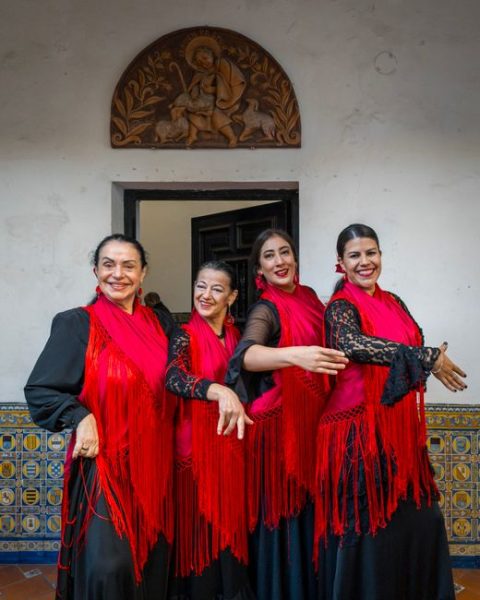
Flamenco Show
Experience the soul-stirring passion of authentic flamenco at intimate tablaos (flamenco venues). Top venues include Corral de la Morería (oldest tablao, Michelin-starred restaurant), Cardamomo (intimate Salamanca location), an d Las Carboneras (traditional La Latina setting). Witness the raw emotion of cante (singing), the percussive footwork, and dramatic guitar accompaniment. Most shows include dinner or drink options. Book ahead for prime seating near the stage. The art form's intensity and improvisation create unforgettable evenings of Spanish cultural heritage.
Tapas & Wine Tasting Tour
Join expert-led culinary walking tours through historic neighborhoods, sampling traditional tapas paired with Spanish wines. Discover hidden bars locals frequent, learn the art of tapeo (tapas hopping), and taste regional specialties like jamón ibérico, croquetas, patatas bravas, and tortilla española. Tours typically visit 4-5 establishments, combining food education with cultural insights. La Latina, Austrias, and Lavapiés offer the best routes for authentic experiences and social atmosphere.
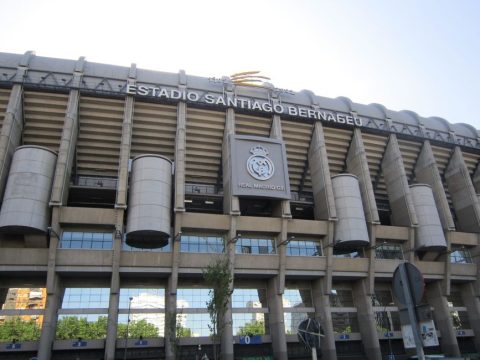
Santiago Bernabéu Stadium Tour
Explore the legendary home of Real Madrid CF, one of football's most successful clubs. The comprehensive stadium tour includes the trophy room showcasing 15 Champions League titles, players' tunnel, dugouts, press room, and panoramic pitch views. The museum displays historical memorabilia, Ballon d'Or awards, and interactive exhibits. Match day experiences are unforgettable secure tickets months in advance for El Clásico against Barcelona or Champions League fixtures. The renovated stadium, with its retractable roof, is open for tours: the Classic tour costs from €37 online (€40 at the ticket office).
Cooking Classes
Learn to prepare authentic Spanish cuisine with hands-on cooking classes led by local chefs. Master paella, gazpacho, tortilla española, and traditional desserts like churros or flan. Classes typically begin with market visits to source fresh ingredients, followed by preparation and a communal meal with wine pairings. Take home recipes, techniques, and culinary memories. Options range from casual home-style cooking to professional culinary workshops.
Bike Tours
Explore Madrid efficiently on guided bicycle tours covering major landmarks, parks, and neighborhoods. Routes typically include Retiro Park, Royal Palace, Plaza Mayor, and Madrid Río. Electric bike options make hills manageable. Night tours offer illuminated monuments and cooler temperatures. Small group sizes ensure personalized attention. Most tours provide helmets, water, and knowledgeable guides sharing history and local tips. Excellent introduction to Madrid's geography and orientation.
Segway Tours
Glide through Madrid's streets and parks on Segway tours that combine fun with sightseeing. After brief training, explore extensive areas including Retiro Park, Habsburg Madrid, or Madrid Río. The effortless mobility allows coverage of more ground than walking while remaining engaging and entertaining. Tours accommodate various skill levels and include safety equipment, guides, and stops for photos and explanations of historical sites.
Tips for Tours & Activities
- Flamenco: Book early evening shows (7-8pm) rather than late night for better energy and quality
- For tapas tours, skip lunch you'll eat plenty during the 3-4 hour experience
- Real Madrid match tickets: Buy official tickets at realmadrid.com avoid scalpers and third-party sites
- Cooking classes: Choose morning sessions that include market visits for the full experience
- Free walking tours available tip guides €10-15 based on satisfaction
Madrid's central location makes it the perfect base for exploring UNESCO World Heritage cities, royal palaces, medieval walls, and stunning Castilian landscapes within easy reach.
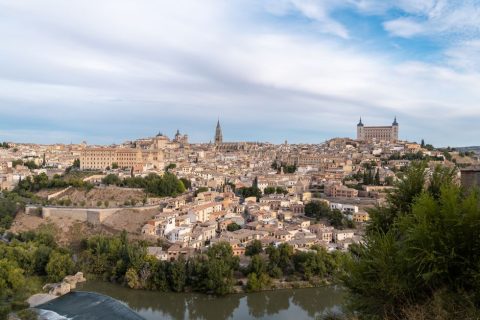
Toledo
The City of Three Cultures, just 30 minutes by high-speed train, is a living museum where Christian, Jewish, and Islamic heritage intertwine. This UNESCO World Heritage Site perches dramatically above the Tagus River with medieval walls encircling narrow cobblestone streets. Must-see sites include the Gothic Cathedral with its Transparent altarpiece, El Greco's paintings throughout the city, the Alcázar fortress, synagogues, and mosques converted to churches. The city's famous Damascene metalwork and marzipan make perfect souvenirs. Allow a full day to absorb Toledo's timeless atmosphere.
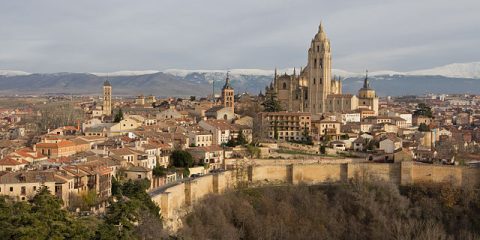
Segovia
Home to the most impressive Roman aqueduct in Spain, Segovia enchants with its perfectly preserved first-century engineering marvel featuring 167 arches. The fairy-tale Alcázar castle, reportedly Walt Disney's Cinderella Castle inspiration, dominates the skyline with its distinctive ship-like shape. The Gothic cathedral and Plaza Mayor add to the medieval charm. Don't miss cochinillo asado (roast suckling pig) at historic restaurants like Cándido or José María. Located 90 minutes by train, Segovia offers compact sightseeing and spectacular views.
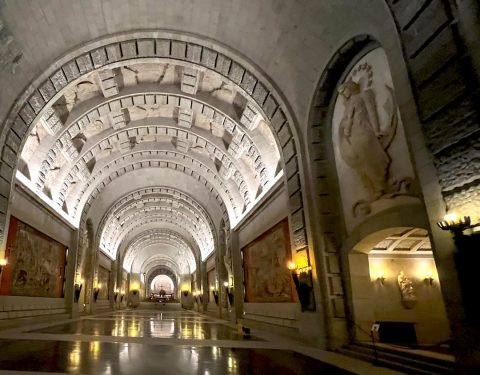
El Escorial & Valley of Cuelgamuros
The Royal Monastery of San Lorenzo de El Escorial, a UNESCO site, served as King Philip II's royal palace, monastery, and mausoleum. This austere Renaissance complex houses royal tombs, a magnificent library, art collections, and the basilica. The scale and symmetry reflect Habsburg power. Nearby, the controversial Valley of Cuelgamuros (formerly the Valley of the Fallen) monument carved into mountainside commemorates Spanish Civil War dead. Located 50km from Madrid, accessible by train or bus. The surrounding Sierra de Guadarrama offers mountain scenery.
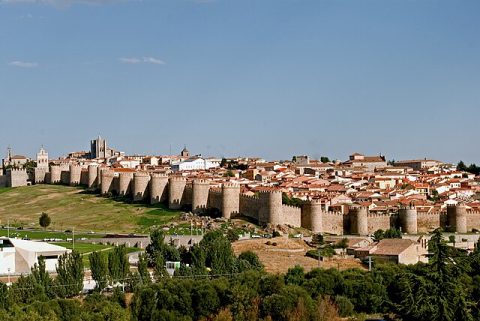
Ávila
The best-preserved medieval walls in Spain completely encircle Ávila's historic center with 88 towers and 9 gates. This UNESCO-listed city, birthplace of Saint Teresa, sits at Spain's highest altitude (1,131m). Walk atop the 12th-century walls for panoramic views, visit the Gothic cathedral built into the fortifications, and explore Teresa of Ávila's convent and museum. The city's mystical atmosphere, stone architecture, and authentic Castilian cuisine (chuletón steak specialty) reward the 90-minute journey from Madrid.
Aranjuez Royal Palace
The spring residence of Spanish royalty, Aranjuez captivates with its baroque palace, extensive gardens, and riverside setting along the Tagus. The ornate interior rooms showcase royal luxury, while the grounds feature the Parterre Garden, Island Garden, and Prince's Garden with fountains and tree-lined avenues. The historic Strawberry Train (Tren de la Fresa) operates weekends spring-fall with period costumes and strawberry service. Located 48km south, easily reached by train. UNESCO recognition honors the cultural landscape.
Tips for Day Trips & Excursions
- High-speed trains (AVE/Avant) to Toledo and Segovia book quickly reserve seats in advance at renfe.com
- Start day trips early (8-9am train) to maximize time and beat tour groups
- Toledo: Skip the tourist traps near cathedral; best restaurants are uphill in Judería
- Segovia: Wear comfortable shoes the city is built on steep terrain
- Consider guided day trip tours for stress-free transportation and skip-the-line access
Madrid does not have a single mega Christmas market like Vienna or Strasbourg, but its holiday season is still full of character: a centuries-old market stall tradition in Plaza Mayor, dazzling street lights along Gran Via, and quirky local customs that build toward a lively Nochevieja (New Year's Eve). December 2026 visitors can expect the historic square market, animated department-store window shows, a seasonal ice rink, and the citywide countdown at Puerta del Sol.
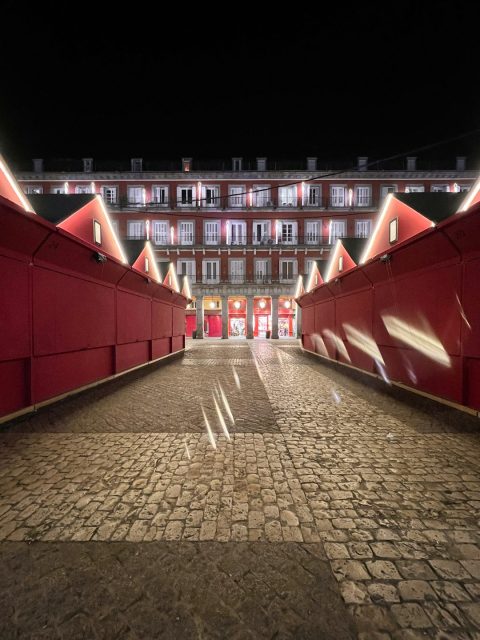
Plaza Mayor Christmas Market
The Mercadillo de Navidad de la Plaza Mayor is Madrid's oldest and most beloved holiday market, with stalls that have occupied the arcaded square since the 19th century. Expect around 100 wooden booths selling hand-painted belen (nativity scene) figurines, tree ornaments, fake snow, and traditionally silly items like wigs, fake mustaches, and gag gifts once used to prank family members during festive gatherings. Hot chestnut vendors and churro stands line the perimeter, and the square's own lights make it a photogenic stop after dark. It usually runs from late November to 31 December. It gets crowded on weekends, so an early weekday visit is easiest for browsing without the crush.
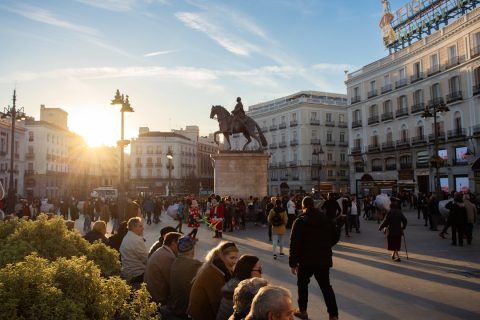
Puerta del Sol New Year's Eve
Madrid's most iconic winter holiday moment happens on December 31 at Puerta del Sol, where crowds gather beneath the clock tower of the Casa de Correos to eat twelve grapes, one on each chime of midnight, a Spanish good-luck tradition broadcast live across the country. The square fills early with a festive, celebratory crowd, street vendors sell lucky red underwear and party favors, and the countdown is followed by fireworks and citywide celebration. Arriving several hours ahead is standard practice to secure a spot with a view of the clock, and dressing warmly is essential for the long wait. It is a quintessential way to close out a Madrid Christmas season visit.
Gran Via Christmas Lights
Each December Madrid's city hall strings elaborate illuminations along Gran Via and the surrounding shopping streets, turning the boulevard into an open-air light display. Themes and designs change year to year, but the effect is consistently spectacular: arches of light spanning the avenue, animated motifs, and shop windows dressed in their own festive scenes. The switch-on typically happens in late November and the lights stay up through early January, timed to the wider holiday season. Walking the route from Plaza de España toward Puerta del Sol in the evening is a free, easy way to soak up Madrid's Christmas atmosphere, especially when paired with a stop for hot chocolate and churros along the way.
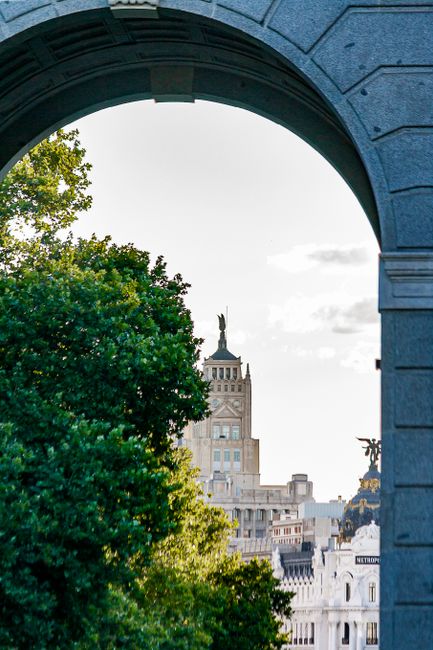
Cortylandia
Cortylandia is a beloved Madrid tradition: animated, music-driven puppet shows staged on the facade windows of the El Corte Ingles department store near Puerta del Sol. Mechanical characters dance and act out a short storyline synced to festive music, drawing crowds of families onto the street below several times a day throughout December. The tradition dates back decades and has become as much a part of Madrid Christmas as the lights themselves. Shows are free, brief, and repeat throughout the day, making it easy to fit in between other stops in the historic center. Arrive a few minutes early to secure a clear view, since the sidewalk fills up fast when a show is about to start.
Retiro Park Ice Rink
Every winter a temporary ice skating rink is set up near Retiro Park, giving locals and visitors a chance to skate under bare winter trees a short walk from the Christmas lights of the city center. The rink usually operates from late November or early December through early January, with rentals available on site for those without their own skates. It is a relaxed, family-friendly complement to the market stalls and window displays elsewhere in the city, and the surrounding park makes a pleasant stop for a winter stroll before or after skating. Exact hours and the operator can shift slightly year to year, so checking the day of your visit is worthwhile.
Tips for Christmas Market
- Madrid's December weather is cold but rarely freezing, so layer up with a warm coat rather than heavy winter gear.
- Visit Plaza Mayor's market on a weekday morning to browse without the weekend crowds.
- Bring small cash for market stalls, as many vendors do not accept cards.
- Book a table well in advance for Nochevieja dinner, and claim a spot at Puerta del Sol at least two hours before midnight if joining the grape tradition.
- Check official Madrid tourism sources close to your travel date, since exact opening dates for the market and ice rink can shift slightly year to year.
When the sun goes down, Madrid barely slows down, locals famously eat dinner at 10pm and keep going well past 3am. From candlelit cocktail dens to rooftop terraces overlooking the skyline and clubs that spin until sunrise, the citys nightlife rewards those willing to stay up late.
Rooftop Terraces of Gran Vía and Centro
Madrid rooftop bars turn hotel terraces into some of the citys best nightlife venues, with sweeping views over domed rooftops and the Gran Vía skyline. Expect DJ sets at dusk, curated cocktail menus, and a dress-to-impress crowd sipping gin and tonics as the city lights flicker on below. Many terraces require reservations, especially on weekends when they fill quickly with both visitors and locals celebrating birthdays or simply the end of the week. Golden hour is the best time to arrive, as tables are easier to snag and the light over the rooftops is spectacular. Later in the evening the mood shifts, with lounge music giving way to livelier beats. Dress codes are often enforced, particularly at higher-end venues.
Sala Joy Eslava
Housed in a converted 19th-century theatre near Puerta del Sol, this club is one of Madrids longest-running nightlife institutions. Ornate balconies and a grand stage now frame a packed dance floor rather than a live orchestra, giving the space a theatrical, slightly surreal energy. The music mix leans toward commercial house and pop remixes, drawing a blend of tourists and Madrid regulars looking for a reliable, high-energy night out. Doors typically open late, and the crowd doesnt peak until well after midnight, in true Madrid fashion. It works well as either a starting point before moving on to smaller clubs, or as a destination in itself for those who want to dance until the early hours. Entry may include a drink, and queues can form quickly after 1am.
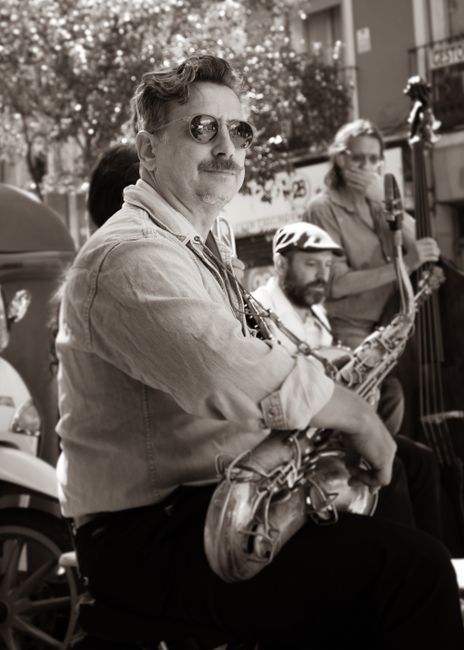
Live Jazz at Café Central
Since April 2026 at the Ateneo de Madrid (it left its old Art Deco room near Plaza de Santa Ana), this venue is considered one of Europes finest small jazz clubs, hosting both established international names and rising talent. The intimate room means every seat feels close to the stage, and the acoustics are warm and unamplified-friendly, suited to trios and quartets rather than large bands. Shows usually run in the evening with a cover charge that includes a full set, and a drink from the bar keeps the mood relaxed rather than rushed. Its a favourite among music lovers who want substance over spectacle, and reservations are recommended for weekend performances since tables fill fast. Arriving early secures a spot near the stage and time to enjoy a pre-show drink at the elegant bar.
Chueca and Malasaña Bar Crawl
These neighbouring districts hold Madrids densest concentration of independent bars, from vermouth taverns to vinyl-and-cocktail dens tucked behind unmarked doors. A self-guided crawl through the narrow streets around Plaza del Dos de Mayo and Calle de Pelayo turns up everything from craft gin bars to speakeasy-style spots requiring a knock or password. The vibe is younger and more alternative than the polished clubs of Centro, with a strong LGBTQ+ presence and a genuinely mixed, welcoming crowd. Bars here rarely enforce dress codes, and prices tend to be friendlier than in the tourist-heavy core. Its best explored slowly, popping into whichever door looks interesting, since the joy is in discovery rather than sticking to a checklist. Weeknights are quieter and easier for conversation, while weekends bring a livelier, more crowded buzz.
Kapital Discoteca
A seven-floor mega-club near Atocha, Kapital is Madrid nightlife on a grand scale, with each level dedicated to a different genre or atmosphere, from reggaeton and hip-hop to house and even a karaoke floor. The building includes a rooftop terrace and multiple bars, making it possible to spend an entire night moving between spaces without ever repeating the same scene. Its popular with a younger, high-energy crowd and international visitors, and the sheer scale means it rarely feels empty even on weeknights. Smart casual dress is expected, and queues can be long, so arriving before midnight helps avoid the wait. Its less about intimacy and more about spectacle, with light shows and a party-all-night atmosphere that runs until sunrise.
Tips for Nightlife & Entertainment
- Madrid nightlife runs on a late clock, most locals do not arrive at clubs before 1am, so pace your evening accordingly
- Book rooftop terraces in advance during summer weekends, as tables disappear quickly at sunset
- Carry ID, most clubs and late bars check age even if you are clearly of legal drinking age
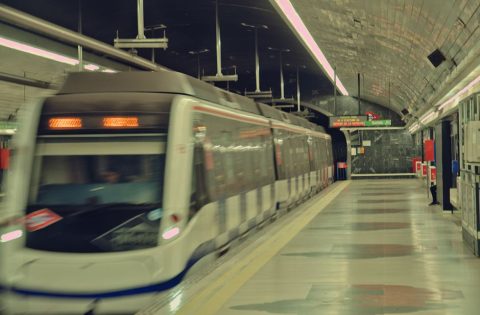
- The Metro runs until about 1:30am; after that, use night buses (búhos), a taxi or a rideshare
- Dress smart casual for clubs in Centro, some doormen are strict about trainers and shorts
Madrid rewards young travelers with roaring lions, splashing dolphins, roller coasters, and hands-on science exhibits scattered across the city and its green outskirts. From a cable car ride over the western hills to a natural-history hall built for curious hands, these stops keep children engaged between the museums and monuments on the rest of the itinerary.
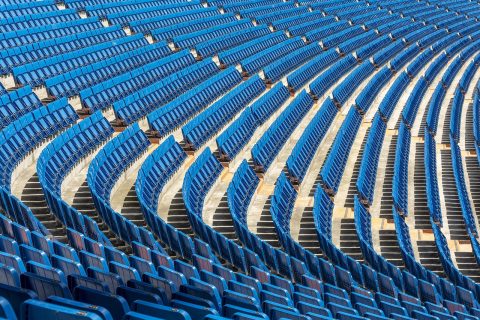
Madrid Zoo Aquarium
Set inside the vast Casa de Campo park, this combined zoo and aquarium is one of the most complete family outings in Madrid. Kids can watch giant pandas, gorillas, and Iberian lynxes, then walk through a shark tunnel where rays and reef fish glide overhead. The dolphinarium hosts regular shows, and a small aviary and reptile house round out the visit. Paths are stroller-friendly and shaded in parts, with plenty of snack kiosks along the way. Younger children especially love the koala house and the touch-tank area where they can get close to gentle sea creatures under staff supervision. Because the grounds are spread out, comfortable shoes matter more than a strict schedule. It works well as a full morning or afternoon activity, and combining it with the nearby cable car or amusement park makes for an easy full day away from the historic center.
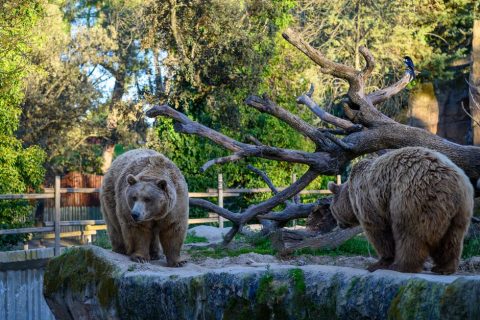
Faunia
Faunia is a nature-themed park built around recreated ecosystems rather than cages, letting children walk through a simulated tropical rainforest complete with a periodic thunderstorm, a polar zone with real penguins, and a butterfly-filled greenhouse. Interactive stations explain animal behavior in simple terms, and keeper talks throughout the day bring kids right up to the enclosures. The Ecosystems Route is the highlight, guiding families through savanna, jungle, and Mediterranean habitats in a single loop. There is also a play area with slides and climbing structures for younger visitors who need a break between exhibits. Many sections are covered, so a visit still works on a drizzly day, though summer heat can make midday hours uncomfortable. Strollers move easily along the main paths, and lockers are available near the entrance. Plan on a half day, and check the show schedule at the gate so the visit lines up with feeding times and animal demonstrations.

Parque Warner Madrid
A short train ride south of the city, this Warner Bros theme park delivers a full day of rides themed around DC Superheroes, Looney Tunes, and old Hollywood. Younger children gravitate toward the gentle rides and character meet-and-greets in the movie-set zones, while older kids and teens line up for the coasters and the Batman-branded thrill rides. Live shows and parades run throughout the day, and shaded seating areas make it easy to plan a break between attractions. Height restrictions apply to several rides, so check them in advance if traveling with younger children. The park gets busy in peak summer months, so arriving at opening time or buying tickets online in advance cuts down on queueing. Food options range from quick snacks to sit-down meals, though prices inside are on the higher side, as is typical for theme parks. Budget the whole day for this one, since the shuttle bus and park size make it hard to combine with other activities.
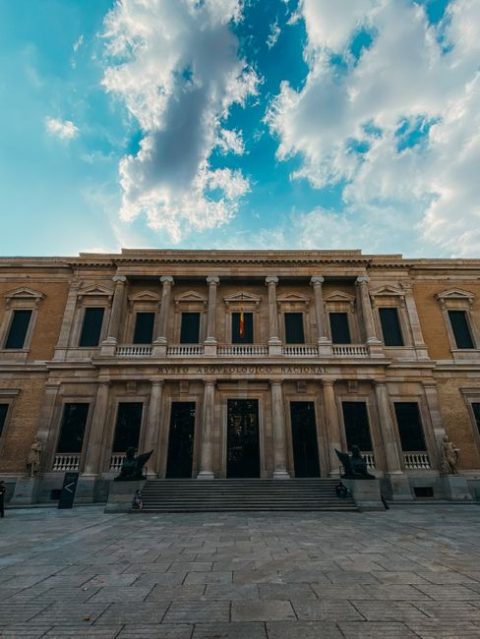
National Museum of Natural Sciences
This is one of the better rainy-day options in Madrid for families, pairing a real dinosaur skeleton hall with hands-on exhibits that let kids touch fossils, minerals, and taxidermy specimens up close. The Biodiversity gallery walks children through different habitats with life-sized animal models, while a dedicated discovery room offers puzzles and microscopes aimed at younger visitors. Signage is in Spanish, but the visual displays make the exhibits easy to follow even without reading every label. The museum is compact enough that children do not get worn out halfway through, yet detailed enough to hold their attention for a couple of hours. It sits close to several of the city's other museums, so it fits neatly into a morning that also includes a park stop nearby. Weekday mornings tend to be quieter, since school groups typically visit on set days, and the on-site shop has an affordable range of nature-themed toys and books as a take-home souvenir.
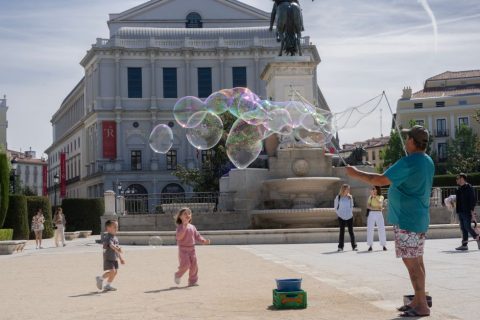
Madrid Cable Car
Closed for refurbishment, expected to reopen in early 2027. Gliding from the Rosales neighborhood out over the treetops toward the western park district, this cable car is a quick thrill that kids remember long after taller monuments fade. The ten-minute ride offers sweeping views back toward the Royal Palace skyline and out across the green expanse below, all from the comfort of a small enclosed cabin that fits a handful of passengers. It is an easy add-on rather than a destination in itself, best paired with time at the park it drops you into, where playgrounds, paddle boats, and picnic spots await. Lines are usually short outside of weekend afternoons, and the ride runs on a simple round-trip ticket, so families can ride over and take a bus or taxi back if little legs get tired. Clear days give the best views, and an early start avoids both the crowds and the midday sun. It is a low-effort, high-reward stop for a mid-morning break.
Tips for With Kids
- Buy zoo and theme park tickets online in advance for discounted rates and shorter lines.
- Save the natural history museum and aquarium tunnel for hot afternoons or rainy spells.
- Pack a light stroller for the zoo and Faunia, since both sites cover a lot of ground.
- Check ride height restrictions at Parque Warner before traveling with younger children.
- Combine the cable car with a picnic in the park it leads to for a low-cost, low-effort half day.
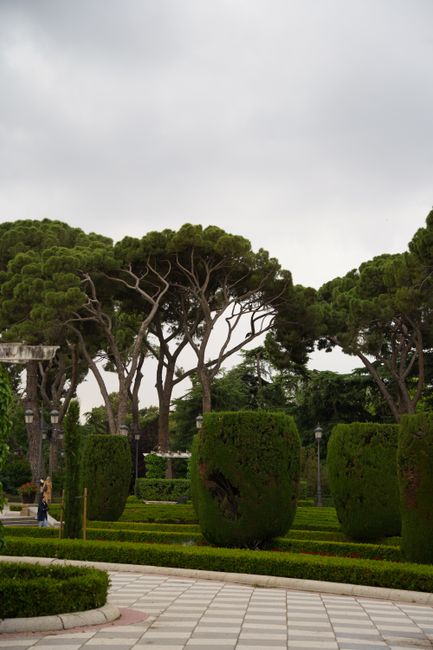
Madrid's calendar is packed with recurring festivals, concert series, and civic celebrations that give the city a distinct rhythm across all four seasons. From patron-saint street parties to open-air summer stages and glittering winter markets, these are the dates worth building a Madrid trip around in 2026.
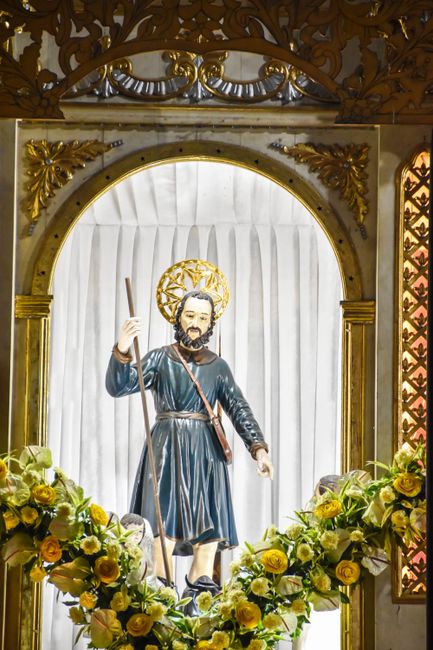
Fiestas de San Isidro
Madrid's biggest traditional festival honors the city's patron saint, San Isidro Labrador, with a full week of celebration around 15 May each year. Locals don traditional chulapo and chulapa costumes, gather in the Pradera de San Isidro for picnics, and dance the chotis to organ-grinder music. Expect free concerts on outdoor stages across the city, a packed bullfighting season at Las Ventas, parades, and fireworks. Many bars and squares host live verbena-style dances late into the night. Plaza Mayor and the surrounding old town become a hub of activity, with food stalls serving classic Madrid dishes like cocido madrileno. It is one of the most authentic times to experience local culture rather than tourist-oriented events, and hotel availability tightens as the week approaches, so booking ahead is wise.
Christmas Lights, Markets and New Year at Puerta del Sol
Madrid's winter season centers on Puerta del Sol and Plaza Mayor, where elaborate Christmas lights typically switch on in late November and the traditional Christmas market runs from late November to 31 December 2026, selling nativity figures, roasted chestnuts, and ornaments. The season peaks on 31 December, when tens of thousands gather at Puerta del Sol to eat the twelve lucky grapes with each clock chime at midnight, a beloved Spanish New Year tradition broadcast nationwide. Fireworks and street celebrations follow into the early hours of January 1. On January 5, the Cabalgata de Reyes parade brings the Three Kings through central streets with floats and sweets for children. Arriving hours early secures a spot near the square for New Year's Eve, as it becomes extremely crowded and partially fenced for safety.
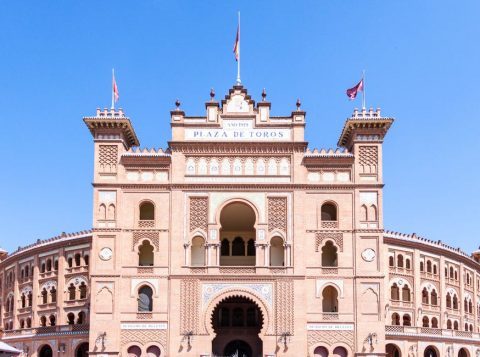
Veranos de la Villa Summer Festival
Madrid's city hall turns the whole capital into an open-air stage for Veranos de la Villa, a summer arts and concert series that typically runs through July and August. Venues include the Conde Duque cultural center, Matadero Madrid, and various historic courtyards and plazas, hosting everything from jazz and flamenco to contemporary dance and international pop acts. Many performances take place under the stars, with tickets ranging from free community shows to paid concerts by well-known artists. It is a favorite among residents who stay in the city during the hot months, offering a cooler evening alternative to daytime sightseeing. Programming is usually announced in June, so checking the official schedule closer to the date helps with planning around specific artists or venues, especially for the more popular ticketed shows.
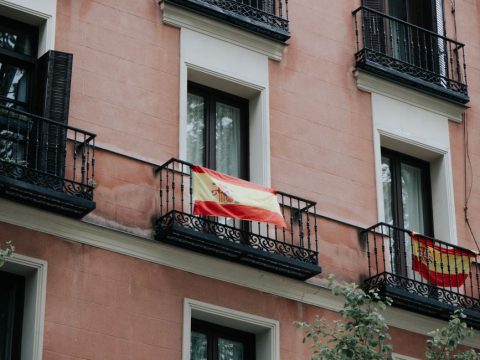
Madrid Pride (Orgullo)
One of the largest Pride celebrations in Europe, Madrid Orgullo transforms the Chueca neighborhood and central Madrid into a week-long party, held around the end of June and the start of July (25 June to 5 July in 2026), culminating in a massive Saturday parade down Paseo del Prado. The week includes concerts, drag shows, cultural talks, and a street market, with rainbow decorations covering balconies across the city center. The closing parade draws over a million attendees and is followed by an official concert with major music acts. Bars and clubs in Chueca extend hours throughout the week, and many restaurants offer special menus. Because crowds are enormous, especially on parade day, arriving early to secure a viewing spot along the route or booking accommodation well in advance in the Chueca-Gran Via area is strongly recommended.
Madrid en Danza and Jazz Madrid Autumn Series
As temperatures cool, Madrid's autumn cultural calendar fills with the Jazz Madrid festival, held each November, bringing international and Spanish jazz musicians to venues like Teatro Fernan Gomez and smaller clubs throughout the Malasana and Huertas districts. Alongside it, contemporary dance and theater programming ramps up in municipal theaters. This is a quieter, more local season for events, appealing to visitors who prefer smaller crowds and indoor cultural venues over summer's outdoor spectacles. Ticket prices are generally moderate, and many shows sell out only for headline acts, leaving room for spontaneous attendance at lesser-known performances. Pairing an evening jazz set with dinner in the surrounding tapas bars makes for a distinctly Madrileno autumn evening away from the main tourist circuit.
Tips for Events Calendar
- Book central hotels months ahead for San Isidro, Pride week, and New Year's Eve, as prices spike and rooms sell out.
- Many outdoor summer concerts in Veranos de la Villa are free, but popular shows require reserving tickets online in advance.
- Arrive at Puerta del Sol at least 3-4 hours before midnight on December 31 to get a viewing spot for the grape tradition.
- Check esmadrid.com in the months prior, as exact festival dates can shift slightly year to year.
Real, highly-rated Restaurants in Madrid, sourced from Google Places (rating above 4★).
Ástor gastro-place
Ástor gastro-place is a highly-rated restaurant in Madrid, rated 4.9★ from 2766 reviews. Located at C. del Almendro, 9, Centro, 28005 Madrid, Spain.
Opening Hours
- Monday: 1:00 – 4:00 PM, 8:00 – 11:30 PM
- Tuesday: 1:00 – 4:00 PM, 8:00 – 11:30 PM
- Wednesday: Closed
- Thursday: Closed
- Friday: 1:00 – 4:00 PM, 8:00 – 11:30 PM
- Saturday: 1:00 – 4:00 PM, 8:00 – 11:30 PM
- Sunday: 1:00 – 4:00 PM, 8:00 – 11:30 PM
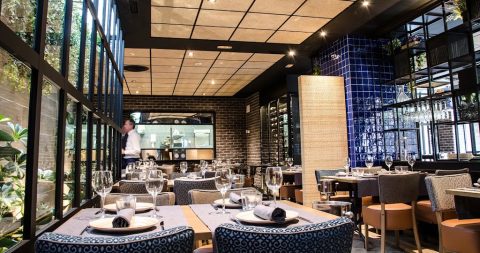
Los Montes de Galicia
Los Montes de Galicia is a highly-rated restaurant in Madrid, rated 4.8★ from 13689 reviews. Located at C. de Azcona, 46, Salamanca, 28028 Madrid, Spain.
Opening Hours
- Monday: 1:30 – 4:30 PM, 7:30 PM – 12:00 AM
- Tuesday: 1:30 – 4:30 PM, 7:30 PM – 12:00 AM
- Wednesday: 1:30 – 4:30 PM, 7:30 PM – 12:00 AM
- Thursday: 1:30 – 4:30 PM, 7:30 PM – 12:00 AM
- Friday: 1:30 – 4:30 PM, 7:30 PM – 12:00 AM
- Saturday: 1:30 – 4:30 PM, 7:30 PM – 12:00 AM
- Sunday: 1:30 – 4:30 PM, 7:30 PM – 12:00 AM
Bloved Restaurante
Bloved Restaurante is a highly-rated restaurant in Madrid, rated 4.8★ from 939 reviews. Located at Gran Vía, 9, Centro, 28013 Madrid, Spain.
Opening Hours
- Monday: 1:00 – 3:30 PM, 7:00 – 10:30 PM
- Tuesday: 1:00 – 3:30 PM, 7:00 – 10:30 PM
- Wednesday: 1:00 – 3:30 PM, 7:00 – 10:30 PM
- Thursday: 1:00 – 3:30 PM, 7:00 – 10:30 PM
- Friday: 1:00 – 3:30 PM, 7:00 – 10:30 PM
- Saturday: 1:00 – 3:30 PM, 7:00 – 10:30 PM
- Sunday: 1:00 – 3:30 PM, 7:00 – 10:30 PM
Explore Madrid on the Map
Optimal Seasons
Best Overall: Spring (April-June) & Fall (September-November)
- Spring (April-June): Pleasant temperatures (15-25°C/59-77°F), blooming parks, outdoor terrace season begins, fewer crowds than summer. May festivals include San Isidro celebration.
- Fall (September-November): Comfortable weather (12-23°C/54-73°F), cultural season starts with gallery openings and concerts, autumn colors in parks, ideal walking conditions.
- Summer (July-August): Hot (28-35°C/82-95°F), many locals vacation away, some restaurants close, but rooftop bars thrive, outdoor cinema in parks, and extended museum hours. Expect siesta closures 2-5pm.
- Winter (December-March): Cool (5-12°C/41-54°F), fewer tourists, Christmas lights spectacular, January sales, museum crowds minimal. Pack layers buildings often lack heating.
Avoid: August if seeking authentic local atmosphere many madrileños leave the city. Mid-summer heat can be intense for extensive sightseeing.
Getting Around Madrid
🚇 Metro (Best Option)
One of Europe's most efficient systems with 13 lines covering 294km. Operates about 6am-1:30am daily. Single ticket €1.50-2, Tourist Pass (unlimited travel, zone A, 2026): 1-day €10.30, 2-day €17.50, 3-day €23.10, 4-day €27.80, 5-day €33.40, 7-day €43.20. Includes metro, buses, and commuter trains (Cercanías) within Zone A.
🚌 Buses
Extensive network including night buses (búhos) after metro closes. Same ticket as metro. Useful routes: 001/002 circular routes, buses to airport.
🚕 Taxis & Ride Apps
White taxis with red diagonal stripe are official. Meters start at €2.50. Airport to the centre (inside the M-30) is a fixed €33. Uber, Cabify, and Bolt operate in Madrid.
✈️ Airport Transfer
Adolfo Suárez Madrid-Barajas Airport (MAD) to city center:
- Metro Line 8: Direct to Nuevos Ministerios (12 minutes), requires €3 airport supplement plus regular ticket
- Express Bus 203: 24-hour service to Atocha Station (40 minutes), €5
- Taxi: Fixed fare €33 to the city centre (inside the M-30)
- Private transfer: Pre-book for convenience with luggage
🚂 Train Stations
Atocha: High-speed AVE trains to Barcelona, Seville, Valencia. Chamartín: Trains to northern Spain. Both connect to metro.
🚴 Bikes & Scooters
Lime and Bird scooters are not a reliable citywide option; Madrid withdrew shared electric scooters from public streets in 2024. Bike lanes on major avenues and parks.
Pro Tip: Buy a rechargeable Multi card (€2.50) at any metro station cheaper than paper tickets and works on all public transport.
Shopping in Madrid
🛍️ What to Buy
- Leather goods: Shoes, boots, bags Spain excels in quality leather craftsmanship
- Jamón ibérico: Premium cured ham (vacuum-packed for travel)
- Saffron: Spanish saffron (azafrán) for paella and rice dishes
- Turron: Traditional almond nougat candy, especially at Christmas
- Olive oil: Premium extra virgin varieties from Spanish regions
- Ceramics: Hand-painted pottery, tiles, traditional designs
- Espadrilles: Classic Spanish rope-soled shoes
- Football jerseys: Real Madrid or Atlético Madrid official merchandise
- Spanish wine: Rioja, Ribera del Duero, local varieties
- Fashion: Zara, Mango, Massimo Dutti (Spanish brands cheaper here)
📍 Shopping Districts
Gran Vía & Sol: International chains, department stores (El Corte Inglés), flagship stores
Salamanca (Calle Serrano): Luxury boutiques Loewe, Prada, Hermès, Spanish designers
Chueca & Fuencarral: Independent boutiques, vintage shops, alternative fashion
Malasaña: Vintage stores, vinyl shops, artisan goods, hipster finds
🏪 Markets
El Rastro (Sundays): Legendary flea market in La Latina (9am-3pm) antiques, clothing, crafts. Watch belongings!
Mercado de San Miguel: Gourmet food market near Plaza Mayor tapas, wine, gourmet products
Mercado de San Antón (Chueca): Three floors of food vendors, rooftop terrace restaurant
💡 Shopping Tips
- VAT Refund: Non-EU residents can claim back IVA (VAT) at participating shops (Spain has no minimum spend) - ask for tax-free forms
- Sales: January and July rebajas (sales) offer discounts up to 70%
- Hours: Shops typically 10am-2pm and 5pm-8:30pm; malls open continuously; closed Sundays except Gran Vía area
- Bargaining: Not customary except at El Rastro flea market
Festivals & Events
🎉 Annual Highlights
San Isidro Festival (May 15 & surrounding week): Madrid's patron saint celebration with concerts, traditional chulapo dress, bullfights at Las Ventas, processions, free outdoor events, and festive atmosphere throughout the city.
Madrid Pride (MADO) - Late June/Early July: One of Europe's largest LGBTQ+ celebrations centered in Chueca with parades, concerts, parties, and street festivals attracting over 2 million participants.
Veranos de la Villa (July-August): Summer cultural program featuring free outdoor concerts, cinema, theater, and dance performances in parks and public spaces across Madrid.
Madrid Fashion Week (MBFW) - February & September: Spain's premier fashion event showcasing Spanish and international designers on the runways.
Noche en Blanco (White Night) - September: All-night cultural event with free museum access, concerts, performances, and art installations throughout the city until dawn.
Autumn Festival (Otoño) - September-November: International performing arts festival with theater, dance, music, and circus performances.
Jazz Festival - November: Madrid's jazz festival brings international musicians to venues across the city.
Christmas Season (December-January 6): Spectacular light displays on Gran Vía and major streets, Christmas markets at Plaza Mayor, Three Kings Parade (January 5), traditional nativity scenes.
📅 National Holidays
- January 1 - New Year's Day
- January 6 - Epiphany (Three Kings Day)
- March/April - Good Friday & Easter Monday
- May 1 - Labor Day
- May 2 - Community of Madrid Day
- May 15 - San Isidro (Madrid's patron saint)
- August 15 - Assumption of Mary
- October 12 - National Day of Spain
- November 1 - All Saints' Day
- November 9 - Almudena (Madrid's patroness)
- December 6 - Constitution Day
- December 8 - Immaculate Conception
- December 25 - Christmas
During holidays, many shops and attractions close plan accordingly.
Sample Itineraries
Day 1: Madrid's Greatest Hits
Morning (9am-1pm): Start at Puerta del Sol, walk to Plaza Mayor, explore Habsburg Madrid streets to Royal Palace (pre-booked tickets). Tour palace and Sabatini Gardens.
Lunch (1:30pm): Traditional Spanish lunch at Mercado de San Miguel or nearby restaurant.
Afternoon (3:30pm-7pm): Stroll through Retiro Park, rowboat on the lake, see the Crystal Palace from outside. Walk past Puerta de Alcalá to Cibeles Fountain.
Evening (7pm onwards): Tapas dinner in La Latina (Cava Baja street), experience traditional Madrid nightlife.
Day 2: Art & Culture
Morning (9am-1pm): Early entry to Prado Museum (pre-booked). Focus on Velázquez, Goya, Bosch. Coffee at nearby café.
Lunch (1:30pm): Light lunch at Retiro Park café or Botanical Garden area.
Afternoon (3pm-7pm): Visit Reina Sofía Museum (pre-booked) for Guernica and modern art. Explore Lavapiés neighborhood streets and street art.
Evening (8pm onwards): Sunset at Temple of Debod, dinner in Malasaña, explore nightlife and live music venues.
Day 3: Neighborhoods & Local Life
Morning (9am-2pm): Sunday at El Rastro flea market (if Sunday), browse antiques and crafts. Vermouth and tapas along Cava Baja in La Latina.
Afternoon (4pm-7pm): Explore Malasaña boutiques and cafés, or visit Thyssen-Bornemisza Museum. Walk Gran Vía for architecture and shopping.
Evening (8pm onwards): Dinner in Chueca, rooftop drinks with city views, optional flamenco show (pre-booked).
Day 4: Day Trip
Full Day: Take morning AVE train to Toledo (30 min). Explore cathedral, Alcázar, El Greco sites, Jewish Quarter, panoramic viewpoints. Lunch traditional Toledano cuisine. Return to Madrid evening. Alternative: Segovia for Roman aqueduct, Alcázar castle, roast suckling pig.
Day 5: Sports, Food & Hidden Gems
Morning (10am-1pm): Santiago Bernabéu Stadium tour (if Real Madrid fan) or visit the Sorolla Museum The expanded Sorolla Museum opens on 15 October, but the historic house museum remains closed during rehabilitation.
Lunch (1:30pm): Join tapas and wine walking tour (pre-booked, 3-4 hours).
Afternoon (5pm onwards): Relax in Retiro Park, explore neighborhoods you missed Chueca's design shops, Salamanca's galleries.
Evening (8pm onwards): Cooking class (if booked) or farewell dinner at Michelin-starred or traditional restaurant. Late-night drinks at rooftop bar.
Flexible Tips: Adjust based on interests. Art lovers need 3+ days for museums. Football fans should attend a match if possible. Foodies might prefer second tapas tour or market visits. Nightlife enthusiasts can add flamenco, jazz clubs, or late-night bars.
📸 Best Photography Locations
Temple of Debod at Sunset
Time: 1 hour before sunset for golden hour, blue hour after sunset. Angle: Reflection in pools with city skyline background. Tips: Arrive 30 minutes early for position; extremely popular with photographers. Use both pool reflections and western city views.
Gran Vía from Edificio Metrópolis
Time: Sunset and blue hour when buildings are illuminated. Angle: Standing at intersection with Calle Alcalá, shoot up Gran Vía with traffic light trails. Tips: Use long exposure for traffic streaks; less crowded on weekday evenings.
Retiro Park Crystal Palace
Time: Morning (9-11am) for soft light, fewer people. Angle: Reflections in the pond, interior when hosting art exhibitions. Tips: Autumn colors or spring blooms frame beautifully. Interior shots require permission during exhibitions.
Royal Palace from Sabatini Gardens
Time: Late afternoon for frontal light on palace façade. Angle: From raised terrace with manicured gardens foreground. Tips: Blue hour offers spectacular illuminated palace shots. Sunset catches the side of the cathedral.
Plaza Mayor
Time: Early morning (7-8am) before crowds, or blue hour. Angle: From center looking toward Casa de la Panadería, through archways for framing. Tips: Use wide angle for full square; archways create strong compositional frames.
Cibeles Fountain & Palace
Time: Blue hour when fountain and palace are beautifully lit. Angle: From Calle Alcalá capturing fountain with palace behind. Tips: Use fountain's water for dynamic element; rooftop terrace (CentroCentro) offers 360° city panoramas.
Puerta de Alcalá
Time: Sunset from west side (Retiro), blue hour for illumination. Angle: From Retiro Park side with monument silhouetted, or straight-on symmetry. Tips: Less crowded than other landmarks; traffic adds energy to night shots.
Rooftop Bars
Locations: Círculo de Bellas Artes (360° views), Gau & Café, RIU Plaza España, Picalagartos Sky Bar. Time: Sunset to blue hour. Tips: Most require consumption; reserve sunset tables. Capture Gran Vía lights and Madrid skyline.
Madrid Río Bridges
Time: Golden hour from Arganzuela Bridge. Angle: Modern architecture with Royal Palace/Cathedral background. Tips: Less touristy, great for architecture photography and urban landscape compositions.
La Latina Streets
Time: Morning light on historic building façades. Angle: Narrow cobblestone streets, colorful buildings, corner tapas bars. Tips: Capture authentic Madrid street life, traditional tile signs, hanging laundry, locals chatting.
Instagram Hashtags: #VisitMadrid #MadridMola #IgersMadrid #MadridSecreto #MadridMonumental #Spain #TravelSpain
⚡ Electricity & Plugs
Voltage: 230V
Frequency: 50Hz
Plug Types: Type C (two round pins) and Type F (two round pins with grounding clips on sides) - European standard
Who Needs Adapters?
- UK travelers: Yes - UK uses Type G (three rectangular pins)
- US/Canada travelers: Yes - North America uses Type A/B (flat pins, 110V). Need both adapter AND voltage converter for non-dual-voltage devices
- Australia travelers: Yes - Australia uses Type I (three flat pins)
- EU travelers: No adapter needed - same plug types
Tips:
- Most modern electronics (phones, laptops, cameras) are dual voltage (110-240V) check device label. These only need plug adapter, not voltage converter.
- Hair dryers, straighteners, and other heating devices often need voltage converters unless specifically dual voltage.
- Buy adapters before traveling (cheaper) or at Madrid airport, electronics stores.
- Consider universal travel adapter with USB ports for multiple devices.
- Hotels often provide adapter on request, but better to bring your own.
🍴 Madrid Food Guide
Must-Try Dishes
- Cocido Madrileño: Hearty chickpea stew with meat, vegetables, served in three courses (soup, chickpeas, meats). Winter specialty.
- Bocadillo de Calamares: Iconic fried squid sandwich, best near Plaza Mayor
- Huevos Rotos/Estrellados: 'Broken eggs' over fried potatoes with jamón or chorizo
- Callos a la Madrileña: Tripe stew with chorizo and blood sausage traditional Madrid comfort food
- Jamón Ibérico: Premium cured ham from acorn-fed pigs, sliced paper-thin
- Tortilla Española: Classic potato and egg omelet, served at room temperature
- Patatas Bravas: Fried potato cubes with spicy tomato sauce and aioli
- Croquetas: Creamy béchamel fritters (jamón, mushroom, cod varieties)
- Rabo de Toro: Oxtail stew, rich and tender
- Churros con Chocolate: Fried dough strips dipped in thick hot chocolate breakfast or late-night treat at Chocolatería San Ginés
- Rosquillas: Traditional donuts, especially during San Isidro festival
- Besugo a la Madrileña: Baked sea bream with lemon and garlic
Eating Customs & Schedule
Spanish Meal Times (Important!):
- Desayuno (Breakfast): 7-10am - Coffee and pastry, often standing at bar
- Almuerzo (Lunch): 2-4pm - Main meal of the day. Menú del día (set lunch menu) offers excellent value €10-15 for starter, main, dessert, drink
- Merienda (Snack): 5-6pm - Coffee and pastry break
- Cena (Dinner): 9pm-midnight - Lighter than lunch for locals, but restaurants serve tourists earlier
- Tapas: Evening pre-dinner drinks and small plates, 7-10pm
Tapas Culture: Order caña (small beer) or vino (wine) at bar. Some bars include free tapa with drink. Tapas hopping (ir de tapas) means visiting multiple bars, one drink and tapa at each.
Where to Eat
Traditional Taverns (Tabernas):
- Casa Lucio: Famous for huevos rotos, celebrity clientele (book ahead)
- Botín: World's oldest restaurant (1725), roast suckling pig specialty
- Taberna La Bola: Legendary cocido madrileño since 1870
- Casa Labra: Historic tapas bar famous for cod croquetas since 1860
Tapas Streets:
- Cava Baja (La Latina): Concentrated tapas heaven Casa Lucas, Txirimiri, Almendro 13
- Cava Alta: Extension of tapas zone Posada de la Villa, Casa Patas (also flamenco)
- Around Plaza Mayor: Touristy but convenient venture to side streets for better value
Modern Gastrobars:
- StreetXO: Dabiz Muñoz's casual Asian-fusion concept
- Lateral: Modern tapas chain with quality and innovation
- Tatel: Celebrity-owned upscale dining
Markets:
- Mercado de San Miguel: Gourmet tapas market (touristy but quality)
- Mercado de San Antón (Chueca): Three floors market, tapas bars, rooftop restaurant
- Mercado San Ildefonso (Malasaña): Hip food stalls and craft beer
- Platea (Salamanca): Converted cinema with gourmet food stalls
Dining Tips
- Reservations: Essential for popular restaurants, especially weekends and dinner. Book via TheFork app for discounts.
- Menú del día: Best value lunch option ask for it even if not displayed. Usually Monday-Friday only.
- Tipping: Not obligatory but appreciated. Round up or leave 5-10% for good service.
- Water: Ask for agua del grifo (tap water, free) vs. agua con gas/sin gas (bottled, charged)
- Bread: Pan brought to table is usually charged (€1-2 per person) you can refuse it
- Standing vs. Sitting: Bar prices cheaper than table service. Many locals eat tapas standing at bar.
- Avoid: Restaurants with picture menus outside in tourist areas usually lower quality, higher prices
Where Locals Eat
Venture beyond city center to neighborhoods like Chamberí, Tetuán, Vallecas for authentic, affordable dining. Look for places packed with Spaniards after 2pm (lunch) or 9:30pm (dinner).
Where to Stay in Madrid
- Malasaña — bohemian streets packed with vintage shops, indie bars, and cafes; ideal for younger travelers and nightlife seekers who want a walkable, buzzing base.
- La Latina — historic, atmospheric lanes famous for tapas crawls and the Sunday El Rastro market; a great fit for first-time visitors who want classic Madrid charm within easy reach of the Palacio Real and Plaza Mayor.
- Salamanca — upscale, polished, and quiet at night, with designer shopping and easy metro access; suits business travelers and families wanting comfort, safety, and a calmer pace.
- Chueca and Lavapiés — Chueca is stylish and LGBTQ+-friendly with excellent dining, while Lavapiés is multicultural and budget-conscious with lower-cost guesthouses; together they cover budget travelers and anyone wanting a more local, less touristy feel.
For a first Madrid trip, La Latina or central Salamanca keep major sights within walking distance, while Malasaña and Chueca reward travelers prioritizing nightlife and cafe culture over proximity to landmarks.
Madrid Travel Budget
Madrid is one of the more affordable major European capitals, with daily costs varying widely by travel style. Budget travelers can expect around 45-65 EUR per day, mid-range travelers around 110-160 EUR per day, and luxury travelers 250 EUR and up per day.
- Accommodation: Hostel dorm beds run 18-28 EUR; a private room in a 3-star hotel costs 60-90 EUR; boutique and 4-star hotels near Sol or Gran Via range 120-200 EUR; five-star properties like the Ritz or Villa Magna start at 350 EUR and climb well beyond.
- Food: A menu del dia lunch costs 12-15 EUR, tapas crawls run 20-35 EUR per evening, and a tasting menu at a Michelin-starred restaurant such as DiverXO or Coque runs 200-250 EUR per person.
- Local transport: A single metro or bus ticket is 1.50-2 EUR; a 10-trip Metrobus card costs around 12.20 EUR; a tourist travel pass for unlimited zone A transport costs 10.30 EUR for one day or 33.40 EUR for five days (2026).
- Attractions: Major museum tickets cost around €12-15 each; the Paseo del Arte ticket covers the Prado, Reina Sofía and Thyssen for €32.80.
Is Madrid Worth Visiting?
Yes, Madrid is absolutely worth visiting — it delivers royal grandeur, world-class art, and a nightlife scene few European capitals can match, all packed into a walkable, sun-soaked center.
- Art and culture: The Golden Triangle of Museums (Prado, Reina Sofia, and Thyssen-Bornemisza) puts masterpieces from Velazquez to Picasso within a short stroll of each other.
- Royal heritage: The Royal Palace, Plaza Mayor, and the historic Habsburg quarter give visitors a tangible sense of Spains imperial past without needing a car or tour bus.
- Food and nightlife: Tapas-hopping through Malasana and La Latina, followed by some of Europes latest-running bars and clubs, makes Madrid a city that rewards staying up late.
- Easy to enjoy: A compact, walkable core, reliable metro, and over 300 days of sunshine a year mean visitors spend more time exploring and less time in transit.
Tourist Passes
Madrid Tourist Travel Pass (Abono Turístico)
Unlimited public transportation on metro, buses, and commuter trains within Zone A. Options (zone A, 2026): 1-day €10.30, 2-day €17.50, 3-day €23.10, 4-day €27.80, 5-day €33.40, 7-day €43.20. Best for: Visitors using public transport extensively. Purchase at metro stations, airport, or online. Includes airport metro supplement.
www.metromadrid.esPaseo del Arte Card (Art Walk Pass)
Combined ticket for Madrid's three major art museums: Prado, Reina Sofía, and Thyssen-Bornemisza. Price: €32.80 in 2026 (a 20% saving on the three separate tickets). Valid for one entry to each museum within one year from purchase. Best for: Art enthusiasts planning to visit all three museums. Purchase at any of the three museums or online.
www.museodelprado.esMadrid City Tour Bus
Hop-on-hop-off double-decker bus covering two routes with 37+ stops at major attractions. Commentary in multiple languages via headphones. Prices: €33 for 24 hours, €44 for 48 hours (cheaper online); three routes and 34 stops. Includes night tour and walking tour. Best for: First-time visitors wanting overview and flexible sightseeing. Buses depart every 10-15 minutes. Can be convenient for reaching distant sites like Temple of Debod or Santiago Bernabéu.
madrid.city-tour.comMadrid City Card (transport)
The old Madrid Card museum pass was discontinued; the official Madrid City Card now combines the tourist transport pass with discounts (5 days €33.40 in 2026). For museums, the Paseo del Arte ticket covers the big three.
citycard.esmadrid.comGo City Madrid Pass
All-inclusive pass covering 30+ attractions including Prado Museum, Royal Palace, Bernabéu Stadium Tour, hop-on-hop-off bus, and tours. Options: sold for 2-5 days (from about €129 for two days in 2026); check current prices on the official site. Best for: Visitors planning packed itineraries hitting multiple paid attractions. Calculate if your planned visits exceed pass cost. Includes skip-the-line access at some venues.
gocity.comMore about Madrid
Photo credits (57)
- Royal Palace of Madrid (Palacio Real): photo by Tim Adams, CC BY-SA 4.0, via Wikimedia Commons
- Puerta del Sol: photo by Matt Joseph, CC BY-SA 4.0, via Wikimedia Commons
- Puerta de Alcalá: photo by Fernando Pascullo, CC BY-SA 4.0, via Wikimedia Commons
- Temple of Debod: photo by Matt Joseph, CC BY-SA 4.0, via Wikimedia Commons
- Museo del Prado: photo by Emilio J. Rodríguez Posada, CC BY-SA 2.0, via Wikimedia Commons
- Thyssen-Bornemisza Museum: photo by Kyle Magnuson from Los Angeles, United States, CC BY 2.0, via Wikimedia Commons
- Sorolla Museum: photo by Luis García (Zaqarbal), CC BY-SA 3.0, via Wikimedia Commons
- CaixaForum Madrid: photo by Fernando, CC BY-SA 4.0, via Wikimedia Commons
- Almudena Cathedral: photo by Fernando, CC BY-SA 4.0, via Wikimedia Commons
- San Francisco el Grande Basilica: photo by Enrique Cordero, CC BY-SA 2.0, via Wikimedia Commons
- San Jerónimo el Real: photo by Rowanwindwhistler, CC BY-SA 3.0, via Wikimedia Commons
- Plaza Mayor: photo by Jorge Franganillo, CC BY 2.0, via Wikimedia Commons
- Gran Vía: photo by Felipe Gabaldón, CC BY 2.0, via Wikimedia Commons
- Plaza de España: photo by Carlos Delgado, CC BY-SA 3.0, via Wikimedia Commons
- Calle de Alcalá: photo by Teo X, CC BY-SA 2.0, via Wikimedia Commons
- Malasaña: photo by Tejiendo Malasaña, CC BY 2.0, via Wikimedia Commons
- Chueca: photo by Ted Eytan, CC BY-SA 2.0, via Wikimedia Commons
- La Latina: photo by Ivan Pascual Fernandez, CC BY-SA 3.0 es, via Wikimedia Commons
- Salamanca: photo by xiquinhosilva from Cacau, CC BY 2.0, via Wikimedia Commons
- Lavapiés: photo by Garygillmore, CC BY-SA 3.0, via Wikimedia Commons
- Retiro Park (Parque del Buen Retiro): photo by Max Alexander / PromoMadrid, CC BY-SA 2.0, via Wikimedia Commons
- Casa de Campo: photo by Håkan Svensson Xauxa, CC BY 2.5, via Wikimedia Commons
- Madrid Río: photo by Nicolas Vigier, CC0, via Wikimedia Commons
- Segovia: photo by Carlos Delgado, CC BY-SA 3.0, via Wikimedia Commons
- Ávila: photo by Anual, CC BY 3.0, via Wikimedia Commons
- Faunia: photo by FDV, CC BY-SA 3.0, via Wikimedia Commons
- Parque Warner Madrid: photo by FDV, CC BY-SA 3.0, via Wikimedia Commons
- National Museum of Natural Sciences: photo by RealGrouchy, Public domain, via Wikimedia Commons
- Madrid Cable Car: photo by cesar.ruiz, CC BY-SA 3.0, via Wikimedia Commons
- Andén 0 (Chamberí Ghost Station): photo by JJ González López, CC BY-SA 3.0, via Wikimedia Commons
- Parque del Capricho: photo by Unknown, Public domain, via Wikimedia Commons
- Palacio de Liria: photo by UnDíaPorMadrid, CC0, via Wikimedia Commons
- Madrid Pride (Orgullo): photo by Oscar San Jose, Public domain, via Wikimedia Commons
- Cibeles Fountain and Palace: photo by Ank Kumar, CC BY-SA 4.0, via Wikimedia Commons
- Museo Reina Sofía: photo by Ввласенко, CC BY-SA 3.0, via Wikimedia Commons
- Royal Botanical Garden: photo by Daderot, Public domain, via Wikimedia Commons
- Flamenco Show: photo by Harald Johnsen, CC BY-SA 3.0, via Wikimedia Commons
- Santiago Bernabéu Stadium Tour: photo by Fernando Pascullo, CC BY-SA 4.0, via Wikimedia Commons
- Toledo: photo by Malopez 21, CC BY-SA 4.0, via Wikimedia Commons
- El Escorial & Valley of Cuelgamuros: photo by Godot13, CC BY-SA 4.0, via Wikimedia Commons
- Aranjuez Royal Palace: photo by Edward Hawke Locker (1777-1849), Public domain, via Wikimedia Commons
- Plaza Mayor Christmas Market: photo by Jorge Láscar from Australia, CC BY 2.0, via Wikimedia Commons
- Cortylandia: photo by FDV, CC BY 3.0, via Wikimedia Commons
- Puerta del Sol New Year's Eve: photo by Byeonggwan, Public domain, via Wikimedia Commons
- Live Jazz at Café Central: photo by Daniel Lobo, CC BY 2.0, via Wikimedia Commons
- Madrid Zoo Aquarium: photo by Fernando Losada Rodríguez, CC BY-SA 4.0, via Wikimedia Commons
- Ermita de San Antonio de la Florida: photo by Acediscovery, CC BY 4.0, via Wikimedia Commons
- Cerro del Tío Pío (Seven Peaks Park): photo by Nicolas Vigier, CC0, via Wikimedia Commons
- Fiestas de San Isidro: photo by Javier Perez Montes, CC BY-SA 4.0, via Wikimedia Commons
- Veranos de la Villa Summer Festival: photo by Diario de Madrid, CC BY 4.0, via Wikimedia Commons
- Los Montes de Galicia: photo by Den C, CC BY 2.0, via Wikimedia Commons
- El Social: photo by Zarateman, CC0, via Wikimedia Commons
- La Mi Venta: photo by Américo Toledano, CC BY-SA 4.0, via Wikimedia Commons
- Rosi La Loca: photo by Superpoor, CC BY-SA 4.0, via Wikimedia Commons
- CEBO Madrid: photo by Antonio Campoy from Madrid, España, CC BY 2.0, via Wikimedia Commons
- Coque: photo by Anonyme, graveur, CC0, via Wikimedia Commons
- Angelita Madrid: photo by Kent Wang from London, United Kingdom, CC BY-SA 2.0, via Wikimedia Commons
.jpg)


.jpg)
.jpg)
_01.jpg)


_13.jpg)

.jpg)
_1.jpg)

_02.jpg)
.jpg)
.jpg)

_edited.jpg)


_02.jpg)


.jpeg)


.jpg)

.jpg)


.jpg)
_2.jpg)


.jpg)

.jpg)