Plan your trip to Weimar
- How long
- 1-2 days: Goethe's and Schiller's houses, the Anna Amalia Library and the Bauhaus Museum, plus the Buchenwald Memorial.
- Best for
- Literature, design and history lovers: Goethe and Schiller, Bauhaus origins and a UNESCO classical Weimar.
- Skip it if
- You want big attractions: Weimar is small and about museums and walking.
If you only do three things
- Goethe's House and the Park an der Ilm.
- The Bauhaus Museum Weimar.
- The Anna Amalia Library (book ahead) and the Buchenwald Memorial.
A one-day route
- Morning: Goethe National Museum and Frauenplan.
- Midday: Lunch at the Market Square.
- Afternoon: The Bauhaus Museum Weimar.
- Evening: A walk in the Park an der Ilm; dinner in the Old Town.
Before you go
- Weimar is about 15 minutes by train from Erfurt.
- The Anna Amalia Library has timed entry; book ahead.
- The Buchenwald Memorial is about 10 km away and needs a few hours.
- Check current museum hours and prices.
Prices, opening status and transport in this plan checked against official sources on 1 October 2026.
Things to do in Weimar
Weimar's architectural treasures span centuries, from Renaissance palaces to modernist Bauhaus masterpieces. This compact city showcases Germany's cultural golden age with monuments dedicated to its greatest minds.
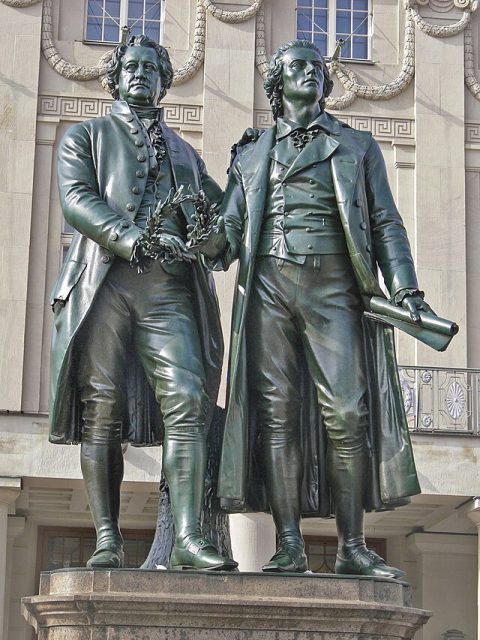
Goethe-Schiller Monument
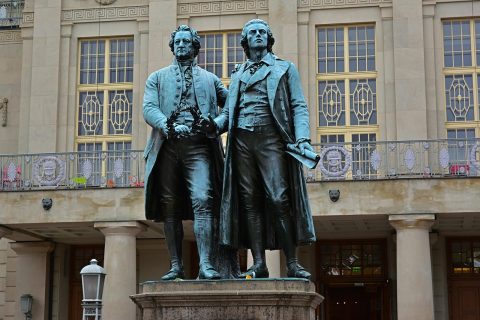
Standing proudly in Theaterplatz, this iconic bronze monument depicts Germany's two greatest literary figures side by side. Created by Ernst Rietschel and unveiled in 1857, the sculpture represents the friendship and creative collaboration between Johann Wolfgang von Goethe and Friedrich Schiller. The monument has become the symbol of Weimar and Classical Weimar, capturing the spirit of German Enlightenment. Visitors gather here to photograph this tribute to literary genius, which serves as the perfect starting point for exploring Weimar's cultural heritage.
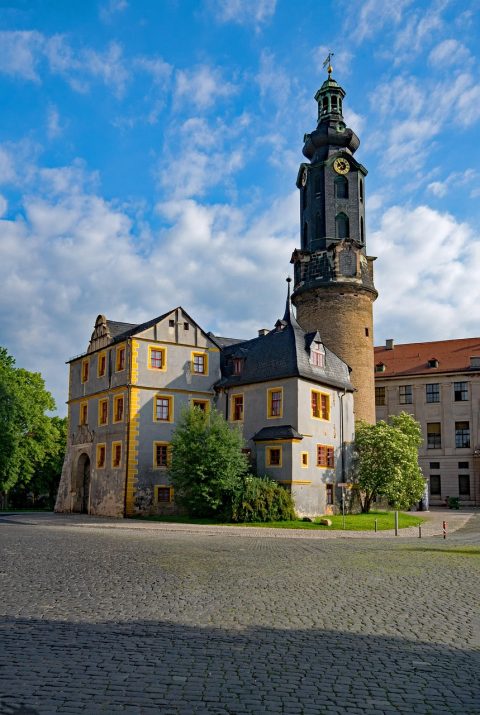
Weimar City Palace (Stadtschloss)
This impressive three-story Neoclassical palace with its distinctive colonnade faces the River Ilm. Originally a medieval fortress, it was transformed into an elegant residence in the 18th century. The palace houses the Schlossmuseum with extensive art collections including German Medieval and Renaissance works, Italian and Dutch paintings from the 16th-17th centuries, and pieces by Rubens. The Falcon Gallery from 1803 and the magnificent staircase hall are architectural highlights. Note that parts of the palace are closed for renovation, so check which areas are open, though the exterior remains a stunning sight worth photographing.
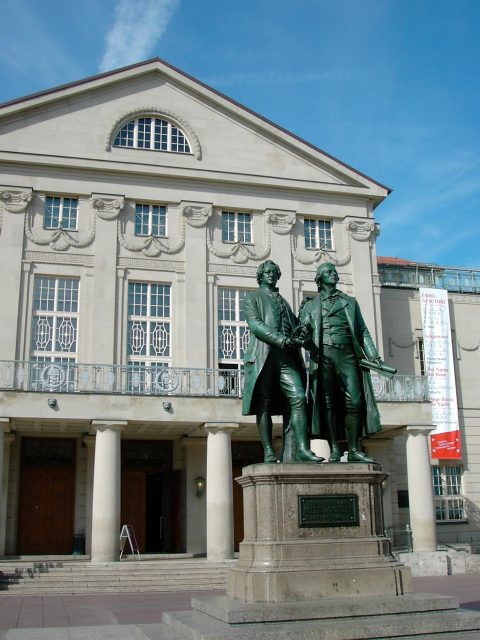
German National Theater
This historic theater on Theaterplatz holds profound significance in German history as the birthplace of the Weimar Republic. In 1919, the German National Assembly convened here to adopt Germany's first democratic constitution. The theater continues to host world-class operatic and classical music performances by the Deutsche Nationaltheater and Staatskapelle Weimar. The building's elegant architecture and its role in shaping modern Germany make it an essential stop. The adjacent Haus der Weimarer Republik museum tells the story of Germany's first democratic republic through engaging exhibits.
Tips for Landmarks & Monuments
- The Theaterplatz area is the heart of Weimar's cultural district - allow time to explore the entire square
- Visit early morning or late afternoon for the best photography lighting on the monuments
- Many landmarks are within a 10-minute walk of each other in the compact old town
Weimar's museums house world-class collections spanning literature, art, design, and history. From Goethe's personal residence to cutting-edge Bauhaus exhibitions, these institutions preserve the legacy of Germany's cultural enlightenment.
Goethe National Museum & Goethe's House
Step into the world of Germany's greatest writer at his perfectly preserved residence where he lived from 1782 until his death in 1832. This UNESCO World Heritage Site contains Goethe's original furnishings, library that doubled as his study, reception rooms, and personal collections. The adjacent modern museum building presents comprehensive exhibitions on his life, works, and influence. Audio guides provide detailed narratives through rooms where Faust and Wilhelm Meister were penned. The house feels as though Goethe just stepped out, with his standing desk, beloved books, and scientific instruments still in place. This intimate glimpse into genius offers unparalleled insight into 18th-century intellectual life.
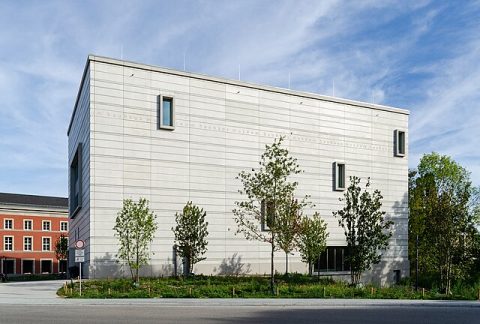
Bauhaus Museum Weimar
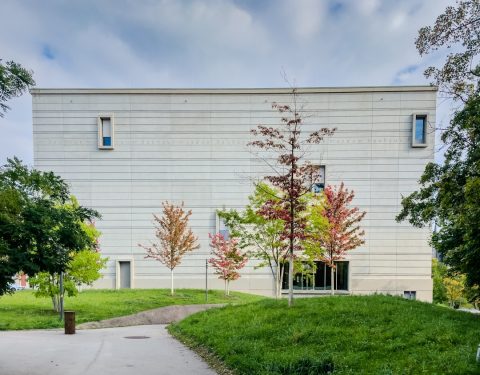
Opened in 2019 for the Bauhaus centenary, this striking contemporary building houses the world's oldest Bauhaus collection with over 13,000 objects. The museum chronicles the revolutionary design movement that transformed 20th-century architecture, art, and industrial design. Exhibitions feature works by founder Walter Gropius, along with Johannes Itten, Lyonel Feininger, Paul Klee, and Wassily Kandinsky. The displays showcase furniture, ceramics, textiles, and architectural models that embodied the Bauhaus philosophy of uniting art with craftsmanship. Interactive elements and a workshop space engage visitors with Bauhaus principles. As part of a UNESCO World Heritage Site, this museum demonstrates how Weimar's radical ideas continue shaping modern aesthetics.
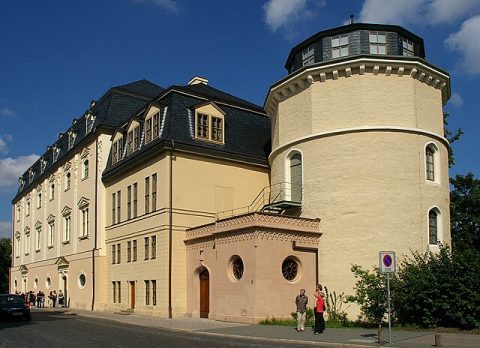
Duchess Anna Amalia Library
One of Europe's most breathtaking libraries, housing over one million volumes from the 9th to 21st centuries. The crown jewel is the exquisite Rococo Hall from 1766, where ornate white and gold decorations frame floor-to-ceiling bookshelves adorned with philosopher busts, paintings, and a magnificent ceiling fresco. This UNESCO World Heritage Site preserves medieval manuscripts, early printed books, maps, globes, and Friedrich Nietzsche's private library. The historic collection focuses on European literature and culture from 1750-1850, the Age of Enlightenment. Despite a devastating 2004 fire that destroyed 50,000 books, meticulous restoration has returned the Rococo Hall to its 18th-century splendor. Book a timed ticket ahead; tickets are released up to three months in advance. Limited same-day tickets may be available.
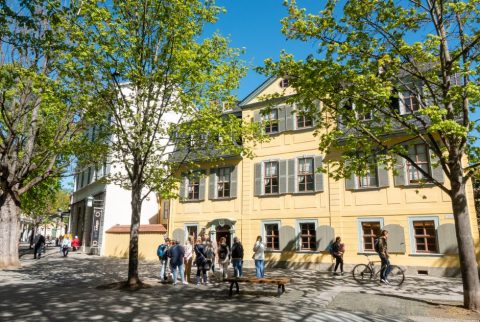
Schiller's Residence Museum
Friedrich Schiller spent his final three productive years (1802-1805) in this elegant townhouse on Esplanade. Here he completed masterworks including The Bride of Messina and William Tell. The museum preserves his study, living quarters, and the room where he died, all furnished with period pieces and personal belongings. The connected modern museum building provides deeper context about Schiller's literary achievements, his friendship with Goethe, and his impact on German theater and philosophy. Visitors gain intimate understanding of the writer's working methods, family life, and the intellectual ferment of Weimar Classicism. The modest house contrasts poignantly with Schiller's towering cultural legacy.
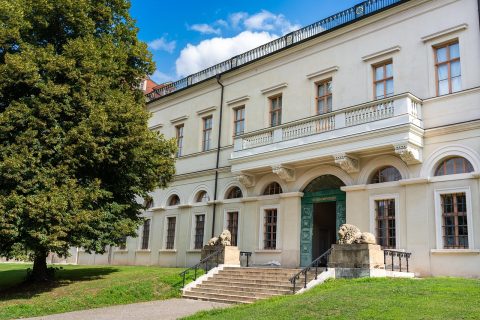
Museum Neues Weimar
Housed in the former Grand Ducal Museum building from 1869, this museum reopened in 2019 showcasing early modern art from 1800-1945. The permanent exhibition traces artistic development from the Weimar School of Painting through Henry van de Velde's Art Nouveau designs. Collections include works that bridge Weimar's classical heritage with modernist innovations. A large hands-on workshop invites visitors to engage with artistic techniques. The building itself represents one of Germany's first purpose-built museums, and its grand architecture complements the progressive art within. The museum connects Weimar's dual identity as both a guardian of tradition and an incubator of radical new ideas.
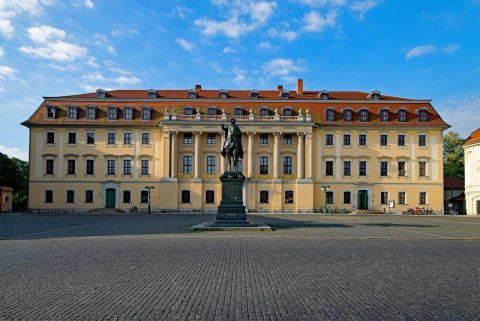
Liszt House
Composer Franz Liszt lived in this charming former court gardener's house at the Park an der Ilm's edge from 1869 until his death in 1886. The museum preserves the rooms where Liszt gave lessons to talented young pianists from across Europe, maintaining his reputation as one of history's greatest piano pedagogues. Personal effects, manuscripts, portraits, and his piano create an atmospheric tribute to the Romantic era's most virtuosic performer. The modest dwelling reflects Liszt's later years devoted to teaching and composition rather than concert touring. Garden views overlooking the park provide the peaceful setting where he crafted his late works.
Tips for Museums & Galleries
- Critical: Timed tickets can be booked up to three months ahead; advance booking is recommended. - they sell out quickly with limited daily capacity
- The €32.50 Weimar Card is valid for 48 hours and includes city buses and one-time entry to listed museums; check the current benefits before buying.
- Many museums close on Mondays - plan accordingly
- Several museums offer combined tickets through Klassik Stiftung Weimar
Weimar's churches reflect centuries of religious and artistic heritage, housing masterpieces by Lucas Cranach and serving as final resting places for the city's luminaries.
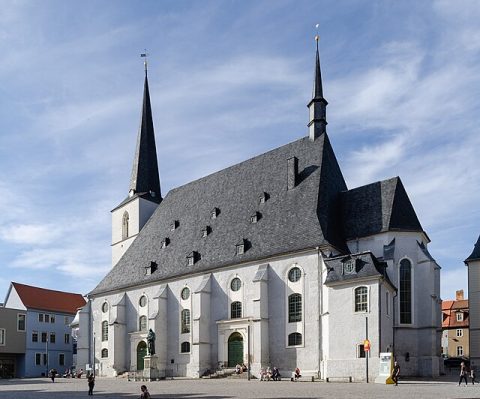
Herder Church (St. Peter and Paul)
This stunning Gothic church, consecrated around 1245 with current structure dating to the late 15th century, is best known for housing Lucas Cranach the Elder's magnificent Crucifixion triptych altarpiece. Completed just before his death in 1553, this Reformation masterpiece depicts Christ's crucifixion with remarkable emotional power and theological depth. The church is named after Johann Gottfried Herder, the influential philosopher and theologian who preached here. The soaring interior, beautiful stained glass, and historical significance make this an essential stop. The church played a pivotal role in Weimar's cultural and spiritual life during the Classical period.
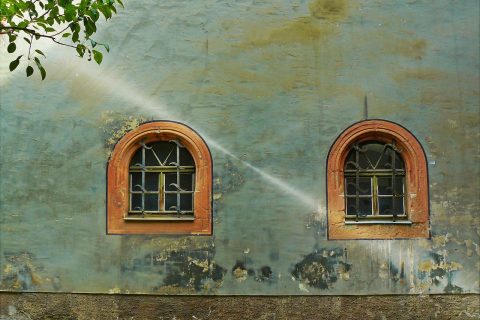
Historical Cemetery & Ducal Vault
This peaceful cemetery serves as the final resting place of Goethe and Schiller, whose coffins lie side by side in the Ducal Vault's atmospheric crypt. The Russian Orthodox-style chapel houses this mausoleum where Weimar's ruling family and its greatest citizens are interred. Walking through the cemetery's pathways lined with monuments to artists, writers, and scholars creates a profound connection to Weimar's cultural legacy. The serene setting, about 10 minutes' walk from the city center, offers quiet contemplation away from tourist crowds. Other notable figures buried here include publisher Friedrich Justin Bertuch and painter Christian Daniel Rauch. The cemetery embodies Weimar's reverence for its intellectual heritage.
Tips for Religious Sites
- The Herder Church is still an active parish - check service times before visiting
- Don't miss the walk to the Historical Cemetery - it's a moving pilgrimage for literature lovers
- Photography inside churches may be restricted during services
Beyond museums, Weimar preserves significant historical sites that witnessed both enlightenment and darkness, from elegant palaces to the sobering Buchenwald Memorial.
Buchenwald Memorial
Located 10 km north of Weimar, Buchenwald stands as a stark reminder of Nazi atrocities. Between 1937-1945, approximately 56,000 prisoners perished in this concentration camp. The Soviet Special Camp No. 2 held nearly 28,500 people from 1945 to 1950; 7,113 died. Today's memorial includes preserved barracks, the camp gate with its cynical "Jedem das Seine" inscription, watchtowers, and a comprehensive museum documenting perpetrators by name and honoring victims. The bell tower visible from Weimar serves as a constant memorial. Guided tours (book well in advance) provide essential historical context. This sobering visit is crucial for understanding the complete spectrum of Weimar's and Germany's history. Direct buses operate from the city center multiple times daily.
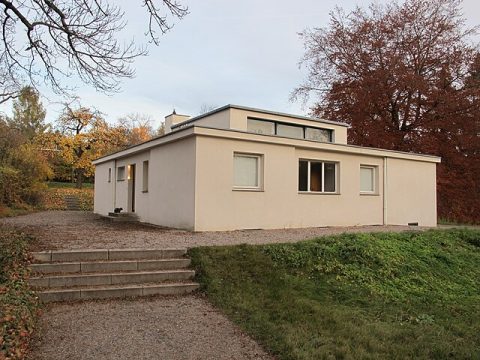
Haus am Horn
This experimental house from 1923 represents the first complete architectural project realized by the Bauhaus movement. Built for the Bauhaus exhibition, Georg Muche designed this cubic residence to demonstrate revolutionary concepts of modern living, functional design, and industrial production methods. The compact layout maximizes efficiency while maintaining livability, with built-in furniture, innovative kitchen design, and consideration for mass production. As part of the UNESCO World Heritage Site "Bauhaus and its Sites in Weimar, Dessau and Bernau," this preserved prototype house shows how Bauhaus principles translated from theory to practical residential architecture. The minimalist aesthetic and rational design influenced countless modernist buildings worldwide.
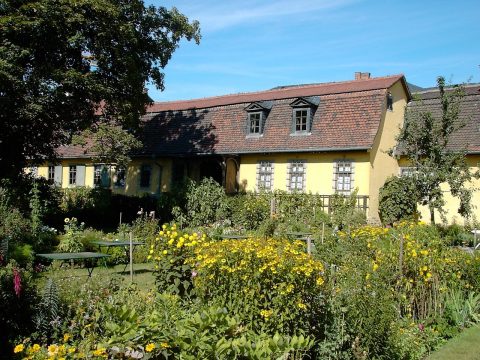
Wittumspalais (Dowager's Palace)
Built in 1767, this elegant palace served as home to Dowager Duchess Anna Amalia after a fire destroyed part of the City Palace. The Wittumspalais became the heart of Weimar's cultural salon society, where Anna Amalia hosted her famous "Round Table" gatherings. Goethe, Schiller, Herder, and Wieland regularly attended these intellectual soirées that defined Weimar Classicism. The restored interiors showcase late 18th-century aristocratic taste with period furnishings, artwork, and personal belongings. The Green Salon preserves the intimate atmosphere where Germany's greatest minds debated philosophy, literature, and art. This lesser-known gem offers unique insight into the social dynamics behind Weimar's cultural golden age.
Tips for Ancient & Historical Sites
- Buchenwald visits require emotional preparation - recommended minimum age is 14 years
- Tours at Buchenwald should be booked weeks or months in advance
- Haus am Horn is easily reached from Goethe's Garden House in Park an der Ilm (4-minute walk)
Weimar's historic squares and cobblestone streets form the stage where centuries of cultural history unfolded, offering charming architecture and vibrant public spaces.
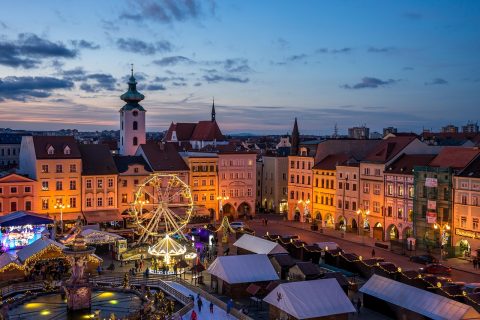
Market Square (Marktplatz)
Weimar's bustling cobblestone marketplace has been the city's commercial and social heart for centuries. The square features the impressive Town Hall, the ornate Neptune Fountain, and the Lucas Cranach House where the famous Renaissance painter spent his final year. The Tourist Information office occupies one corner, making this an ideal starting point for exploration. Colorful facades of Renaissance and Baroque buildings frame the square, housing cafés, restaurants, and shops. Weekly markets still bring local vendors selling flowers, produce, and crafts. The Hotel Elephant, where Thomas Mann set scenes from his novel "Lotte in Weimar," adds literary prestige. During festivals like the Onion Market, this square transforms into the festival's vibrant epicenter.
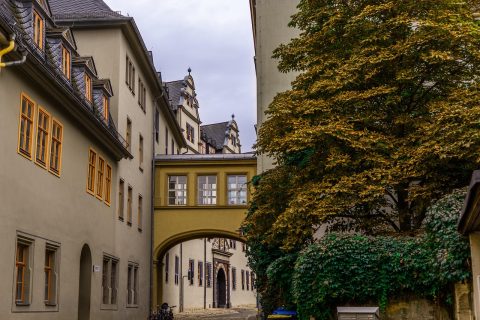
Theaterplatz
This elegant square serves as Weimar's cultural epicenter, dominated by the Goethe-Schiller Monument and the German National Theater. The harmonious neoclassical architecture creates a fitting stage for commemorating German cultural achievements. Street performers and artists often animate the space, while cafés offer perfect vantage points for people-watching. The square connects to the Bauhaus Museum and Wittumspalais, making it a natural gathering point during city exploration. During summer, outdoor events and concerts utilize the spacious plaza. The square embodies Weimar's identity as Germany's cultural capital, where art, architecture, and history converge.
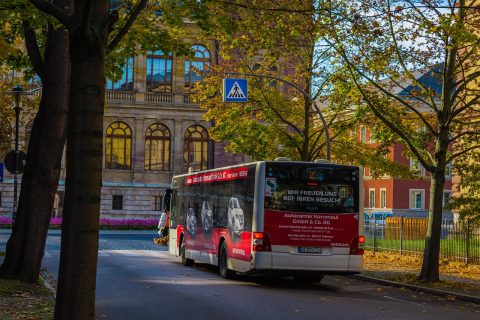
Frauenplan
This historic square gained fame as the location of Goethe's residence, where he lived for 50 years. The square's name predates Goethe's time, derived from "Frauenkloster" (women's monastery). Today, visitors can dine at Gasthaus zum Weißen Schwan, Goethe's favorite inn, which still serves traditional Thuringian cuisine. The square provides a quieter alternative to busier Marktplatz while maintaining proximity to major attractions. Period buildings and well-maintained facades preserve the 18th-century atmosphere Goethe would recognize. Small cafés and restaurants make this an excellent spot to rest and reflect on your Weimar explorations while literally following in the footsteps of genius.
Tips for Squares & Streets
- Marktplatz hosts regular farmers' markets - check local schedules
- Many squares have outdoor seating - perfect for coffee breaks between sightseeing
- The compact old town means most squares are within 5-10 minutes' walk of each other
Weimar's extensive parklands and palace gardens offer romantic landscapes designed in the English style, perfect for leisurely walks following paths once trodden by Goethe himself.
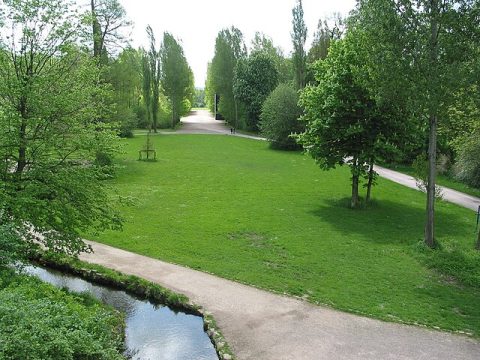
Park an der Ilm
This magnificent 48-hectare landscaped garden stretches along the Ilm River through central Weimar. Duke Carl August and Goethe personally designed much of this English-style park starting in 1778, creating meandering paths, romantic vistas, and hidden grottos. Key features include Goethe's Garden House (his first Weimar residence and creative retreat), the Roman House (Carl August's neoclassical summer residence), the Liszt House, the Borkenhäuschen hermitage, and the unique Stone of Good Luck sculpture designed by Goethe. Tree-lined pathways, meadows, and riverside walks provide peaceful escape just steps from the city center. The park exemplifies German Romantic landscape design and remains a beloved green space for locals and visitors. Part of the UNESCO World Heritage ensemble "Classical Weimar."
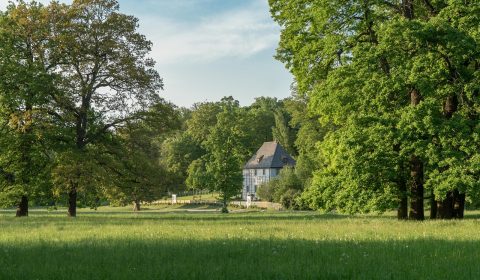
Goethe's Garden House
This charming vineyard cottage became Goethe's first Weimar home in 1776, gifted by Duke Carl August. For six years, the 27-year-old Goethe lived here while beginning his administrative duties and poetic work. Even after moving to his Frauenplan residence, he maintained the garden house as a creative sanctuary until his death in 1832. The simple interior preserves original furniture including Goethe's standing desk and "Sitzbock" seat. The surrounding garden features the Stone of Good Luck, one of Germany's first non-figurative monuments. The modest cottage contrasts with Goethe's later grand residence, revealing his early simplicity and love of nature. The house and garden have been UNESCO World Heritage Sites since 1998, beloved by Goethe enthusiasts worldwide.
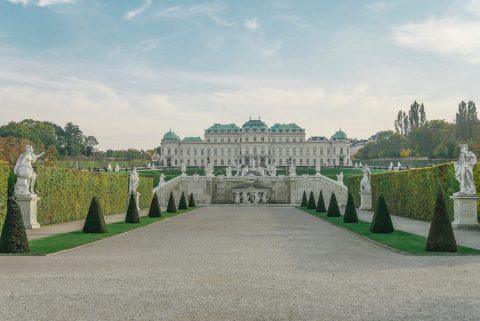
Belvedere Palace & Park
This stunning Baroque summer palace from 1748, built for Duke Ernst August I, sits on Weimar's outskirts surrounded by lavish formal gardens and parkland. The yellow palace complex exemplifies 18th-century pleasure palace architecture with elegant symmetry and decorative details. The manicured gardens feature geometric flower beds, sculptures, fountains, and a maze. The park's expansive English-style landscape includes tree-lined avenues, meadows, and walking paths. Music school students practice in outbuildings, creating a magical soundtrack of piano and violin. The palace interior houses period furniture, porcelain collections, and historical coaches. Part of UNESCO's "Classical Weimar" site, Belvedere offers romantic scenery and aristocratic splendor. Note: The palace closes in winter, but parks remain accessible year-round.
Tiefurt Park & Mansion
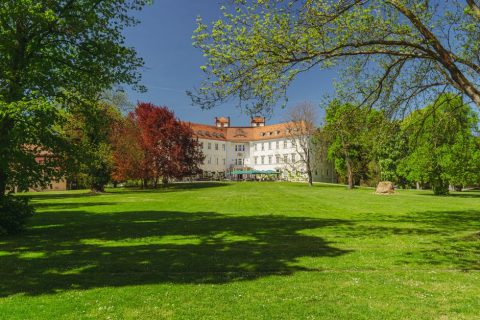
This riverside estate served as Duchess Anna Amalia's summer residence, where she hosted intimate cultural gatherings after retreating from court life. The neoclassical mansion contains original furnishings, artwork, and a library reflecting late 18th-century aristocratic taste. The English-style park along the Ilm River features romantic walking paths, garden pavilions, monuments, and scenic views. Goethe, Schiller, and other luminaries attended summer soirées here, continuing Weimar's tradition of intellectual salon culture in pastoral settings. The smaller scale and intimate atmosphere contrast with grander Belvedere Palace, offering insight into more personal aspects of court life. The estate forms part of Classical Weimar's UNESCO heritage, though it remains lesser-known and less crowded.
Tips for Parks & Gardens
- Park an der Ilm is free and accessible 24/7 - perfect for morning jogs or evening strolls
- Belvedere Palace is easily reached by city bus - included in Weimar Card
- Parks are especially beautiful during spring blossoms and autumn foliage
- Bring a picnic to enjoy in the expansive green spaces
Weimar's central location in Thuringia makes it an ideal base for exploring nearby castles, historic cities, and natural landscapes, all easily accessible by public transport.
Erfurt
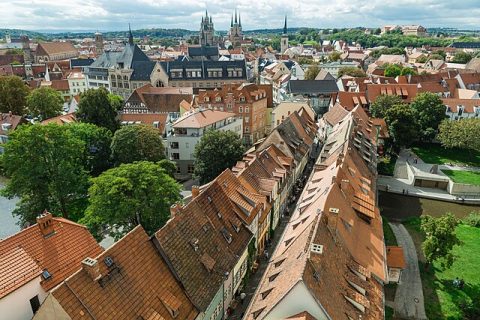
Just 15 minutes by train, Thuringia's capital offers one of Germany's largest preserved medieval old towns. Star attractions include the magnificent Cathedral of St. Mary where Martin Luther was ordained, the adjacent Church of St. Severus, and the unique Krämerbrücke (Merchants' Bridge) - Europe's longest inhabited bridge with shops selling handmade crafts. The beautifully preserved Old Synagogue displays a medieval Jewish treasure hoard. Erfurt's colorful half-timbered houses, lively university atmosphere, and excellent restaurants make it perfect for a full day excursion. The city suffered minimal WWII damage, preserving centuries of architecture. Combine Erfurt with Weimar for a complete Thuringian cultural experience. Easy regional train connections make this an effortless day trip.
Wartburg Castle (Eisenach)
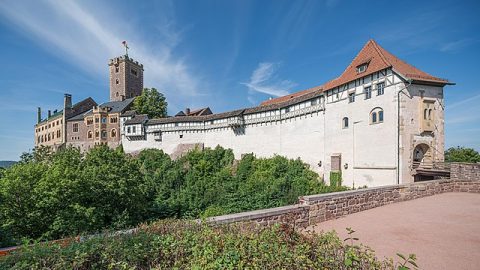
This majestic UNESCO World Heritage fortress, 50km west of Weimar, towers above Eisenach where Martin Luther translated the New Testament into German in 1521-22. The castle, founded in 1067, exemplifies medieval architecture with Romanesque palace sections, Gothic chambers, and 19th-century restorations. Luther's study room, the spectacular Festsaal (Festival Hall) with Byzantine-style mosaics, and St. Elisabeth's chambers tell centuries of German history. The castle also witnessed the legendary medieval Sängerkrieg (Minstrels' Contest) that inspired Wagner's opera Tannhäuser. Guided tours (mostly in German, English audio guides available) explore the magnificent rooms. The steep approach through forest adds dramatic atmosphere. Trains from Weimar to Eisenach take 50 minutes; from Eisenach station, take bus 10 or taxi to the castle, then climb the final 10-minute footpath.
Jena
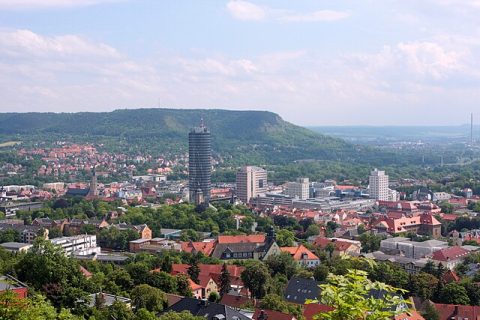
Just 20 minutes by train, this vibrant university city combines historic charm with cutting-edge optics and technology industries. Visit the world's oldest surviving planetarium (1926), climb the JenTower observation deck for panoramic views, explore the Botanical Garden founded by Goethe, and see the Phyletisches Museum showcasing evolutionary biology. The university, where Schiller taught and Hegel and Fichte lectured, shapes the city's intellectual atmosphere. Carl Zeiss and Ernst Abbe revolutionized optical science here - the Optical Museum traces this legacy. Medieval market squares, student pubs serving local beer, and the riverside Saale Valley provide pleasant strolling. Jena's youthful energy contrasts nicely with Weimar's classical elegance. Easy regional train connections make this an effortless half-day or full-day excursion.
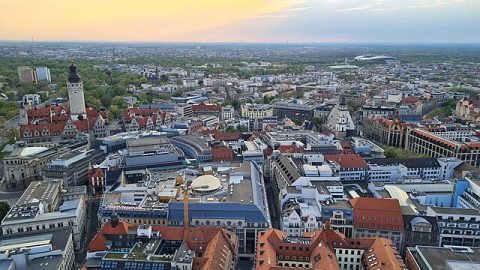
Leipzig
Saxony's second-largest city lies 1 hour northeast by train, offering world-class music heritage and dynamic urban culture. Visit the Thomaskirche where Bach served as cantor and is buried, the stunning Gewandhaus concert hall, Bach Museum, and Mendelssohn House. The city played pivotal roles in German history: the 1813 Battle of the Nations monument commemorates Napoleon's defeat, while the 1989 Monday Demonstrations helped topple East Germany's communist regime. Today's Leipzig buzzes with galleries, street art, trendy cafés in the Südvorstadt district, and the massive Hauptbahnhof (Europe's largest terminus station). The compact old town, beautiful Mädler-Passage shopping arcade, and Auerbachs Keller (Germany's second-most-famous restaurant after Goethe featured it in Faust) merit exploration. Easy hourly ICE and regional train connections.
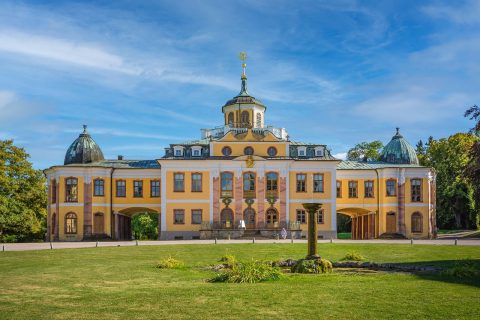
Dornburg Palaces
Three picturesque palaces crown a limestone cliff overlooking the Saale Valley, 30 minutes northeast of Weimar. The Renaissance Old Palace (1522), Rococo Palace (1736-1747), and Neo-Gothic Goethe Palace (named for the poet who stayed here in 1828) feature elegant interiors and magnificent terraced gardens. Goethe found inspiration and solace here after his friend Duke Carl August's death. The gardens cascade down the hillside with terraces offering spectacular valley views, flower beds, orchards, and romantic pathways. The intimate scale and peaceful setting make this lesser-known gem perfect for escaping crowds. Wine from estate vineyards can be purchased. Combine with Jena for a full day exploring the Saale Valley. Regional trains serve Dornburg station; palaces are a 15-minute uphill walk.
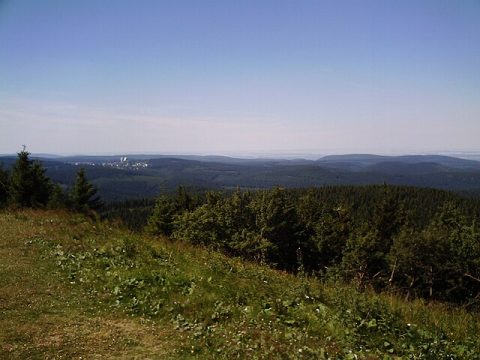
Thuringian Forest
This mountain range stretching southwest of Weimar offers hiking, scenic drives, and charming villages. The Rennsteig, Germany's oldest and most famous long-distance hiking trail (170km), traverses the forested ridges. Closer destinations include Oberhof (ski resort and summer hiking base 60km south), the Großer Inselsberg mountain with observation tower, and Friedrichroda with its impressive Marienglashöhle crystal cave. Traditional glass-blowing and Christmas ornament crafts continue in forest villages. The region's dense spruce forests, mountain meadows, and half-timbered towns provide quintessential German countryside experiences. Fall foliage and winter snow transform the landscape spectacularly. Access requires rental car or organized tours, as public transport to remote areas is limited. Consider guided tours from Weimar for hassle-free exploration.
Tips for Day Trips & Excursions
- Purchase the Thüringen-Ticket (€27 for 1 person, €7 each additional, max 5 people) for unlimited regional trains throughout Thuringia - perfect for day trips
- Wartburg Castle requires several hours including travel and tour - plan for half-day minimum
- Erfurt and Jena are easily combined as both are short train rides from Weimar
- Dornburg Palaces close during winter months (November-March) but Erfurt, Jena, and Leipzig are year-round destinations
- Check Deutsche Bahn website for train schedules - regional trains run hourly to most destinations
Enhance your Weimar experience with guided tours, cultural activities, and specialized experiences that provide deeper insights into the city's remarkable heritage.
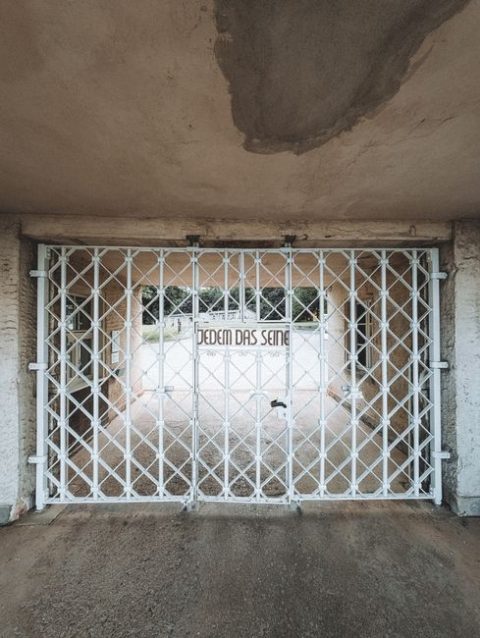
Buchenwald Memorial Guided Tours
Expert historians lead 3-4 hour tours of the concentration camp memorial, providing essential historical context that makes this difficult site comprehensible. Guides explain the camp's establishment in 1937, prisoner categories and nationalities, forced labor systems, medical experiments, resistance efforts, liberation by American forces in April 1945, and subsequent Soviet use until 1950. Tours visit preserved barracks, the crematorium, the "Jedem das Seine" gate, storage building, and the comprehensive museum. The bell tower memorial and sculptures by Fritz Cremer are interpreted within their Cold War East German context. Given the site's complexity and emotional weight, guided tours are strongly recommended over self-guided visits. Multiple languages available. Book well in advance, especially for English tours - spaces are limited and demand is high.
Classical Weimar Walking Tour
Professional 2-hour guided walks through the historic center connect Weimar's major landmarks with stories of Goethe, Schiller, and the cultural golden age. English-language tours available daily during summer season (April-October), weekends in winter. Tours typically cover Marktplatz, Theaterplatz with the Goethe-Schiller Monument, Herder Church, and key literary sites while narrating the intertwined lives of Weimar's genius residents. Guides provide historical context about the Duchy of Saxe-Weimar-Eisenach, Anna Amalia's cultural patronage, and Classical Weimar's lasting impact on German identity. Public tours require no reservation and depart from Tourist Information. Private tours can be arranged for groups with specialized themes (architecture, music, women in Weimar Classicism).

Theatrical Performances at German National Theater
Experience world-class opera, classical concerts, and dramatic performances at the historic German National Theater. The Staatskapelle Weimar, one of Germany's oldest orchestras with a pedigree stretching back to 1491, performs regularly. The repertoire includes classic works by Goethe, Schiller, Mozart, Wagner, and contemporary pieces. The theater itself, birthplace of the Weimar Republic, adds historical gravitas to performances. Ticket prices range from €10-60 depending on seats and production. The season runs September-June with reduced summer programming. Online booking opens months in advance - popular productions sell out quickly. Even non-German speakers appreciate the musical performances and can follow dramatic works with English plot summaries. Dress code is smart casual to formal.
Bauhaus Architecture Tour
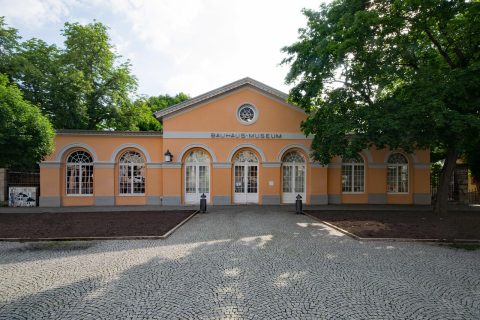
Specialized tours explore Weimar's Bauhaus heritage beyond the museum, visiting the Main Building of Bauhaus University (formerly the Art School where the movement began), the Haus am Horn experimental house, and modernist residential buildings. Expert guides explain the school's revolutionary pedagogy, conflicts with conservative Weimar society, and eventual forced departure to Dessau in 1925. Tours illuminate how Walter Gropius, Johannes Itten, Paul Klee, Wassily Kandinsky, and other masters transformed art education and design philosophy. The 2-3 hour tours reveal architectural details often missed by casual visitors and discuss the Bauhaus's continuing influence on contemporary design. Offered by Klassik Stiftung Weimar and private tour operators - book online in advance.
Bicycle Tours
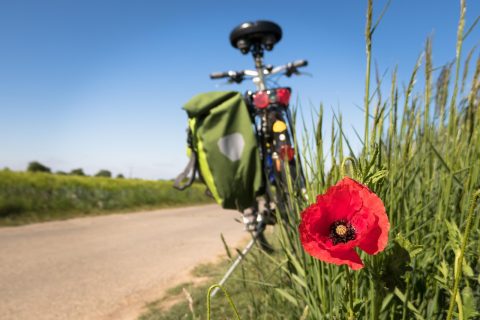
Pedal through Weimar and surroundings on guided cycling tours covering 20-40km. Popular routes include the Ilm Valley Cycle Path following the river through Park an der Ilm to Belvedere Palace and beyond, visits to Tiefurt and Dornburg, or countryside excursions through Thuringian villages. The flat to gently rolling terrain suits all fitness levels. Tours typically last 3-5 hours including stops at monuments, gardens, and local cafés. Bikes, helmets, and route maps provided. Independent cyclists can rent bikes and follow marked routes - the Ilm-Saale Cycle Path connects Weimar to Jena along scenic riverside paths. E-bikes available for those wanting assistance. Several rental shops operate near the train station and old town. Spring through autumn offers best cycling weather.
Tips for Tours & Activities
- Book Buchenwald tours at least 2-4 weeks in advance, especially for English-language tours which have limited capacity
- Theater tickets can be purchased online, by phone, or at the box office - popular performances sell out weeks ahead
- Free walking tours (tip-based) operate in summer but may lack depth compared to professional tours
- Many museums offer their own guided tours included with admission or for small additional fees
- Consider booking a private guide for customized tours focused on your specific interests
Real, highly-rated Restaurants in Weimar, sourced from Google Places (rating above 4★).
Kaukasischer Hof - Weimar
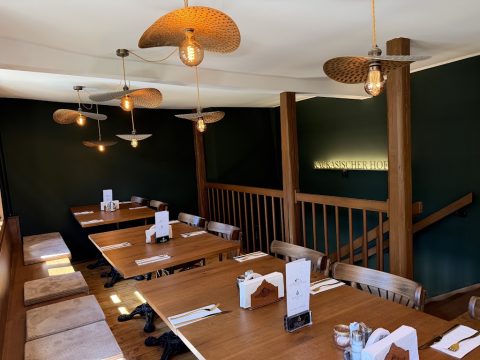
Kaukasischer Hof - Weimar is a highly-rated restaurant in Weimar, rated 5★ from 57 reviews. Located at Brauhausgasse 13, 99423 Weimar, Germany.
Opening Hours
- Monday: Closed
- Tuesday: 5:00 – 10:00 PM
- Wednesday: 5:00 – 10:00 PM
- Thursday: 5:00 – 10:00 PM
- Friday: 5:00 – 10:00 PM
- Saturday: 12:00 – 10:00 PM
- Sunday: 12:00 – 10:00 PM
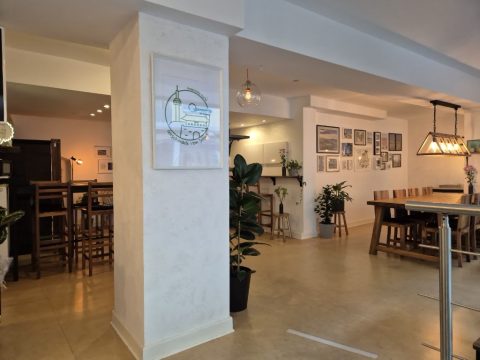
Geschmack von Seoul
Geschmack von Seoul is a highly-rated restaurant in Weimar, rated 5★ from 132 reviews. Located at Marktstraße 3, 99423 Weimar, Germany.
Opening Hours
- Monday: 11:30 AM – 3:00 PM, 5:00 – 8:30 PM
- Tuesday: 11:30 AM – 3:00 PM, 5:00 – 8:30 PM
- Wednesday: Closed
- Thursday: 11:30 AM – 3:00 PM, 5:00 – 8:30 PM
- Friday: 11:30 AM – 3:00 PM, 5:00 – 8:30 PM
- Saturday: Closed
- Sunday: Closed
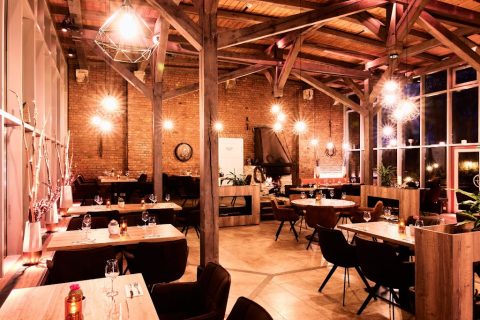
Die Alte Remise Weimar
Die Alte Remise Weimar is a highly-rated restaurant in Weimar, rated 4.8★ from 650 reviews. Located at Hauptstraße 14, 99425 Weimar-Tiefurt, Germany.
Opening Hours
- Monday: 12:00 – 5:00 PM
- Tuesday: 12:00 – 5:00 PM
- Wednesday: 12:00 – 9:00 PM
- Thursday: 12:00 – 9:00 PM
- Friday: 12:00 – 9:00 PM
- Saturday: 12:00 – 9:00 PM
- Sunday: 12:00 – 9:00 PM
Explore Weimar on the Map
Optimal Visiting Seasons
April to October offers the most pleasant weather for exploring Weimar's parks and outdoor attractions, with the city particularly beautiful during spring blooms (April-May) and autumn foliage (September-October).
Summer (June-August) brings numerous festivals, outdoor concerts, and events. Temperatures average 20-25°C (68-77°F), perfect for strolling through Park an der Ilm and visiting palace gardens. This is peak tourist season, so book accommodations and popular museum tours well in advance.
October hosts the famous Weimar Onion Market (Zwiebelmarkt) on the second weekend - Germany's largest folk festival with over 350,000 visitors. The entire city transforms into a carnival atmosphere with onion-themed decorations, street food, crafts, and entertainment.
December features charming Christmas markets in Marktplatz and Theaterplatz, offering traditional Thuringian treats, mulled wine, and handcrafted gifts against a backdrop of illuminated historic buildings.
Winter (November-March) sees fewer crowds and lower hotel prices. While some outdoor attractions like Belvedere Palace close, all major museums remain open. Temperatures hover around 0-5°C (32-41°F), but the compact old town makes indoor sightseeing comfortable.
| Month | Avg Temp | Conditions |
|---|---|---|
| Apr-May | 10-18°C | Spring blossoms, mild weather |
| Jun-Aug | 18-25°C | Peak season, festivals, warm |
| Sep-Oct | 12-18°C | Autumn colors, Onion Market |
| Nov-Mar | 0-8°C | Fewer crowds, Christmas markets |
Getting to Weimar
By Train: Weimar's Hauptbahnhof (main station) connects to Germany's ICE high-speed rail network. Leipzig–Weimar trains require a change on many connections; DB lists the fastest journey at about one hour. Regional trains serve nearby cities like Erfurt (15 minutes) and Jena (15 minutes). The train station lies 2km north of the old town - take bus 1, 3, 5, or 10 to the center (10 minutes).
By Air: Travel by rail via Leipzig Hauptbahnhof; the Leipzig–Weimar leg takes about an hour and requires a change on many services. Frankfurt Airport (FRA), Germany's major hub, is 3 hours by train. Erfurt-Weimar Airport handles limited regional flights.
By Car: Weimar lies near the A4 autobahn. From Frankfurt: 3 hours via A4. From Berlin: 3 hours via A9/A4. Parking in the old town is limited and expensive - use Park & Ride facilities on the outskirts.
Getting Around Weimar
Walking: The compact historic center (1.5km across) makes walking the best option. Most attractions lie within 10-15 minutes of each other. The city is flat and pedestrian-friendly with well-maintained sidewalks.
City Buses: Efficient bus network covers areas beyond walking distance (Buchenwald, Belvedere Palace). The current Weimar Card page lists a single city-bus ride at €2.90; check the operator for current day-ticket prices. Buses 1, 3, 5, 6, 8, 10 serve main routes. Check the current Buchenwald bus timetable before travelling.
Weimar Card: At €32.50 for 48 hours (€17 for 24 hours), this card includes unlimited public transport, free entry to most state museums, and discounts at shops/restaurants. Purchase at Tourist Information, hotels, or online.
Bicycle: Bike rental available from hotels and rental shops (€10-15/day). Excellent cycling paths through parks and along the Ilm River. The flat terrain makes cycling pleasant.
Taxis: Available at train station and by phone. Short trips within center cost €8-12.
✈️ Airport Transfer
Leipzig/Halle Airport (LEJ) to city center:
- Route via Leipzig Hauptbahnhof; fares and journey times vary by connection. DB lists Leipzig–Weimar fares from €27.99 on a sample 2026 journey.
- Rental car: Drive via A9 and A4 in about 1 hour 10 minutes, rates from 35 euros per day
- Private transfer: Door-to-door shuttle to Weimar hotels in about 1 hour 15 minutes, roughly 130 euros for up to 3 passengers
- Taxi: Direct taxi for the full 100 km distance takes about 1 hour 10 minutes and costs approximately 170 euros
What to Buy in Weimar
Books & Literary Items: First editions, literary criticism, and works by Goethe, Schiller, and other German classics from specialized bookshops around Marktplatz. Museum shops at Goethe House and Bauhaus Museum sell excellent scholarly books and reproductions.
Bauhaus Design: Authentic Bauhaus-inspired furniture, textiles, ceramics, and prints from the Bauhaus Museum shop and specialized design stores. Modern reproductions of classic Bauhaus products make stylish souvenirs.
Thuringian Handicrafts: Traditional blue-printed fabrics, hand-blown glass ornaments, wooden toys from the Ore Mountains, and ceramic pottery representing regional artisan traditions.
Onion Braids (Zwiebelzöpfe): Decorative braided onion ropes - Weimar's signature craft, especially during the annual Onion Market. These culinary/decorative items can be found year-round in specialty shops.
Local Food Products: Thuringian bratwurst (vacuum-packed for travel), regional honey, fruit preserves, and specialty mustards from market vendors and delicatessens.
Wine & Spirits: Saale-Unstrut wines from nearby wine regions, fruit brandies, and herbal liqueurs from Thuringian producers.
Shopping Areas
Marktplatz & Old Town: Boutiques, souvenir shops, bookstores, and artisan studios cluster around the market square. The Atrium shopping passage offers modern retail.
Schillerstraße: Main shopping street with chain stores, fashion boutiques, and specialty shops extending from the station toward the old town.
Weekly Markets: Fresh produce, flowers, baked goods, and regional products sold at Marktplatz markets (Wednesday and Saturday mornings).
Shopping Tips
- Stores typically open Monday-Saturday 10:00-18:00 (some close earlier on Saturday); closed Sundays except during special events
- Museums shops offer high-quality, culturally relevant items - often better than tourist shops
- The Onion Market in October features over 500 vendors selling crafts, food, and souvenirs
- Credit cards accepted in most shops, but smaller stores and market vendors prefer cash
Annual Events & Festivals
The 2026 Onion Market runs October 9–11: Germany's largest folk festival dating to 1653, attracting 350,000+ visitors. The entire city center transforms with 500+ stalls selling onion braids, crafts, food, and souvenirs. Expect parades, live music, traditional dancing, and streets lined with onion decorations. Hotels book out months in advance for this legendary event.
Kunstfest Weimar - August/September: Major arts festival featuring contemporary theater, dance, music, and performance art. International artists present avant-garde works across multiple venues, celebrating Weimar's continuing cultural innovation.
Weimar Christmas Market - Late November to December: Traditional Christmas markets fill Marktplatz and Theaterplatz with wooden stalls selling handcrafted ornaments, regional foods, mulled wine, and gifts. The illuminated old town creates magical holiday atmosphere.
Weimarer Meisterkurse (Master Classes) - February: Top musicians hold public master classes and concerts, continuing Liszt's pedagogical legacy. Young talents from worldwide study with renowned performers.
Long Night of Museums - May: Museums stay open until midnight with special tours, performances, and activities. A single ticket grants access to all participating institutions.
Park Festival - June: Summer concerts and performances in Park an der Ilm, featuring classical music, jazz, and contemporary acts in beautiful outdoor settings.
Goethe's Birthday - August 28: Special exhibitions, readings, and commemorative events celebrate Germany's greatest poet throughout the city.
National Holidays (Germany)
- New Year's Day (January 1)
- Good Friday & Easter Monday (March/April - dates vary)
- Labor Day (May 1)
- Ascension Day (May/June - 40 days after Easter)
- Whit Monday (May/June - 50 days after Easter)
- Day of German Unity (October 3)
- Christmas (December 25-26)
Most shops and some attractions close on public holidays, though restaurants and cafes typically remain open.
Sample Day Itineraries for Weimar
Day 1: Classical Weimar Highlights
Morning (9:00-12:30): Start at Goethe's House & National Museum (arrive at opening for smaller crowds). Spend 2-2.5 hours exploring where Germany's greatest writer lived and worked. Walk to nearby Schiller's House (10 minutes) for another 1-1.5 hours.
Lunch (12:30-14:00): Traditional Thuringian lunch at Gasthaus zum Weißen Schwan on Frauenplan, Goethe's favorite tavern.
Afternoon (14:00-17:00): Visit the Duchess Anna Amalia Library - must book weeks in advance (1 hour). Walk through the old town to Herder Church to see Cranach's altarpiece (30 minutes). Explore Marktplatz and shop for souvenirs (45 minutes).
Evening (17:00-19:00): Stroll through Park an der Ilm to Goethe's Garden House, enjoying the romantic landscape. End at Theaterplatz for sunset photos with the Goethe-Schiller Monument. Dinner at a traditional restaurant near the market square.
Day 2: Bauhaus & Modern Weimar
Morning (9:00-12:00): Visit the Bauhaus Museum when it opens (avoid crowds). Spend 1.5-2 hours exploring revolutionary design history. Walk to Museum Neues Weimar (15 minutes) for early modern art (1-1.5 hours).
Lunch (12:00-13:30): Modern café near Theaterplatz.
Afternoon (13:30-17:00): Take bus or taxi to Haus am Horn, the experimental Bauhaus house (45 minutes including travel). Visit Liszt House in Park an der Ilm (45 minutes). Walk to the Historical Cemetery and Ducal Vault where Goethe and Schiller rest (1 hour).
Evening (17:00-20:00): If available, attend a performance at the German National Theater. Alternatively, enjoy dinner with local wines, then evening walk through the illuminated old town.
Day 3: Palaces & Gardens
Morning (9:00-12:30): Take bus to Belvedere Palace and Park. Explore the Baroque palace and formal gardens, stroll through the English landscape park (3 hours including travel time).
Lunch (12:30-14:00): Picnic in Belvedere Park or return to city center for restaurant lunch.
Afternoon (14:00-17:30): Visit Wittumspalais to see where Anna Amalia hosted her cultural salon (1 hour). Walk through central Park an der Ilm, visiting the Roman House and various monuments (2 hours).
Evening (17:30-20:00): Sunset at the Stone of Good Luck in Park an der Ilm. Dinner at a wine bar or traditional restaurant, sampling Saale-Unstrut regional wines.
Day 4: Sobering History & Excursion
Morning (9:00-13:00): Visit Buchenwald Memorial - take bus 6 from the city center. Allow 3-4 hours for this important but emotionally demanding experience. Guided tours provide essential context (book in advance).
Lunch (13:00-14:30): Simple lunch back in Weimar.
Afternoon (14:30-19:00): Regional trains connect Erfurt and Weimar in about 15 minutes; check the departure timetable for your date. Explore Thuringia's capital: Cathedral and Church of St. Severus, Krämerbrücke merchants' bridge, Old Synagogue, and charming old town. Return to Weimar for dinner.
Evening: Quiet dinner and reflection on the full spectrum of German history experienced today.
Day 5: Literary Deep Dive & Tiefurt
Morning (9:00-13:00): Revisit favorite sites or explore places you missed. Consider Museum Neues Weimar if skipped earlier, or spend more time at Goethe's House delving deeper into exhibits. Browse bookshops for German classics and scholarly works.
Lunch (13:00-14:30): Leisurely lunch at a café on Marktplatz, perfect for people-watching.
Afternoon (14:30-18:00): Take bus to Tiefurt Mansion and Park. This lesser-known gem offers Anna Amalia's summer retreat with beautiful riverside walks and intimate palace interiors (2-2.5 hours including travel). Return to city center.
Evening (18:00-21:00): Final evening in Weimar: sunset walk through your favorite park areas, farewell dinner celebrating Thuringian cuisine, perhaps catch a concert or simply enjoy the illuminated monuments one last time. Purchase any last-minute gifts or books.
Instagram & Photography Locations
Goethe-Schiller Monument at Golden Hour: The iconic bronze statue in Theaterplatz photographs beautifully during the 30 minutes before sunset. Position yourself to capture the monument with the German National Theater as backdrop. Early morning (7-8am) offers soft light with fewer tourists.
Duchess Anna Amalia Library Rococo Hall: The stunning white-and-gold reading room is photography heaven, but tripods are prohibited and flash forbidden. Stand at the entrance for the classic symmetrical shot capturing floor-to-ceiling bookshelves and the ornate ceiling fresco. Visit midday when natural light through windows illuminates the space best.
Park an der Ilm River Views: Walk to the bridge near Goethe's Garden House for reflections of weeping willows in the calm Ilm River. Spring (April-May) adds cherry blossoms; autumn (September-October) provides golden foliage. Morning mist creates ethereal atmosphere.
Marktplatz from Hotel Elephant Corner: Shoot from the corner near Hotel Elephant to capture the Town Hall, Neptune Fountain, and colorful baroque facades together. During Onion Market (October) or Christmas Market (December), the square transforms with decorations and stalls.
Belvedere Palace Formal Gardens: The geometric flower beds with the yellow Baroque palace behind create perfect symmetry. Climb to upper garden terraces for elevated perspective. Summer blooms (June-August) provide maximum color; early morning light (8-9am) avoids harsh shadows.
Historical Cemetery Tree-Lined Paths: The avenue leading to the Ducal Vault, especially during autumn when leaves create golden tunnels. The Russian Orthodox-style chapel dome also photographs dramatically against blue skies. Respectful, quiet photography only.
Cranach's Altarpiece in Herder Church: The magnificent triptych allows photography without flash. Position yourself centrally in the nave during midday when nave windows illuminate the artwork. The Gothic architecture frames shots beautifully.
Bauhaus Museum Architecture: The modern museum's minimalist concrete exterior with bold "BAUHAUS" lettering makes striking architectural photos. Shoot from across the street to capture the full facade. Interior exhibits discourage flash but allow photography - capture the iconic design pieces.
City Palace Colonnade: The neoclassical columns reflected in windows or shot at angles create geometric patterns beloved by architecture photographers. Despite renovation work, the exterior facade remains photogenic from various angles along the Ilm River side.
Goethe's Garden House & Stone of Good Luck: The charming yellow cottage surrounded by greenery, especially with flowers in foreground (spring/summer). The abstract Stone of Good Luck sculpture nearby offers modern art contrast. Late afternoon sidelight enhances textures.
Photography Tips
- Best Overall Light: 7-9am and 5-7pm (varies by season) provide soft, golden light
- Crowds: Visit major monuments before 10am or after 4pm to avoid tour groups
- Weather: Overcast days work well for park photography, diffusing harsh sunlight
- Respect: No photography inside museums without permission; silence phones in churches
- Seasonal Colors: Cherry blossoms (April), summer flowers (June-July), autumn foliage (late September-October), Christmas lights (December)
- Drone Photography: Requires permits and is restricted near historic monuments
Electrical Information for Germany
Voltage: Germany uses 230V at 50Hz frequency, standard throughout the European Union.
Plug Types: Type C (Europlug with two round pins) and Type F (Schuko with two round pins and grounding clips) are used. Type F is most common in hotels and homes.
Adapters Needed: Travelers from the UK, USA, Canada, Australia, and most non-European countries will need plug adapters. These are available at airports, electronics stores, and many hotels.
Voltage Converters: Most modern electronics (smartphones, laptops, camera chargers) have built-in converters that handle 110-240V and only need plug adapters. Check device labels - if they say "INPUT: 100-240V" you only need an adapter, not a converter. Hair dryers, curling irons, and other heating appliances may need voltage converters unless rated for 230V.
Where to Buy: Adapters available at Weimar train station shops, electronics stores on Schillerstraße, or order online before departure. Universal travel adapters work throughout Europe. Expect to pay €5-15 for basic adapters.
USB Charging: Many modern German hotels have USB ports built into room outlets. Cafés and restaurants increasingly offer USB charging stations for customer use.
| Device Type | Needs Adapter | Needs Converter |
|---|---|---|
| Smartphones/Laptops | Yes | No (built-in) |
| Camera chargers | Yes | No (built-in) |
| Hair dryers (US/UK) | Yes | Usually Yes |
| Electric shavers | Yes | Check device rating |
Thuringian & German Cuisine
Must-Try Dishes in Weimar:
Thüringer Rostbratwurst: The region's most famous dish - grilled pork sausage seasoned with marjoram, caraway, and garlic. Served in a crusty roll (Brötchen) with mustard. Look for vendors grilling them over charcoal for authentic flavor. These protected-origin sausages must be made in Thuringia to bear the name.
Thüringer Klöße (Potato Dumplings): Large, hearty dumplings made from raw and cooked potatoes, traditionally served with roast pork, red cabbage, and rich gravy. A quintessential Thuringian comfort food found in every traditional restaurant.
Rostbrätel: Marinated pork neck grilled over open flames, often served at festivals and beer gardens. The marinade varies by chef but typically includes onions, beer, and spices.
Zwiebelkuchen (Onion Cake): Savory tart with cream, bacon, and onions on yeast dough base. Traditionally eaten in autumn with Federweißer (new wine). Especially popular during the October Onion Market.
Mutzbraten: Grilled pork shoulder served on bread, a festival favorite particularly during the Onion Market.
Schnitzel: Breaded and fried pork or veal cutlet, served with fries or potato salad. Available everywhere from simple Gasthäuser to upscale restaurants.
Sauerbraten: Pot-roasted beef marinated for days in wine and vinegar with vegetables and spices, served with red cabbage and dumplings.
Baumkuchen: "Tree cake" - a specialty dessert where batter is layered on a rotating spit over flame, creating ring patterns. Salzwedel in nearby Saxony-Anhalt is famous for this, but good bakeries in Weimar sell it.
Where to Eat
Traditional Thuringian Restaurants:
- Gasthaus zum Weißen Schwan (Frauenplan 23): Historic inn where Goethe dined regularly. Authentic atmosphere with classic Thuringian dishes and reasonable prices.
- Zum Schwarzen Bären (Markt 20): Weimar's oldest restaurant (since 1360). Traditional menu, cozy interior, local beers.
- Residenz Café (Grüner Markt 4): Elegant café serving breakfast, lunch, and traditional cakes in historic setting.
Modern & International:
- Several contemporary restaurants near Theaterplatz offer updated German cuisine
- Italian, Asian, and vegetarian options available throughout the old town
- Cafés around Marktplatz serve lighter meals, coffee, and pastries
Dining Tips
- Reservations: Book ahead for dinner at popular restaurants, especially weekends and during festivals
- Meal Times: Lunch typically 12:00-14:00; dinner from 18:00-21:00. Many restaurants close between lunch and dinner
- Tipping: Round up or add 5-10% for good service. Say your total including tip when paying
- Water: Tap water (Leitungswasser) is safe but rarely served in restaurants. Order "Wasser ohne Kohlensäure" for still mineral water or "mit Kohlensäure" for sparkling
- Beer: Local Thuringian breweries produce excellent beers. Try Köstritzer Schwarzbier (black beer) from nearby Bad Köstritz
- Wine: Saale-Unstrut region wines - Germany's northernmost quality wine region produces excellent whites (Müller-Thurgau, Weißburgunder)
Markets & Food Shopping
Weekly markets at Marktplatz (Wednesday and Saturday mornings) sell fresh produce, baked goods, cheeses, meats, and regional specialties. Perfect for picnic supplies or edible souvenirs like honey, jams, and vacuum-packed bratwurst.
Tourist Passes
Weimar Card
The Weimar Card (WeimArcard) offers excellent value for visitors planning to see multiple attractions. The Weimar Card is valid for 48 hours (€32.50); the Weimar Card Plus is valid for 96 hours (€59.50), providing the following benefits:
- Free admission to over 15 museums and attractions including Goethe's House & National Museum, Bauhaus Museum, Schiller's House, Duchess Anna Amalia Library, Park an der Ilm monuments, Belvedere Palace, Liszt House, and more
- Unlimited public transportation on all Weimar city buses, including routes to Buchenwald and Belvedere
- Discounts at participating restaurants, shops, and tour operators (typically 10-20% off)
- Children do not need a Weimar Card for Klassik Stiftung museums, where admission is free for visitors up to age 16.
The card pays for itself if you visit 2-3 major attractions. Purchase at Tourist Information (Markt 10), hotels, train station, or order online in advance. Validate the card when first used - validity period begins then. The card is personal and non-transferable.
Cost-benefit example: Goethe House (€12.50) + Bauhaus Museum (€11) + Anna Amalia Library (€10) + 2-day bus pass (€11) = €44.50 value for €32.50 card price.
www.weimar.deKlassik Stiftung Weimar Combined Tickets
The Klassik Stiftung Weimar manages most of Weimar's UNESCO World Heritage Sites and major museums. They offer several combined ticket options:
- The adult MuseumsCard costs €49: Unlimited entries to all Klassik Stiftung museums for one year - excellent value for repeat visitors or extended stays
- Combination Tickets: Various packages combining 2-4 specific attractions at discounted rates (typically saving 15-20% versus individual tickets)
- Group Rates: Discounts for groups of 10+ visitors with advance booking
Individual museums managed by Klassik Stiftung include Goethe House, Schiller House, Bauhaus Museum, Anna Amalia Library, Belvedere Palace, Tiefurt, Wittumspalais, Museum Neues Weimar, and Park an der Ilm monuments. Note that the Weimar Card already provides free entry to these, making it a better value for short stays.
www.klassik-stiftung.deThuringia Regional Transport Tickets
Thüringen-Ticket: For day trips beyond Weimar, this state-wide regional train and bus pass offers unlimited travel within Thuringia from 9:00am until 3:00am the following day. Prices: The 2026 ticket costs €35 for one person, €43 for two, and rises by €8 per additional person up to five. (up to 5 people total). Valid weekdays after 9am and all day weekends/holidays.
Perfect for visiting Erfurt, Eisenach (Wartburg Castle), Jena, or other Thuringian destinations. Purchase from ticket machines at train stations or online via Deutsche Bahn. The pass covers regional trains (RE, RB, S-Bahn) and most regional buses, but not ICE/IC express trains.
Families benefit greatly - two adults plus three children (under 15) can explore all day for just €41 total.
www.bahn.deMore about Weimar
Photo credits (20)
- Goethe-Schiller Monument: photo by MjFe (Link to Wikipedia Germany), CC BY 3.0, via Wikimedia Commons
- German National Theater: photo by Unknown authorUnknown author or not provided, Public domain, via Wikimedia Commons
- Bauhaus Museum Weimar: photo by Steffen Schmitz (more photos), CC BY-SA 4.0, via Wikimedia Commons
- Duchess Anna Amalia Library: photo by Rudolf Klein at de.wikipedia.) Later version(s) were uploaded by Most Curious at de.wikipedia., CC BY-SA 3.0 de, via Wikimedia Commons
- Museum Neues Weimar: photo by Steffen Schmitz (more photos), CC BY-SA 4.0, via Wikimedia Commons
- Liszt House: photo by Yair-haklai, CC BY-SA 4.0, via Wikimedia Commons
- Herder Church (St. Peter and Paul): photo by Steffen Schmitz (more photos), CC BY-SA 4.0, via Wikimedia Commons
- Buchenwald Memorial: photo by Tsungam, CC BY-SA 4.0, via Wikimedia Commons
- Haus am Horn: photo by sailko, CC BY-SA 3.0, via Wikimedia Commons
- Wittumspalais (Dowager's Palace): photo by Krzysztof Golik, CC BY-SA 4.0, via Wikimedia Commons
- Theaterplatz: photo by Kasa Fue, CC BY-SA 4.0, via Wikimedia Commons
- Frauenplan: photo by User:Mahlum, Public domain, via Wikimedia Commons
- Park an der Ilm: photo by © R.Möhler, CC BY-SA 3.0, via Wikimedia Commons
- Goethe's Garden House: photo by Zarafa at English Wikipedia, CC BY-SA 3.0, via Wikimedia Commons
- Belvedere Palace & Park: photo by Kai Kemmann, CC BY-SA 4.0, via Wikimedia Commons
- Erfurt: photo by Eremeev, CC BY-SA 3.0, via Wikimedia Commons
- Wartburg Castle (Eisenach): photo by Westerdam, CC BY-SA 4.0, via Wikimedia Commons
- Jena: photo by Henry Mühlpfordt, CC BY-SA 3.0, via Wikimedia Commons
- Leipzig: photo by Derbrauni, CC BY 4.0, via Wikimedia Commons
- Thuringian Forest: photo by holger mohaupt, CC BY-SA 3.0, via Wikimedia Commons


.jpg)


