Weimar's museums house world-class collections spanning literature, art, design, and history. From Goethe's personal residence to cutting-edge Bauhaus exhibitions, these institutions preserve the legacy of Germany's cultural enlightenment.
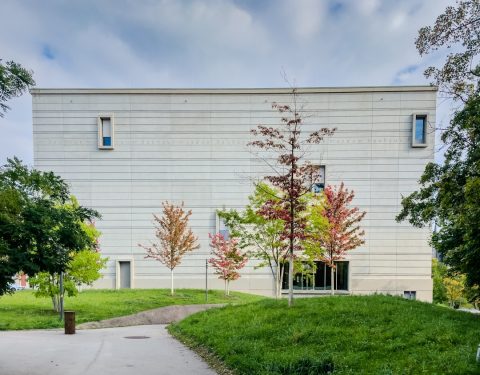
Goethe National Museum & Goethe's House
Step into the world of Germany's greatest writer at his perfectly preserved residence where he lived from 1782 until his death in 1832. This UNESCO World Heritage Site contains Goethe's original furnishings, library that doubled as his study, reception rooms, and personal collections. The adjacent modern museum building presents comprehensive exhibitions on his life, works, and influence. Audio guides provide detailed narratives through rooms where Faust and Wilhelm Meister were penned. The house feels as though Goethe just stepped out, with his standing desk, beloved books, and scientific instruments still in place. This intimate glimpse into genius offers unparalleled insight into 18th-century intellectual life.
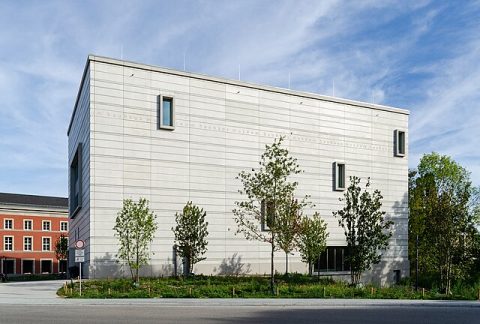
Bauhaus Museum Weimar
Opened in 2019 for the Bauhaus centenary, this striking contemporary building houses the world's oldest Bauhaus collection with over 13,000 objects. The museum chronicles the revolutionary design movement that transformed 20th-century architecture, art, and industrial design. Exhibitions feature works by founder Walter Gropius, along with Johannes Itten, Lyonel Feininger, Paul Klee, and Wassily Kandinsky. The displays showcase furniture, ceramics, textiles, and architectural models that embodied the Bauhaus philosophy of uniting art with craftsmanship. Interactive elements and a workshop space engage visitors with Bauhaus principles. As part of a UNESCO World Heritage Site, this museum demonstrates how Weimar's radical ideas continue shaping modern aesthetics.
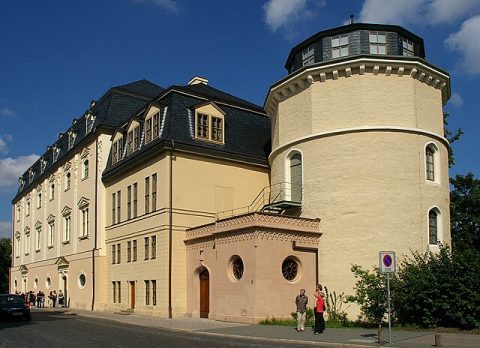
Duchess Anna Amalia Library
One of Europe's most breathtaking libraries, housing over one million volumes from the 9th to 21st centuries. The crown jewel is the exquisite Rococo Hall from 1766, where ornate white and gold decorations frame floor-to-ceiling bookshelves adorned with philosopher busts, paintings, and a magnificent ceiling fresco. This UNESCO World Heritage Site preserves medieval manuscripts, early printed books, maps, globes, and Friedrich Nietzsche's private library. The historic collection focuses on European literature and culture from 1750-1850, the Age of Enlightenment. Despite a devastating 2004 fire that destroyed 50,000 books, meticulous restoration has returned the Rococo Hall to its 18th-century splendor. Book a timed ticket ahead; tickets are released up to three months in advance. Limited same-day tickets may be available.
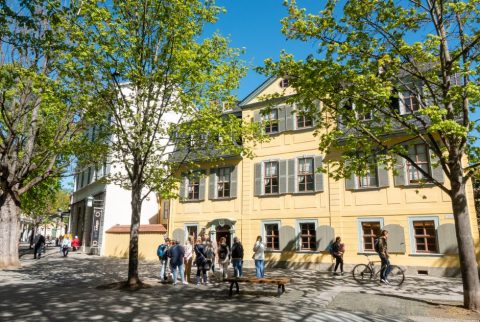
Schiller's Residence Museum
Friedrich Schiller spent his final three productive years (1802-1805) in this elegant townhouse on Esplanade. Here he completed masterworks including The Bride of Messina and William Tell. The museum preserves his study, living quarters, and the room where he died, all furnished with period pieces and personal belongings. The connected modern museum building provides deeper context about Schiller's literary achievements, his friendship with Goethe, and his impact on German theater and philosophy. Visitors gain intimate understanding of the writer's working methods, family life, and the intellectual ferment of Weimar Classicism. The modest house contrasts poignantly with Schiller's towering cultural legacy.
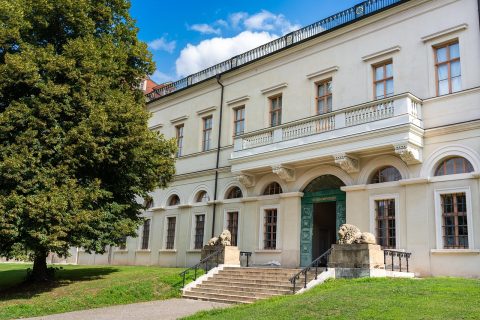
Museum Neues Weimar
Housed in the former Grand Ducal Museum building from 1869, this museum reopened in 2019 showcasing early modern art from 1800-1945. The permanent exhibition traces artistic development from the Weimar School of Painting through Henry van de Velde's Art Nouveau designs. Collections include works that bridge Weimar's classical heritage with modernist innovations. A large hands-on workshop invites visitors to engage with artistic techniques. The building itself represents one of Germany's first purpose-built museums, and its grand architecture complements the progressive art within. The museum connects Weimar's dual identity as both a guardian of tradition and an incubator of radical new ideas.
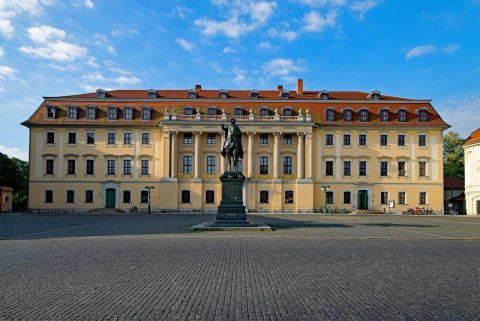
Liszt House
Composer Franz Liszt lived in this charming former court gardener's house at the Park an der Ilm's edge from 1869 until his death in 1886. The museum preserves the rooms where Liszt gave lessons to talented young pianists from across Europe, maintaining his reputation as one of history's greatest piano pedagogues. Personal effects, manuscripts, portraits, and his piano create an atmospheric tribute to the Romantic era's most virtuosic performer. The modest dwelling reflects Liszt's later years devoted to teaching and composition rather than concert touring. Garden views overlooking the park provide the peaceful setting where he crafted his late works.
Tips for Museums & Galleries
- Critical: Timed tickets can be booked up to three months ahead; advance booking is recommended. - they sell out quickly with limited daily capacity
- The €32.50 Weimar Card is valid for 48 hours and includes city buses and one-time entry to listed museums; check the current benefits before buying.
- Many museums close on Mondays - plan accordingly
- Several museums offer combined tickets through Klassik Stiftung Weimar