Weimar's churches reflect centuries of religious and artistic heritage, housing masterpieces by Lucas Cranach and serving as final resting places for the city's luminaries.
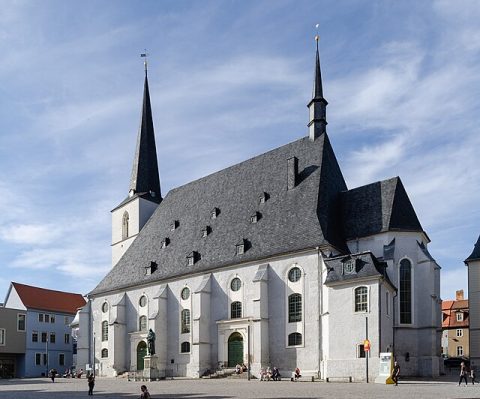
Herder Church (St. Peter and Paul)
This stunning Gothic church, consecrated around 1245 with current structure dating to the late 15th century, is best known for housing Lucas Cranach the Elder's magnificent Crucifixion triptych altarpiece. Completed just before his death in 1553, this Reformation masterpiece depicts Christ's crucifixion with remarkable emotional power and theological depth. The church is named after Johann Gottfried Herder, the influential philosopher and theologian who preached here. The soaring interior, beautiful stained glass, and historical significance make this an essential stop. The church played a pivotal role in Weimar's cultural and spiritual life during the Classical period.
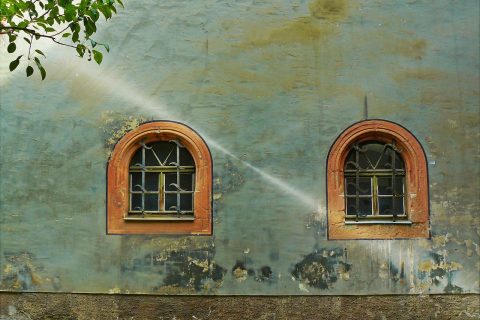
Historical Cemetery & Ducal Vault
This peaceful cemetery serves as the final resting place of Goethe and Schiller, whose coffins lie side by side in the Ducal Vault's atmospheric crypt. The Russian Orthodox-style chapel houses this mausoleum where Weimar's ruling family and its greatest citizens are interred. Walking through the cemetery's pathways lined with monuments to artists, writers, and scholars creates a profound connection to Weimar's cultural legacy. The serene setting, about 10 minutes' walk from the city center, offers quiet contemplation away from tourist crowds. Other notable figures buried here include publisher Friedrich Justin Bertuch and painter Christian Daniel Rauch. The cemetery embodies Weimar's reverence for its intellectual heritage.
Tips for Religious Sites
- The Herder Church is still an active parish - check service times before visiting
- Don't miss the walk to the Historical Cemetery - it's a moving pilgrimage for literature lovers
- Photography inside churches may be restricted during services