Weimar's historic squares and cobblestone streets form the stage where centuries of cultural history unfolded, offering charming architecture and vibrant public spaces.
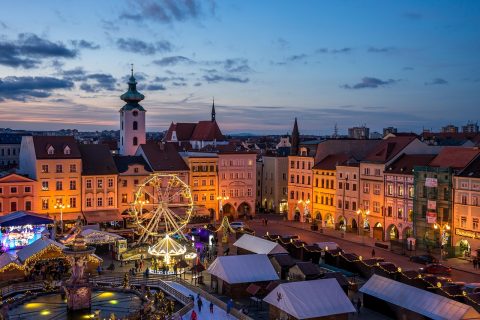
Market Square (Marktplatz)
Weimar's bustling cobblestone marketplace has been the city's commercial and social heart for centuries. The square features the impressive Town Hall, the ornate Neptune Fountain, and the Lucas Cranach House where the famous Renaissance painter spent his final year. The Tourist Information office occupies one corner, making this an ideal starting point for exploration. Colorful facades of Renaissance and Baroque buildings frame the square, housing cafés, restaurants, and shops. Weekly markets still bring local vendors selling flowers, produce, and crafts. The Hotel Elephant, where Thomas Mann set scenes from his novel "Lotte in Weimar," adds literary prestige. During festivals like the Onion Market, this square transforms into the festival's vibrant epicenter.
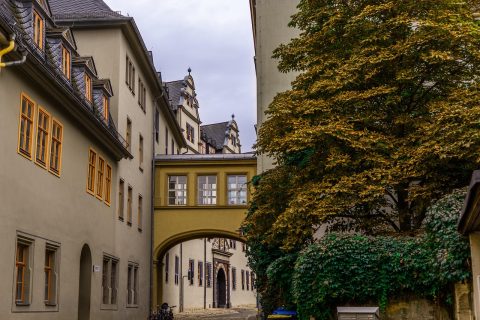
Theaterplatz
This elegant square serves as Weimar's cultural epicenter, dominated by the Goethe-Schiller Monument and the German National Theater. The harmonious neoclassical architecture creates a fitting stage for commemorating German cultural achievements. Street performers and artists often animate the space, while cafés offer perfect vantage points for people-watching. The square connects to the Bauhaus Museum and Wittumspalais, making it a natural gathering point during city exploration. During summer, outdoor events and concerts utilize the spacious plaza. The square embodies Weimar's identity as Germany's cultural capital, where art, architecture, and history converge.
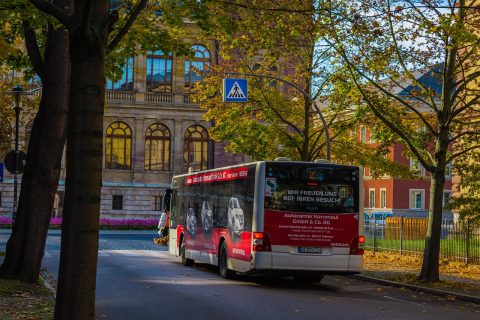
Frauenplan
This historic square gained fame as the location of Goethe's residence, where he lived for 50 years. The square's name predates Goethe's time, derived from "Frauenkloster" (women's monastery). Today, visitors can dine at Gasthaus zum Weißen Schwan, Goethe's favorite inn, which still serves traditional Thuringian cuisine. The square provides a quieter alternative to busier Marktplatz while maintaining proximity to major attractions. Period buildings and well-maintained facades preserve the 18th-century atmosphere Goethe would recognize. Small cafés and restaurants make this an excellent spot to rest and reflect on your Weimar explorations while literally following in the footsteps of genius.
Tips for Squares & Streets
- Marktplatz hosts regular farmers' markets - check local schedules
- Many squares have outdoor seating - perfect for coffee breaks between sightseeing
- The compact old town means most squares are within 5-10 minutes' walk of each other