Weimar's extensive parklands and palace gardens offer romantic landscapes designed in the English style, perfect for leisurely walks following paths once trodden by Goethe himself.
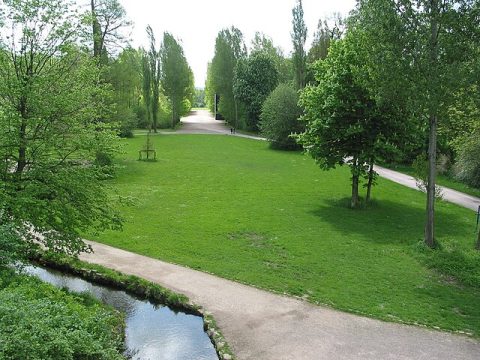
Park an der Ilm
This magnificent 48-hectare landscaped garden stretches along the Ilm River through central Weimar. Duke Carl August and Goethe personally designed much of this English-style park starting in 1778, creating meandering paths, romantic vistas, and hidden grottos. Key features include Goethe's Garden House (his first Weimar residence and creative retreat), the Roman House (Carl August's neoclassical summer residence), the Liszt House, the Borkenhäuschen hermitage, and the unique Stone of Good Luck sculpture designed by Goethe. Tree-lined pathways, meadows, and riverside walks provide peaceful escape just steps from the city center. The park exemplifies German Romantic landscape design and remains a beloved green space for locals and visitors. Part of the UNESCO World Heritage ensemble "Classical Weimar."
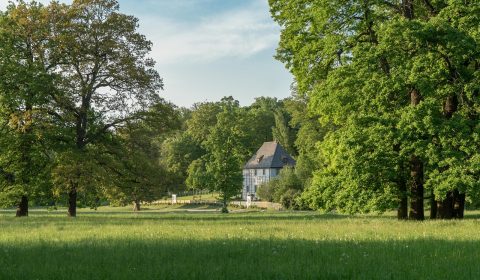
Goethe's Garden House
This charming vineyard cottage became Goethe's first Weimar home in 1776, gifted by Duke Carl August. For six years, the 27-year-old Goethe lived here while beginning his administrative duties and poetic work. Even after moving to his Frauenplan residence, he maintained the garden house as a creative sanctuary until his death in 1832. The simple interior preserves original furniture including Goethe's standing desk and "Sitzbock" seat. The surrounding garden features the Stone of Good Luck, one of Germany's first non-figurative monuments. The modest cottage contrasts with Goethe's later grand residence, revealing his early simplicity and love of nature. The house and garden have been UNESCO World Heritage Sites since 1998, beloved by Goethe enthusiasts worldwide.
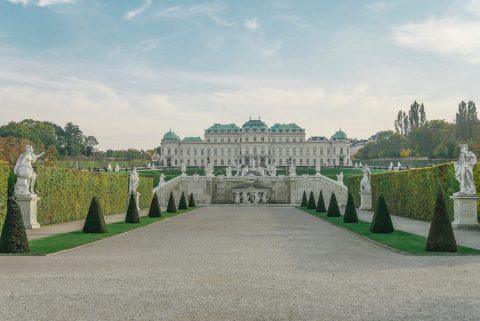
Belvedere Palace & Park
This stunning Baroque summer palace from 1748, built for Duke Ernst August I, sits on Weimar's outskirts surrounded by lavish formal gardens and parkland. The yellow palace complex exemplifies 18th-century pleasure palace architecture with elegant symmetry and decorative details. The manicured gardens feature geometric flower beds, sculptures, fountains, and a maze. The park's expansive English-style landscape includes tree-lined avenues, meadows, and walking paths. Music school students practice in outbuildings, creating a magical soundtrack of piano and violin. The palace interior houses period furniture, porcelain collections, and historical coaches. Part of UNESCO's "Classical Weimar" site, Belvedere offers romantic scenery and aristocratic splendor. Note: The palace closes in winter, but parks remain accessible year-round.
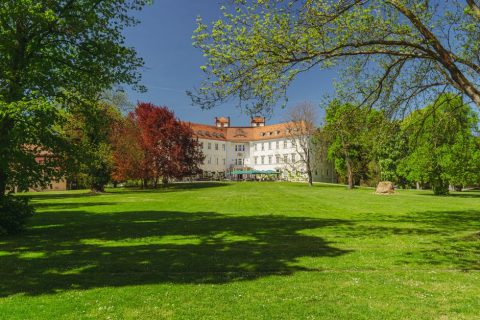
Tiefurt Park & Mansion
This riverside estate served as Duchess Anna Amalia's summer residence, where she hosted intimate cultural gatherings after retreating from court life. The neoclassical mansion contains original furnishings, artwork, and a library reflecting late 18th-century aristocratic taste. The English-style park along the Ilm River features romantic walking paths, garden pavilions, monuments, and scenic views. Goethe, Schiller, and other luminaries attended summer soirées here, continuing Weimar's tradition of intellectual salon culture in pastoral settings. The smaller scale and intimate atmosphere contrast with grander Belvedere Palace, offering insight into more personal aspects of court life. The estate forms part of Classical Weimar's UNESCO heritage, though it remains lesser-known and less crowded.
Tips for Parks & Gardens
- Park an der Ilm is free and accessible 24/7 - perfect for morning jogs or evening strolls
- Belvedere Palace is easily reached by city bus - included in Weimar Card
- Parks are especially beautiful during spring blossoms and autumn foliage
- Bring a picnic to enjoy in the expansive green spaces