Plan your trip to Accra
- How long
- 2-3 days in the city, plus a day to Kakum National Park and the Cape Coast and Elmina castles.
- Best for
- History and culture travellers: Ghana's independence sites, markets, beaches and the UNESCO slave-trade forts.
- Skip it if
- You dislike heat, traffic and hassle: Accra is hot and congested, and some areas need care at night.
If you only do three things
- Black Star Square and the Kwame Nkrumah Mausoleum.
- Makola Market and Jamestown.
- A Cape Coast and Elmina castles day trip with Kakum canopy walk.
A one-day route
- Morning: The Kwame Nkrumah Mausoleum and the National Museum.
- Midday: Lunch (jollof or waakye) in Osu.
- Afternoon: Jamestown and Makola Market (with a guide).
- Evening: Sunset at Labadi Beach; dinner in Osu.
Before you go
- Kotoka Airport is about 10 km from the center; traffic can make the ride 30-60 minutes.
- Cape Coast and Elmina are about 145-170 km west; allow a full day.
- Use ride-hailing apps or hotel cars, especially at night.
- Check the current health requirements (e.g., yellow fever) before you travel.
Prices, opening status and transport in this plan checked against official sources on 30 September 2026.
Things to do in Accra
Iconic structures and historical monuments that define Accra's skyline and heritage.
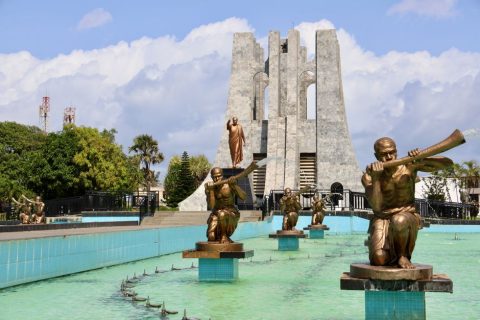
Kwame Nkrumah Mausoleum & National Park
A grand monument dedicated to Ghana's independence hero and first president, Kwame Nkrumah. The mausoleum features his tomb under a stunning dome, surrounded by manicured gardens, fountains, and sculptures. The site serves as both a museum and spiritual memorial, offering insights into Ghana's anti-colonial struggle and independence movement.
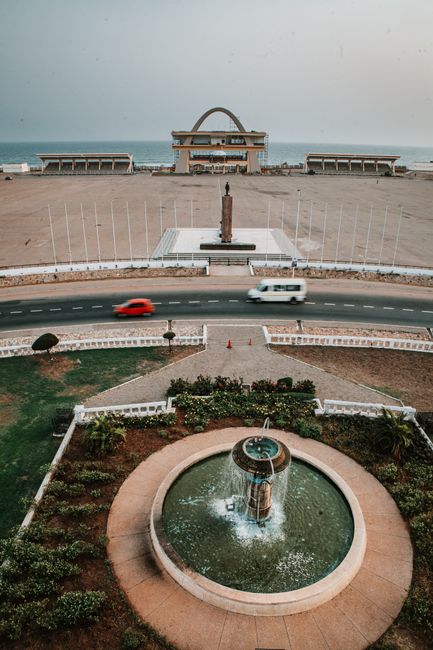
Independence Avenue
Independence Avenue is Accra's most prestigious boulevard, stretching through the heart of the city. Lined with government buildings, embassies, monuments, and street art, it represents the modern face of Ghana. Perfect for walking, photography, and experiencing Accra's contemporary culture and architecture.
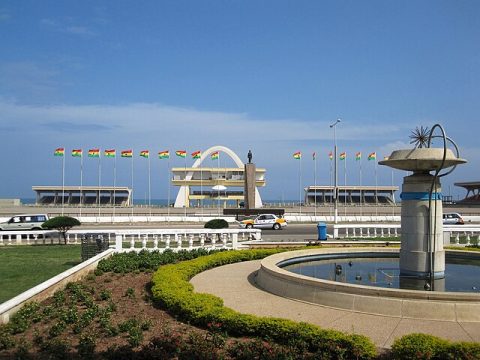
Black Star Square
A historic public square and national monument featuring the Black Star Monument, a symbol of Pan-Africanism. Designed in the shape of a star, this plaza hosts national celebrations, parades, and events. The monument stands as a powerful emblem of African independence and unity.
Tips for Landmarks & Monuments
- Visit Independence Avenue early morning for best photography light
- Hire a local guide to learn detailed historical context
- Wear comfortable shoes as these monuments require walking
- Bring water and sun protection
Collections showcasing Ghanaian art, history, and cultural heritage.
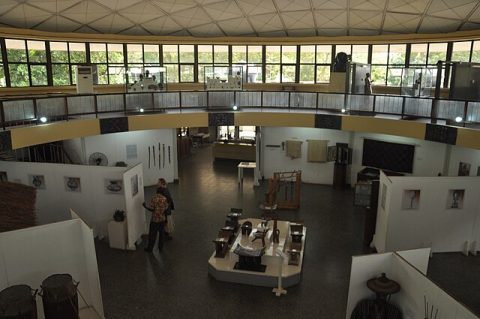
National Museum of Ghana
Located in the heart of Accra, the National Museum houses comprehensive exhibits on Ghanaian history, ethnography, and art. Collections include traditional artifacts, colonial-era memorabilia, royal regalia, and contemporary artworks. The museum provides valuable context for understanding Ghana's diverse cultures and historical timeline.
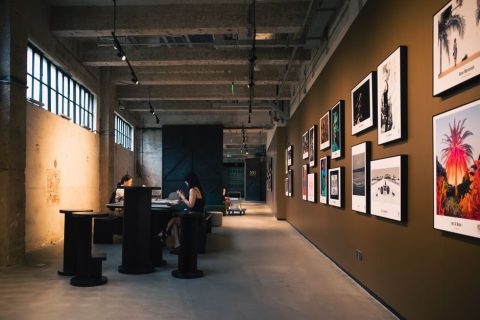
Gallery of Contemporary Art (gca)
A premier contemporary art space showcasing works by emerging and established Ghanaian and African artists. Features rotating exhibitions, installations, and experimental pieces. The gallery serves as a cultural hub for the local art community and offers insights into modern African artistic expression.
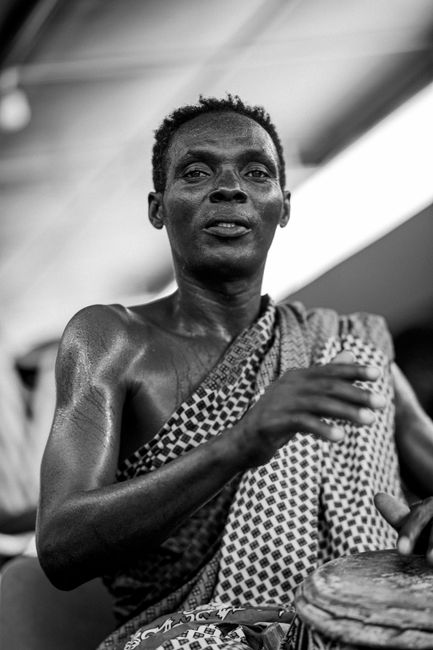
Nubuke Centre for Art & Culture
An independent, not-for-profit contemporary art centre dedicated to promoting visual arts and cultural exchange. Hosts exhibitions, workshops, residencies, and educational programs. The venue supports local artists and facilitates dialogue between Ghanaian and international art communities.
Tips for Museums & Galleries
- Check museum hours before visiting; some close on Mondays
- Take guided tours to gain deeper insights into exhibits
- Photography policies vary; ask permission before taking photos
- Allow extra time to fully appreciate the collections
Sacred places reflecting Accra's spiritual heritage and diverse faiths.
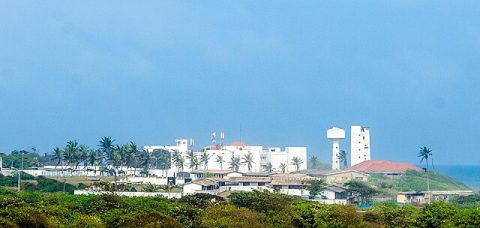
Osu Castle (Christiansborg Castle)
A UNESCO World Heritage Site and former slave castle, now a national monument housing a historical museum. This 17th-century fortress played a dark role in the transatlantic slave trade but stands today as a solemn reminder and educational center. Powerful exhibitions detail the experiences of enslaved Africans and the legacy of colonialism.
Tips for Religious Sites
- Show respect at religious sites; dress modestly
- Avoid visiting during prayer times; ask locals about schedules
- Be emotionally prepared for slave castle museums—these are powerful experiences
- Hire guides to understand the historical and cultural significance
Distinct areas with unique character, history, and local atmosphere.
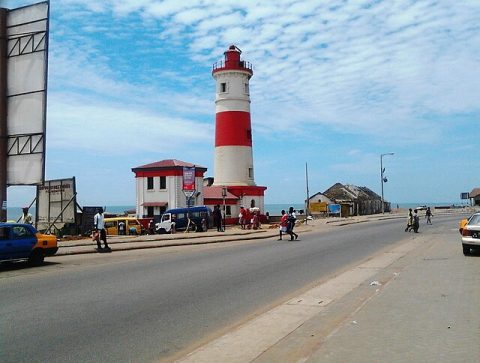
Jamestown (Old Town)
Jamestown is Accra's historic fishing village and oldest district, brimming with colonial architecture, narrow streets, and authentic local life. The neighborhood features colorful fishing boats, street vendors, traditional eateries, and cultural landmarks. It's a photogenic area that captures Accra's past and present cultural identity.
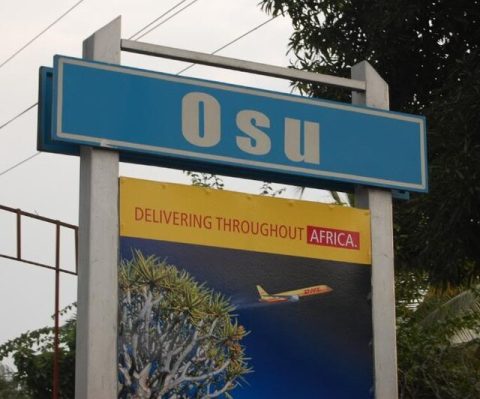
Osu (Oxford Street Area)
Accra's trendiest district, Osu features tree-lined streets, upscale restaurants, cafes, boutiques, and galleries. Oxford Street is the heart of the neighborhood, packed with expatriate-friendly shops and nightlife. The area seamlessly blends modern development with colonial-era charm and serves as the city's commercial and entertainment hub.
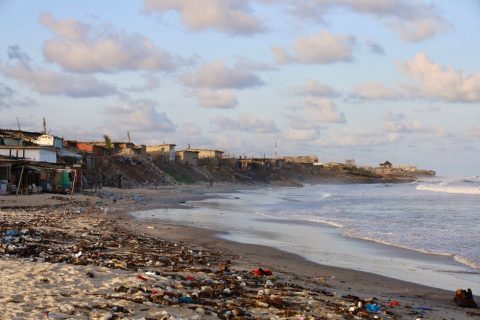
Labadi Beach Area
Labadi is Accra's main beach neighborhood, popular with both locals and tourists. Features sandy shores, beach bars, restaurants, and water sports activities. The area comes alive in evenings with vibrant street food stalls, live music, and social gatherings. Perfect for experiencing coastal Ghanaian life and sunset views.
Tips for Neighborhoods & Districts
- Jamestown is best explored on foot with a local guide
- Visit Labadi Beach in late afternoon for sunset and social atmosphere
- Osu is ideal for dining, shopping, and evening entertainment
- Use trusted taxis or ride-sharing services between neighborhoods
Green spaces offering respite and natural beauty within the urban landscape.
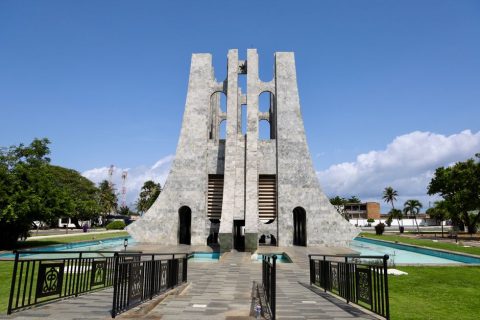
Kwame Nkrumah National Park
Adjacent to the mausoleum, this beautifully landscaped national park features manicured gardens, walking paths, fountains, and sculptures. The park provides a peaceful retreat in the city center with plenty of shaded areas and seating. Ideal for leisurely walks, family outings, and photography opportunities.
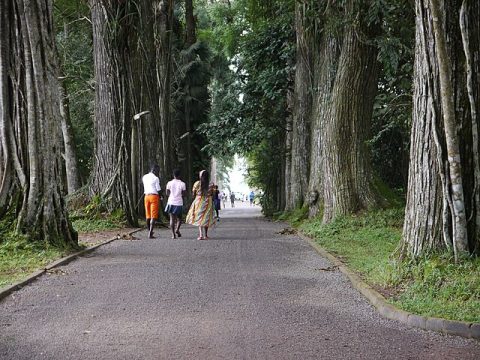
Aburi Botanical Gardens
Located about 30km north of Accra, Aburi Botanical Gardens is a lush 64-acre sanctuary filled with tropical plants, towering trees, and serene walking trails. Established in the 1890s, the gardens offer cool mountain air, beautiful vistas, and peaceful respite. Perfect for nature lovers and day trips from Accra.
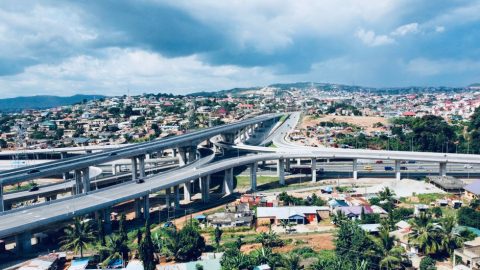
Tetteh Quarshie Interchange & Garden
A modern urban green space and transportation hub featuring landscaped gardens, walking areas, and public art installations. The interchange area includes shops, restaurants, and serves as a vibrant community gathering point. Offers views of the city and examples of contemporary Accra development.
Tips for Parks & Gardens
- Visit early morning for cooler temperatures and bird watching
- Aburi Gardens is best visited during dry season (December-February)
- Bring water, sun protection, and insect repellent
- Parks are generally safe but visit during daylight hours
Coastal attractions and seaside experiences along the Gulf of Guinea.
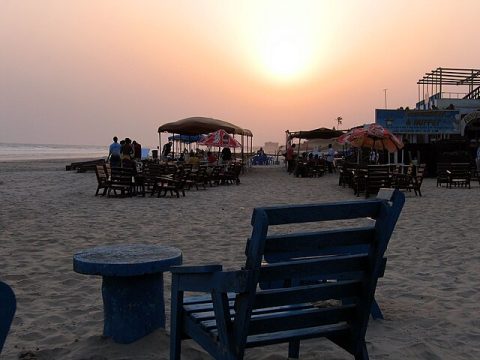
Labadi Beach
Accra's primary public beach, stretching along the coast with golden sand and warm waters. The beach is packed with vendors, beach bars, restaurants, and groups of locals enjoying sun and sea. Ideal for swimming, sunbathing, and experiencing the vibrant beach culture of Accra.
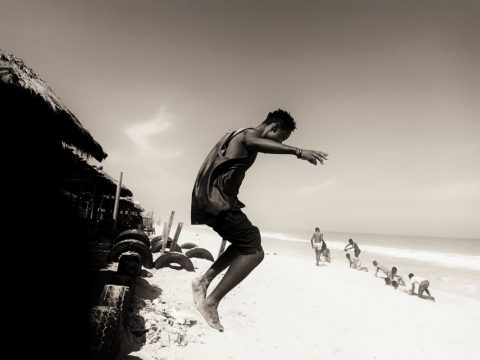
Teshie Beach
Teshie Beach offers a more authentic, less touristy beach experience with active fishing operations, local communities, and traditional boats. The beach provides insight into working coastal life and features calm waters suitable for swimming. Popular with locals looking to escape the crowds of Labadi.
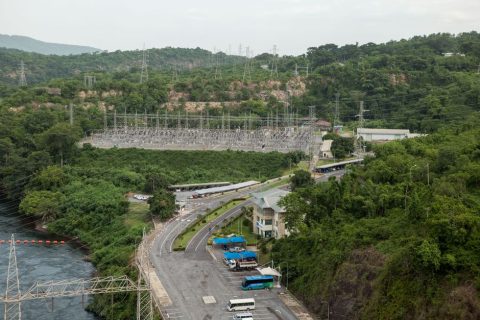
Akosombo Dam & Lake Volta
Africa's largest artificial lake, created by the Akosombo Dam, located about 70km from Accra. The massive hydroelectric structure offers boat tours, fishing opportunities, and stunning scenery. The lake is surrounded by islands, small villages, and wildlife, making it ideal for multi-day excursions.
Tips for Beaches & Coastal Areas
- Swim at official beaches with lifeguards
- Bring valuables with trusted friends; avoid leaving items unattended
- Water conditions vary; ask locals about safety before swimming
- Visit beaches in late afternoon for best lighting and cooler temperatures
- Pack waterproof bags for personal items
Guided experiences and interactive activities throughout Accra and nearby areas.
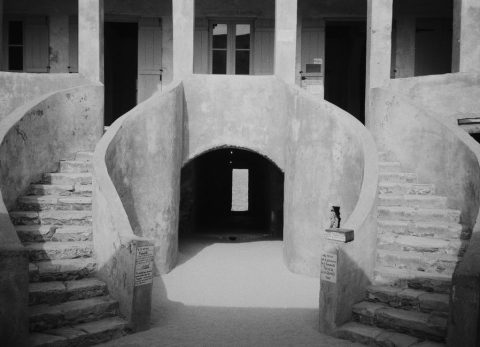
Slave Castle Tours
Guided tours through Osu Castle and Cape Coast Castle led by knowledgeable historians. Tours include the dungeon areas, holding cells, and museum exhibits detailing the slave trade and colonial period. These deeply moving experiences provide crucial historical education and cultural understanding.

City Walking Tours
Explore Accra's neighborhoods on foot with experienced local guides who share insights into history, culture, and daily life. Tours typically cover Independence Avenue, Jamestown, Osu, or custom routes. Small group sizes allow for personalized experiences and authentic interactions with locals.
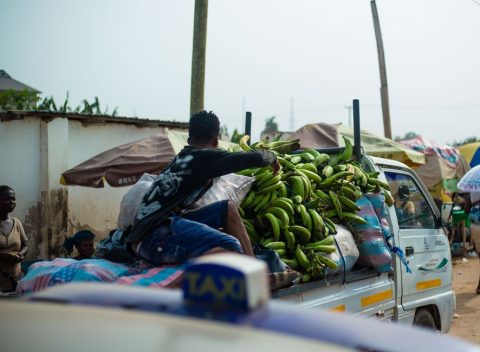
Market Tours (Makola & Central Markets)
Immerse yourself in Accra's vibrant markets with guides who navigate the maze of stalls selling textiles, crafts, spices, and local goods. Learn haggling techniques, discover traditional products, and support local vendors. Markets are sensory experiences showcasing authentic Ghanaian commerce and culture.
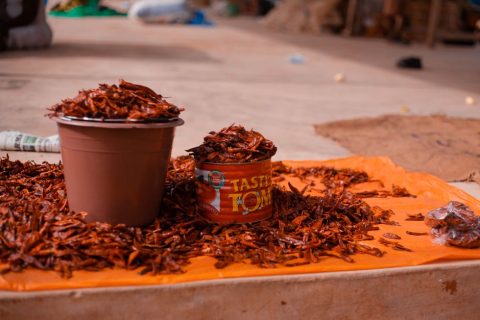
Cooking Classes & Food Tours
Learn to prepare authentic Ghanaian dishes from local chefs in cooking classes. Alternatively, take food tours exploring street food, traditional restaurants, and local eateries. Experience flavors like jollof rice, fufu, waakye, and grilled meats while understanding food culture.
Tips for Tours & Activities
- Book tours through established operators with reviews
- Hire guides for safety and richer cultural insights
- Bring small cash for tips and market purchases
- Morning tours are cooler and less crowded
- Agree on tour duration and payment before starting
Destinations within easy reach of Accra for extended exploration.
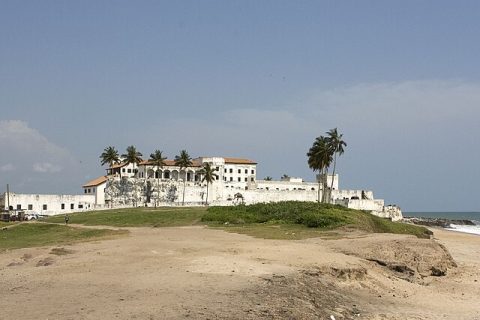
Elmina Castle
UNESCO World Heritage Site and the oldest European fortress in sub-Saharan Africa. Elmina Castle served as a trading post and slave holding facility. Now a museum, it provides powerful exhibits and educational programs about colonial history and the transatlantic slave trade. About 130km from Accra.
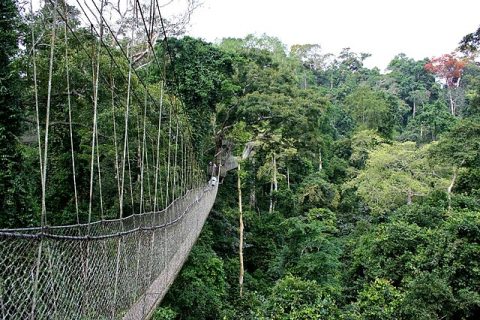
Kakum National Park
Ghana's premier nature reserve featuring tropical rainforest, diverse wildlife, and the famous canopy walkway. Suspended 40 meters above the forest floor, the walkway offers unique perspectives on the ecosystem. The park includes hiking trails, waterfalls, and opportunities for bird watching and nature photography.
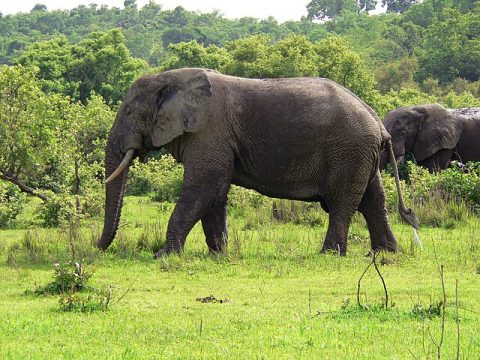
Mole National Park
Ghana's largest wildlife reserve, home to elephants, antelopes, buffalo, and numerous bird species. Mole National Park offers guided game walks, savanna views, and authentic safari experiences. Located far to the north (about 600km by road), it needs a flight or a multi-day trip from Accra.
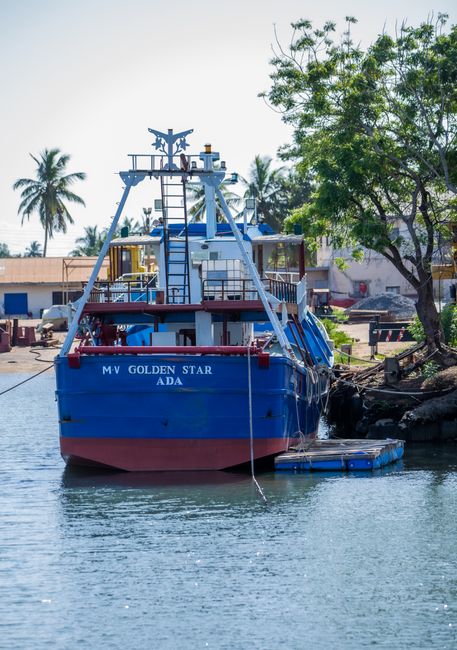
Ada Estuary & Volta River Delta
Scenic coastal area where the Volta River meets the ocean, about 60km southeast of Accra. The estuary is rich in birdlife, mangroves, and fishing villages. Ideal for boat tours, bird watching, and experiencing the unique ecosystem where river and sea converge.
Tips for Day Trips & Excursions
- Book transportation in advance or hire a driver for day trips
- Start early to maximize daylight hours
- Bring plenty of water, snacks, and sun protection
- Check weather conditions and road conditions before traveling
- Hire local guides at each destination for best experiences
Shopping districts and markets offering crafts, textiles, and local goods.
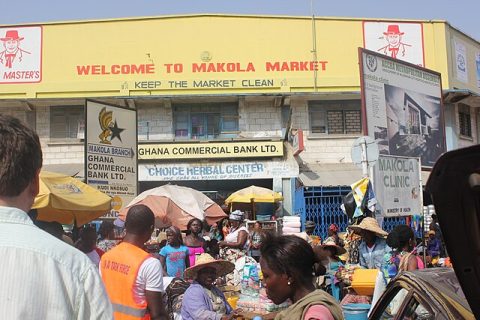
Makola Market
Accra's largest and most famous traditional market, a chaotic maze of vendors selling everything from textiles to spices, crafts to electronics. The market embodies authentic Ghanaian commerce with vibrant colors, lively haggling, and countless stalls. A sensory-rich experience essential for understanding local commerce.
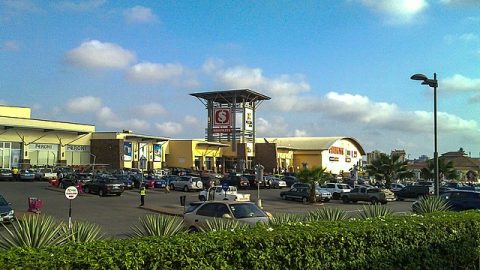
Accra Mall
Modern shopping center featuring international brands, local boutiques, restaurants, and entertainment. Accra Mall offers air-conditioned comfort, a cinema, and diverse dining options. Represents contemporary Accra and provides a different shopping experience from traditional markets.
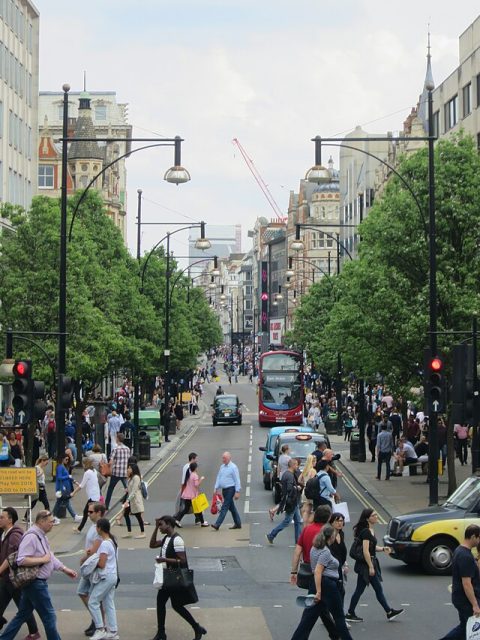
Oxford Street (Osu)
Accra's premier shopping street with upscale boutiques, art galleries, bookstores, cafes, and restaurants. Oxford Street caters to tourists and expatriates with high-end crafts, fashion, and curated goods. Ideal for quality shopping and browsing contemporary Ghanaian design.
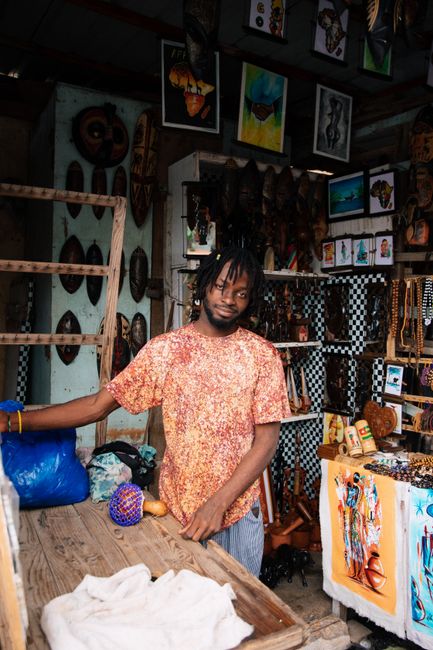
Craft Shops & Galleries
Scattered throughout Accra, particularly in Osu and near tourist sites, numerous shops showcase Ghanaian handicrafts: wood carvings, beadwork, textiles, masks, and contemporary art. Quality varies significantly; established galleries offer curated selections and fair pricing compared to street vendors.
Tips for Shopping & Markets
- Haggling is expected in traditional markets; start at 50-70% asking price
- Keep valuables secure in crowded markets
- Visit markets early morning when crowds are smaller
- Use malls for safe, hassle-free shopping if preferred
- Support local artisans by purchasing directly from craftspeople
Real, highly-rated Restaurants in Accra, sourced from Google Places (rating above 4★).
Le Petit Oiseau
Le Petit Oiseau is a highly-rated restaurant in Accra, rated 4.8★ from 763 reviews. Located at Ring Rd E, Accra, Ghana.
Opening Hours
- Monday: 12:00 – 11:00 PM
- Tuesday: 12:00 – 11:00 PM
- Wednesday: 12:00 – 11:00 PM
- Thursday: 12:00 – 11:00 PM
- Friday: 12:00 – 11:00 PM
- Saturday: 11:00 AM – 11:00 PM
- Sunday: 12:00 – 11:00 PM
Tunnel Lounge
Tunnel Lounge is a highly-rated restaurant in Accra, rated 4.5★ from 1016 reviews. Located at 45 Kofi Annan St, Accra, Ghana.
Opening Hours
- Monday: Closed
- Tuesday: 4:00 PM – 2:00 AM
- Wednesday: 4:00 PM – 2:00 AM
- Thursday: 4:00 PM – 2:00 AM
- Friday: 12:00 PM – 2:00 AM
- Saturday: 12:00 PM – 2:00 AM
- Sunday: 12:00 PM – 2:00 AM
THE MIX RESTAURANT ACCRA
THE MIX RESTAURANT ACCRA is a highly-rated restaurant in Accra, rated 4.5★ from 310 reviews. Located at Okodan Rd, Accra, Ghana.
Opening Hours
- Monday: Closed
- Tuesday: Closed
- Wednesday: 12:00 PM – 12:00 AM
- Thursday: 12:00 PM – 12:00 AM
- Friday: 12:00 PM – 12:00 AM
- Saturday: 12:00 PM – 12:00 AM
- Sunday: 10:00 AM – 12:00 AM
Real, highly-rated Beach Bars in Accra, sourced from Google Places (rating above 4★).
Afrikana Beach House
Afrikana Beach House is a highly-rated beach bar in Accra, rated 4.6★ from 131 reviews. Located at HR3P+QRF, Fourth Otswe St, Accra, Ghana.
Opening Hours
- Monday: 11:00 AM – 12:00 AM
- Tuesday: 11:00 AM – 12:00 AM
- Wednesday: 11:00 AM – 12:00 AM
- Thursday: 11:00 AM – 1:00 AM
- Friday: 10:00 AM – 3:00 AM
- Saturday: 10:00 AM – 3:00 AM
- Sunday: 10:00 AM – 2:00 AM
Lagoon Bar Pizzeria
Lagoon Bar Pizzeria is a highly-rated beach bar in Accra, rated 4.5★ from 29 reviews. Located at HV76+CR4, Accra, Ghana.
Front/Back
Front/Back is a highly-rated beach bar in Accra, rated 4.4★ from 506 reviews. Located at HR4F+RG7, First Osu Ln, Accra, Ghana.
Opening Hours
- Monday: Closed
- Tuesday: 1:00 PM – 3:00 AM
- Wednesday: 1:00 PM – 3:00 AM
- Thursday: 1:00 PM – 3:00 AM
- Friday: 8:00 PM – 6:00 AM
- Saturday: 8:00 PM – 6:00 AM
- Sunday: 1:00 PM – 3:00 AM
Explore Accra on the Map
Best Seasons
Dry Season (December-February) is ideal with warm, sunny weather and minimal rain. This is peak tourist season with comfortable conditions for sightseeing and beach activities.
Harmattan Season (December-February) brings cool, dry trade winds from the Sahara, lowering temperatures and humidity. Excellent for outdoor activities and exploration.
Minor Dry Season (August-September) offers another good window with less rain, though humidity remains moderate.
Avoid
Rainy Seasons (May-June and September-October) bring heavy downpours, flooding, and increased humidity. Not ideal for beach visits or extensive sightseeing.
Temperature Guide
| Season | Temperature | Humidity |
|---|---|---|
| Harmattan (Dec-Feb) | 25-30°C (77-86°F) | Low |
| Dry (Mar-Apr) | 28-32°C (82-90°F) | Moderate |
| Rainy (May-Jun) | 24-28°C (75-82°F) | High |
Getting Around Accra
Taxis: Metered taxis (white and red) are widely available. Negotiate fares beforehand if no meter. Generally affordable and reliable for local travel.
Ride-sharing Apps: Uber and Bolt operate in Accra with fixed pricing via app. Safer and more reliable than street hailing, though slightly more expensive.
Tro-Tro (Minibuses): Colorfully decorated minibuses serving fixed routes. Cheapest option but crowded and infrequent, not recommended for first-time visitors.
Car Rental: International agencies available at airport. Hiring a driver is recommended for safety and navigation. Ghana drives on the right; it switched from left-hand to right-hand traffic in 1974.
✈️ Airport Transfer
The airport is about 10 km from the city centre. Options include airport taxis, ride-sharing, or hotel arrangements. Journey takes 15-30 minutes depending on traffic.
Long Distance Travel
Intercity buses connect Accra to other cities. Companies like STC, Ashanti, and Ayoba operate regular routes to Cape Coast, Kumasi, and other destinations.
What to Buy
Traditional Crafts: Wood carvings, kente cloth, beadwork, masks, and sculptures are quintessential Ghanaian souvenirs. Quality varies; established shops offer better pieces.
Textiles & Clothing: Ghana's vibrant fabrics (kente, adire, printed wax cloth) are beautiful for clothing, home décor, or gifts. Seamstresses can create custom pieces.
Food & Spices: Cocoa products, shea butter, traditional spices, and foods like plantain chips make excellent gifts.
Jewelry: Bead necklaces, brass items, and contemporary jewelry showcase local craftsmanship.
Haggling Tips
In traditional markets, haggling is expected and part of the culture. Start at 50-70% of asking price and work toward agreement. Be respectful and enjoy the banter. Street vendors expect negotiation; prices in malls and established shops are fixed.
Best Shopping Areas
Makola Market: Authentic, diverse selection, requires haggling
Oxford Street (Osu): Upscale, fixed prices, quality goods
Accra Mall: Modern shopping, fixed prices, international brands
Annual Events
Aboakyer Festival (May) - Fante traditional festival in Winneba celebrating the 'deer hunt' with parades, music, and cultural ceremonies.
The National Commission on Culture lists Bakatue for the first Tuesday in July. - Fante festival in Elmina marking the opening of the lagoon for fishing, featuring processions and celebrations.
Akwambo is celebrated by Agona and Gomoa communities in the Central Region; it is not a Ga festival in Accra. Dates vary by community.
Homowo Festival (August/September) - Ga festival meaning 'hooting at hunger,' celebrating the harvest with festivities, parades, and traditional meals.
National Holidays
Independence Day (March 6): National celebration with parades and events
As of 2026, Ghana’s government had restored Founder’s Day to September 21: Honoring Ghana's founders
Labour Day (May 1): Celebration of workers
Christmas (December 25): Major Christian celebration
Islamic Holidays
Eid al-Fitr and Eid al-Adha dates vary yearly. Ghana's Muslim communities celebrate with prayers, family gatherings, and community events.
Day 1: Historic Accra & Independence
Morning (8am-12pm): Visit Kwame Nkrumah Mausoleum & National Park. Explore the gardens, learn about Ghana's first president and independence movement. Have breakfast at a nearby café. (2 hours)
Lunch (12-1pm): Eat at a local restaurant trying jollof rice or waakye.
Afternoon (1-5pm): Stroll Independence Avenue seeing government buildings, monuments, and contemporary Accra architecture. Visit photo-worthy spots and street art. (2 hours)
Evening: Dinner at a rooftop restaurant with city views.
Day 2: Castles & Colonial History
Morning (8am-12pm): Take guided tour of Osu Castle (Christiansborg Castle), exploring the dungeons and museum exhibits about the slave trade. Emotional but essential experience. (2 hours)
Lunch (12-1pm): Rest and eat at a beachside café.
Afternoon (2-5pm): Explore historic Jamestown district with local guide. Visit fishing harbor, old colonial buildings, mosque. Experience authentic Accra street life. (2 hours)
Evening: Watch sunset at Labadi Beach with street food and drinks.
Day 3: Markets, Culture & Nature
Morning (8am-11am): Navigate Makola Market with guide or seller contact. Explore textiles, crafts, spices. Practice haggling and shop for souvenirs. (2 hours)
Late Morning (11am-1pm): Browse Oxford Street (Osu) for quality crafts and art at established galleries.
Lunch (1-2pm): Upscale restaurant in Osu.
Afternoon (2-5pm): Visit National Museum of Ghana or contemporary art gallery. Learn about Ghanaian culture and history. (2 hours)
Evening: Dinner and nightlife in Osu.
Day 4: Beaches & Relaxation
Morning (9am-12pm): Relax at Labadi Beach. Swim, sunbathe, enjoy vendor activities.
Lunch (12-1pm): Beach bar with seafood or grilled meats.
Afternoon (2-5pm): Alternative: Visit Teshie Beach for more local fishing village atmosphere.
Late Afternoon (4-6pm): Explore beach bars and local shops.
Evening: Sunset dinner along the coast.
Day 5: Day Trip to Elmina or Kakum
Option A - Elmina & Cape Coast Castles: Full day excursion (130km). Guided tours of UNESCO World Heritage castles, beach time, lunch in Cape Coast, return by evening. (Full day)
Option B - Kakum National Park: Full day drive (160km). Hike canopy walkway 40m above rainforest, nature walks, bird watching, return by evening. (Full day)
Best Instagram & Photography Locations
Kwame Nkrumah Mausoleum (Early Morning) - Golden light on the dome and manicured gardens creates stunning compositions. Visit 6-7am before crowds for best photography. Dramatic angles from the base looking up at the dome.
Independence Avenue (Late Afternoon) - Tree-lined boulevard with monuments, street art, and colonial architecture. Golden hour (5-6pm) provides warm, directional light. Great for architectural and street photography.
Jamestown District (Morning or Golden Hour) - Colorful fishing boats, narrow streets, colonial buildings, and vibrant local life. Early morning (6-8am) captures authentic moments and morning light on architecture. Very photogenic for documentary and street photography.
Labadi Beach (Sunset) - Golden hour (5-6:30pm) creates stunning ocean colors and silhouettes. Beach vendors, crowds, and local activity provide human interest. Bring tripod for sunset shots.
Black Star Square (Any Time) - Iconic monument with clean geometric shapes. Visit mid-morning for minimal shadows, or late afternoon for side-lighting on the monument.
Osu/Oxford Street (Late Afternoon) - Colorful colonial buildings, tree-lined streets, shops, and galleries. Late afternoon light creates interesting shadows and warm tones on architecture. Good for architectural and street photography.
Accra Skyline (Blue Hour) - Photograph from elevated locations (rooftop bars, balconies) at dusk as city lights illuminate. Best 20-30 minutes after sunset for blue hour shots.
Teshie Beach (Morning) - Fishing boats launching at dawn, authentic village atmosphere, less crowded. Golden light on the ocean and interesting compositions with traditional boats.
Voltage & Frequency
Voltage: 230 volts
Frequency: 50 Hz
Plug Types
Ghana uses Type G plugs (three rectangular pins in a triangular pattern, used in UK/Ireland). Some older buildings may have Type D (three circular pins).
Adapter Information
Visitors from North America will need voltage converters (230V to 110V) for appliances, plus Type G adapters. European devices typically work fine with just an adapter. Power adapters are widely available at Kotoka Airport and electronics shops.
Power Reliability
Power outages ("dumsor" - literally "on/off") can occur during peak hours. Keep devices fully charged. Hotels and businesses have generators. Power is generally stable in central Accra but less reliable in other areas.
Charging Recommendations
Most accommodations have USB charging ports and adapters available. Battery banks are useful for mobile devices. Some cafes and restaurants provide free charging.
Must-Try Ghanaian Dishes
Jollof Rice - Fragrant, one-pot rice dish cooked in tomato sauce with vegetables and meat. A staple across West Africa that Ghanaians are proud of.
Fufu & Light Soup - Pounded plantains and cassava served with flavorful soup containing meat, fish, and vegetables. A traditional comfort food and cultural experience.
Waakye - Rice and beans cooked together, served with spicy sauce, boiled eggs, and fried plantains. Popular street food breakfast.
Grilled Fish - Fresh-caught grilled tilapia or mackerel seasoned with spices and served with fried plantains and coleslaw.
Akple - Cornmeal dumpling served with okra soup or light soup. Comfort food particularly in the Volta region.
Banku & Tilapia - Cornmeal and cassava paste served with grilled fish and vegetables. Popular at riverside restaurants.
Peanut Butter Soup - Rich soup made with peanut paste, meat, and vegetables. Warming and flavorful.
Plantain Chips (Kelewele) - Fried spiced plantain snack, crispy and mildly spicy. Perfect street food or snack.
Dining Tips
Street Food: Popular options include grilled meats, waakye, fried plantains, and roasted corn. Hygiene varies; popular stalls usually indicate fresh, good food.
Restaurants: Fine dining options available in Osu and major hotels. Mid-range restaurants throughout Accra offer authentic Ghanaian cuisine at reasonable prices.
Safety: Stick to cooked food, avoid raw salads unless in upscale establishments. Bottled water is recommended.
Meals: Lunch (1-2pm) is the main meal. Dinner is lighter. Business hours sometimes close 3-5pm between lunch and dinner.
Tourist Passes
More about Accra
Photo credits (16)
- Kwame Nkrumah Mausoleum & National Park: photo by Brans Wyte GH, CC BY-SA 4.0, via Wikimedia Commons
- Independence Avenue: photo by Matti Blume, CC BY-SA 4.0, via Wikimedia Commons
- Black Star Square: photo by Rjruiziii, CC BY-SA 3.0, via Wikimedia Commons
- National Museum of Ghana: photo by Sathyan Velumani, CC BY-SA 3.0, via Wikimedia Commons
- Osu Castle (Christiansborg Castle): photo by Twi inaccr, CC0, via Wikimedia Commons
- Jamestown (Old Town): photo by Livinba, CC BY-SA 3.0, via Wikimedia Commons
- Labadi Beach Area: photo by Abdul Rahman Abdul Kudus, CC BY-SA 4.0, via Wikimedia Commons
- Kwame Nkrumah National Park: photo by Brans Wyte GH, CC BY-SA 4.0, via Wikimedia Commons
- Aburi Botanical Gardens: photo by Lionel Scheepmans, CC BY-SA 4.0, via Wikimedia Commons
- Labadi Beach: photo by Stig Nygaard from Copenhagen, Denmark, CC BY 2.0, via Wikimedia Commons
- Elmina Castle: photo by Damien Halleux Radermecker, CC BY-SA 2.0, via Wikimedia Commons
- Kakum National Park: photo by Original uploader was Chiappinik at it.wikipedia, CC BY 2.5 it, via Wikimedia Commons
- Mole National Park: photo by Stig Nygaard, CC BY 2.0, via Wikimedia Commons
- Makola Market: photo by Benggriff, CC BY-SA 3.0, via Wikimedia Commons
- Accra Mall: photo by jbdodane, CC BY 2.0, via Wikimedia Commons
- Oxford Street (Osu): photo by Oast House Archive, CC BY-SA 2.0, via Wikimedia Commons

.jpg)


_in_Accra,_Ghana.jpg)


.jpg)
.jpg)