Goa's architectural heritage reflects 450 years of Portuguese rule blended with Indian traditions. Colorful colonial buildings, old fortresses, and charming streets showcase a unique cultural fusion.
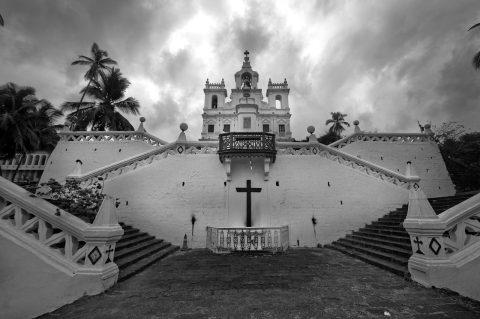
Panaji Old Town
The historic capital of Goa features narrow winding streets lined with colorful Portuguese colonial buildings, ornate balconies, and traditional red-tiled roofs. The vibrant neighborhood is filled with antique shops, art galleries, bookstores, and cafes. Key landmarks include the Imamat Palace and the iconic Our Lady of the Immaculate Conception Church perched on a hill. Walking tours reveal hidden courtyards, traditional mansions, and local heritage spots.
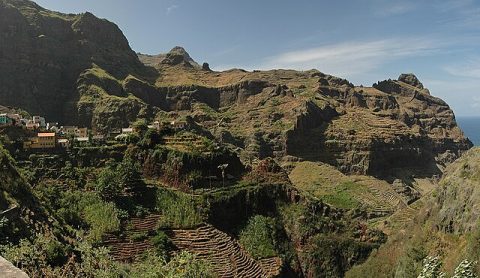
Fontainhas
Panaji's Latin Quarter features pristine pink and blue colonial buildings, narrow cobblestone lanes, and charming cafes that transport visitors to 16th-century Portugal. This bohemian neighborhood is home to artists, writers, and heritage enthusiasts. The colorful buildings create excellent photography opportunities, especially during golden hour. Traditional heritage homes serve as boutique accommodations and galleries.
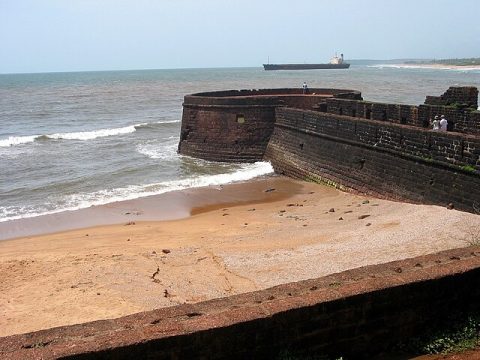
Fort Aguada
A 17th-century Portuguese fortress overlooking the Arabian Sea, Fort Aguada is a remarkable example of military architecture. The well-preserved whitewashed walls, guard towers, and water cistern (aguada) showcase Portuguese engineering. The ground-level tunnel leads to the beachside, offering historical insight and scenic coastal views. A lighthouse at the top provides panoramic vistas of the surrounding coastline.
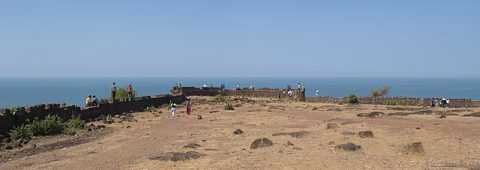
Chapora Fort
Perched on a cliff overlooking Vagator Beach and the Arabian Sea, Chapora Fort was built by the Portuguese in 1617 and later captured by the Marathas. The fort offers breathtaking sunset views and stunning vistas of the coastline. Its haunting, partially-ruined structure adds dramatic appeal, and it served as a filming location for Bollywood productions. The surrounding area is popular with tourists seeking off-beat experiences.
Tips for Ancient & Historical Sites
- Wear comfortable walking shoes for exploring Old Panaji's cobblestone streets
- Visit heritage sites early morning to avoid crowds and enjoy cooler temperatures
- Photography is excellent at forts during sunset (around 5:30-6:30 PM)
- Many colonial buildings are private residences; respect privacy while photographing
- Take guided heritage walks to learn about architecture and historical context
- Best months for heritage exploration are October-March when weather is cooler