Goa's religious heritage blends Hindu temples, Catholic churches, and Islamic mosques reflecting centuries of cultural exchange. UNESCO-recognized sites showcase Portuguese colonial architecture alongside ancient Indian spirituality.
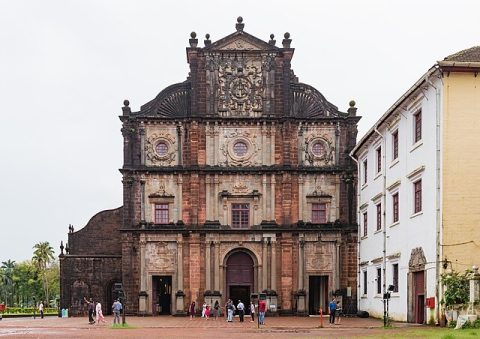
Basilica of Bom Jesus
A UNESCO World Heritage Site and one of the oldest churches in Asia, completed in the early 17th century. The basilica houses the relics of Saint Francis Xavier and is an exceptional example of late Gothic architecture. The interior features ornate gilt altars, baroque decorations, and a revered tomb. The candlelit Christmas Eve midnight mass is particularly memorable. Photography is restricted in certain areas to preserve the sanctity of the shrine.
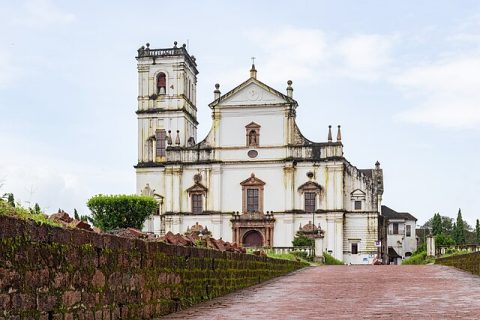
Se Cathedral
Construction began in 1562; the building was substantially completed by 1619 and consecrated in 1640, the Se Cathedral is dedicated to Saint Catherine and is one of India's largest cathedrals. With its Corinthian columns, intricate carvings, and imposing bell tower (Golden Bell), the cathedral showcases Portuguese-Baroque architecture at its finest. The high ceiling and stained glass windows create an ethereal atmosphere. Regular services and choral performances occur throughout the year.
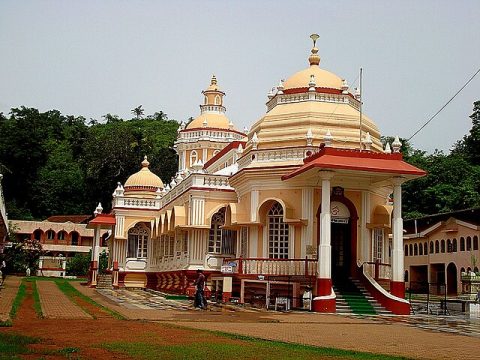
Mangeshi Temple
Dedicated to Lord Mangesh (a manifestation of Shiva), this 18th-century temple is a perfect blend of Hindu and Portuguese architectural styles. The temple features a 7-tiered octagonal lamp tower (deepastambha), ornate carvings, and a peaceful pond with ornamental bridges. The complex includes a Ganesha shrine and serves as a major pilgrimage site during annual festivals. Visitors of all faiths are welcome.
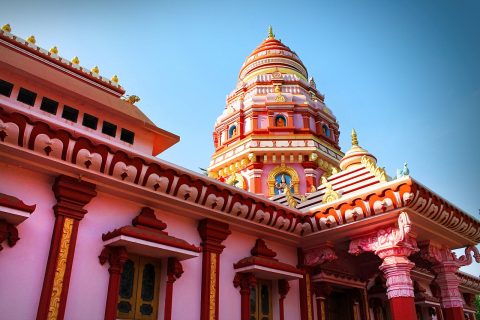
Shri Mahalasa Temple
Located in Mardol village, this ancient temple dedicated to the goddess Mahalasa is considered one of Goa's most important pilgrimage centers. The temple features intricately carved pillars, traditional Kerala-style murals, and a sacred sanctum sanctorum. The annual fair (temple festival) attracts thousands of devotees. The serene surroundings and spiritual ambiance make it a peaceful retreat from busy tourist areas.
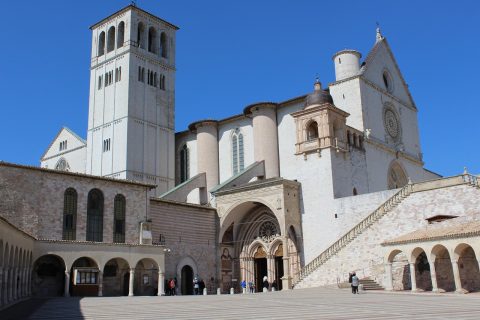
Church of St. Francis of Assisi
Built in the 17th century, this Portuguese-era church features a stunning facade and interior decorated with gilded altars, religious paintings, and wooden sculptures. The museum within the church displays artifacts from the Portuguese colonial period, including vestments, crosses, and historical documents. The peaceful courtyard and intricate stone work provide excellent photography opportunities.
Tips for Religious Sites
- Dress respectfully (covered shoulders and knees) when visiting religious sites
- Remove shoes when entering temples; leave them at designated areas
- Photography may be restricted in sanctums; always ask permission first
- Visit temples early morning for the most peaceful and authentic experience
- Church services are open to visitors; check schedules for communion times
- Annual temple festivals offer vibrant celebrations and special darshan (viewing) times