Beyond the crowds at the Duomo and Uffizi, Florence keeps its quietest treasures behind unmarked doors and modest facades. These spots reward travelers willing to wander a few streets off the main circuit, from fresco-filled chapels to a centuries-old apothecary that still perfumes the air with its own soaps and elixirs.
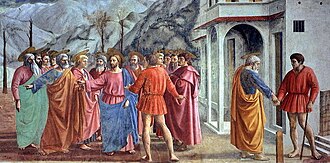
Brancacci Chapel
Tucked inside the Church of Santa Maria del Carmine in the Oltrarno, this small chapel holds one of the most influential fresco cycles of the early Renaissance, painted by Masaccio and Masolino in the 1420s. Michelangelo and other young artists famously studied here, copying Masaccio's revolutionary use of light and perspective. The scenes from the life of Saint Peter, especially the Expulsion from the Garden of Eden, still feel startlingly modern in their emotional rawness. Because visits are timed and capped at a small number of people every fifteen minutes, the chapel rarely feels crowded even in high season. It is an easy stop to miss since the surrounding church looks unassuming from outside, but art historians consider it essential viewing. Booking ahead is strongly advised, as slots sell out on weekends.
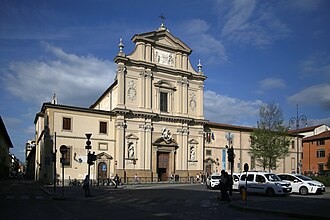
Museo di San Marco
This former Dominican convent near Piazza San Marco houses the largest collection of works by Fra Angelico anywhere in the world, including his luminous Annunciation at the top of the stairs. What makes it extraordinary is that many frescoes remain in the small monks' cells they were originally painted for in the 1440s, meant purely for private contemplation rather than public display. Wandering the quiet, whitewashed corridors feels closer to visiting a working monastery than a museum. Savonarola, the fiery reformist friar, also lived and was arrested here, and his rooms are preserved with period furnishings. Tour groups rarely make it this far north of the Duomo, leaving the cloisters and refectory pleasantly calm. Come in the morning for the best light on the frescoes.
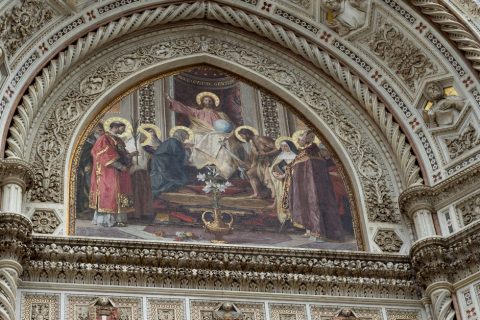
Cenacolo di Sant'Apollonia
Hidden behind an unremarkable doorway near San Marco, this former convent refectory contains Andrea del Castagno's powerful Last Supper fresco from around 1447, painted decades before Leonardo's more famous version in Milan. The apostles are arranged with a stark, almost sculptural intensity against painted marble panels, and the room also preserves fragments of a Crucifixion and Resurrection scene on the opposite wall. Because the convent was cloistered, the fresco stayed hidden from public view for centuries until the building was secularized in the nineteenth century. Entry is free and the space is almost always empty, making it one of the most peaceful encounters with Renaissance art in the city. It is easy to walk past without noticing, so look for the modest sign on Via XXVII Aprile.

Officina Profumo-Farmaceutica di Santa Maria Novella
Founded by Dominican friars in 1221, this is reputedly one of the oldest pharmacies in the world still operating today, tucked beside the Santa Maria Novella church complex. The friars originally grew herbs in their garden to make remedies and rosewater for the monastery's infirmary, and the business has continued in the same vaulted, frescoed halls for eight centuries. Wandering through feels like stepping into a small museum, with antique apothecary jars, marble counters, and the heavy scent of rose, iris, and orange blossom hanging in the air. A small back room displays historic wax anatomical models and old prescription ledgers. Even visitors who do not buy anything are welcome to browse the ornate reception rooms, which cost nothing to enter and rarely appear on standard sightseeing itineraries.
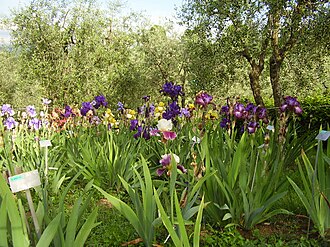
Giardino dell'Iris
Perched on the hillside just below Piazzale Michelangelo, this small municipal garden is dedicated entirely to irises and doubles as the venue for an international iris-breeding competition held every spring. Florence adopted the iris, known locally as the giaggiolo, as its official flower centuries ago, and this garden was created in 1954 to celebrate it. The blooming window is short, typically late April through mid-May, but during those weeks the terraced slopes turn into a patchwork of purple, yellow, and white against sweeping views over the Arno valley. Outside bloom season the garden closes, which keeps it off most itineraries entirely and adds to its secluded feel when open. Entry is free and the terraces are far quieter than the famous viewpoint just up the hill.
Tips for Hidden Gems
- Book Brancacci Chapel tickets online at least a day ahead since entry is limited to small timed groups.
- Visit San Marco and Sant'Apollonia together in one morning, as they sit only a short walk apart near Piazza San Marco.
- Check the Giardino dell'Iris opening dates before visiting, since it is only open during the spring bloom.
- The Santa Maria Novella pharmacy is open daily and free to browse, making it an easy add-on near the train station.