Beyond Renaissance glory, Florence preserves Roman ruins and medieval structures that reveal the city's ancient foundations and evolution through the centuries.
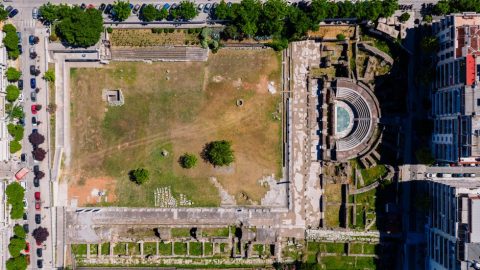
Roman Theater & Archaeological Area
Remnants of ancient Roman Florentia discovered beneath Palazzo Vecchio and Piazza della Signoria. The archaeological area includes parts of the Roman theater, baths, and a fullonica (cloth-dyeing workshop). Underground tours reveal foundations and artifacts from the 1st century BC settlement. The site demonstrates Florence's transformation from Roman colony to medieval commune to Renaissance capital.
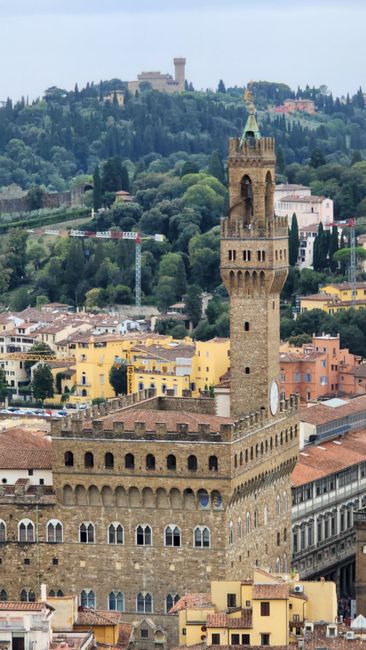
Medieval Towers
Florence once had over 150 medieval tower-houses built by rival families. Today, only a few survive including Torre della Castagna and parts of towers incorporated into later buildings. These defensive towers symbolized family power and wealth during the Middle Ages. Walking through the medieval quarter reveals the city's transformation from a landscape of competing towers to unified Renaissance urbanism.
Tips for Ancient & Historical Sites
- Combine archaeological sites with visits to Palazzo Vecchio for comprehensive historical context
- Look for Roman street patterns still visible in the modern city grid
- Medieval towers are best appreciated during walking tours of the historic center