Plan your trip to Florence
- How long
- 2-3 days: the Duomo, the Uffizi and Accademia, Oltrarno and Boboli, plus a Chianti or Siena day.
- Best for
- Art and Renaissance lovers: the Uffizi, the Accademia's David and a compact, walkable center.
- Skip it if
- You hate queues: the Uffizi, Accademia and the Duomo dome all need booked slots.
If you only do three things
- The Duomo and the dome climb (book ahead).
- The Uffizi Gallery and the Accademia (David), pre-booked.
- Ponte Vecchio and the Oltrarno at sunset.
A one-day route
- Morning: The Duomo, Baptistery and dome (pre-booked).
- Midday: Lunch near the Mercato Centrale.
- Afternoon: The Uffizi (pre-booked).
- Evening: Ponte Vecchio and Piazzale Michelangelo at sunset.
Before you go
- Florence Airport connects to the center by tram in about 20 minutes.
- Book the Uffizi, Accademia and dome climb ahead.
- Many museums close on Mondays.
- Check current prices and the Firenze Card.
Prices, opening status and transport in this plan checked against official sources on 1 October 2026.
Things to do in Florence
Florence's skyline is dominated by architectural masterpieces that define the Renaissance. From Brunelleschi's magnificent dome to medieval towers, these landmarks represent centuries of artistic innovation and civic pride.
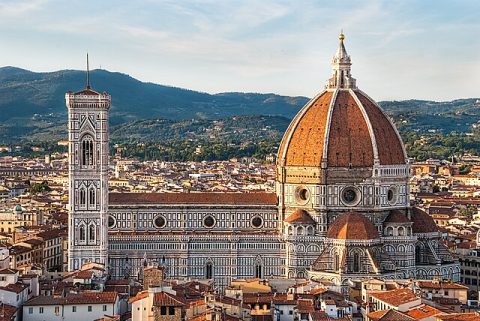
Florence Cathedral (Duomo di Firenze)
The Cathedral of Santa Maria del Fiore dominates Florence's skyline with Brunelleschi's revolutionary dome, an engineering marvel of the Renaissance. The cathedral complex includes Giotto's Bell Tower and the Baptistery with its famous bronze doors. The dome climb has 463 steps and no elevator; it requires a Brunelleschi Pass and a timed reservation. The interior features stunning frescoes by Vasari and Zuccari depicting the Last Judgment.
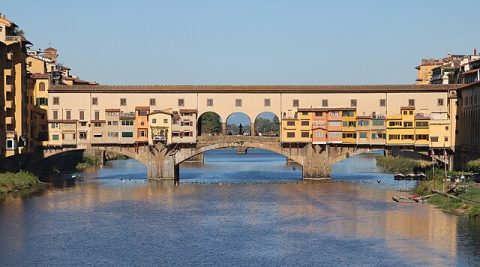
Ponte Vecchio
The iconic medieval bridge spanning the Arno River, famous for its jewelry shops built along its sides. Dating from 1345, it's the only Florentine bridge to survive World War II intact. The covered Vasari Corridor runs above the shops, connecting Palazzo Vecchio to Palazzo Pitti. At sunset, the bridge offers spectacular photo opportunities with golden light reflecting off the river and surrounding architecture.
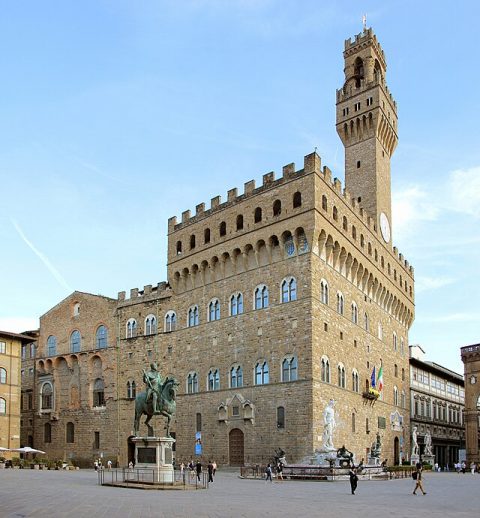
Palazzo Vecchio
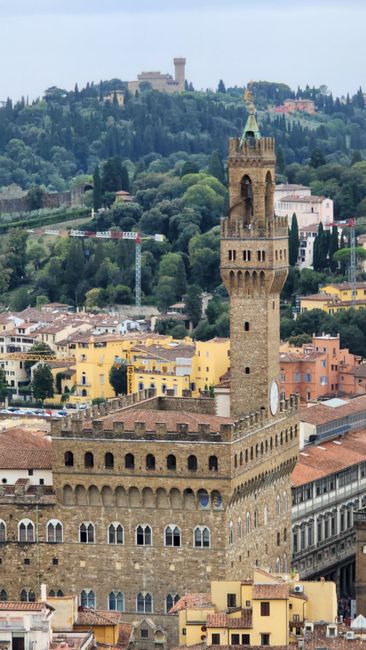
Florence's town hall since 1299, this fortress-palace features a soaring tower and magnificent Renaissance chambers. Explore the Salone dei Cinquecento, one of Italy's largest rooms, adorned with Vasari's massive frescoes. The palace offers secret passages tours revealing hidden staircases and chambers. The Hall of Maps features 16th-century cartographic masterpieces, while private apartments showcase Medici family splendor and political power.
Tips for Landmarks & Monuments
- Book dome tickets weeks in advance during peak season (April-October)
- Visit Ponte Vecchio at sunrise or sunset for the best photographs and fewer crowds
- Combine Palazzo Vecchio with Piazza della Signoria for a comprehensive historical experience
- Wear comfortable shoes for climbing the Duomo's 463 steps with no elevator option
Florence houses the world's greatest concentration of Renaissance art, from Botticelli's Venus to Michelangelo's David. These museums preserve humanity's artistic heritage in magnificent palace settings.
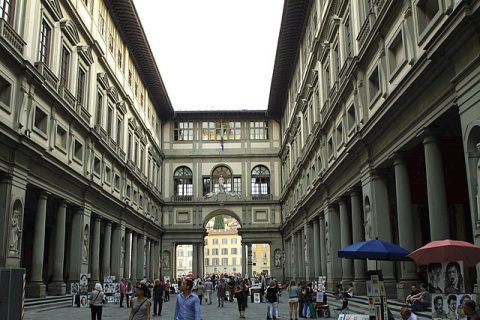
Uffizi Gallery
One of the world's most important art museums, housing an unparalleled collection of Renaissance masterpieces. See Botticelli's Birth of Venus and Primavera, Leonardo da Vinci's Annunciation, and works by Michelangelo, Raphael, Caravaggio, and Titian. The gallery occupies a 16th-century palace designed by Vasari. Special rooms showcase the Medici family's portrait collection and classical sculptures. The Uffizi has a café terrace; don’t rely on it for an unobstructed view of Palazzo Vecchio.
Accademia Gallery
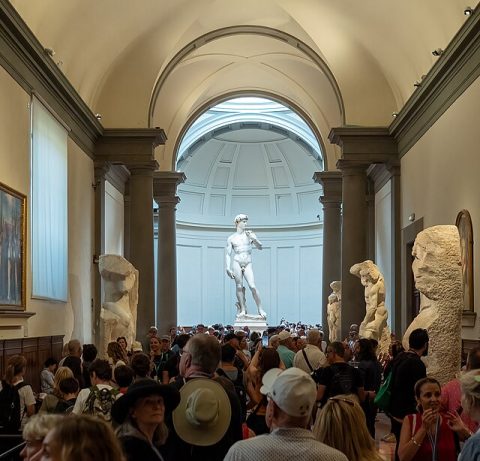
Home to Michelangelo's David, the most famous sculpture in the world. The museum also displays Michelangelo's unfinished Prisoners struggling to emerge from marble, providing insight into his creative process. The collection includes important Florentine paintings from the 13th-16th centuries and a valuable collection of musical instruments. The gallery offers an intimate setting to appreciate Renaissance sculpture and craftsmanship up close.
Pitti Palace & Palatine Gallery
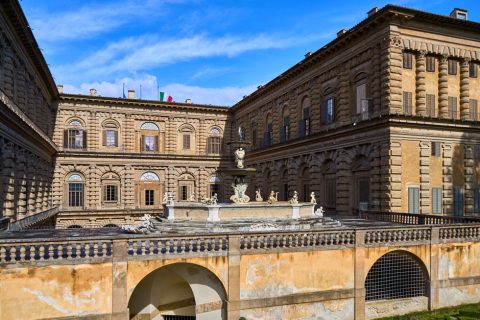
The massive Renaissance palace of the Medici family, containing eight museums including the Palatine Gallery with works by Raphael, Titian, and Rubens. The Royal Apartments display lavish 19th-century decorations. The Modern Art Gallery showcases Italian art from the 18th-20th centuries. Don't miss the Costume Gallery and the Treasury of the Grand Dukes with its precious gems and ornate craftsmanship.
Bargello Museum
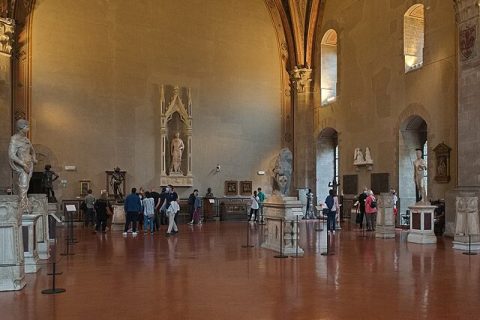
Florence's premier sculpture museum housed in a medieval fortress-palace. Features masterpieces by Donatello, including his bronze David and St. George. The collection includes Michelangelo's early works, Cellini's bronze sculptures, and comprehensive displays of Renaissance decorative arts. The Gothic courtyard and chapel with 14th-century frescoes provide atmospheric settings. Less crowded than major museums, offering a more contemplative experience.
Tips for Museums & Galleries
- Reserve timed-entry tickets online at least 1-2 weeks ahead for Uffizi and Accademia
- Visit museums early morning (8:15 AM opening) or late afternoon to avoid peak crowds
- Photography is generally allowed without flash; check specific room restrictions
- Consider a Firenze Card or combined tickets for multiple museums to save money and time
- Audio guides available in multiple languages enhance the experience significantly
Florence's churches showcase centuries of religious art and architecture, from Romanesque basilicas to Renaissance chapels adorned by master artists. Many contain priceless frescoes, sculptures, and architectural innovations.
Basilica di Santa Croce
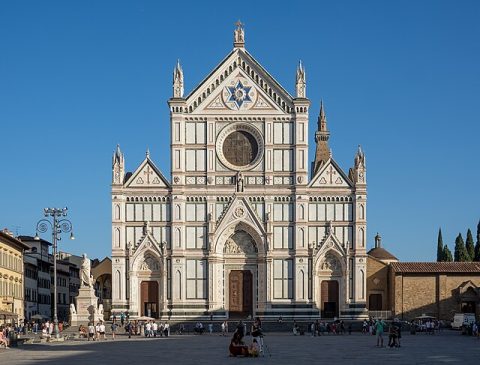
The burial place of Italian legends including Michelangelo, Galileo, Machiavelli, and Rossini. This Franciscan church features stunning frescoes by Giotto in the Bardi and Peruzzi chapels. The Pazzi Chapel by Brunelleschi exemplifies Renaissance architectural harmony. The museum complex includes cloisters and displays Cimabue's Crucifix, damaged in the 1966 flood. The church's façade, completed in the 19th century, showcases neo-Gothic design.
San Lorenzo & Medici Chapels
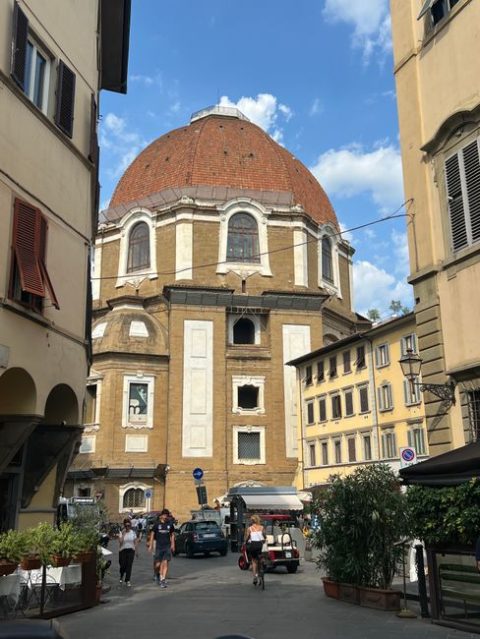
The Medici family's parish church, designed by Brunelleschi with an elegant Renaissance interior. The attached Medici Chapels contain the family's ornate tombs designed by Michelangelo in the New Sacristy. The Chapel of Princes features lavish colored marble decoration and pietra dura inlay work. The Laurentian Library, also by Michelangelo, houses precious manuscripts. Visit the bustling San Lorenzo market outside for leather goods and local products.
Basilica di Santa Maria Novella
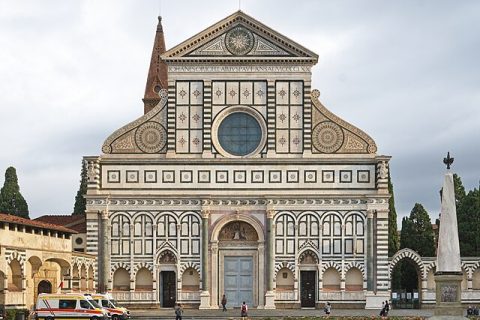
A Dominican church with a magnificent Renaissance marble façade by Alberti. Houses Masaccio's Trinity, a revolutionary fresco demonstrating linear perspective. The Spanish Chapel contains extensive 14th-century frescoes by Andrea di Bonaiuto. The Green Cloister features Paolo Uccello's Universal Deluge. Ghirlandaio's frescoes in the Tornabuoni Chapel depict Florentine life. The pharmacy, operating since 1221, sells traditional herbal remedies and perfumes.
Orsanmichele
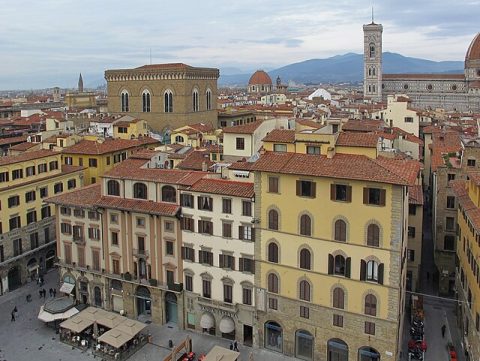
A unique church-granary hybrid showcasing Florence's guild system. The exterior features 14 niches with statues by Donatello, Ghiberti, and other masters representing patron saints of guilds. The interior contains Orcagna's elaborate Gothic tabernacle. Originally a grain market, the building's transformation reflects Florence's economic and spiritual life. The upper floors occasionally open for special exhibitions and offer unusual city views.
Tips for Religious Sites
- Dress modestly when visiting churches - shoulders and knees must be covered
- Many churches close during midday (12:30-3:00 PM) and during services
- Entrance is often free to church naves, but chapels and museums require tickets
- The Medici Chapels require advance booking during peak season
- Photography may be restricted; always check signage before taking photos
Beyond Renaissance glory, Florence preserves Roman ruins and medieval structures that reveal the city's ancient foundations and evolution through the centuries.
Roman Theater & Archaeological Area
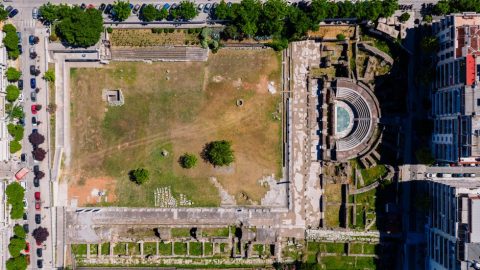
Remnants of ancient Roman Florentia discovered beneath Palazzo Vecchio and Piazza della Signoria. The archaeological area includes parts of the Roman theater, baths, and a fullonica (cloth-dyeing workshop). Underground tours reveal foundations and artifacts from the 1st century BC settlement. The site demonstrates Florence's transformation from Roman colony to medieval commune to Renaissance capital.
Medieval Towers
Florence once had over 150 medieval tower-houses built by rival families. Today, only a few survive including Torre della Castagna and parts of towers incorporated into later buildings. These defensive towers symbolized family power and wealth during the Middle Ages. Walking through the medieval quarter reveals the city's transformation from a landscape of competing towers to unified Renaissance urbanism.
Tips for Ancient & Historical Sites
- Combine archaeological sites with visits to Palazzo Vecchio for comprehensive historical context
- Look for Roman street patterns still visible in the modern city grid
- Medieval towers are best appreciated during walking tours of the historic center
Florence's piazzas serve as outdoor living rooms where history, art, and daily life intersect. These spaces have witnessed centuries of civic events, celebrations, and social gatherings.
Piazza della Signoria
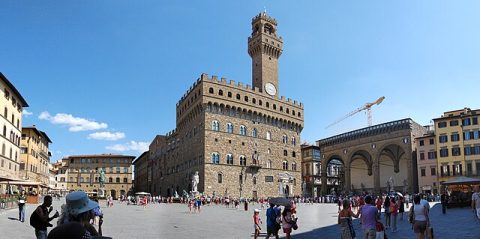
Florence's political heart since the Middle Ages, functioning as an open-air sculpture gallery. The square features the Loggia dei Lanzi with classical and Renaissance statues, a copy of Michelangelo's David, and the Neptune Fountain. Palazzo Vecchio dominates the space with its fortress tower. The square has witnessed executions, protests, and celebrations throughout history. Café tables line the perimeter, perfect for people-watching and soaking in centuries of history.
Piazza del Duomo
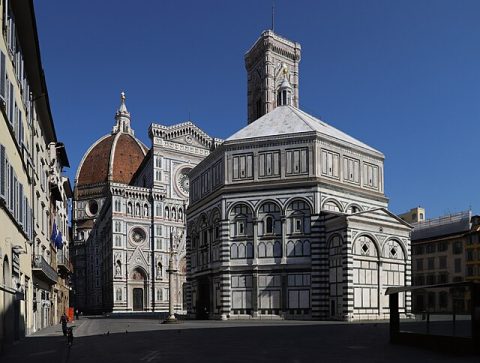
The religious center dominated by the Cathedral's massive dome, Giotto's Bell Tower, and the octagonal Baptistery. This pedestrian square is always bustling with visitors admiring the marble facades and street performers. The geometric patterns of the cathedral's exterior create stunning photo opportunities from multiple angles. The square provides the best vantage points for appreciating Brunelleschi's architectural genius and the Renaissance aesthetic.
Piazza della Repubblica
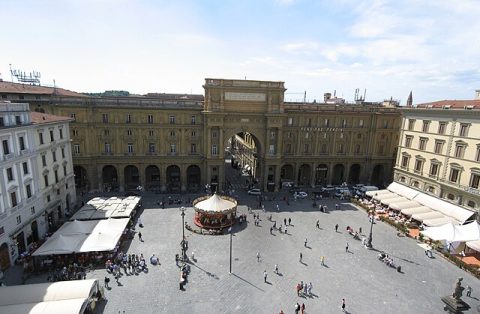
A grand 19th-century square with elegant arcades, historic cafés, and a carousel. Built on the site of the ancient Roman forum and medieval ghetto during urban renewal. The Arch of Triumph marks the entrance. Iconic cafés like Caffè Gilli (1733) and Paszkowski offer premium people-watching spots. Street musicians and artists create a lively atmosphere. The Christmas market transforms the square into a winter wonderland each December.
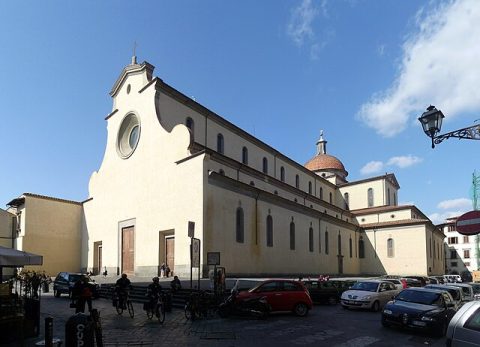
Piazza Santo Spirito
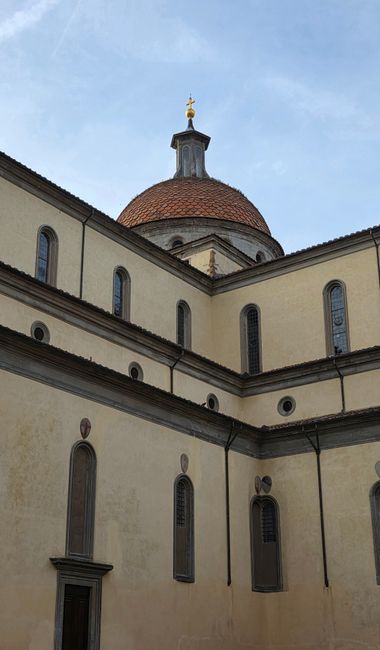
An authentic neighborhood square in the Oltrarno district, beloved by locals. The Renaissance church by Brunelleschi overlooks cafés, restaurants, and artisan workshops. The daily market (except Sunday) sells fresh produce and vintage items. Evening transforms the square into a social hub where Florentines gather for aperitivo. The relaxed, bohemian atmosphere contrasts with tourist-heavy areas across the river.
Tips for Squares & Streets
- Visit Piazza della Signoria early morning or evening to avoid cruise ship crowds
- Piazza Santo Spirito offers the most authentic local experience with reasonable restaurant prices
- Historic café prices are high but worth it for the ambiance and people-watching
- Watch for pickpockets in crowded tourist squares
Florence's distinct quarters each offer unique character, from artisan workshops south of the Arno to elegant Renaissance streets around the Duomo. Exploring neighborhoods reveals authentic Florentine life beyond major monuments.
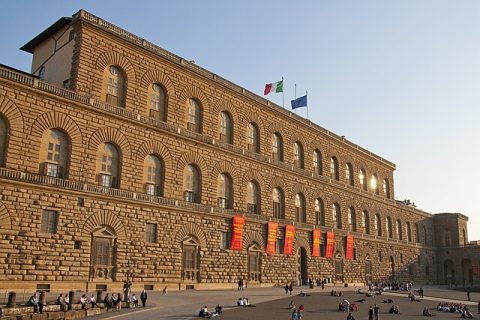
Oltrarno
The artisan quarter south of the Arno River, home to craftspeople, artists, and authentic trattorias. Wander narrow streets discovering goldsmiths, leather workers, and restoration workshops. The area includes Palazzo Pitti, Boboli Gardens, and Santo Spirito church. Via Maggio features antique shops and galleries. The neighborhood retains a village-like atmosphere with local markets, neighborhood bars, and residents who've lived there for generations.
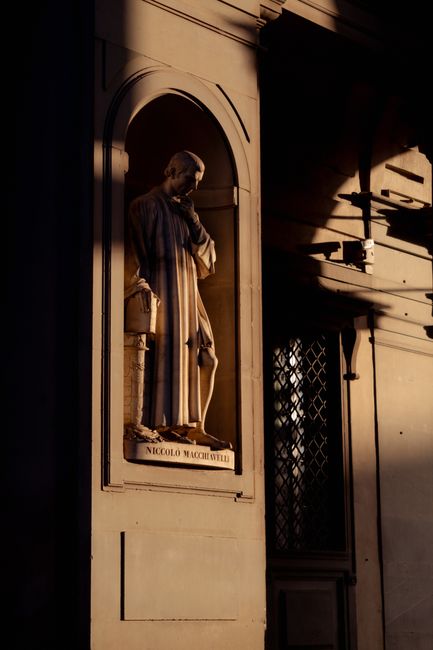
San Niccolò
A charming hillside neighborhood southeast of the center, popular with young Florentines. Medieval gates and tower remnants define the area. Piazzale Michelangelo offers panoramic city views accessible via scenic stairs. The district features trendy wine bars, innovative restaurants, and craft beer pubs. The medieval Torre San Niccolò stands at the entrance. Rose Garden and San Miniato al Monte church crown the hill above.
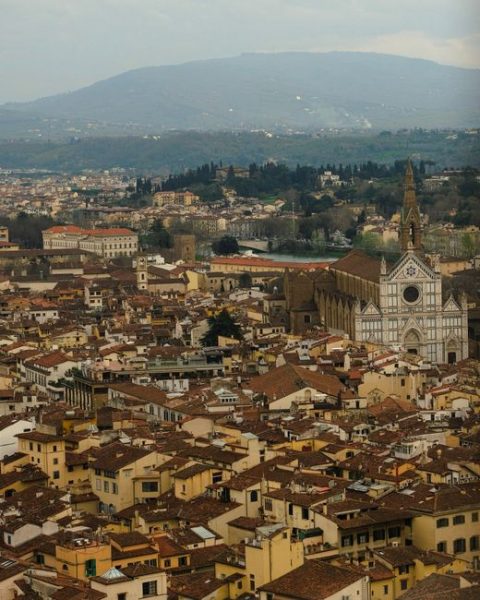
Santa Croce District
An eclectic neighborhood mixing medieval buildings, artisan botteghe, and contemporary culture. The area around the basilica includes the leather school and traditional workshops. The district evolved from working-class roots to a hub for nightlife and restaurants. Via de' Benci and Borgo Santa Croce offer diverse dining options. The 1966 flood markers on buildings recall devastating waters that reached over 5 meters.
Tips for Neighborhoods & Districts
- Oltrarno is best explored in late afternoon when workshops are open and locals emerge for aperitivo
- San Niccolò offers the best sunset views from Piazzale Michelangelo
- Many artisan workshops welcome visitors but maintain working studios - be respectful
- Neighborhoods south of the Arno have more authentic, affordable dining options
Florence's gardens provide green retreats from urban intensity, ranging from Renaissance formal gardens to hilltop parks with panoramic views. These spaces showcase landscape design evolution and offer peaceful respites.
Boboli Gardens
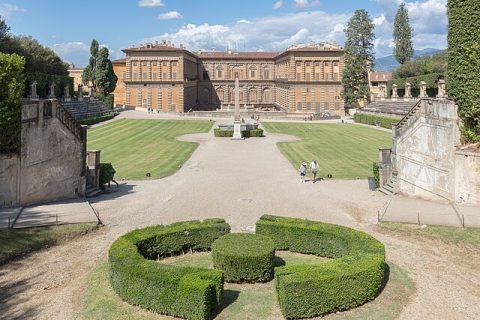
The magnificent Renaissance gardens behind Pitti Palace, spanning 11 acres with sculptures, fountains, and grottoes. Created for the Medici family, the gardens showcase Italian garden design with geometric patterns, cypress-lined avenues, and amphitheater. Highlights include the Buontalenti Grotto with Giambologna's Venus, the Neptune Fountain, The Porcelain Museum is closed for refurbishment until further notice. The elevated Kaffeehaus offers spectacular city views. The gardens provide essential green space and outdoor art museum experience.
Bardini Gardens
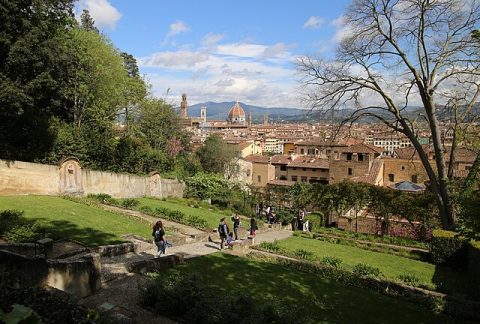
A hidden hillside garden offering stunning panoramic views of Florence with fewer crowds than Boboli. The baroque garden features a monumental staircase, wisteria tunnel (spectacular in April-May), hydrangeas, and rose gardens. The Villa Bardini hosts contemporary art exhibitions. The gardens connect to Boboli via a gate. The upper terraces provide magnificent photo opportunities framing the Duomo and city skyline against Tuscan hills.
Rose Garden (Giardino delle Rose)
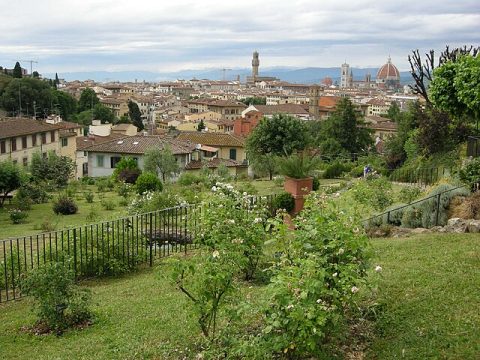
A terraced public garden below Piazzale Michelangelo with over 1,000 rose varieties blooming May-June. The garden includes Japanese-style sections with Zen garden elements. Twelve bronze sculptures by Belgian artist Jean-Michel Folon add contemporary art dimension. Free entry makes this an accessible spot for picnics and relaxation. The garden offers excellent Duomo views without the crowds of the piazzale above.
Tips for Parks & Gardens
- Visit Boboli Gardens early morning or late afternoon to avoid midday heat and crowds
- Combined tickets include Boboli, Bardini, and Pitti Palace museums
- Bring water and wear comfortable shoes - gardens involve significant walking and stairs
- Rose Garden is most spectacular mid-May through June during peak bloom
- Winter visits offer quieter experience though fewer flowers
Florence's streets and squares showcase sculptural masterpieces in open air, from Renaissance fountains to contemporary installations. Public art transforms the city into an accessible gallery.
Loggia dei Lanzi Sculptures
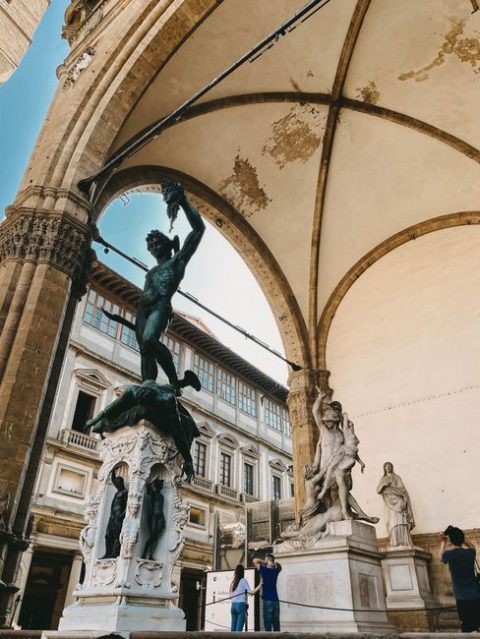
An open-air sculpture gallery in Piazza della Signoria featuring masterpieces including Cellini's bronze Perseus with Medusa's head and Giambologna's Rape of the Sabine Women. The 14th-century loggia originally hosted public ceremonies. Roman statues and Renaissance works create a unique outdoor museum. All sculptures are originals except where noted. The loggia provides shelter while offering perfect views of the square's activities.
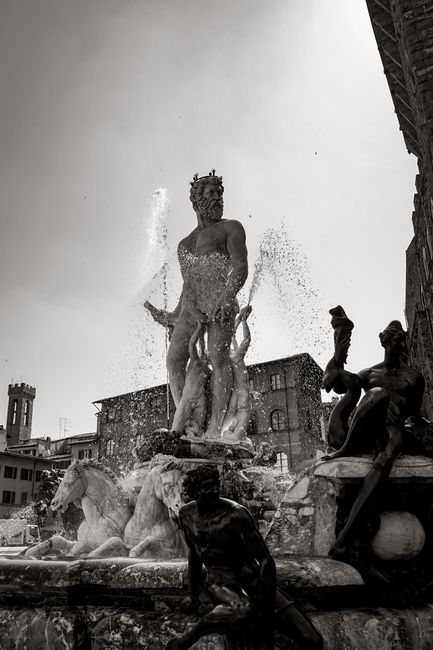
Neptune Fountain (Fontana del Nettuno)
Also called 'Il Biancone' (the big white one) by locals, this monumental fountain dominates Piazza della Signoria. Created by Bartolomeo Ammannati in 1565, the marble Neptune surrounded by bronze nymphs and satyrs celebrates Cosimo I de' Medici's naval victories. Despite mixed Renaissance reviews, it's now an iconic landmark and popular meeting point in the square.
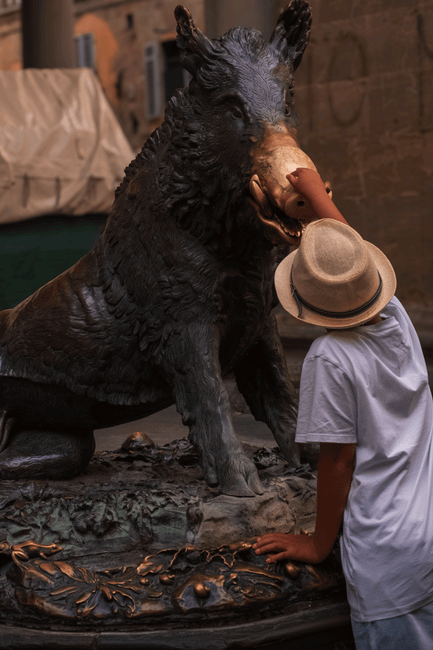
Porcellino Fountain
The beloved bronze boar fountain at the Mercato Nuovo, a 17th-century copy of a Roman marble wild boar. Legend says rubbing the boar's snout and placing a coin in its mouth brings good luck and ensures return to Florence. The worn, shiny snout testifies to countless visitors' wishes. Pietro Tacca created the bronze sculpture in 1634. The fountain inspired similar copies worldwide, but Florence's remains the most famous.
Tips for Fountains & Public Art
- Early morning or evening light provides the best conditions for photographing fountains
- The Porcellino tradition: rub the snout, place a coin in the mouth so it falls through the grate below
- Loggia dei Lanzi is free and accessible 24/7, ideal for early morning visits without crowds
- Look for the geometric pattern in the pavement near Neptune Fountain marking ancient Roman forum location
Florence's compact historic center is best explored on foot, but efficient public transportation connects outlying areas, hills, and the airport. Understanding transport options enhances the Florence experience.
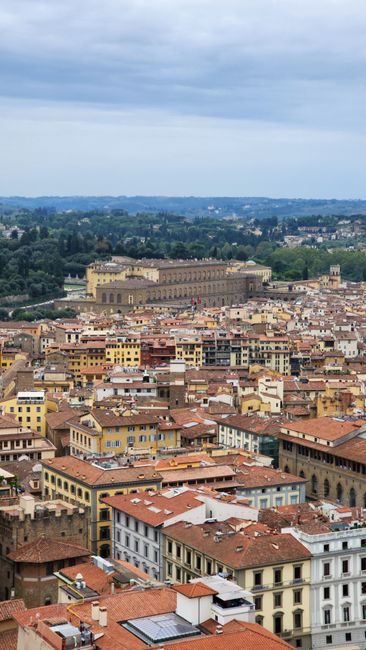
Florence Airport Connections
Amerigo Vespucci Airport (FLR) located 5km northwest of the city center, connects via the Volainbus shuttle service running every 30 minutes to Santa Maria Novella station (20-minute journey, €6). Taxis to the center cost approximately €20-25 with fixed rates. The airport serves primarily European destinations. Many visitors arrive via Pisa Airport (80km away) with train connections to Florence taking about 1 hour.
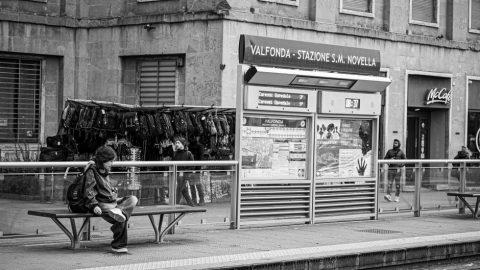
Santa Maria Novella Train Station
Florence's main railway hub with high-speed connections to Rome (1.5 hours), Venice (2 hours), and Milan (2 hours). The station features modernist architecture and excellent facilities including luggage storage. Located steps from the historic center, it's the ideal arrival point. Regional trains connect to Tuscan towns like Siena, Pisa, and Lucca. The station area includes tourist information, ATMs, and pharmacy services.
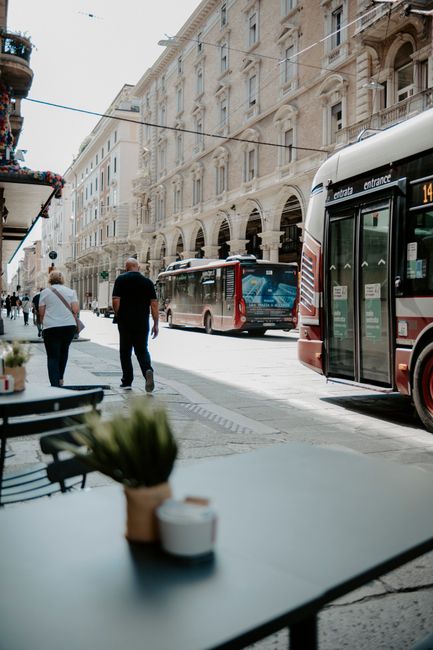
ATAF City Buses
The public bus network covers Florence and surrounding areas, though most tourist sites are walkable. Useful lines include #12 and #13 to Piazzale Michelangelo, buses to Fiesole for hilltop views. Single tickets (€1.50, 90 minutes) available at tobacconists, bars, and automatic machines - not on buses. Validate tickets immediately upon boarding. The historic center has limited bus access due to pedestrian zones.
Tips for Transportation
- Walking is the best way to explore the compact historic center - most sites are within 20 minutes of each other
- Purchase bus tickets before boarding; drivers don't sell tickets and inspectors fine fare evaders heavily
- The ZTL (limited traffic zone) restricts vehicles in the center - don't drive into the historic core
- Taxis are expensive; use them mainly for airport/station transfers or late-night journeys
- Rent bikes cautiously - cobblestones and traffic make cycling challenging in the center
Beyond self-guided exploration, Florence offers immersive experiences from cooking classes to wine tours, art workshops to food walks. These activities provide deeper cultural understanding and memorable interactions.
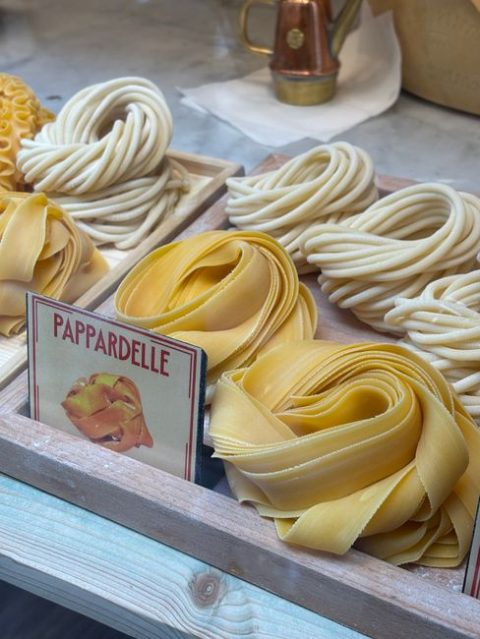
Tuscan Cooking Classes
Learn to prepare authentic Tuscan dishes in hands-on cooking classes led by local chefs. Classes typically include market visits to select fresh ingredients, preparation of 3-4 course meals, and wine pairings. Popular dishes include handmade pasta (pappardelle, ravioli), ribollita soup, bistecca alla fiorentina techniques, and tiramisu. Classes range from 3-5 hours. Many schools offer countryside settings in Chianti villas. Take home recipes and new skills to recreate Tuscan flavors.
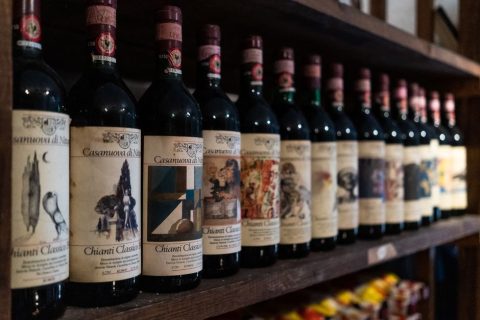
Chianti Wine Tours
Explore Tuscany's famous wine region through half-day or full-day tours visiting historic wineries, medieval villages, and rolling vineyards. Tours typically include 2-3 winery visits with cellar tours, tastings of Chianti Classico, Super Tuscans, and Brunello wines. Stops often feature Greve in Chianti, Castellina, or San Gimignano. Lunch at traditional agriturismi showcases regional cuisine. Small group tours provide intimate experiences with winemakers. Transportation from Florence included in most packages.
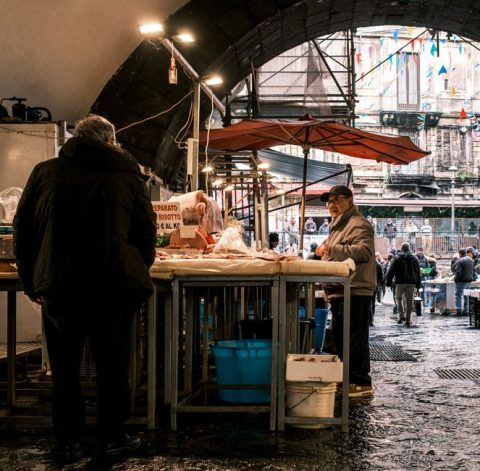
Food & Market Tours
Discover Florentine culinary culture through guided walks visiting markets, food shops, and tasting authentic specialties. Tours typically include Sant'Ambrogio or Central Market visits, salumi and cheese tastings, visits to historic wine windows, gelato stops, and interactions with local vendors. Learn about truffles, olive oil production, and traditional recipes. Evening tours might include aperitivo experiences. Small groups ensure personalized attention. Guides share history, cooking tips, and local food philosophy.
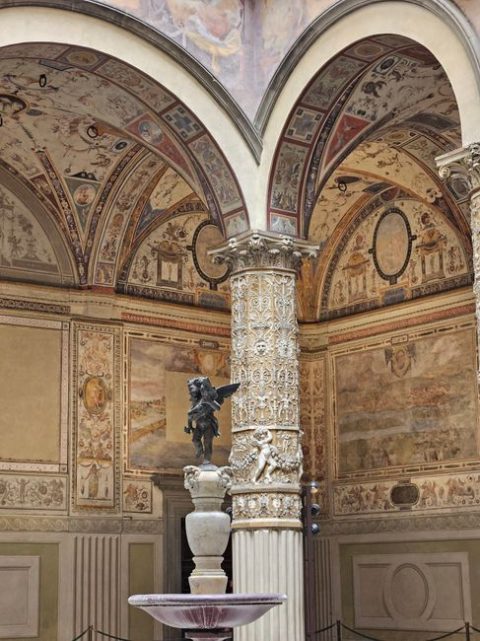
Art & Fresco Workshops
Learn Renaissance artistic techniques from experienced instructors in Florence's artisan studios. Workshops cover fresco painting, gold leaf application, mosaic creation, or marble paper marbling. Classes range from 2-hour introductions to multi-day intensive courses. Create your own artwork to take home. Some workshops visit restoration studios showing conservation work on historic art. These hands-on experiences connect visitors with Florence's living artistic traditions passed down through generations.
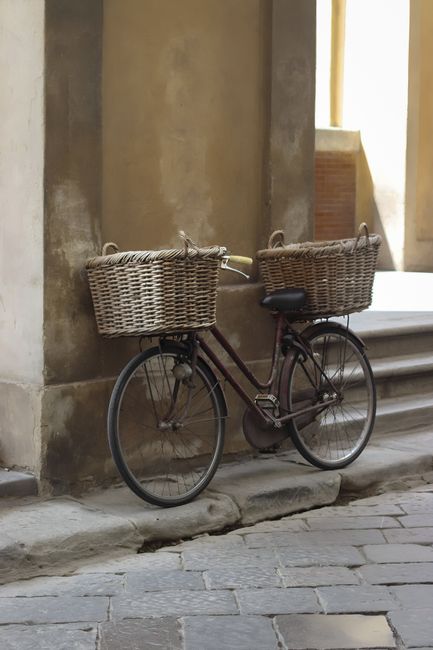
Walking & Bike Tours
Expert-led walking tours provide historical context and access to hidden corners. Options include Renaissance art tours, Medici family history, Dark Tales of Florence, photography walks, and early morning explorations before crowds. Bike tours venture to Fiesole hills or along the Arno to countryside villas. Evening tours capture golden hour light. Private tours offer customized itineraries. Many tours include skip-the-line museum access. Local guides share insider stories and recommendations.
Tips for Tours & Activities
- Book popular cooking classes and wine tours at least 1-2 weeks ahead, especially for spring and fall
- Morning tours avoid afternoon heat and crowds at major sites
- Food tours work well early in your visit to get orientation and dining recommendations
- Small group tours (max 12 people) provide better experiences than large bus tours
- Many tour companies offer hotel pickup or meet at convenient central locations
- Check cancellation policies carefully when booking
Florence's central Tuscany location makes it the perfect base for exploring iconic hill towns, vineyards, coastal areas, and neighboring cities, all accessible within 1-2 hours.
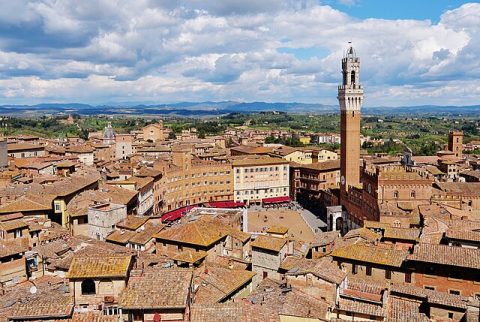
Siena
The medieval Gothic rival to Renaissance Florence, famous for its shell-shaped Piazza del Campo and spectacular cathedral with Piccolomini Library frescoes. The city preserves its medieval character with narrow streets and contrade (districts). Visit the Duomo's floor mosaics (uncovered seasonally), climb Torre del Mangia for panoramic views, and explore the Pinacoteca with Sienese School masterpieces. The famous Palio horse race occurs July 2 and August 16. Accessible by bus (1.5 hours) or train with bus connection.
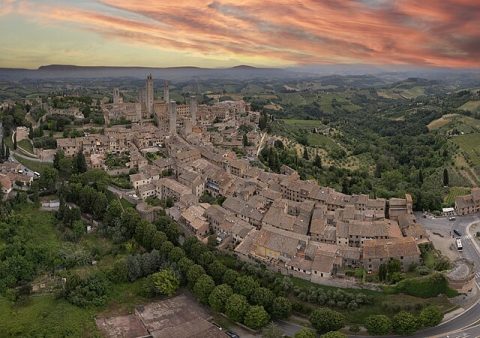
San Gimignano
The 'Medieval Manhattan' famous for its 14 surviving medieval towers creating a unique skyline. This UNESCO World Heritage hilltop town features the Collegiata with stunning 14th-century frescoes, Torre Grossa for countryside views, and Piazza della Cisterna. Sample Vernaccia white wine, visit artisan gelato shops, and explore local crafts. The town gets crowded midday with tour buses; arrive early or stay late for magical atmosphere. Located in Chianti wine country, perfect for combination wine tours. 1.5 hours by bus from Florence.
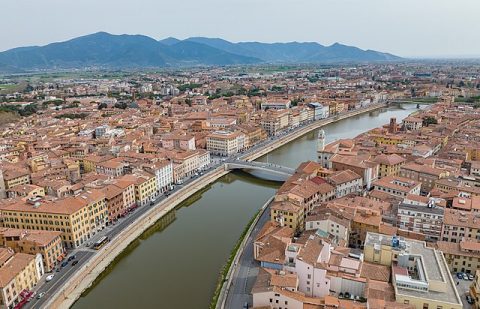
Pisa
Famous worldwide for its Leaning Tower, Pisa offers much more in the Campo dei Miracoli (Field of Miracles) including the stunning Romanesque Cathedral, Baptistery with remarkable acoustics, and Camposanto cemetery. Climb the tower (book ahead) for unique tilted perspective views. Explore the historic center along the Arno River, visit Keith Haring's Tuttomondo mural, and discover Borgo Stretto's shopping arcades. Less touristy than Florence with authentic Italian atmosphere. Only 1 hour by train, easily combined with Lucca.
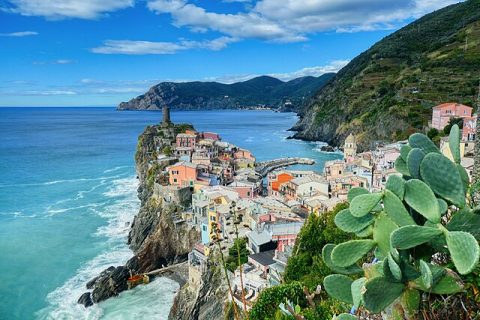
Cinque Terre
Five spectacular coastal villages perched on Ligurian cliffs with colorful houses tumbling down to the sea. Hike scenic trails connecting villages (Blue Trail requires pass), take trains between towns, or boat along the coast. Each village has distinct character - Vernazza is most picturesque, Monterosso has beaches, Manarola offers sunset views. Visit April-October for best weather; summers are extremely crowded. Long day trip from Florence (2.5-3 hours each way by train) or consider overnight stay. Book accommodations and trains far in advance.
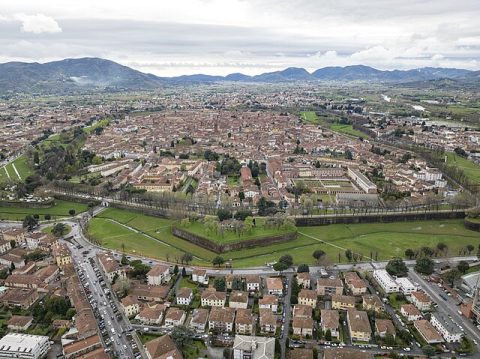
Lucca
A charming walled city with intact Renaissance walls now converted to a tree-lined promenade perfect for walking or cycling. Explore Torre Guinigi with rooftop trees, the oval Piazza dell'Anfiteatro built on Roman amphitheater foundations, and San Michele in Foro church. Lucca offers a relaxed Tuscan experience with excellent restaurants, antique markets, and boutique shopping. Puccini's birthplace hosts classical concerts. The walls circuit (4km) provides beautiful city views. Combine with Pisa for a full-day trip; 1.5 hours by train from Florence.
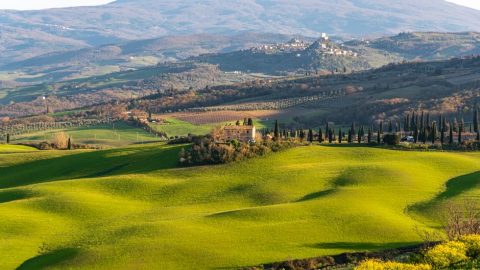
Montepulciano & Pienza
Two stunning Val d'Orcia hill towns famous for wine and Renaissance urban planning. Montepulciano, perched on a limestone ridge, produces Vino Nobile wine; visit cantinas for tastings and climb the bell tower for countryside views. Pienza, the 'ideal Renaissance city' redesigned by Pope Pius II, is famous for pecorino cheese. The Val d'Orcia landscape of rolling hills, cypress trees, and farmhouses is iconic Tuscany. Best visited by car or organized tour; 2 hours from Florence. Combine for a full day exploring southern Tuscany.
Tips for Day Trips & Excursions
- Train day trips work well for Pisa, Siena, and Lucca; rent a car or book tours for hill towns without train service
- Start early to maximize time - some destinations require 2-3 hours travel each way
- Book Leaning Tower tickets and Cinque Terre trains in advance during high season
- Consider staying overnight in Siena or Cinque Terre to experience evening atmosphere
- Many guided day tours include multiple destinations, transportation, and lunch
- Wednesday and Saturday market days add special interest to town visits
Florence leans into the holiday season with a German-style Christmas market, an ice rink beside a Gothic basilica, and elegant illuminations strung across its Renaissance streets. December visitors can browse wooden chalets for mulled wine, ornaments and handcrafted gifts, then wander from the Duomo to the Arno beneath twinkling lights.
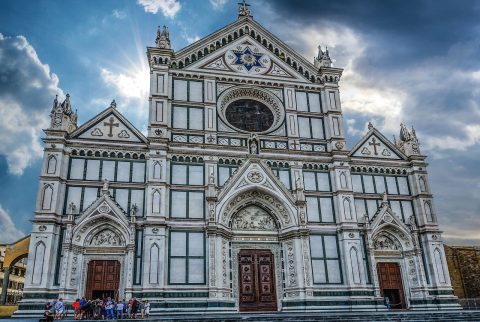
Piazza Santa Croce Christmas Market
Florence's best-known holiday market is the German-style Weihnachtsmarkt set up in front of the Basilica di Santa Croce, run in partnership with the German city of Heidelberg. Rows of wooden chalets sell mulled wine (vin brulè), roasted chestnuts, gingerbread, ornaments and handmade crafts, with the basilica's marble facade as a striking backdrop. In recent years the market has typically run from late November through December 23, though exact 2026 dates should be confirmed closer to the season via the city's official tourism channels. It draws both locals doing gift shopping and tourists after the day's museum visits. Come at dusk when the string lights switch on and the piazza takes on a cozy, almost alpine atmosphere despite the Tuscan setting. Expect crowds on weekends.
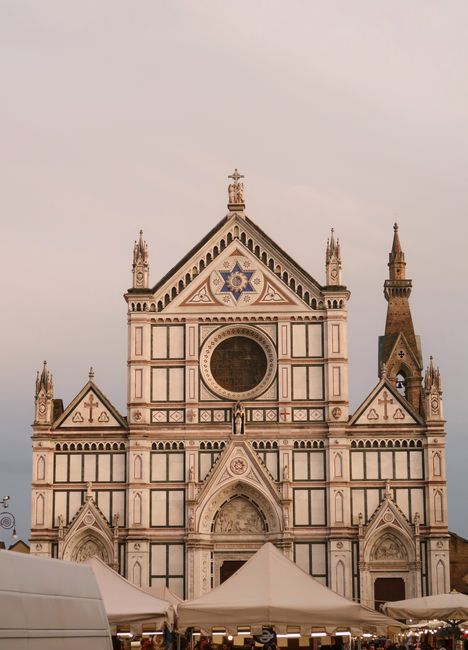
Ice Rink at Piazza Santa Croce
Alongside the Christmas market, the Firenze Sotto l'Albero (Florence Under the Tree) initiative typically installs a seasonal outdoor ice-skating rink in Piazza Santa Croce, open through the Christmas and New Year period. Skating beneath the medieval basilica and a decorated tree is a favorite activity for families and couples visiting in December. Skate rental is generally available on site, and short sessions make it an easy stop between sightseeing. The rink is usually paired with food stalls and a small funfair feel, so it works well combined with a visit to the market chalets next door. Evening sessions can be busy and may require a short wait, especially on weekends close to Christmas. It is an easy, low-cost way to experience Florence's more playful winter side outside the museums and churches.
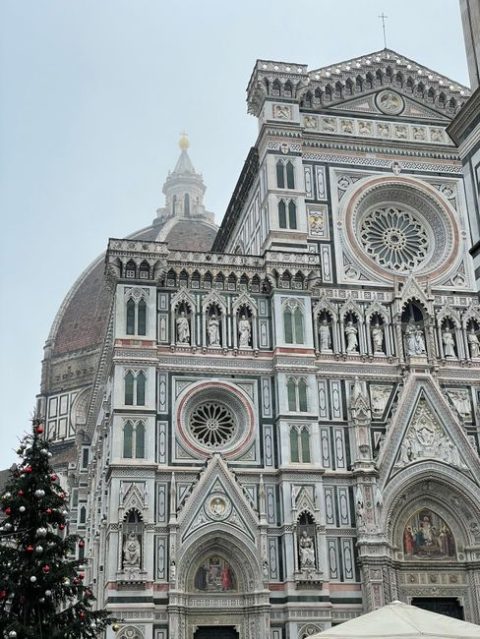
Piazza del Duomo Christmas Tree and Illuminations
Each December the area around the Duomo and Piazza della Signoria is decked out with a large decorated Christmas tree, a nativity scene, and elaborate light displays that also extend down elegant shopping streets like Via de' Tornabuoni. The illuminations turn Florence's historic center into a glittering nighttime walk, with Brunelleschi's dome and Giotto's bell tower lit against the winter sky. It costs nothing to enjoy and pairs naturally with an evening stroll after dinner. Shop windows along the fashion district also dress up for the season, giving the walk a mix of history and festive sparkle. This is one of the simplest ways for visitors on a tight schedule to soak up Florence's Christmas mood without needing tickets or reservations, and it is especially photogenic just after sunset.
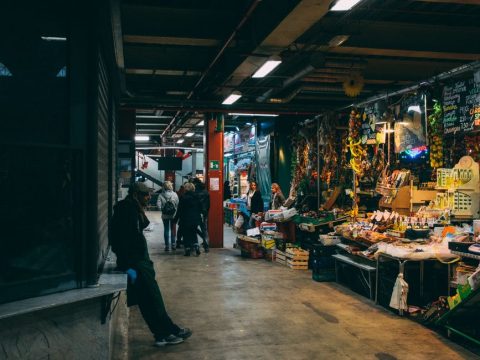
Mercato Centrale Winter Food Stalls
For a warmer, indoor taste of the season, the historic covered Mercato Centrale near San Lorenzo is a good stop during December, with vendors selling Tuscan holiday specialties like panforte, ricciarelli and torrone alongside its usual fresh produce and street-food stalls. It is not a dedicated Christmas market, but the upper-floor food hall gets a festive atmosphere and is a reliable place to escape the cold with a hot dish or glass of wine. It sits an easy walk from both the Duomo illuminations and the San Lorenzo leather-market stalls, making it a convenient midday break during a winter sightseeing loop. Locals also shop here for edible Christmas gifts, so it offers a more authentic, less touristy complement to the Piazza Santa Croce market.
Tips for Christmas Market
- Confirm exact 2026 opening and closing dates for the Piazza Santa Croce market closer to your trip, as they shift slightly year to year.
- Visit in the early evening for the best light and smaller crowds than peak weekend afternoons.
- Bring cash for small market stalls, though most now accept cards.
- Pair the market and ice rink visit with a walk to the Duomo illuminations since they are within easy walking distance of each other.
- Many museums keep shorter hours or close on December 25, so plan sightseeing around holiday closures.
When the museums close, Florence swaps frescoes for fizz: wine bars tucked into medieval alleys, rooftop lounges overlooking terracotta rooftops, and a late-night scene split between the student-heavy Santa Croce streets and the polished bars near the river.
Expect long aperitivo spreads, Negroni specialists, and DJ sets that rarely run past 2am under Florence's strict noise rules.
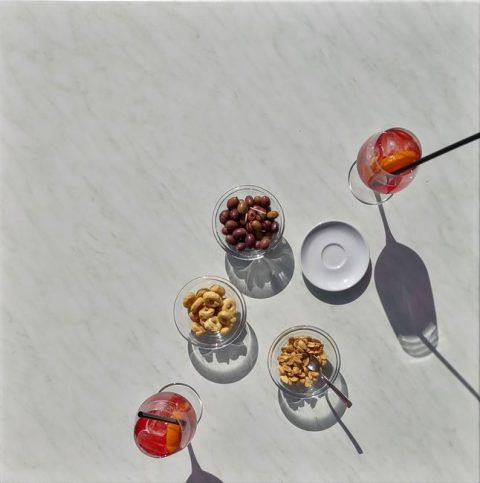
Rooftop Aperitivo Bars
Florence's rooftop bars turn sunset into the city's main event, with terraces stacked above hotels and department stores offering panoramic views over red-tiled roofs to the Duomo and the hills beyond. Most operate on the aperitivo model: order a cocktail after 6pm and a buffet of olives, crostini, pasta salads, and cured meats often comes included, making it an easy way to eat cheap and drink well before dinner. Dress codes lean smart-casual and tables fill fast in summer, so arriving right at opening or booking ahead is wise. The mood shifts from golden-hour photo spot to lively lounge as the night goes on, with lounge or house music replacing daytime chatter.
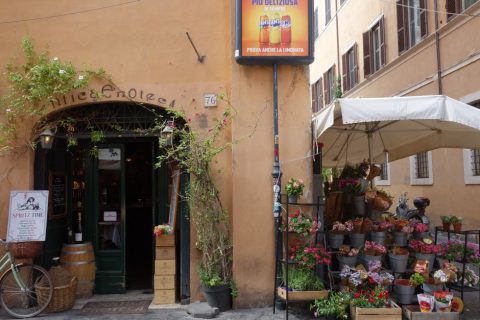
Enoteca Wine Bars
Tiny, wood-paneled enoteche line the streets near Santo Spirito and the historic center, pouring Chianti Classico, Brunello, and lesser-known Tuscan whites by the glass alongside boards of pecorino, salumi, and crostini. These bars favor conversation over spectacle: low lighting, a knowledgeable barkeep happy to talk vintages, and a crowd that ranges from locals stopping in after work to visitors settling in for a slow evening. Many stock bottles you will not find on restaurant lists, and prices per glass are usually reasonable given the quality. It is an easy, unhurried way to spend a Florence evening, especially paired with a stroll through the surrounding lanes before or after.
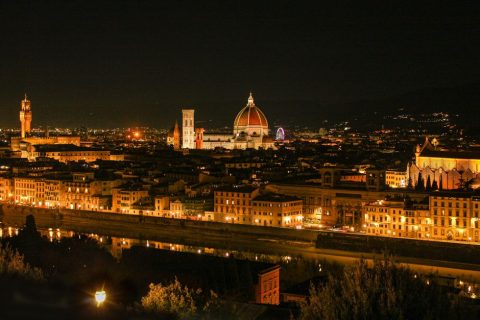
Santa Croce Late-Night Bar Strip
The streets around Santa Croce, especially Via de Benci and Via dei Neri, form Florence's most concentrated late-night stretch, packed with cocktail bars, craft beer pubs, and small clubs that stay lively long after restaurants have closed. The crowd skews young, mixing university students, expats, and travelers hopping between spots, with drink prices generally lower than in the more touristy center. Bars here range from speakeasy-style cocktail dens with inventive menus to casual pubs showing football and pouring pints. It is the neighborhood to head to if the plan is bar-hopping rather than settling into one place, with something for most tastes within a few blocks.
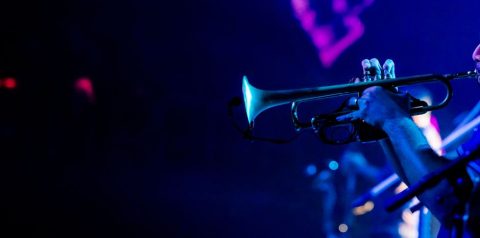
Live Jazz and Music Clubs
A handful of intimate clubs keep Florence's live-music scene going, hosting jazz trios, blues acts, and singer-songwriters in cellar-like rooms with brick vaults and close, informal seating. Some operate as private membership clubs requiring a small nominal card at the door, a quirk of Italian licensing rather than any real barrier to entry. The atmosphere favors listening over dancing, with sets often running from late evening into the early hours and a regular crowd of local musicians who sometimes sit in. It is a good contrast to the wine-bar scene elsewhere in the city, offering a warmer, more bohemian slice of Florence nightlife away from the postcard sights.
Tips for Nightlife & Entertainment
- Aperitivo hour typically runs 6-9pm and often includes a free buffet with a drink purchase, a budget-friendly way to eat before a night out.
- Many bars near Santa Croce and Santo Spirito get crowded by 9-10pm on weekends; arrive earlier to snag a table.
- Clubs and rooftop bars in summer often require reservations, especially for terrace seating with a view.
- Florence enforces noise ordinances, so most bars and clubs wind down by 1-2am rather than running until dawn.
- Some music venues operate as tesserati (member) clubs requiring a small card purchase at the door, a normal formality rather than an exclusive policy.
Florence rewards curious young travelers with hands-on science, quirky natural history, wide-open parks, and gentle countryside adventures just outside the historic core. These stops balance the citys art-heavy reputation with activities that let children touch, run, and explore at their own pace.
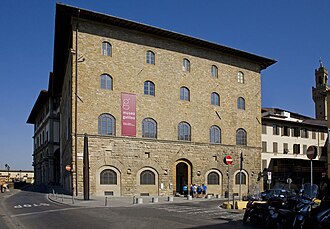
Museo Galileo
This hands-on science museum sits right behind the Uffizi and turns the history of astronomy and physics into something kids can actually play with. Interactive stations let children crank armillary spheres, test early telescopes, and watch pendulum demonstrations, while original instruments once used by Galileo himself give the visit real wow-factor for older siblings and parents. The compact layout means little legs wont wear out halfway through, and English-language activity sheets are available for younger visitors at the front desk. A ground-floor cafe offers a spot to regroup. Rainy-day visits work especially well since almost everything is indoors and self-paced, and the museum rarely feels as crowded as the nearby Uffizi queues.
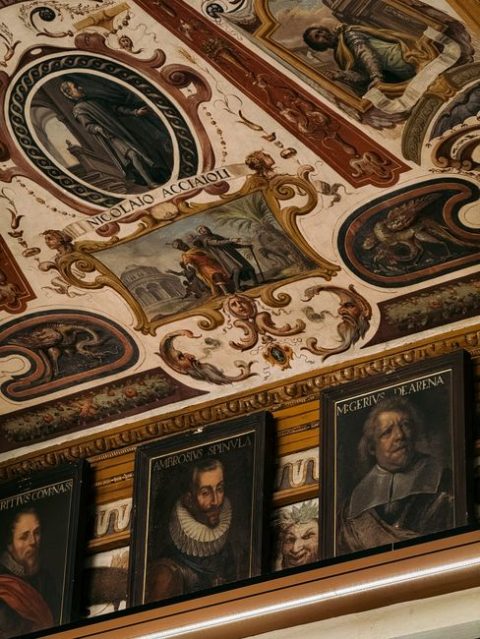
La Specola Zoology Museum
Europes oldest public science museum hides inside Palazzo Torrigiani and holds one of the strangest collections in Florence: rows of taxidermied animals, whale skeletons, and centuries-old anatomical wax models. Kids who love dinosaurs, skeletons, or anything a little spooky tend to light up here, wandering past stuffed lions, polar bears, and an entire hall of birds without the crowds found at the major galleries. The wax anatomy rooms are vivid and best suited to older children or teens rather than toddlers. Low lighting and creaky wooden floors add genuine old-museum atmosphere that younger explorers often find thrilling rather than boring. Combine it with a walk through the nearby Boboli area for an easy half-day outing.
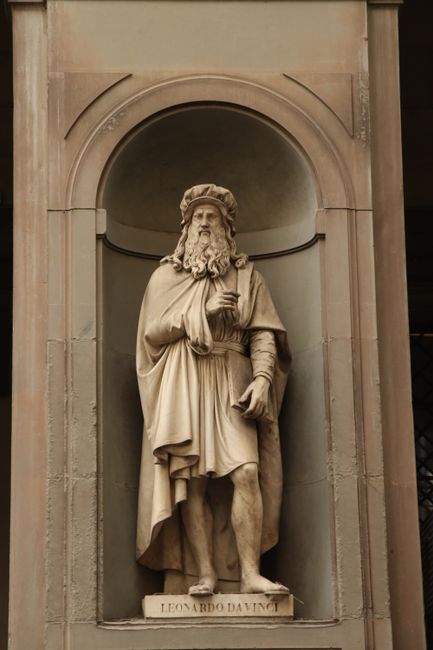
Museo Leonardo da Vinci
Unlike a traditional art museum, this small private collection near the Duomo is built entirely around touchable, life-size wooden machines reconstructed from Leonardos own sketches. Children can crank gears on a working catapult model, test a rudimentary bicycle, and peer through a giant lens, turning inventions from five centuries ago into something tactile and immediate. Every model is paired with a simplified diagram so kids can see how the mechanism connects to the original drawing. Its small enough to see in under an hour, making it an easy add-on to a morning near the cathedral without overloading a familys schedule. Staff are used to fielding curious questions from children and often demonstrate a machine or two on request.
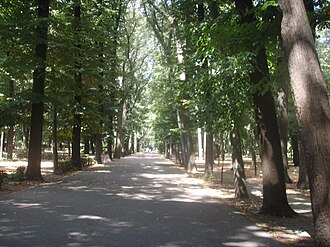
Parco delle Cascine
Florences largest green space stretches for miles along the Arno and gives kids room to actually run after days of narrow cobbled streets. The park has several playgrounds, wide flat paths good for scooters or rented bikes, and shaded lawns for picnics away from tourist crowds. A Tuesday morning market fills part of the park with clothing and household stalls, while weekends bring joggers, cyclists, and local families rather than sightseers. Its less manicured than the citys formal gardens, with a slightly wild, everyday-park feel that many children find more fun than a formal monument. Bring a ball or scooter and treat it as downtime between heavier sightseeing days.
Fattoria di Maiano
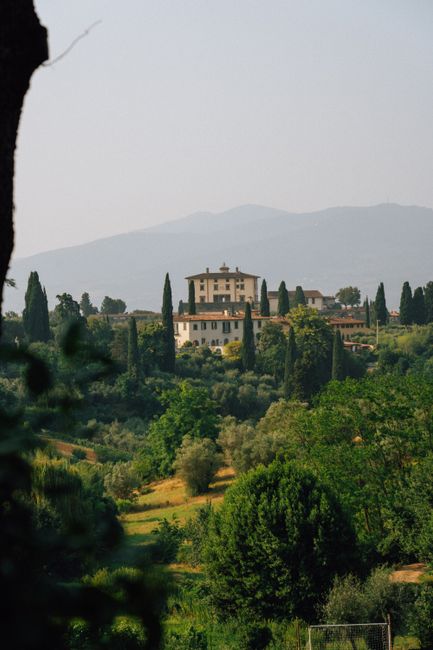
A short drive or taxi into the hills toward Fiesole, this working farm and nature estate offers exactly the kind of open-air break that balances out a city-heavy itinerary. Kids can walk shaded trails past olive groves and cypress-lined paths, spot farm animals, and picnic with sweeping views back toward the Duomo in the distance. The grounds once inspired scenes in Boccaccios Decameron, but the appeal for children is simpler: fresh air, space to explore, and none of the queueing that comes with central Florence. Wear sturdy shoes since paths are unpaved and can be uneven after rain. Its an easy way to spend a slower half-day, especially for families traveling with younger children who need a break from museums.
Tips for With Kids
- Pair an indoor museum morning with an outdoor park afternoon to keep energy levels balanced.
- Museo Galileo and Museo Leonardo da Vinci are both compact, making them easy add-ons near the Duomo without a full separate outing.
- Cobblestones are hard on strollers, so a lightweight carrier works better for toddlers in the historic center.
- Weekday mornings tend to be quietest at family-oriented sites, while weekends bring more local families to Parco delle Cascine.
- Book a taxi or check bus schedules in advance for Fattoria di Maiano since its outside the compact center.
Florence keeps a lively rhythm of festivals, concerts, and seasonal traditions that unfold across its piazzas and along the Arno throughout the year. From Renaissance-costumed processions to open-air opera and artisan markets, these recurring events let visitors experience the city as locals do. Plan a trip around one of these dates for a deeper, more festive taste of Florentine culture.
Scoppio del Carro (Explosion of the Cart)
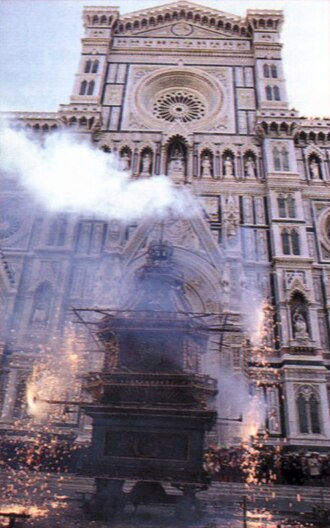
On Easter Sunday, 5 April 2026, Florence revives a 350-year-old tradition in front of the Duomo. A wooden cart laden with fireworks, pulled by white oxen, is paraded from Porta al Prato to the Piazza del Duomo. At the moment the Gloria is sung during Mass, a mechanical dove-shaped rocket is ignited from the altar and speeds along a wire to set off the cart in a dramatic burst of fireworks and sparks. Legend holds that a clean, complete explosion promises a good harvest and a prosperous year for the city. Crowds gather early to claim a spot around the cathedral square, and the event draws both devout locals and curious travelers. It is a rare blend of Catholic ritual, medieval pageantry, and pyrotechnic spectacle unlike anything else in Italy.
Maggio Musicale Fiorentino
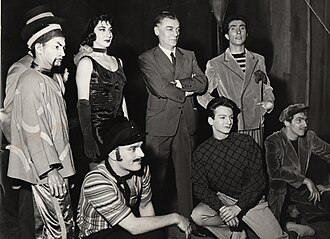
Running from 25 April to 28 June 2026, Italy's oldest music festival fills the Teatro del Maggio and other venues across Florence with opera, symphonic concerts, ballet, and chamber music. Founded in 1933, the festival has hosted legendary conductors and performers and remains a cornerstone of the city's cultural calendar. Programming mixes classical staples with contemporary commissions, giving audiences a chance to see world-class orchestras and touring companies in a compact, walkable city. Evening performances often sell out, so early booking is recommended for popular productions. Beyond the main stage, satellite events and open rehearsals sometimes pop up in smaller courtyards and churches. For visitors interested in classical music and opera, this festival offers one of the richest concentrated programs anywhere in Europe, set against Florence's Renaissance backdrop.
Estate Fiesolana Summer Festival
From mid-June through August 2026, the hillside town of Fiesole just above Florence hosts an open-air season of concerts, theater, dance, and film screenings inside its ancient Roman amphitheater. Cool evening breezes and sweeping views over the Arno valley make it a favorite escape from the summer heat in the city center. The program typically spans jazz nights, classical recitals, and contemporary dance performances, drawing both Florentines and visitors looking for an atmospheric evening out. Tickets are sold per event, and the amphitheater's stone seating can be softened with a cushion for longer shows. Getting there is easy via a short bus ride from central Florence. It pairs well with an early dinner in Fiesole's small piazza before the evening performance begins under the stars.
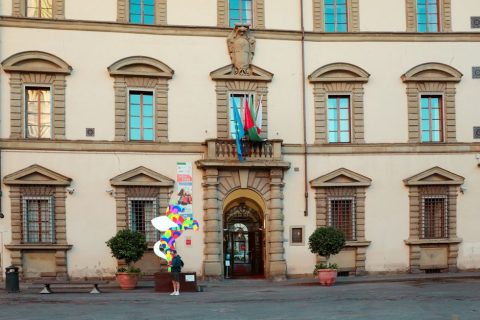
Rificolona Festival
Celebrated on the evening of 7 September 2026, the Festa della Rificolona fills the streets around Piazza Santissima Annunziata with children and families carrying colorful paper lanterns on long poles. The tradition traces back to farmers who once walked into the city from the countryside for the feast of the Nativity of the Virgin Mary, lighting their way with homemade lanterns. Today it has become a joyful evening parade with music, street food, and a friendly rivalry of paper lanterns bobbing above the crowd, occasionally still swatted by mischievous kids with slingshots, a mock tradition of decades past. Stalls sell candy, roasted chestnuts, and lantern kits for those who arrive without one. It is a distinctly local, family-oriented event that offers a warmer, less touristy side of Florentine festivity as summer turns to autumn.
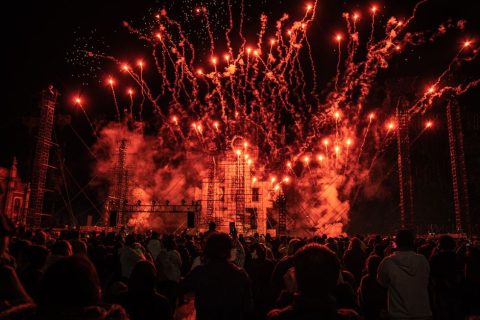
Florence New Year Concert and Fireworks
On 31 December 2026, Florence rings in the new year with a free open-air concert in Piazza Santa Croce followed by a midnight fireworks display over the Arno, best viewed from Piazzale Michelangelo or the bridges near Ponte Vecchio. Live bands and DJs perform through the evening, drawing large crowds bundled up against the winter chill for a communal countdown. Many restaurants around the city offer special cenone (New Year's Eve dinner) menus beforehand, and after midnight, some venues continue with dancing into the early hours. The atmosphere is festive but relaxed compared to larger European capitals, making it a good option for travelers who want fireworks and music without overwhelming crowds. Arrive early to secure a good vantage point, and dress warmly since the celebration takes place mostly outdoors.
Tips for Events Calendar
- Book Maggio Musicale Fiorentino tickets several weeks ahead, especially for opera premieres.
- For Scoppio del Carro, arrive at Piazza del Duomo by 9:00 to get a clear view before the late-morning explosion.
- Check exact 2026 dates closer to your trip, as some events shift slightly year to year around religious or lunar calendars.
- Pack a light jacket for the Fiesole summer festival, as evenings in the hills cool down quickly after sunset.
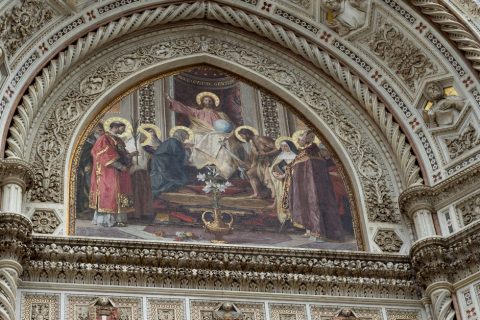

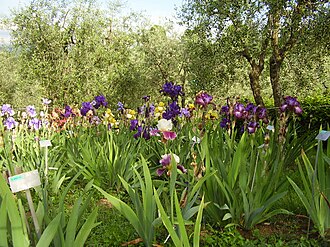
Real, highly-rated Restaurants in Florence, sourced from Google Places (rating above 4★).
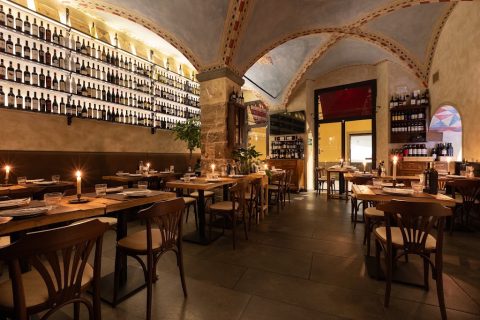
La tenda rossa
La tenda rossa is a highly-rated restaurant in Florence, rated 4.9★ from 2817 reviews. Located at Via dei Magazzini, 4, 50122 Firenze FI, Italy.
Opening Hours
- Monday: 11:00 AM – 11:00 PM
- Tuesday: 11:00 AM – 11:00 PM
- Wednesday: 11:00 AM – 11:00 PM
- Thursday: 11:00 AM – 11:00 PM
- Friday: 11:00 AM – 11:00 PM
- Saturday: 11:00 AM – 11:00 PM
- Sunday: 11:00 AM – 11:00 PM
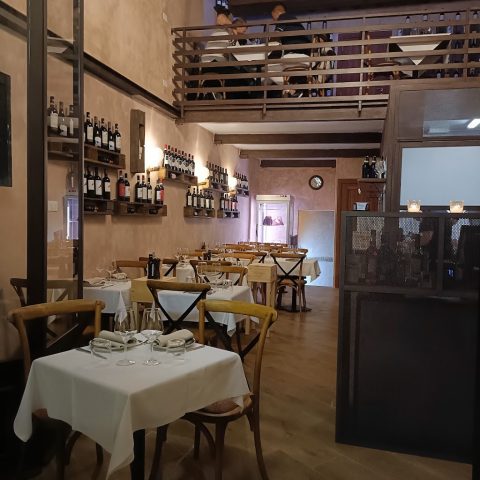
Futura Cucina Italiana
Futura Cucina Italiana is a highly-rated restaurant in Florence, rated 4.9★ from 440 reviews. Located at Via delle Terme, 29R, 50123 Firenze FI, Italy.
Opening Hours
- Monday: 11:30 AM – 10:30 PM
- Tuesday: 11:30 AM – 10:30 PM
- Wednesday: 11:30 AM – 10:30 PM
- Thursday: 11:30 AM – 10:30 PM
- Friday: 11:30 AM – 10:30 PM
- Saturday: 11:30 AM – 10:30 PM
- Sunday: 11:30 AM – 10:30 PM
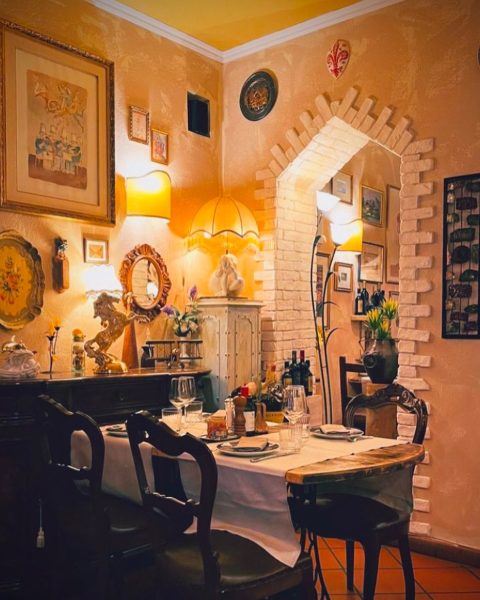
Osteria Vecchio Cancello
Osteria Vecchio Cancello is a highly-rated restaurant in Florence, rated 4.8★ from 2605 reviews. Located at Via Guelfa, 138/R, 50129 Firenze FI, Italy.
Opening Hours
- Monday: 12:00 – 2:00 PM, 7:00 – 10:00 PM
- Tuesday: 12:00 – 2:00 PM, 7:00 – 10:00 PM
- Wednesday: 12:00 – 2:00 PM, 7:00 – 10:00 PM
- Thursday: 12:00 – 2:00 PM, 7:00 – 10:00 PM
- Friday: 12:00 – 2:00 PM, 7:00 – 10:00 PM
- Saturday: 12:00 – 2:00 PM, 7:00 – 10:00 PM
- Sunday: 12:00 – 2:00 PM, 7:00 – 10:00 PM
Explore Florence on the Map
Optimal Seasons for Florence
Spring (April-May) is ideal with mild temperatures (15-23°C/59-73°F), blooming gardens, and manageable crowds. Easter week gets busy but offers special celebrations. Wisteria blooms in Bardini Gardens peak late April.
Fall (September-October) rivals spring with comfortable weather (16-24°C/61-75°F), harvest season atmosphere, and fewer tourists than summer. September sees local life return after August exodus. October offers truffle season and wine harvest experiences.
Summer (June-August) brings intense heat (28-35°C/82-95°F), maximum crowds, and high accommodation prices. Many locals leave in August. Museums and attractions maintain extended hours. Early morning and evening visits essential for comfort.
Winter (November-March) offers the quietest experience with occasional rain and cooler temperatures (5-12°C/41-54°F). Museums are uncrowded, restaurants authentic, and prices lowest. Christmas markets enliven December. Some attractions have reduced hours.
| Month | Avg Temp | Rainfall | Crowd Level |
|---|---|---|---|
| January-March | 5-15°C | Moderate | Low |
| April-May | 12-23°C | Moderate | Medium-High |
| June-August | 20-35°C | Low | Very High |
| September-October | 15-25°C | Moderate | Medium-High |
| November-December | 6-13°C | High | Low-Medium |
Shopping in Florence
Leather Goods: Florence is renowned for quality leather products. Reputable areas include San Lorenzo Market stalls (bargain aggressively), Scuola del Cuoio (Leather School) behind Santa Croce for high-end items, and Via de' Tornabuoni for luxury brands like Gucci and Ferragamo (both Florentine).
Gold & Jewelry: Ponte Vecchio's jewelry shops offer beautiful pieces but touristy prices. Better value found in Oltrarno artisan workshops where goldsmiths create custom pieces. Via Maggio and surrounding streets house antique jewelry shops.
Fashion: Via de' Tornabuoni is Florence's Fifth Avenue with flagship luxury stores. Via Roma and Via Calzaiuoli offer mid-range international brands. For unique boutiques, explore Santo Spirito neighborhood and streets around Santa Croce. Designer outlets at The Mall (Gucci, Prada) and Barberino Designer Outlet sit 30-40 minutes outside Florence.
Artisan Crafts: Oltrarno workshops produce traditional crafts - paper goods at Il Papiro, artistic frames, ceramics, and restoration work. Via de' Fossi specializes in antiques. Mercato Nuovo (Straw Market) sells souvenirs though quality varies.
Food Products: Bring home Tuscan olive oil, balsamic vinegar, truffles, wine, and porcini mushrooms. Eataly near SMN station offers quality selection. Central Market's ground floor features food vendors. Pegna delicatessen (since 1860) stocks gourmet items.
Bargaining Tips: Expected at San Lorenzo Market stalls - start at 50-60% of asking price. Not appropriate in established shops or boutiques. Cash purchases may yield small discounts. Inspect leather quality carefully - real leather should smell natural and show imperfections.
Annual Events & Festivals
Scoppio del Carro (Easter Sunday): A centuries-old tradition where a cart filled with fireworks explodes outside the Duomo, ignited by a mechanical dove along a wire from the altar. The explosion's success predicts the year's fortune.
Maggio Musicale Fiorentino (April-June): Italy's oldest music festival featuring opera, concerts, and ballet performances at Teatro del Maggio with international artists and orchestras.
The 2026 semifinals were June 13–14 and the final was June 24; dates vary by year. Four neighborhood teams compete in this brutal ancestor of modern soccer combining rugby, wrestling, and martial arts.
St. John's Day (June 24): Florence's patron saint celebration features historical parades, boat races on the Arno, and spectacular fireworks over Piazzale Michelangelo visible throughout the city.
Estate Fiesolana (June-August): Summer festival in Fiesole's Roman theater presenting concerts, dance, cinema, and theater performances in a stunning hilltop setting above Florence.
Festa della Rificolona (September 7): Children parade through streets carrying colorful paper lanterns to commemorate pilgrims who once walked to Florence for the Virgin Mary's birthday celebration.
Florence Biennale (October, odd years): International contemporary art exhibition attracting artists worldwide, showcasing paintings, sculpture, installations, and performance art.
Christmas Markets (Late November-Early January): Traditional German-style markets in Piazza Santa Croce offering crafts, food, and holiday atmosphere. Ice skating rink and carousel added. Piazza della Repubblica hosts a smaller market.
National Holidays: January 1 (New Year), January 6 (Epiphany), Easter Monday, April 25 (Liberation Day), May 1 (Labor Day), June 2 (Republic Day), June 24 (San Giovanni - local), August 15 (Ferragosto), November 1 (All Saints), December 8 (Immaculate Conception), December 25-26 (Christmas).
Sample Day-by-Day Itineraries
Day 1: Renaissance Masterpieces
Morning: Start early at the Accademia Gallery (8:15 AM opening) to see Michelangelo's David with minimal crowds (1.5 hours). Walk to Piazza del Duomo to admire the Cathedral exterior and climb Giotto's Bell Tower or the Dome for panoramic views (1.5 hours - book ahead). Coffee break at a café on Piazza della Repubblica.
Afternoon: Lunch in the Central Market food hall experiencing local specialties. Visit the Uffizi Gallery (pre-booked 2 PM entry) for 3 hours exploring Botticelli, Leonardo, and Renaissance masterpieces. The Vasari Corridor requires a separate ticket or supplement and mandatory reservation; it is not a standard Uffizi exit.
Evening: Stroll to Ponte Vecchio for sunset photography. Walk along the Arno to Piazza della Signoria to see illuminated sculptures. Dinner in the nearby medieval quarter. Gelato at Vivoli or La Carraia.
Day 2: Historic Churches & Hills
Morning: Visit Santa Croce Basilica when it opens (see Giotto frescoes and tombs of famous Italians - 1.5 hours). Explore the adjacent Leather School. Walk through Sant'Ambrogio Market for authentic local atmosphere. Coffee at Caffè Cibrèo.
Afternoon: Cross to Oltrarno for lunch at a traditional trattoria in Piazza Santo Spirito. Tour Palazzo Pitti and the Palatine Gallery (2 hours). Spend 1.5 hours wandering Boboli Gardens with its sculptures and views.
Evening: Walk or take bus #12 to Piazzale Michelangelo for spectacular sunset over Florence (arrive 1 hour before sunset). Climb further to San Miniato al Monte church for Gregorian chant at vespers (5:30 PM summer, 5 PM winter). Dinner in San Niccolò neighborhood - wine bars and innovative restaurants.
Day 3: Medici Legacy & Local Life
Morning: Tour Palazzo Vecchio including secret passages (2 hours - book ahead). Admire sculptures in Piazza della Signoria and Loggia dei Lanzi. Visit Orsanmichele church-guild hall. Browse San Lorenzo Market for leather and local products.
Afternoon: Lunch near the market. Visit Medici Chapels to see Michelangelo's sculptures and lavish Chapel of Princes (1.5 hours). Tour San Lorenzo Basilica and Laurentian Library. Coffee at one of the historic cafés in Piazza della Repubblica.
Evening: Take a food and wine tour through Oltrarno or Santa Croce neighborhoods, sampling local specialties, wines, and meeting artisans (3 hours). Alternatively, enjoy aperitivo at a wine bar followed by dinner at a traditional osteria. Evening stroll along the Arno watching street performers.
Day 4: Hidden Gems & Artisan Florence
Morning: Visit the Bargello Museum for outstanding sculpture collection in an intimate setting (1.5 hours). Explore the Dante Quarter around his house museum, seeing medieval tower houses and small churches. Stop at Santa Maria Novella church and pharmacy (1.5 hours).
Afternoon: Take a cooking class in a Tuscan villa or city studio (3-4 hours) learning to make pasta, sauces, and desserts, followed by lunch with wine. Alternatively, visit Bardini Gardens for peaceful hilltop views and the wisteria tunnel (seasonal), then explore Oltrarno artisan workshops.
Evening: Attend an Italian opera or concert at Teatro del Maggio, Teatro della Pergola, or Chiesa di Santa Monaca. Pre-theater dinner in the area. For a casual evening, join locals in Piazza Santo Spirito for outdoor drinks and people-watching.
Day 5: Day Trip Options
Option A - Siena & San Gimignano: Depart Florence by 8:30 AM by car/tour. Arrive Siena 10 AM, explore Piazza del Campo, Cathedral, and medieval streets (3 hours). Lunch in Siena. Afternoon drive to San Gimignano (30 min), climb towers, taste Vernaccia wine, see frescoes (2-3 hours). Return to Florence by 7 PM.
Option B - Chianti Wine Region: Depart 9 AM for Chianti Classico countryside. Visit 2-3 wineries with tastings and cellar tours. Stop in Greve in Chianti or Castellina for lunch and village exploration. Visit a castle or abbey. Return late afternoon with bottles of wine and olive oil.
Option C - Cinque Terre: Early train departure (7 AM) to La Spezia, then local trains connecting the five villages. Hike between towns, swim at beaches, photograph colorful houses. Lunch with fresh seafood. Visit 3-4 villages depending on pace. Return train arrives Florence by 9 PM (long but rewarding day).
Option D - Pisa & Lucca: Train to Pisa (9 AM, 1 hour), see Leaning Tower complex (2-3 hours including tower climb). Train to Lucca (30 min), cycle or walk the city walls, explore churches and piazzas, lunch at traditional trattoria (3 hours). Return to Florence by 6 PM.
General Tips: Book major museum tickets with specific entry times. Dress modestly for churches. Stay flexible with timing. Rest during midday heat in summer. Shop hours vary; don’t assume a citywide 1–4 PM closure. Start days early to maximize cool morning hours and beat crowds at popular sites.
Best Photography Locations & Instagram Spots
Piazzale Michelangelo (Sunrise & Sunset): The ultimate panoramic viewpoint capturing Florence's entire skyline with the Duomo, Palazzo Vecchio, and surrounding hills. Arrive 45 minutes before sunrise (6-7 AM depending on season) for magical light with no crowds and misty valleys. Sunset draws crowds but offers golden light on the city (arrive 1 hour early for positioning). The replica David statue provides foreground interest.
Ponte Vecchio from Ponte Santa Trinita: The most iconic bridge photograph showing the full span of Ponte Vecchio with its shops and the Arno reflecting colors. Best at golden hour (one hour after sunrise or before sunset). Walk to the middle of Ponte Santa Trinita for unobstructed views. Dawn offers mirror-like water reflections with no tourists on the bridge.
Duomo from Via Ricasoli: Capture the dome's magnificence framing it between buildings on this narrow street leading to Piazza del Duomo. Morning light (9-11 AM) illuminates the cathedral's facade. The street provides classic Renaissance architectural framing. Less crowded than the square itself for photography.
Boboli Gardens' Neptune Fountain: The baroque fountain with Palazzo Pitti in the background offers classical Italian garden photography. Late afternoon light (4-6 PM) creates dramatic shadows and golden tones. The geometric garden paths leading to the fountain provide strong compositional lines. Quieter than city center locations.
Via dell'Erta Canina: A hidden medieval stepped street in San Niccolò climbing toward San Miniato. Stone walls, potted plants, and climbing vines create authentic Tuscan atmosphere. Morning light (8-10 AM) provides soft illumination. Few tourists discover this picturesque path. Combine with Piazzale Michelangelo visit.
Loggia dei Lanzi & Piazza della Signoria: The outdoor sculpture gallery offers multiple photo opportunities with Palazzo Vecchio as backdrop. Blue hour (30 minutes after sunset) when artificial lights illuminate sculptures and architecture creates magical ambiance. Early morning (7-8 AM) provides empty square opportunities. The loggia's arches frame sculptures dramatically.
Bardini Gardens' Wisteria Tunnel: Spectacular purple cascades bloom late April through early May creating an Instagram sensation. Visit early morning or late afternoon for best light and fewer visitors. The gardens' terraces also provide elevated Duomo views with foreground flowers. Requires admission but worth the uncrowded access.
Rose Garden (Giardino delle Rose): Terraced rose gardens with Duomo views bloom May-June. The Jean-Michel Folon sculptures add artistic elements. Sunset photography combines roses, sculptures, and city skyline. Free entry makes this accessible. Less known than Piazzale Michelangelo directly above but equally photogenic.
Via de' Bardi: A quiet Oltrarno street running parallel to the Arno with Renaissance palaces and minimal tourist traffic. Golden hour sidelighting emphasizes architectural details. The street offers authentic Florentine atmosphere without crowds. Ancient doorways, stone facades, and local life create compelling subjects.
Central Market Upper Floor: The modern food hall's interior with hanging lights, food displays, and bustling activity offers vibrant contemporary photography. Lunchtime (12-2 PM) provides peak energy and varied subjects. The architectural mix of old market structure and modern design creates interesting contrasts.
Corridoio Vasariano Windows: The corridor is open to visitors by reservation, Tuesday through Sunday, with a special ticket or supplement, The corridor is a bookable walking route from the Uffizi over Ponte Vecchio to Boboli; it is not simply a set of gallery-window views. Visit Uffizi's outdoor terrace for similar elevated river views without crowds.
Photography Tips: Dawn (6-8 AM) offers the best combination of beautiful light and empty streets. Blue hour (30 min before sunrise/after sunset) creates moody atmospheric shots. Avoid midday harsh shadows (11 AM-3 PM) especially in summer. Bring wide-angle lenses for architecture, telephoto for detail shots. Respect 'no photography' signs in museums. Use manual settings to handle mixed lighting in churches. Consider purchasing photography permits for professional/commercial shoots in some locations.
Electricity & Plugs in Florence
Voltage: Italy operates on 230V, 50Hz electrical system. North American devices (110V) require voltage converters unless they're dual-voltage (check device labels stating '110-240V'). Most modern electronics like phone chargers, laptops, and camera batteries are dual-voltage and only need plug adapters.
Plug Types: Italy uses Type C, F, and L plugs. Type C (two round pins) is most common and works with Type F (two round pins with grounding). Type L (three round pins in a row) is uniquely Italian. Universal travel adapters work best, covering all configurations. Purchase adapters before departure or at airport/electronics stores in Florence.
Adapter Recommendations: Bring multiple adapters if traveling with several devices. Hotels typically provide limited outlets. Power strips with built-in converters maximize charging capacity. USB charging ports becoming common in newer hotels reduce adapter needs for phones and tablets.
Where to Buy: If arriving without adapters, purchase at Florence Airport shops, electronics stores along Via dei Calzaiuoli, or large pharmacies. Hotel front desks sometimes loan adapters but don't rely on availability. Hardware stores (ferramenta) stock Italian plugs if staying extended periods.
Special Considerations: Hair dryers and straightening irons typically require converters due to high wattage. Many hotels provide hair dryers eliminating need to bring your own. Check if your accommodation offers international outlets. Voltage differences can damage non-dual-voltage devices permanently. When in doubt, verify device specifications before plugging in.
Tuscan Cuisine & Dining Guide
Must-Try Dishes:
- Bistecca alla Fiorentina: Massive T-bone steak from Chianina cattle, grilled rare over oak coals, served by weight (800g minimum typically serves 2). Order at restaurants like Trattoria dall'Oste or Buca Mario. Expensive but iconic.
- Ribollita: Hearty Tuscan bread soup with black kale (cavolo nero), cannellini beans, and vegetables. Traditional peasant dish, best in winter. Try at Trattoria Mario or Il Santo Bevitore.
- Pappa al Pomodoro: Thick tomato and bread soup with basil, olive oil, and garlic. Comfort food representing cucina povera (poor kitchen) heritage. Summer dish showcasing ripe tomatoes.
- Pappardelle al Cinghiale: Wide ribbon pasta with rich wild boar ragù sauce, slow-cooked with tomatoes and red wine. Autumn/winter specialty. Excellent at Perseus or Cammillo.
- Lampredotto: Florentine street food - cow's fourth stomach slow-cooked in broth, served in bread rolls (panino) with salsa verde. Try at historic cart in Piazza dei Ciompi or Tripperia Pollini.
- Schiacciata: Tuscan flatbread, salty and olive oil-rich, sold by weight at bakeries. Eaten plain or filled with prosciutto and cheese. All'Antico Vinaio makes legendary sandwiches.
- Crostini Neri: Toasted bread topped with chicken liver pâté, a traditional Tuscan antipasto. Rich, savory, and polarizing but authentic.
- Fagioli all'Uccelletto: Cannellini beans cooked with tomato, sage, and olive oil. Simple but perfectly represents Tuscan flavors. Side dish or light meal.
Wines: Chianti Classico (local favorite), Brunello di Montalcino (premium red), Vino Nobile di Montepulciano, Vernaccia di San Gimignano (white), Super Tuscans (modern blends), and Vin Santo (dessert wine served with cantucci biscotti).
Dining Etiquette & Tips:
- Reservations essential for dinner at popular restaurants, especially weekends and high season
- Coperto (cover charge €2-4 per person) is standard and legal in Italy - covers bread and table service
- Service (servizio) may be added to bills; if not, 10% tip is generous by Italian standards
- Lunch (pranzo) served 12:30-2:30 PM, dinner (cena) starts 7:30 PM (locals eat 8:30-9 PM)
- Many restaurants close Sunday/Monday and August for vacation
- Order courses separately - antipasto, primo (pasta), secondo (meat) with contorno (sides), dolce (dessert)
- Splitting dishes less common but usually acceptable - ask 'possiamo dividere?'
- Tap water (acqua del rubinetto) is safe and free but restaurants expect you to order bottled water
- Espresso drunk standing at the bar costs less than seated service
Where to Eat:
- Traditional Trattorias: Trattoria Mario (no reservations, arrive 12:15 PM), Trattoria ZàZà, Da Nerbone (Central Market), Il Latini, Sabatino (local favorite, cash only)
- Elevated Tuscan: Cibrèo, Buca Lapi, Buca Mario, Ora d'Aria (Michelin star), Enoteca Pinchiorri (3 Michelin stars - expensive)
- Oltrarno Gems: Il Santo Bevitore, Tamero, Gusta Pizza, Le Volpi e l'Uva (wine bar), Trattoria 4 Leoni
- Street Food: All'Antico Vinaio (sandwiches - long lines), My Sugar (lampredotto), Gusta Panino, Central Market food stalls
- Gelato: Vivoli (oldest gelateria), La Carraia, Gelateria dei Neri, Edoardo (fruit-focused), Perché No! Avoid bright, piled-high gelato - quality gelato is stored in covered metal tins.
Food Markets: Central Market (Mercato Centrale) - ground floor for fresh produce and local products, upstairs for food hall dining. Sant'Ambrogio Market - authentic neighborhood market, less touristy. Both close Sunday and early afternoon.
Tourist Passes
Firenze Card
The official Florence museum pass providing access to over 60 museums and sites including the Uffizi, Accademia, Palazzo Pitti, Boboli Gardens, and climbing the Duomo. Valid for 72 hours from first use. Costs €85 (2025 pricing). The card does not include the Duomo complex; reservations are required at several included museums, including Uffizi and Accademia. Best value for visitors planning to see 4+ major museums. Purchase online at www.firenzecard.it or at participating museums. Not worth it for shorter stays focusing on few sites. Consider carefully based on your itinerary - individual tickets may be cheaper.
www.firenzecard.itUffizi + Accademia Combined Ticket
Many ticket platforms offer combined tickets for Florence's two most popular museums at slight discounts compared to separate purchases. Typically includes skip-the-line access and audio guides. Prices range €50-70 depending on provider and included services. Book through official museum websites or authorized resellers like Tiqets or GetYourGuide. Reserve specific entry times for both museums when booking. Valid for single use at each museum on selected dates.
www.uffizi.itDuomo Complex Ticket (Opera di Santa Maria del Fiore)
One ticket covers all Duomo complex sites: Cathedral dome climb, Giotto's Bell Tower, Baptistery, Opera Museum, and ancient Santa Reparata excavations beneath the Cathedral. Valid for 3 days from first use. Costs €30 for adults (2025). Entry to the Cathedral floor is free but other sites require this ticket. Must reserve specific time slots for dome and bell tower climbs when booking. Purchase online well in advance during peak season as slots fill quickly. The Opera Museum recently renovated and highly recommended.
www.ilgrandemuseodelduomo.itPalazzo Pitti + Boboli Gardens Ticket
Combined ticket includes Palatine Gallery, Royal Apartments, Gallery of Modern Art, Treasury of the Grand Dukes, and Boboli Gardens. The combined Pitti Palace and Boboli ticket is for single admission; the five-day Uffizi, Pitti and Boboli pass costs €40.. Costs approximately €16-20 depending on season and temporary exhibitions. Bardini Gardens can be added for small surcharge. Allow minimum 4 hours to see main highlights. Gardens close earlier than palace museums. Best to start early with palace, then gardens. Purchase tickets online or on-site but summer crowds may cause delays.
www.uffizi.itGuided Tour Packages
Many companies offer multi-day tour packages combining major museums with skip-the-line access, expert guides, and sometimes extras like wine tastings or cooking classes. Prices range €200-500+ depending on duration and inclusions. Options include 'Best of Florence' packages covering Uffizi, Accademia, and walking tours over 2-3 days. Small group tours (max 15 people) provide better experiences than large bus tours. Reputable providers include Context Travel, Walks of Italy, and Florence Town. Read reviews carefully and verify skip-the-line benefits are genuine.
More about Florence
Photo credits (43)
- Florence Cathedral (Duomo di Firenze): photo by Gary Campbell-Hall, CC BY 2.0, via Wikimedia Commons
- Palazzo Vecchio: photo by Francesco Bini, CC BY-SA 4.0, via Wikimedia Commons
- Ponte Vecchio: photo by Ingo Mehling, CC BY-SA 4.0, via Wikimedia Commons
- Uffizi Gallery: photo by Arek N., CC BY-SA 3.0, via Wikimedia Commons
- Accademia Gallery: photo by Rhododendrites, CC BY-SA 4.0, via Wikimedia Commons
- Pitti Palace & Palatine Gallery: photo by Guercino, Public domain, via Wikimedia Commons
- Bargello Museum: photo by MenkinAlRire, CC BY-SA 4.0, via Wikimedia Commons
- Basilica di Santa Croce: photo by Diego Delso, CC BY-SA 4.0, via Wikimedia Commons
- Basilica di Santa Maria Novella: photo by Armin Kleiner, CC BY-SA 4.0, via Wikimedia Commons
- San Lorenzo & Medici Chapels: photo by Fefecece, CC0, via Wikimedia Commons
- Orsanmichele: photo by user:Sailko, CC BY 3.0, via Wikimedia Commons
- Piazza della Signoria: photo by Zolli, CC BY-SA 3.0, via Wikimedia Commons
- Piazza del Duomo: photo by Sailko, CC BY 3.0, via Wikimedia Commons
- Piazza della Repubblica: photo by Of the individual pictures, Gryffindor, of the panorama, Roland Geider (Ogre), CC BY 3.0, via Wikimedia Commons
- Piazza Santo Spirito: photo by Lucarelli, CC BY-SA 3.0, via Wikimedia Commons
- Oltrarno: photo by Almaak, CC BY-SA 3.0, via Wikimedia Commons
- San Niccolò: photo by PROPOLI87, CC BY-SA 4.0, via Wikimedia Commons
- Boboli Gardens: photo by Diego Delso, CC BY-SA 4.0, via Wikimedia Commons
- Bardini Gardens: photo by Francesco Bini, CC BY-SA 4.0, via Wikimedia Commons
- Rose Garden (Giardino delle Rose): photo by sailko, CC BY 2.5, via Wikimedia Commons
- Neptune Fountain (Fontana del Nettuno): photo by Marco Ober, CC BY-SA 4.0, via Wikimedia Commons
- Porcellino Fountain: photo by sailko, CC BY 2.5, via Wikimedia Commons
- Loggia dei Lanzi Sculptures: photo by Freepenguin, CC BY-SA 3.0, via Wikimedia Commons
- Santa Maria Novella Train Station: photo by Txllxt TxllxT, CC BY-SA 4.0, via Wikimedia Commons
- ATAF City Buses: photo by Fabrighiglie, Public domain, via Wikimedia Commons
- Siena: photo by Zairon, CC BY 4.0, via Wikimedia Commons
- San Gimignano: photo by Chensiyuan, CC BY-SA 4.0, via Wikimedia Commons
- Pisa: photo by Arne Müseler, CC BY-SA 3.0 de, via Wikimedia Commons
- Lucca: photo by Arne Müseler, CC BY-SA 3.0 de, via Wikimedia Commons
- Cinque Terre: photo by Bruno Rijsman, CC BY-SA 2.0, via Wikimedia Commons
- Montepulciano & Pienza: photo by Il Sodoma, Public domain, via Wikimedia Commons
- Piazza Santa Croce Christmas Market: photo by Freepenguin, CC BY-SA 3.0, via Wikimedia Commons
- Museo Galileo: photo by Museo Galileo, CC BY-SA 3.0, via Wikimedia Commons
- La Specola Zoology Museum: photo by Daniel Mietchen, CC0, via Wikimedia Commons
- Museo Leonardo da Vinci: photo by Leonardo da Vinci, Public domain, via Wikimedia Commons
- Parco delle Cascine: photo by Sailko, CC BY 2.5, via Wikimedia Commons
- Scoppio del Carro (Explosion of the Cart): photo by Yair Haklai, CC BY-SA 4.0, via Wikimedia Commons
- Maggio Musicale Fiorentino: photo by Enrico Blasi, CC BY-SA 4.0, via Wikimedia Commons
- Brancacci Chapel: photo by Masaccio, Public domain, via Wikimedia Commons
- Museo di San Marco: photo by Sailko, CC BY-SA 4.0, via Wikimedia Commons
- Cenacolo di Sant'Apollonia: photo by Unknown, CC BY 3.0, via Wikimedia Commons
- Officina Profumo-Farmaceutica di Santa Maria Novella: photo by Francesco Bini, CC BY-SA 4.0, via Wikimedia Commons
- Giardino dell'Iris: photo by Sailko, CC BY-SA 3.0, via Wikimedia Commons


.jpg)
.jpg)

.jpg)


.jpg)
-Piazza_Repubblica_Firenze_Apr_2008.jpg)


.jpg)


.jpg)

a.jpg)


_-_24_(50543603956).jpg)
,_Dipinto_con_grottesche,_MONTEPULCIANO-CHIUSI-PIENZA.jpg)


.jpg)


