Beneath its modern façade, Skopje conceals layers of ancient history. Archaeological findings date back to 4000 BC, with significant remains from Roman, Byzantine, and Ottoman periods still visible throughout the city.
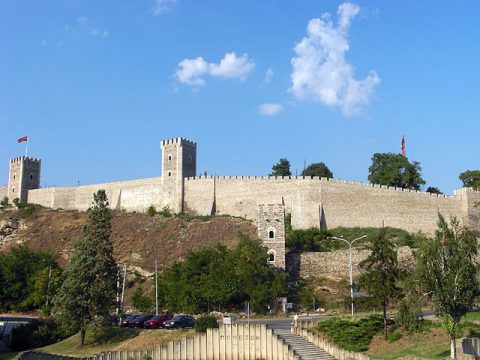
Kale Fortress (Tvrdina Kale)
Towering over the Vardar River and Old Bazaar, Kale Fortress has stood since the 6th century AD, built during Byzantine Emperor Justinian I's reign. Archaeological evidence suggests the hilltop was inhabited since 4000 BC. The fortress walls and towers have been rebuilt by Romans, Byzantines, and Ottomans. Today, visitors can walk freely along the ramparts (via steel walkways) enjoying panoramic views of both old and new Skopje. Entry is free, though the site remains somewhat unfinished due to political complications. The fortress grounds are largely abandoned with construction materials and closed-off sections, but the views and historical significance make it worthwhile. Best visited at sunset for stunning photographs.
Ancient City of Scupi
The ruins of Roman Scupi lie just outside modern Skopje. This was a significant Roman military colony and urban center, founded in the 1st century AD. Archaeological excavations have revealed city walls, basilicas, baths, theaters, and residential areas. The site was destroyed by a devastating earthquake in 518 AD, leading to the foundation of new settlement areas (including the area where Kale Fortress now stands). While less developed for tourism than other Roman sites, Scupi offers genuine archaeological interest for history enthusiasts. The site is gradually being excavated and preserved, with new discoveries still being made.
Daut Pasha Hamam
This magnificent 15th-century Turkish bathhouse is one of the largest Ottoman hammams in the Balkans. Built with a series of domes and a striking architectural design, it features 13 domes of varying sizes covering separate bathing chambers. After centuries of use as a public bath, it was damaged in the 1963 earthquake and later converted into an art gallery. The National Gallery now uses this atmospheric space for contemporary art exhibitions. The architecture alone is worth seeing, with the interplay of light through the dome openings creating a mystical ambiance. Located near the Old Bazaar, it's an example of Ottoman civic architecture.
Tips for Ancient & Historical Sites
- Kale Fortress: Watch your footing - some areas have uneven surfaces and construction debris
- Photography: The fortress offers the best vantage points for cityscape photography, especially at sunset
- Combine visits: Kale Fortress, the Old Bazaar, and nearby mosques can be covered in a half-day walking tour
- Scupi: This site is outside the city center - best reached by taxi or organized tour