Skopje's museums reflect the city's layered history, from ancient artifacts dating back millennia to contemporary art. The grandest museums were built as part of recent nation-building efforts, while older institutions offer insight into traditional life and culture.
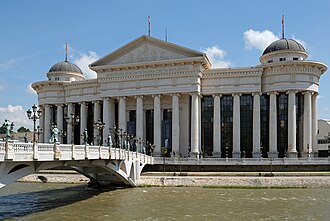
Archaeological Museum of North Macedonia
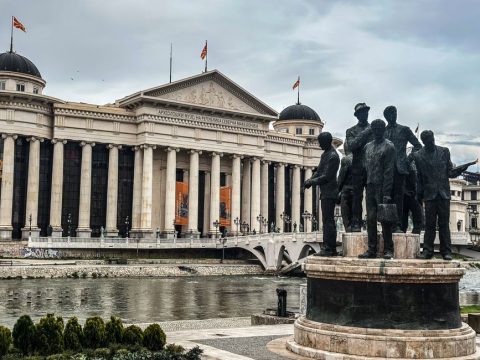
Housed in a grand neoclassical building with imposing white columns and billowing flags, this museum displays artifacts through various civilizations that inhabited the region. Collections include Bronze Age tools, ancient Macedonian treasures, Roman sculptures, and Byzantine religious items. While the exterior is more impressive than the interior galleries, the museum provides valuable context for understanding the area's ancient history. The building itself has become one of Skopje's most photographed landmarks, symbolizing the city's ambitious architectural revival.

Skopje City Museum
Located in the Old Railway Station building, which was partially destroyed in the devastating 1963 earthquake, this museum documents Skopje's history including the earthquake that killed over 1,000 people and left 200,000 homeless. The station's clock remains frozen at 5:17 AM, the moment the earthquake struck. Exhibits cover urban development, historical periods, and the city's reconstruction. The building itself serves as a powerful memorial to one of the most traumatic events in Skopje's modern history, The museum occupies a section of the old railway station; the official City of Skopje account does not attribute its design to Kenzo Tange.
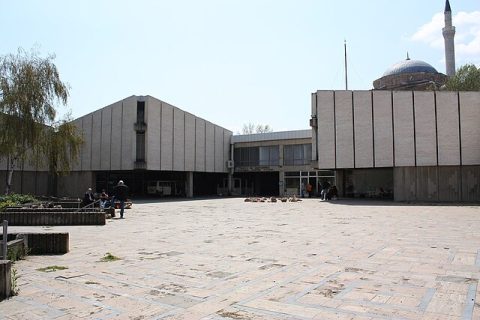
Museum of Macedonia (Ethnological Museum)
Situated in the Old Bazaar near Kale Fortress, this is one of the country's oldest museums, The museum’s official site describes the institution but does not verify this founding year; remove or verify the date with the museum.. The ethnological wing showcases traditional Macedonian life through costumes, farm equipment, kitchen utensils, carpets, religious icons, and countless regional folk dresses. The building shows its age and could use renovation, creating an atmospheric (if somewhat eerie) experience. Collections provide authentic glimpses into rural Macedonian culture, textile traditions, and domestic life across different regions. The museum’s current site lists Tuesday–Sunday hours but does not publish a general 100 MKD admission price; confirm the current fee with the museum.
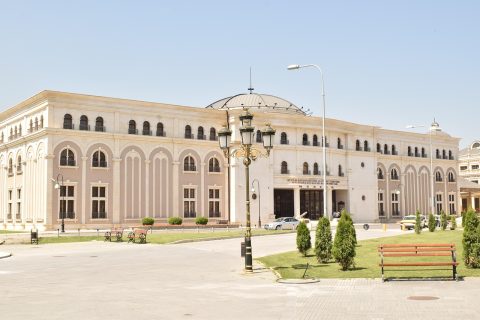
Museum of the Macedonian Struggle
This museum focuses on Macedonia's fight for independence and national identity from the 19th century Ottoman period through the Yugoslav era. Exhibits include weapons, documents, photographs, and personal effects of revolutionary fighters. The museum provides context for understanding North Macedonia's complex history and the regional tensions that have shaped its identity. While politically charged, it offers important insights into how Macedonians view their past. The building is part of the neoclassical revival architecture along the Vardar riverfront.
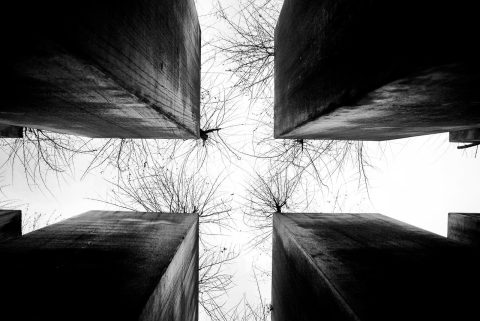
Holocaust Memorial Center for the Jews of Macedonia
Located near the Old Bazaar, this memorial and museum documents the deportation of over 7,000 Macedonian Jews to Treblinka in March 1943. The exhibits tell the story of the vibrant Jewish community that once thrived in Skopje and was almost entirely destroyed during the Holocaust. Through photographs, documents, and personal testimonies, visitors learn about Jewish life before WWII and the tragic events that followed. The center serves as an important reminder and educational resource about this dark chapter in Macedonia's history.
Contemporary Art Museum
Featuring modern and contemporary art from Macedonia and the broader Balkan region, this museum occupies a striking brutalist building. The permanent collection includes Macedonian artists alongside international donations received after the 1963 earthquake (when many countries and artists contributed works in solidarity). Rotating exhibitions showcase emerging and established contemporary artists. The architecture itself is a notable example of modernist Yugoslav design, contrasting sharply with the neoclassical revival elsewhere in the city.
Tips for Museums & Galleries
- Museum passes: Currently no city-wide museum pass exists; tickets are purchased individually at each venue
- English information: Most major museums have English translations, though older museums may have limited signage
- Photography: Check individual museum policies; some prohibit flash photography
- Opening hours: This is not a safe blanket rule: the Archaeological Museum and Museum of Macedonia list Monday closures, but check each museum’s own current hours.; verify hours before visiting