Skopje's religious architecture reflects centuries of cultural coexistence and conflict. Ottoman mosques stand alongside Orthodox churches, creating a unique spiritual landscape that tells the story of the city's diverse past.
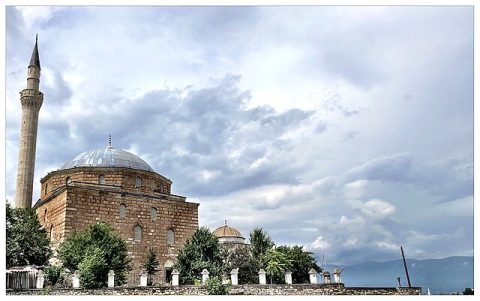
Mustafa Pasha Mosque
Built in 1492 (the same year Columbus reached America), this is considered one of the most elegant Islamic buildings in Macedonia. The complex includes the mosque, the tomb (türbe) of Mustafa Pasha, his daughter's sarcophagus, a fountain, and remnants of other structures. The mosque features a square design with a 16-meter dome, while the porch rests on four marble pillars decorated with stalactite work and covered by three small domes. Interior decorations include beautiful calligraphic inscriptions. The 42-meter limestone minaret offers panoramic city views. Located above the Old Bazaar near Kale Fortress, it remains largely unchanged from its original construction.
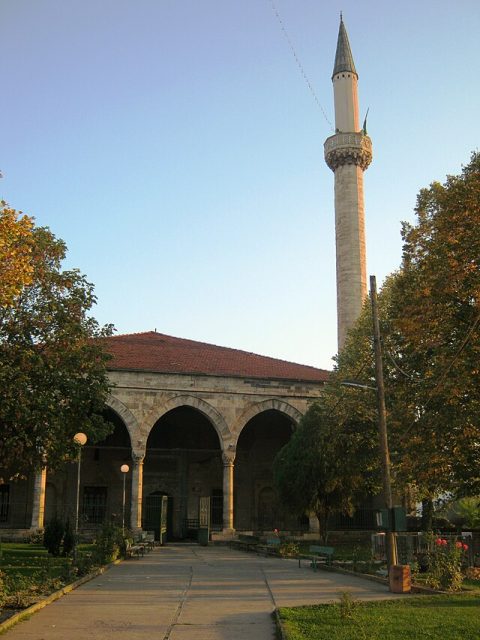
Sultan Murad Mosque
Constructed in 1463, this mosque has remarkably survived the fires and earthquakes that have devastated Skopje. Built by Sultan Murad II, it features a rectangular shape with a porch supported by four columns with decorated capitals connected by arcades. The mosque represents classic early Ottoman architecture and remains an active place of worship. Its proximity to the clock tower in the Old Bazaar makes it easy to visit while exploring the historic commercial district. The interior maintains traditional Islamic decoration and the peaceful courtyard provides a quiet respite from the bustling bazaar.
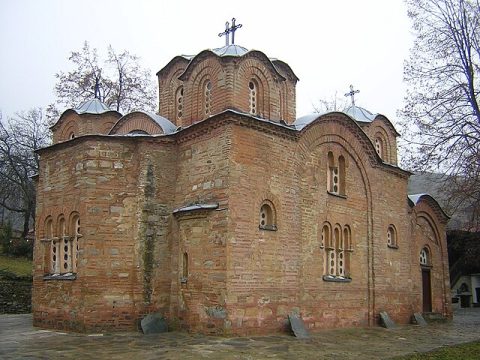
Church of St. Panteleimon (Gorno Nerezi)
Located in the mountain hamlet of Gorno Nerezi above Skopje, this 12th-century Byzantine church houses some of the most remarkable medieval frescoes in the Balkans. Built in 1164, it was the first church designed with five domes. The frescoes represent a masterpiece of Byzantine art, predating the Italian Renaissance by depicting realistic human emotions. The church sits in a serene mountain setting with beautiful views. While slightly outside the city center, it's worth the trip for art history enthusiasts and those seeking a peaceful spiritual site away from urban crowds.
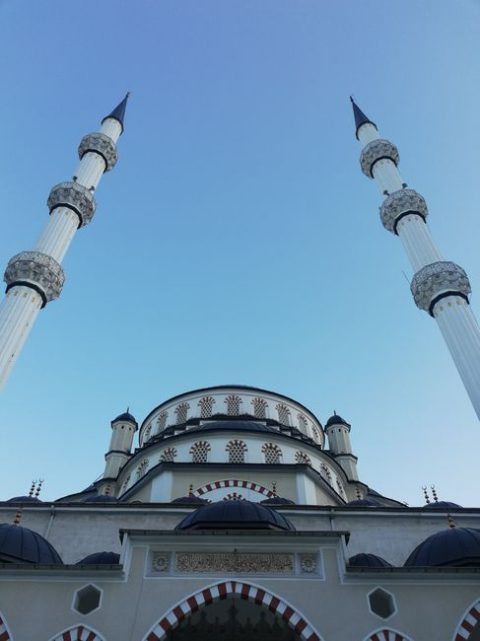
Ishak Bey Mosque (Aladža Mosque)
Also known as the Decorated Mosque because of its floral decorations, inscriptions, and colored tiles, this mosque was constructed in 1438 in the northern Old Bazaar. The 30-meter minaret is a distinctive landmark. The mosque once housed one of the first Islamic libraries in Europe. A türbe (tomb) is located behind the mosque. The colorful tile work and architectural details make it one of the most photogenic religious buildings in Skopje, representing the artistic achievements of early Ottoman architecture in the Balkans.
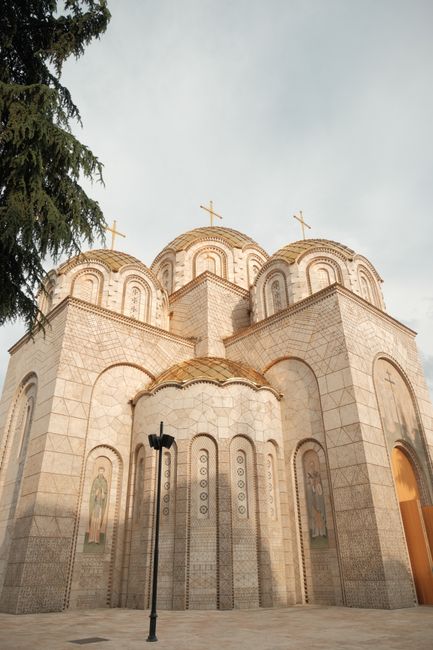
Church of the Holy Saviour
This Orthodox church in the Old Bazaar was built in the mid-16th century and features a stunning carved wooden iconostasis. The church is partially underground due to Ottoman restrictions on Christian churches being taller than mosques. Inside, the intricate wood carvings created by Macedonian craftsmen depict biblical scenes with exceptional detail. The church contains a white marble sarcophagus with the remains of revolutionary hero Goce Delchev. Despite its modest exterior, the interior is a treasure of Orthodox artistic tradition.
Tips for Religious Sites
- Dress modestly: Cover shoulders and knees when visiting mosques and churches
- Prayer times: Avoid visiting mosques during prayer times (five times daily)
- Shoes: Remove shoes before entering mosques; follow posted guidelines
- Friday prayers: Mosques are busiest on Fridays; visit earlier in the week for quieter experience
- Respect: These are active places of worship - maintain quiet, respectful behavior